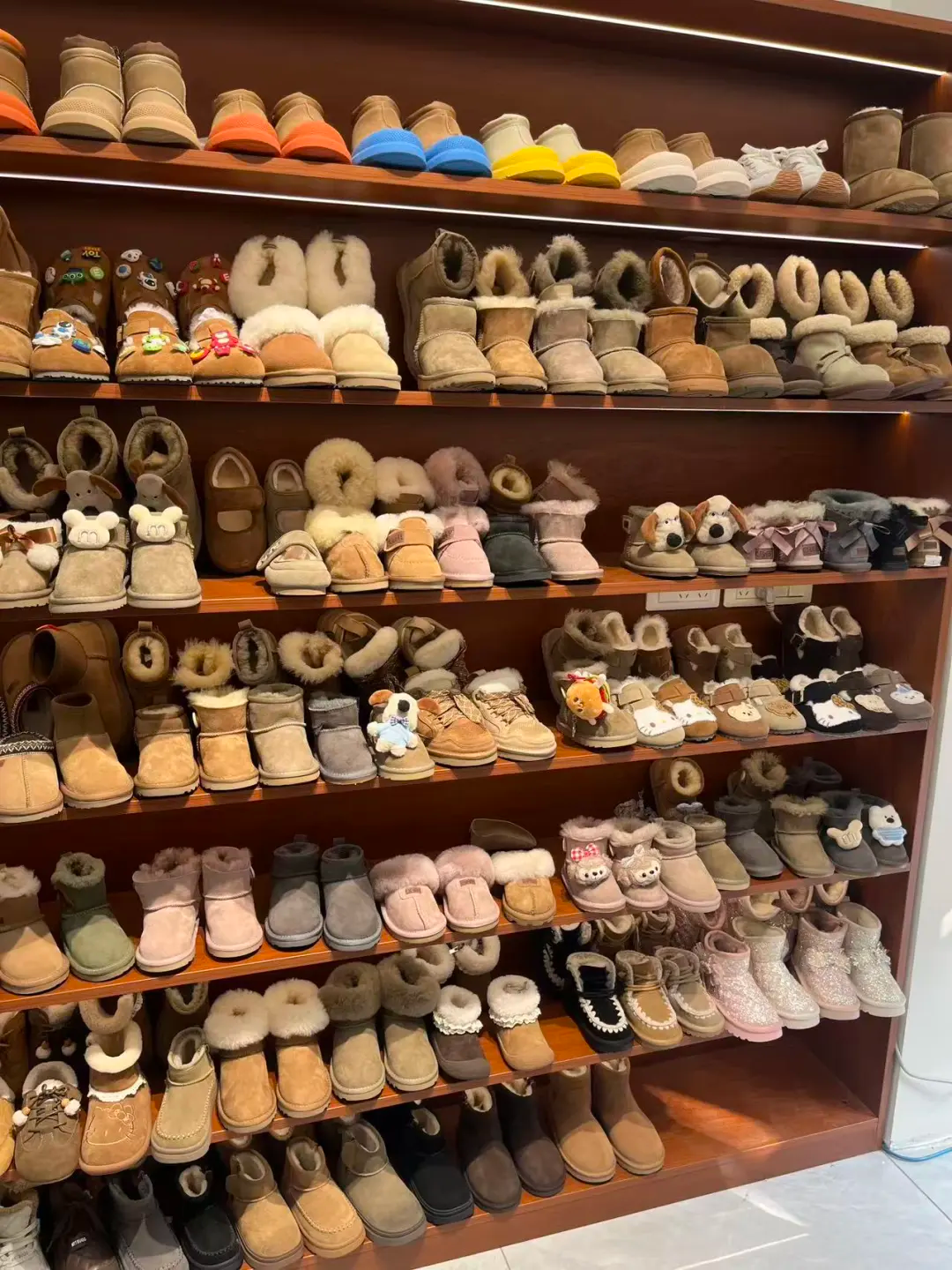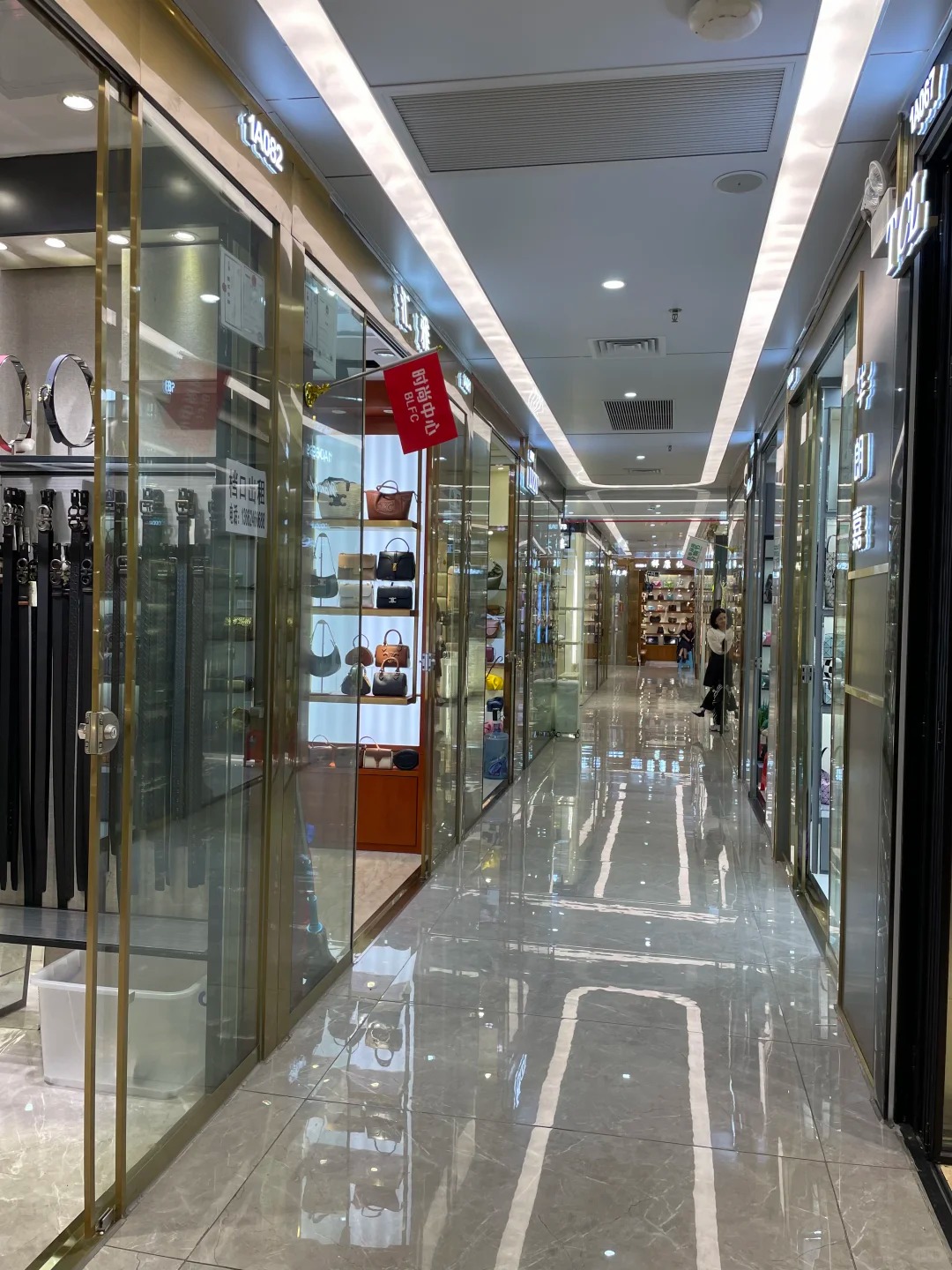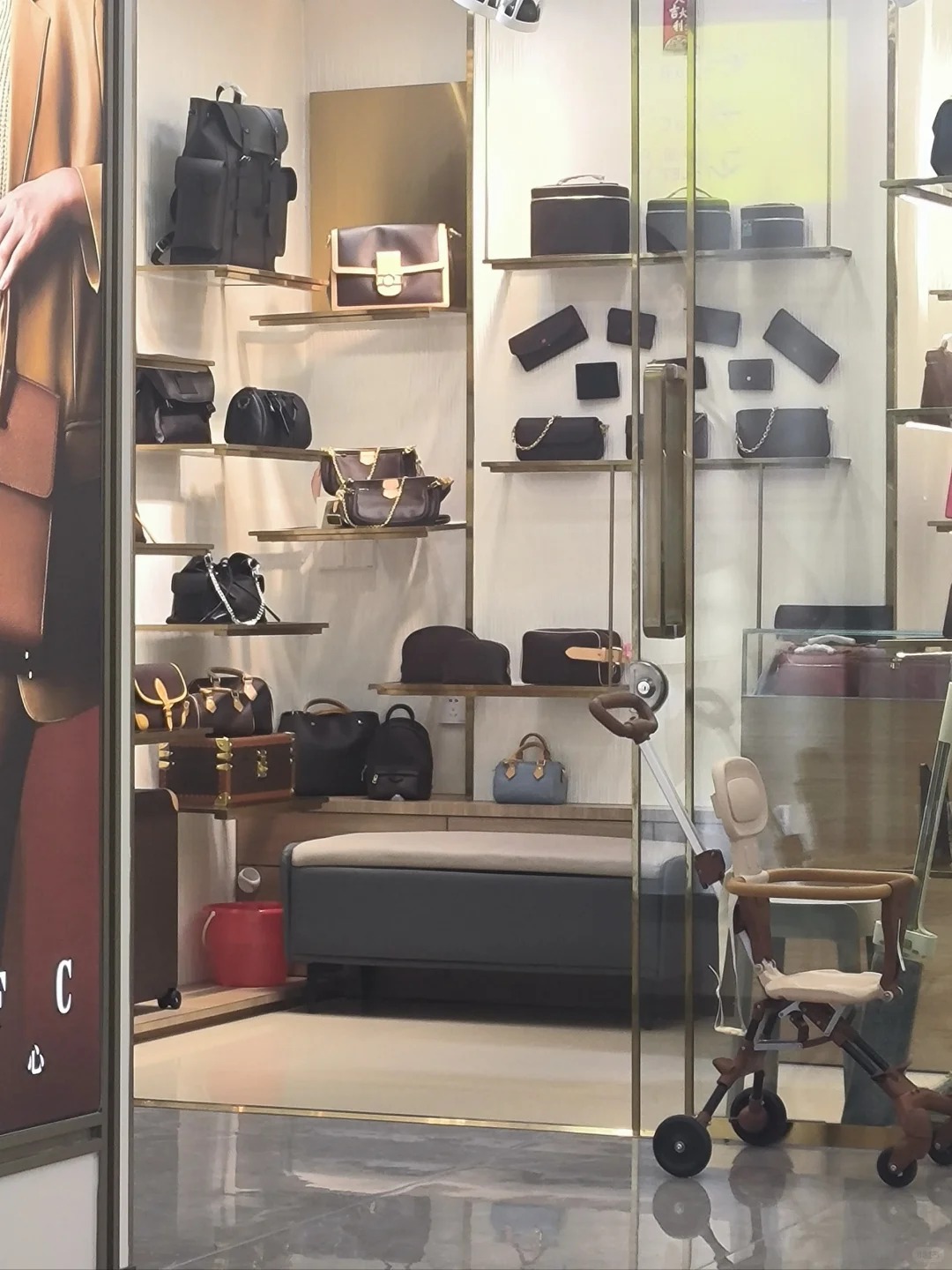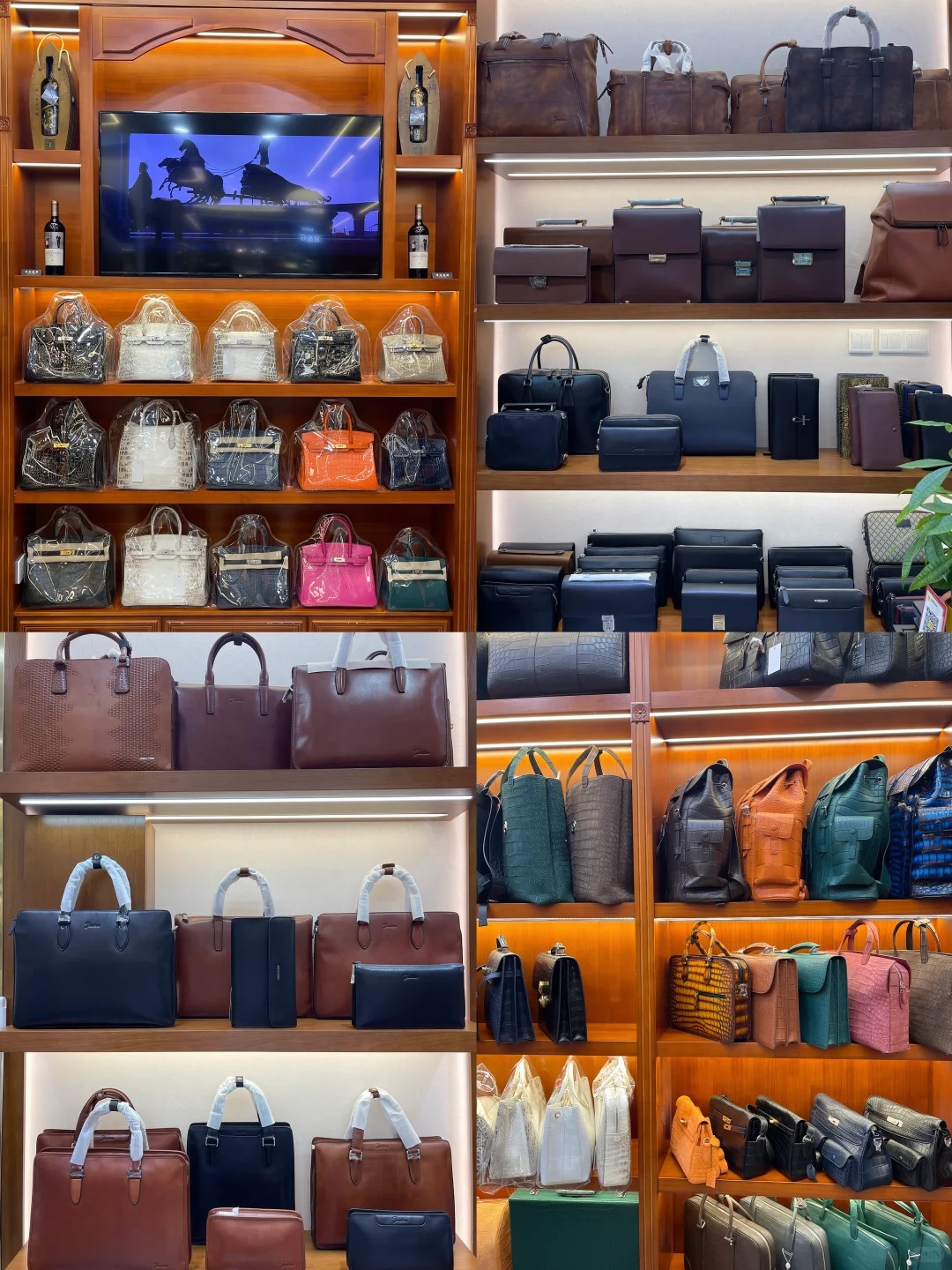

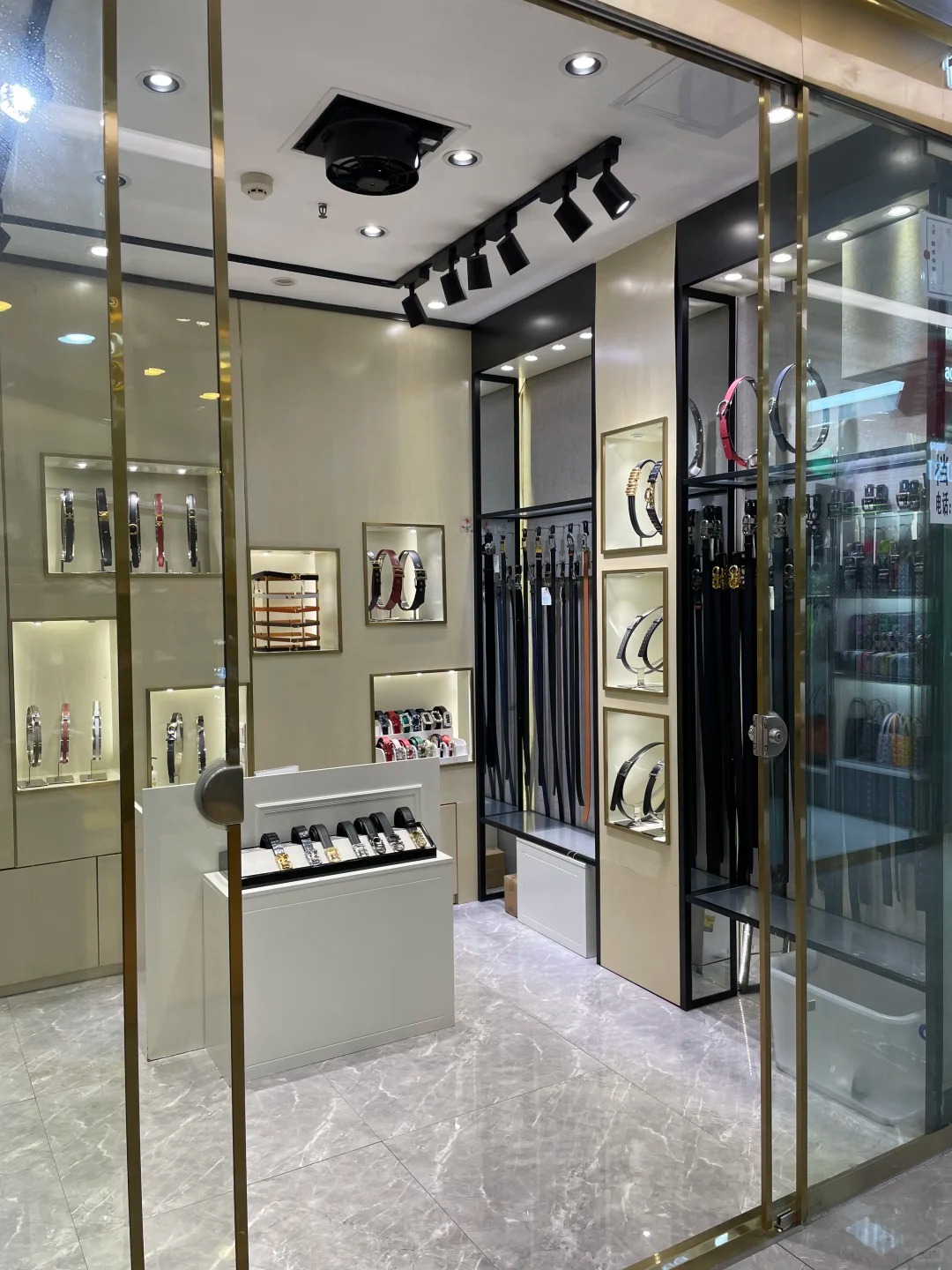
Looking for clothes suppliers in China? Here’s the reality: the best deals aren’t always on Alibaba. They’re often in crowded wholesale market stalls where vendors push spot goods—ready-to-ship inventory that you can touch, feel, and negotiate on the spot. If you want real-time price advantages and quality control, you need to understand how these physical markets work.
Why Physical Market Stalls Beat Online Platforms
Online platforms are convenient, but they lack the tactile feedback that defines garment quality. In a market stall, you can run your fingers along the fabric, check the tension of the stitching, and even test for colorfastness. Plus, stall owners often offer discounts for bulk cash deals—something you won’t find on a website. According to a 2024 survey by the China Garment Association, 68% of serious exporters still source from physical markets for first-run orders.
Key Markets to Know
- Guangzhou & Shijiazhuang: The epicenters of fast fashion and middle-end clothing. Here you’ll find endless rows of stalls pushing the latest styles.
- Hangzhou & Guangzhou: Known for premium materials—silk, cashmere blends, and high-end knits.
- Yiwu: A mixed bag, but excellent for accessories and budget basics.
How to Inspect Spot Goods Like a Pro
When you’re at a stall, don’t be shy. Pick up a garment and do the following: check the seam allowance (at least 1 cm for durability), pull gently at the stitches to see if they pucker, and rub the fabric between your fingers to gauge the fiber content. A good supplier won’t mind—they expect it.
Negotiation Tactics for Wholesale Stalls
Stall owners expect haggling. Start by asking for the ‘best price’ for a bulk quantity—say, 500 pieces per style. Then, mention you’re a returning buyer (even if you’re not) to unlock a 10-15% discount. Always pay in cash if possible; it avoids transaction fees and builds trust.
| Question | Answer |
|---|---|
| Can I visit market stalls without a Chinese speaker? | Yes, but bring a translator app or hire a local agent. Many stall owners use translation tools now. |
| Are spot goods cheaper than pre-orders? | Typically yes, because the supplier needs to clear inventory quickly. You can negotiate 20-30% off the listed price. |
| How can I verify fabric quality without testing equipment? | Burn a thread: natural fibers smell like hair, synthetics smell like plastic. And check the weave density—hold it up to light. |
| What if the stitching is uneven? | Move on. Uneven stitching is a red flag for poor quality control, which will lead to returns. |
| Do china clothes suppliers accept credit cards? | Most prefer cash or WeChat/Alipay. Credit cards incur fees, so they may pass that cost to you. |
Soudangkou: Bridging the Gap Between Online and Offline
Platforms like Soudangkou are making it easier to pre-screen suppliers before you fly in. They list verified market stall owners and show high-resolution images of spot goods—so you can shortlist the most promising ones. Use it as a research tool, then validate in person. For first-time buyers, it reduces the risk of landing in a market with no leads.
Red Flags in Stitching and Fabric
Stitching
Look for consistent stitch length (2.5-3 stitches per cm is industry standard). Loose threads, skipped stitches, and puckered seams are non-negotiable defects. Also check the thread tension—if the thread is too tight, the fabric will gather; too loose, and the seam may burst.
Fabric Feel
High-quality cotton feels soft but not limp. Polyester blends should have a smooth, non-static touch. Avoid fabrics that feel overly shiny or scratchy—they often indicate cheap dyes or low-grade fibers.
Final Word: Action Steps
To succeed with clothes suppliers in China, start online but finish offline. Use directories to identify potential stalls, then schedule a visit. When you’re there, trust your hands, not just the photos. And remember: the best spot goods are the ones that feel good in your hand and pass the stitching test. Happy sourcing!
广州服装档口相关入口
继续查看相关市场和品类入口,方便对比档口微信、货源范围、拿货方向和试单前需要核实的信息。