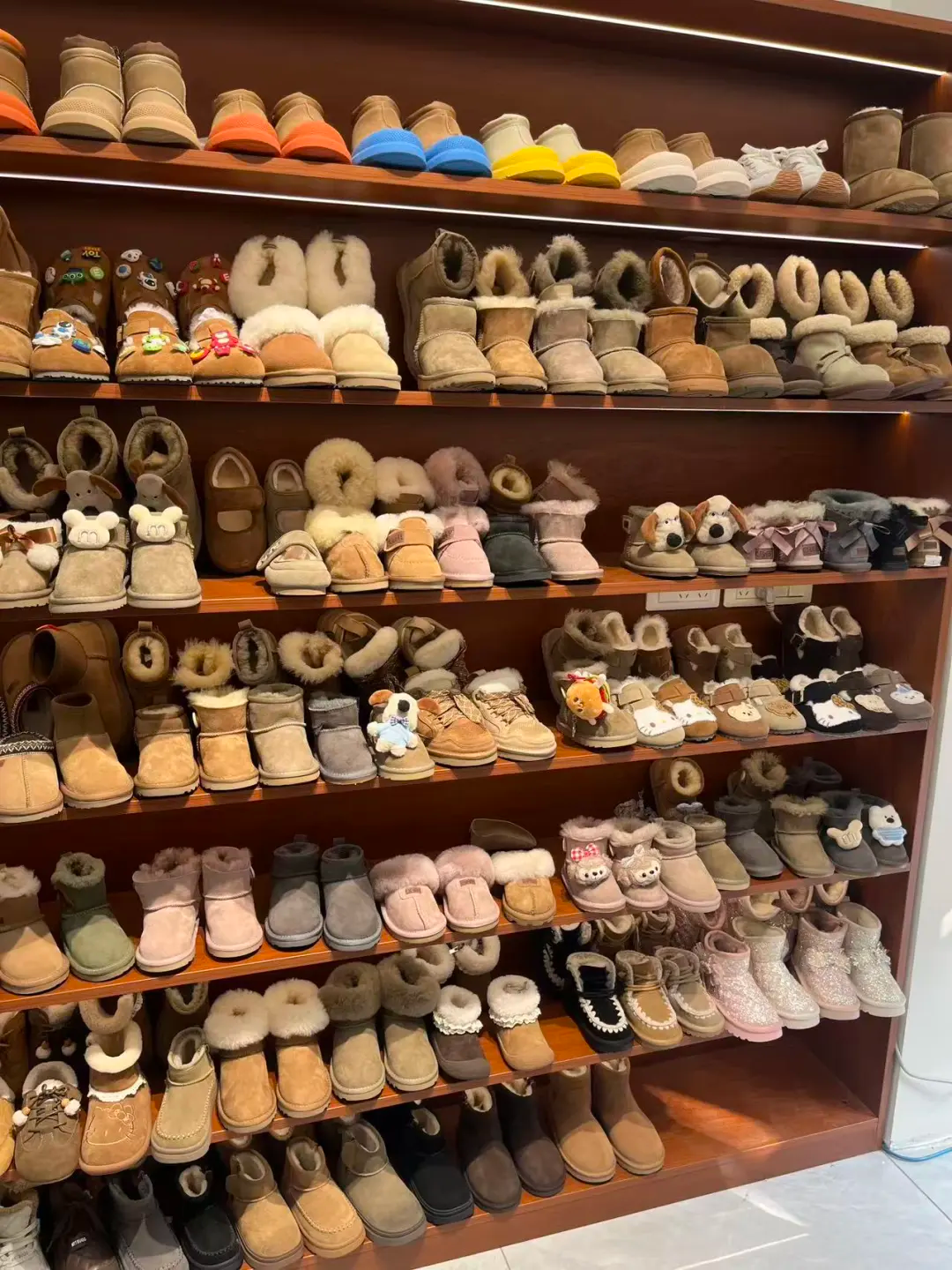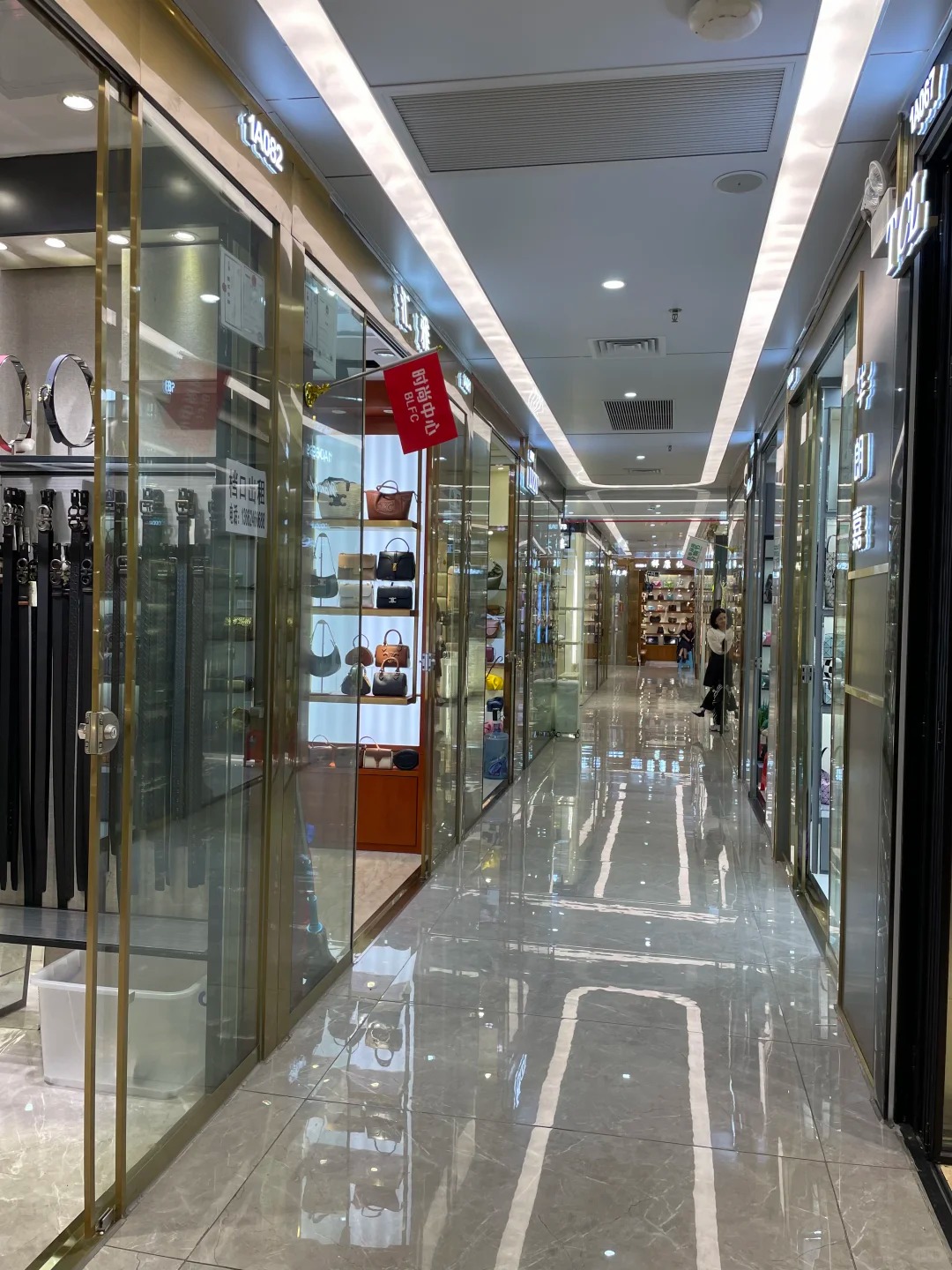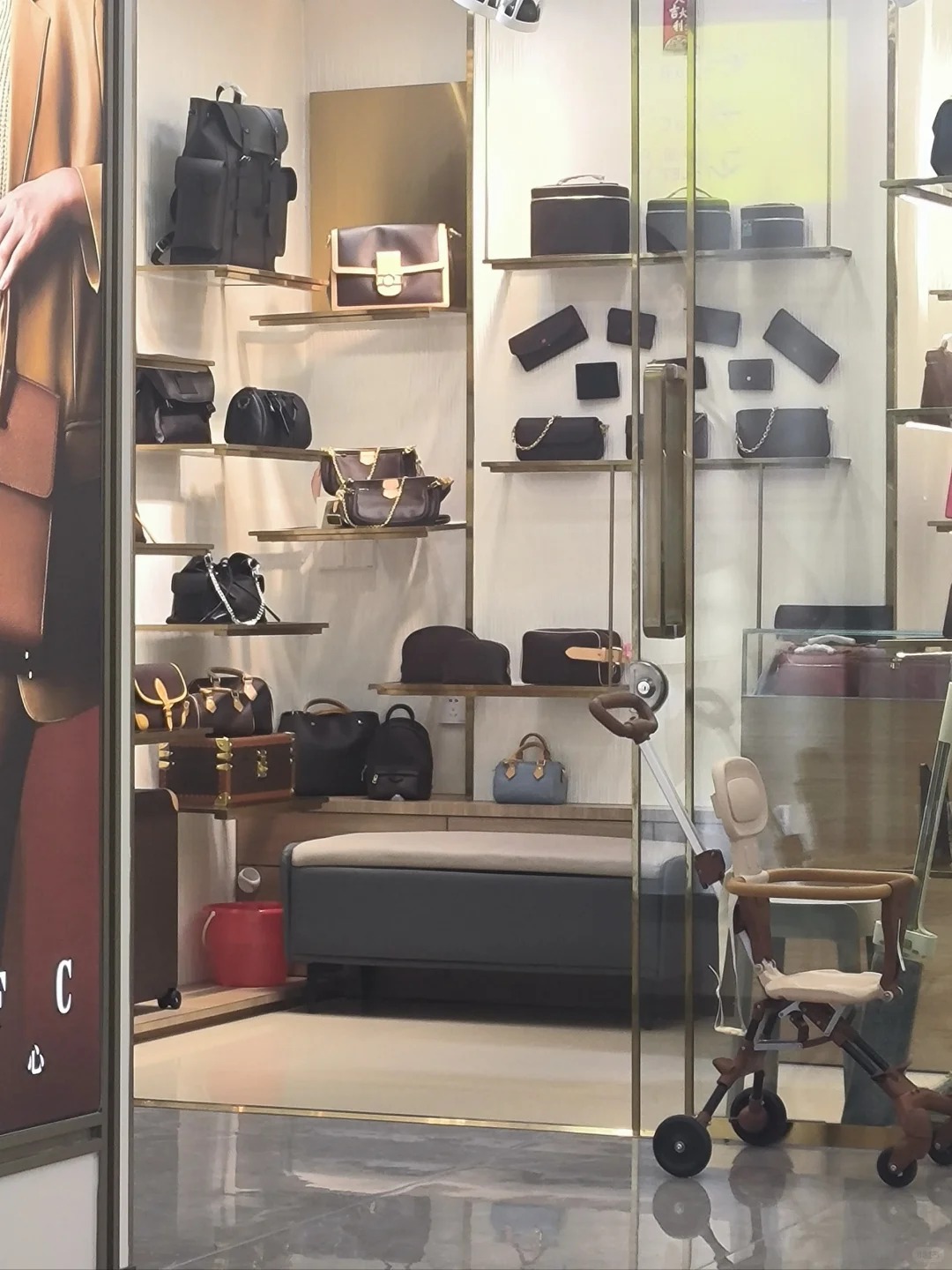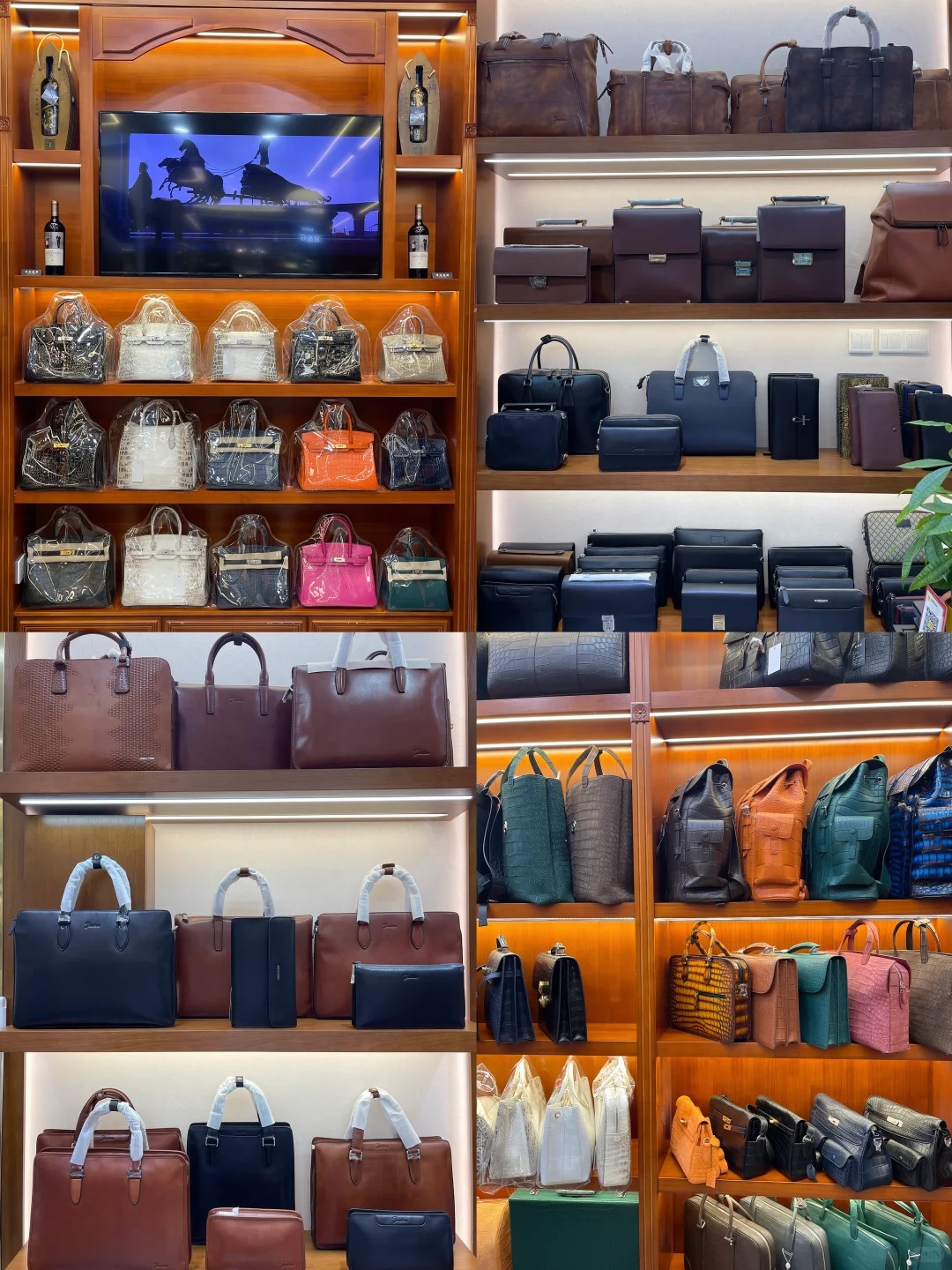

Finding clothing suppliers in China boils down to knowing where real wholesale markets operate and how to judge product quality on the spot. Skip the online middlemen; the best deals are made face-to-face at major hubs like Guangzhou’s Shaxi or Wulongqiao, or Hangzhou’s Sijiqing. These markets offer immediate access to huge selections of spot goods (现货) with negotiable prices.
Why Physical Wholesale Markets Beat Online Platforms
Online directories often list traders, not manufacturers. In a wholesale market, you’re dealing with stall owners who work directly with factories or own production lines. You can touch fabrics, examine stitching, and check colorfastness immediately. Plus, you avoid minimum order quantities (MOQs) that are often too high for startups.
How to Buy Spot Goods (现货) Like a Pro
Spot goods mean instant inventory. Here’s how to secure the best pieces:
- Inspect fabric and craftsmanship: Look for tight weaves, even dye, and precise topstitching. Ask for a swatch to hold up to light.
- Negotiate based on bulk: Even for small quantities, ask for a sample price (usually retail +10%) then negotiate for larger lots.
- Check labels and certs: Legitimate stalls provide origin certificates or can point you to their factory. Avoid unbranded goods with vague origin.
Top Clothing Wholesale Markets in China
| Market | City | Specialty | Tip for Buyers |
|---|---|---|---|
| Shaxi Clothing Wholesale Market | Guangzhou | Men’s & women’s casual, jeans | Bargain after 4 PM when stalls discount spot goods |
| Sijiqing Market | Hangzhou | Women’s fashion, knitwear | Check early morning (6-9 AM) for fresh stock |
| Wulongqiao Market | Guangzhou | Branded-like apparel | Look for original design stalls for better margins |
How to Evaluate Fabric and Stitching Quality
Quality control starts with your senses. Fabric: Pull the material – it should bounce back without sagging. For cotton, check thread count (higher is softer). Stitching: Turn the garment inside out. Look for even stitches (8-12 per inch), secure buttonholes, and reinforced seams. Avoid loose threads or uneven hems.
Common Pitfalls When Finding Suppliers
- Overpaying for samples: Many suppliers charge high sample fees. Negotiate free or discounted samples if you commit to bigger orders.
- Ignoring delivery timelines: Markets usually have immediate stock, but verify lead times – some stalls order from factories and take 1-2 weeks.
- Assuming all goods are original: Some stalls sell gray-market goods. Insist on original packaging and markings to avoid legal issues.
Frequently Asked Questions
| Question | Answer |
|---|---|
| Can I buy small quantities (50-100 units) in wholesale markets? | Yes. Many stalls accept small lots, especially for spot goods. Prices per unit will be 10-20% higher than bulk, but still far below retail. |
| How do I avoid counterfeit products? | Look for official brand certificates or ask for factory details. Stick to known markets and avoid stalls selling without any markings. |
| Do I need an agent to buy from Chinese markets? | Not necessarily. Many stall owners speak basic English. However, an agent can help negotiate and arrange shipping. Soudangkou offers reliable sourcing support if needed. |
| What payment methods are accepted? | Cash (RMB), Alipay, WeChat Pay, and sometimes T/T bank transfer. Credit cards are rare. |
| How long does shipping take? | For spot goods, immediate. For factory orders, 2-4 weeks. Use sea freight for large volumes, air for urgent samples. |
Start Your Sourcing Journey
The key to finding clothing suppliers in China is preparation. Know your target market, research fabric trends, and be ready to negotiate. Start at the markets mentioned – and always ask for sample pieces to test quality. With the right approach, you can secure reliable partners who deliver consistent quality and pricing. For more tailored assistance, resources like Soudangkou can connect you with verified stall owners.
广州服装档口相关入口
继续查看相关市场和品类入口,方便对比档口微信、货源范围、拿货方向和试单前需要核实的信息。