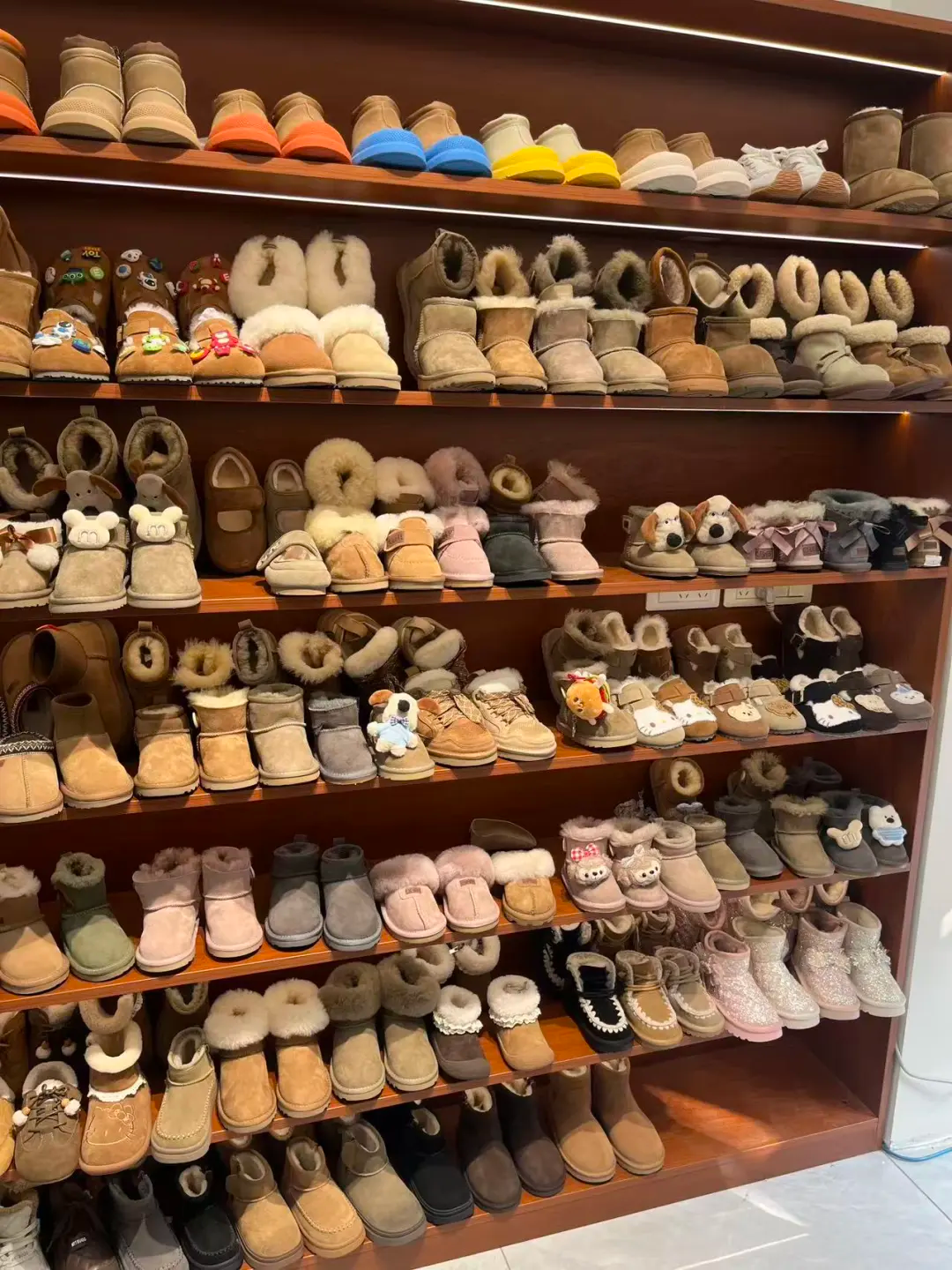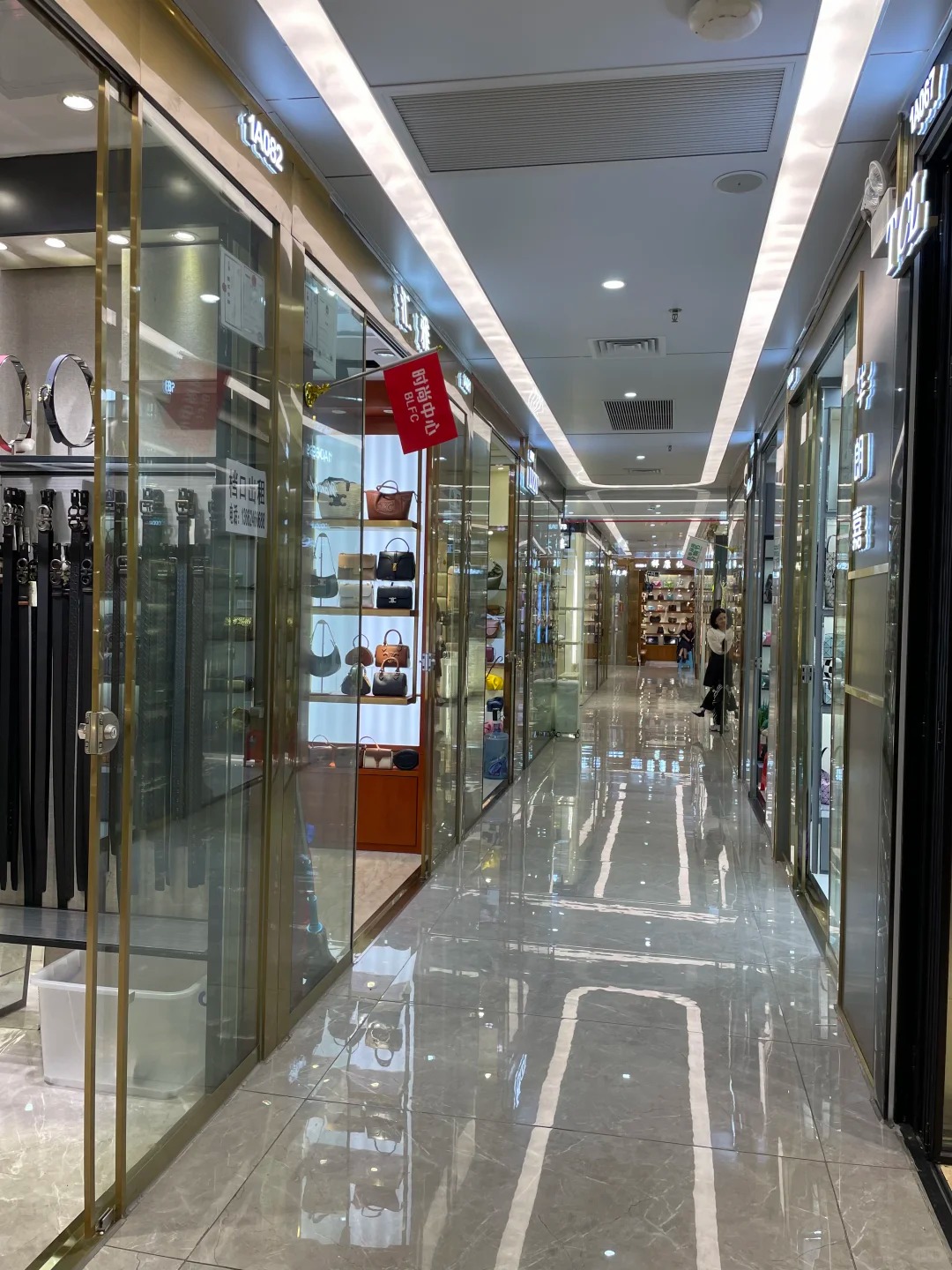

Looking for second hand clothes suppliers in China? The best places to source are wholesale markets in Guangzhou and Foshan, where you can inspect hundreds of stalls offering sorted bales, vintage pieces, and export-grade used clothing. Most suppliers operate from physical stalls, so visiting is key—but platforms like Soudangkou also list verified vendors. Below, we break down how to find, vet, and negotiate with Chinese suppliers of second hand clothes.
Top Markets for Second Hand Clothes in China
The epicenter is Guangzhou’s Shisanhang (十三行) and Foshan’s Huangqi (黄岐) areas. These wholesale hubs contain hundreds of stalls specializing in used clothing. Stalls typically display samples; you can request to open bales to check quality. Most suppliers focus on categories like mixed rags, vintage denim, or branded overstock.
Key Supplier Types
- Bale Suppliers: Sell compressed bales (45-60kg) sorted by grade (A, B, C). Grade A has near-new condition items.
- Pick & Choose Stalls: Allow you to hand-pick individual pieces, but at higher per-kg prices.
- Specialized Suppliers: Focus on one niche, like children’s wear or luxury vintage.
How to Evaluate Second Hand Clothes Quality
Don’t rely on photos. Visit stalls to feel the fabric—flimsy polyester blends are common in low-grade bales. Check stitching on cuffs, collars, and hems for loose threads. Look for stains, rips, or faded prints. A good supplier will let you open a bale and inspect a sample percentage (e.g., 10% of the bale).
5 Tips for Working with Chinese Second Hand Clothes Suppliers
- Negotiate per kg, not per bale. This gives you leverage if quality is inconsistent.
- Request moisture-free bales. Some suppliers add water to increase weight.
- Use a local agent if you can’t travel. They can inspect and consolidate shipments.
- Verify export licenses. Used clothing exports require special permits in China.
- Start with a small trial order (1-5 bales) to test the supplier’s consistency.
FAQ: Second Hand Clothes Suppliers in China
| Question | Answer |
|---|---|
| Are there minimum order quantities? | Yes, most stalls require at least 1 bale (45-60kg). For pick & choose, minimums are higher (50-100 pieces). |
| Can I buy second hand clothes online? | Some suppliers list on Alibaba or Soudangkou, but in-person inspection is strongly advised to avoid quality surprises. |
| What payment terms are common? | 30% deposit before production, 70% before shipment. Cash is preferred in markets. |
| How long does shipping take? | 2-4 weeks by sea for full containers; 1 week by air for small orders. |
| Are there any restricted items? | Used underwear, socks, and personal care items are prohibited for export. |
| Can I get samples? | Most suppliers will sell 1-2kg sample packs for inspection costs. |
| What is the price range? | Grade A bales: $1.5-3 per kg; Grade B: $0.8-1.5 per kg; Pick & choose: $3-8 per piece. |
| Do suppliers accept returns? | No, but you can negotiate a discount if the bale doesn’t meet agreed quality levels. |
Remember, relationship matters in Chinese markets. Be respectful, patient, and always double-check weight and quality before paying. A reliable supplier will value your business and ensure consistent stock. If you can’t visit, platforms like Soudangkou help verify vendors, but nothing beats a handshake and a bale opened in front of you.
广州服装档口相关入口
继续查看相关市场和品类入口,方便对比档口微信、货源范围、拿货方向和试单前需要核实的信息。