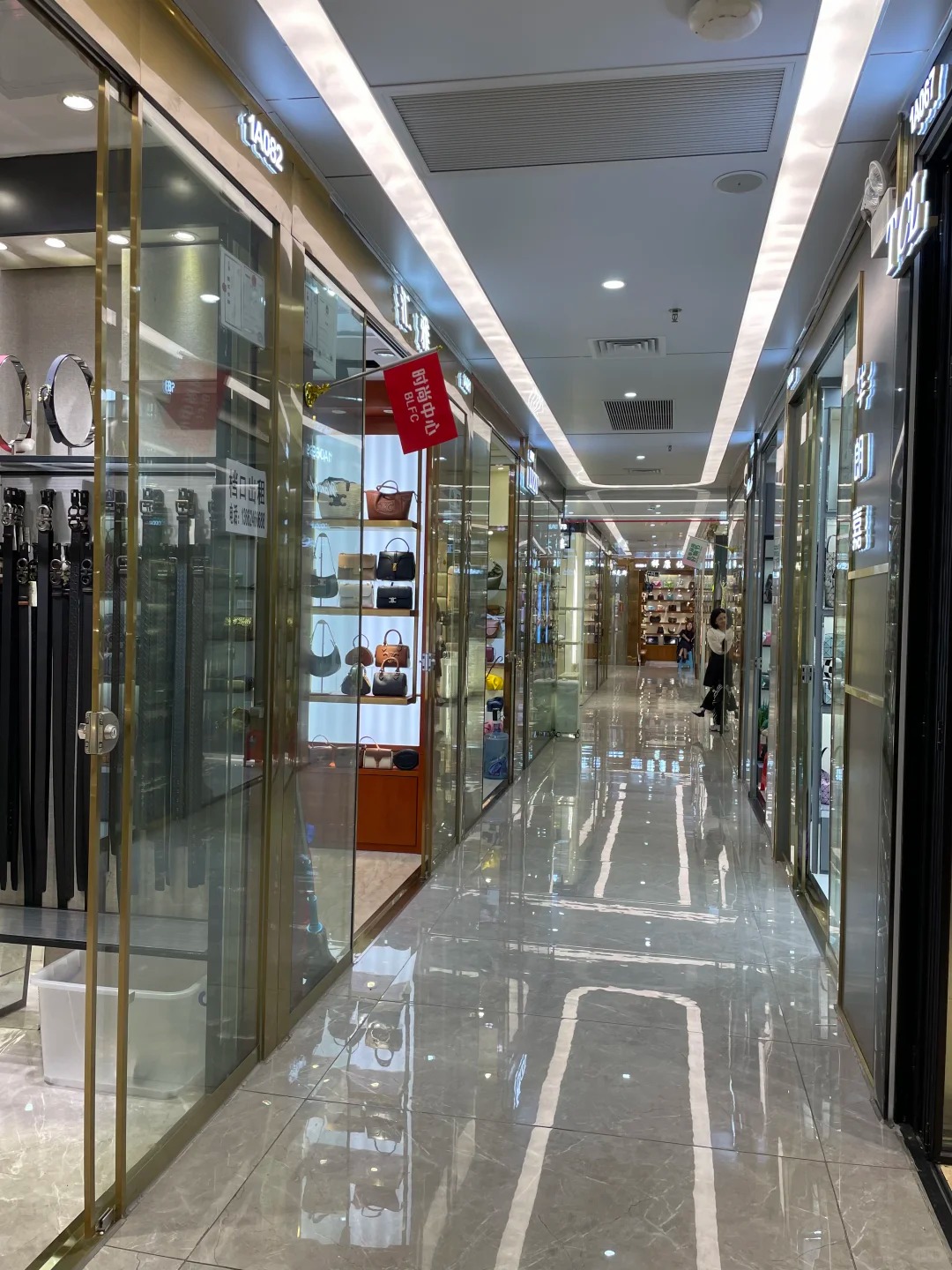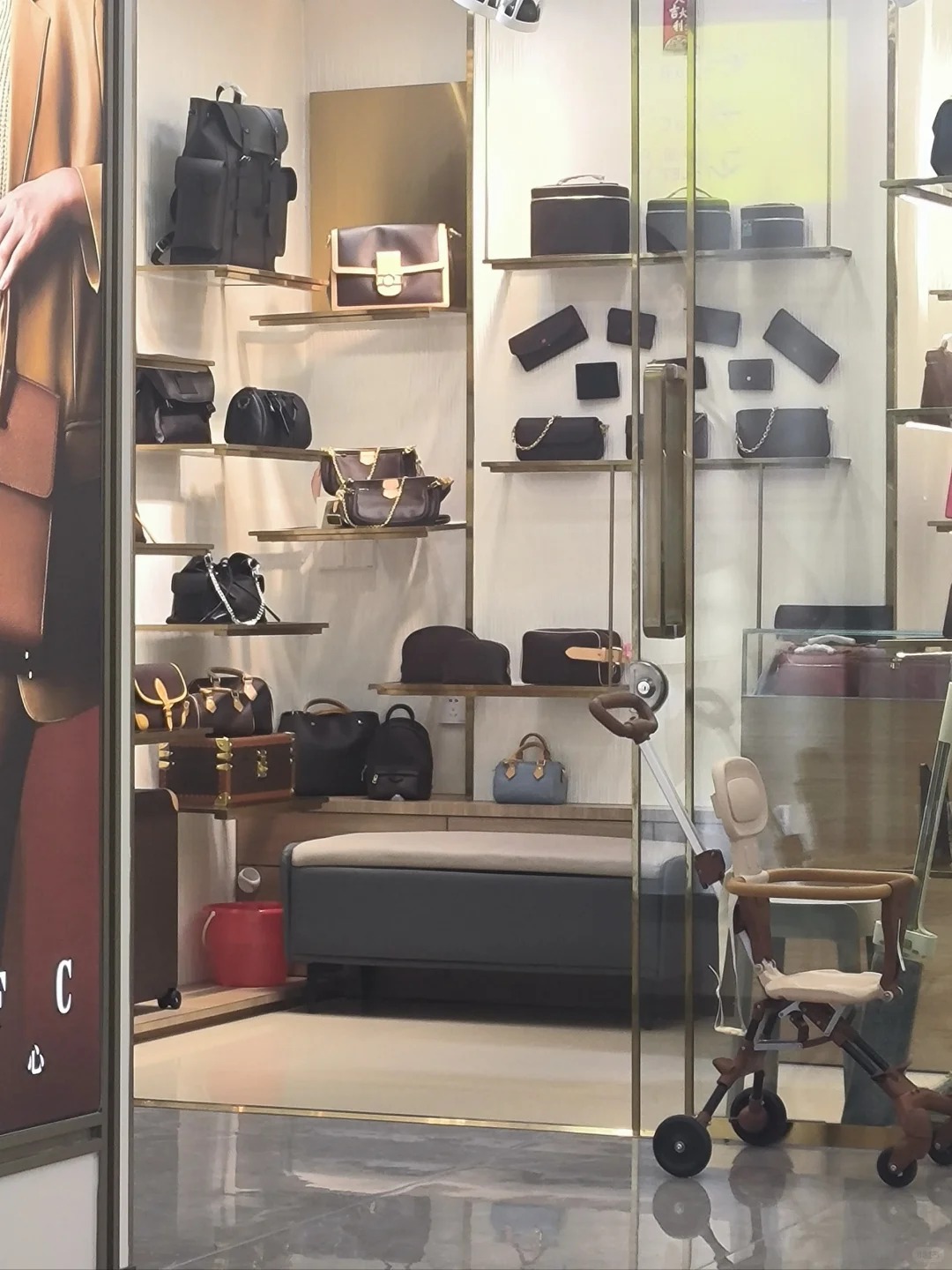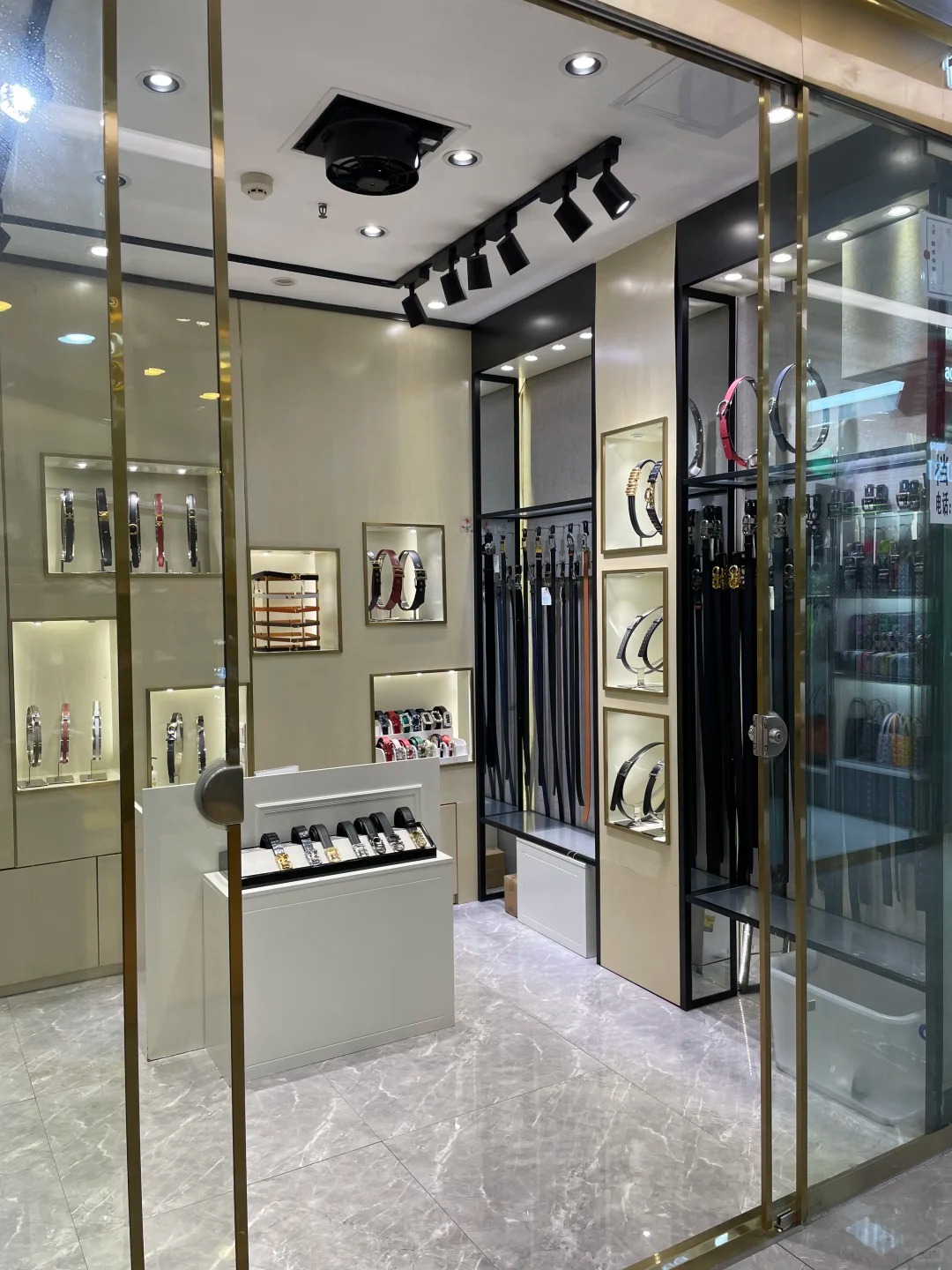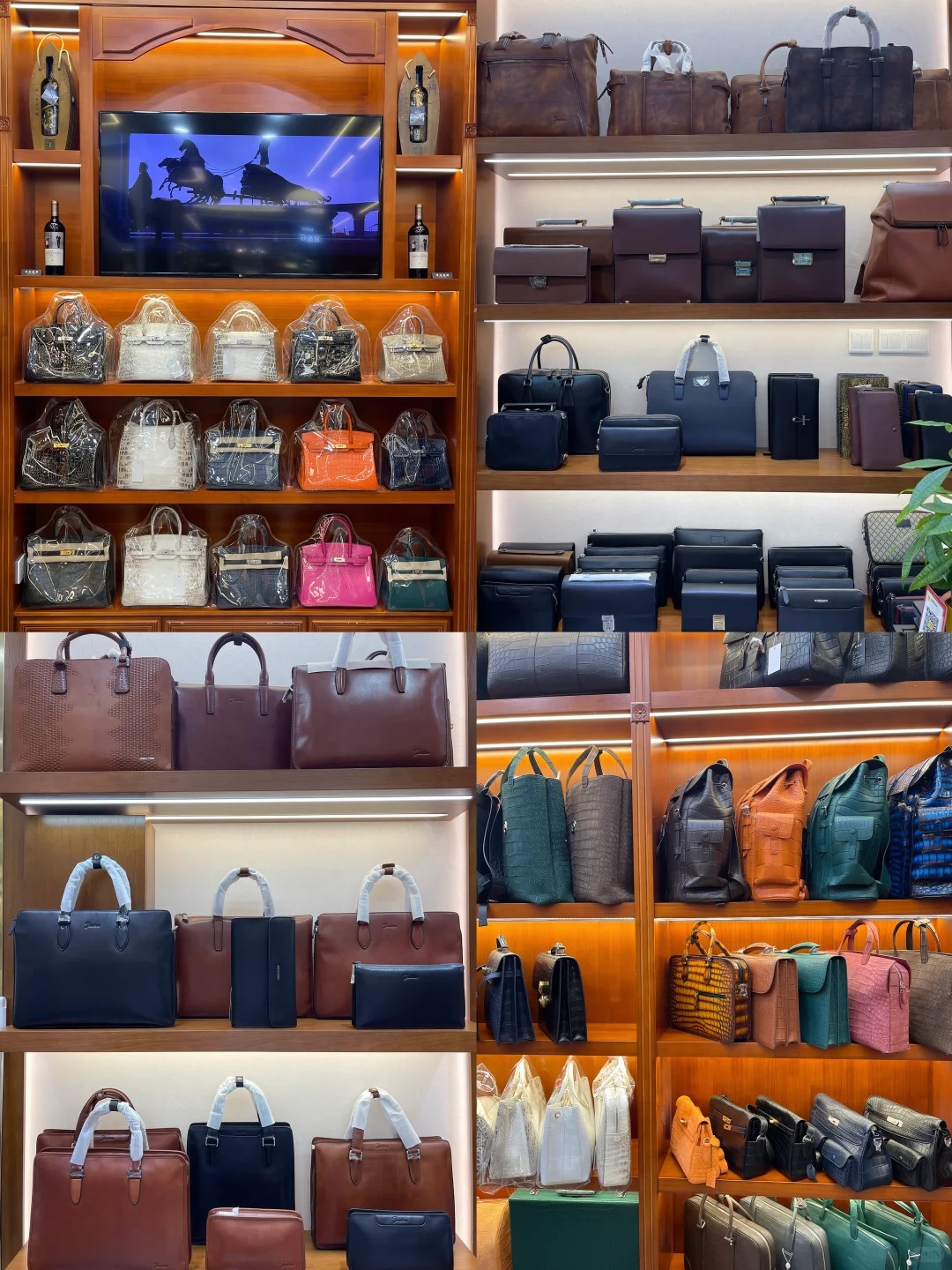

You want a reliable eco tote bag wholesale supplier in China. The fastest way is to visit wholesale market stalls in Yiwu or Guangzhou—they offer spot stock, cash-and-carry, and you can physically check fabric and stitching. This guide covers what to look for in a stall supplier, from fabric feel to stitch density, and how to avoid common pitfalls. We’ll keep it practical, no fluff.
Why Market Stalls Still Matter for Eco Tote Bags
Online sourcing is convenient, but nothing beats touching the material. At stalls in Yiwu International Trade Market or Guangzhou’s Zhongkai Road, you’ll find dozens of suppliers displaying eco tote bag samples. You can compare weight, handle strength, and print quality instantly. Many stall owners speak basic English and accept small MOQs (50-200 pcs). They often have stock ready for immediate pickup—perfect for urgent orders.
How to Evaluate Fabric and Stitching at a Stall
Fabric Feel and Weight
Pick up the bag. Does it feel flimsy? A decent eco tote (e.g., 80g non-woven or 140g canvas) should have some heft. Rub the fabric: low-quality polypropylene feels scratchy; better ones are soft but sturdy. Ask for a sample to tear—if it rips easily, pass.
Stitching and Seams
Flip the bag inside out. Look for straight stitches, no loose threads, and double stitching on stress points (handle attachment, bottom seams). Count stitches per inch: minimum 8-10 for durability. Poor stitching unravels after a few uses.
Handle Attachment
Holds the bag’s weight. Bar-tack stitching (a dense stitch pattern) is ideal. If the handle is glued or only stitched once, it will snap. Test by pulling hard—if it gives, negotiate a lower price or walk away.
Spot Stock Buying: The Pro’s Approach
Bring cash (RMB) and a market bag. Stall owners often quote higher for small quantities; haggle politely. For 500+ pieces, ask for bulk discount. Inspect each bag in the lot—mix of good and flawed is common. Reject any with uneven printing or crooked seams. Most stalls allow exchange within 24 hours for defective items.
Common Pitfalls and How to Avoid Them
- Print fading: R ub the printed area with a damp cloth—if color transfers, the ink is poor. Stick to screen printing or heat transfer from reputable stalls.
- Handle length: Short handles (under 25cm) are uncomfortable. Measure before buying. Standard is 30cm drop.
- Off-smelling stock: Chemical smell = cheap dyes or glue. Let it air for a day—if persists, return.
Platforms like Soudangkou list verified stall traders, but always visit physically if possible. A quick trip to Yiwu can save you weeks of back-and-forth with online agents.
FAQ: Eco Tote Bag Sourcing from Market Stalls
| Question | Answer |
|---|---|
| What is the typical MOQ at stalls? | 50-200 pieces per design for spot stock. |
| Can I get custom print on spot stock? | Some stalls offer on-site screen printing for extra charge (50-80 pcs min). |
| How to check bag weight accurately? | Use a portable scale; standard 80g non-woven is okay, 120g+ is better. |
| What payment methods do stall owners prefer? | Cash (RMB), Alipay, or WeChat Pay. Credit cards rarely accepted. |
| Can I return defective bags? | Yes, usually within 24 hours. Keep receipt and original packaging. |
| Do stalls offer shipping? | Many can arrange courier (UPS/DHL) but you pay extra. Better to carry yourself. |
| Is it cheaper than online? | Often yes for small lots (no shipping fees). For large orders, online may be cheaper. |
Final Thoughts
Finding a solid eco tote bag wholesale supplier in China is about feet on the ground. Market stalls give you immediate quality control and flexible MOQs. Don’t rush; compare 3-5 stalls for the same item. And if you need verified stall recommendations, check Soudangkou for leads—but always visit before paying big. Happy sourcing!
广州服装档口相关入口
继续查看相关市场和品类入口,方便对比档口微信、货源范围、拿货方向和试单前需要核实的信息。