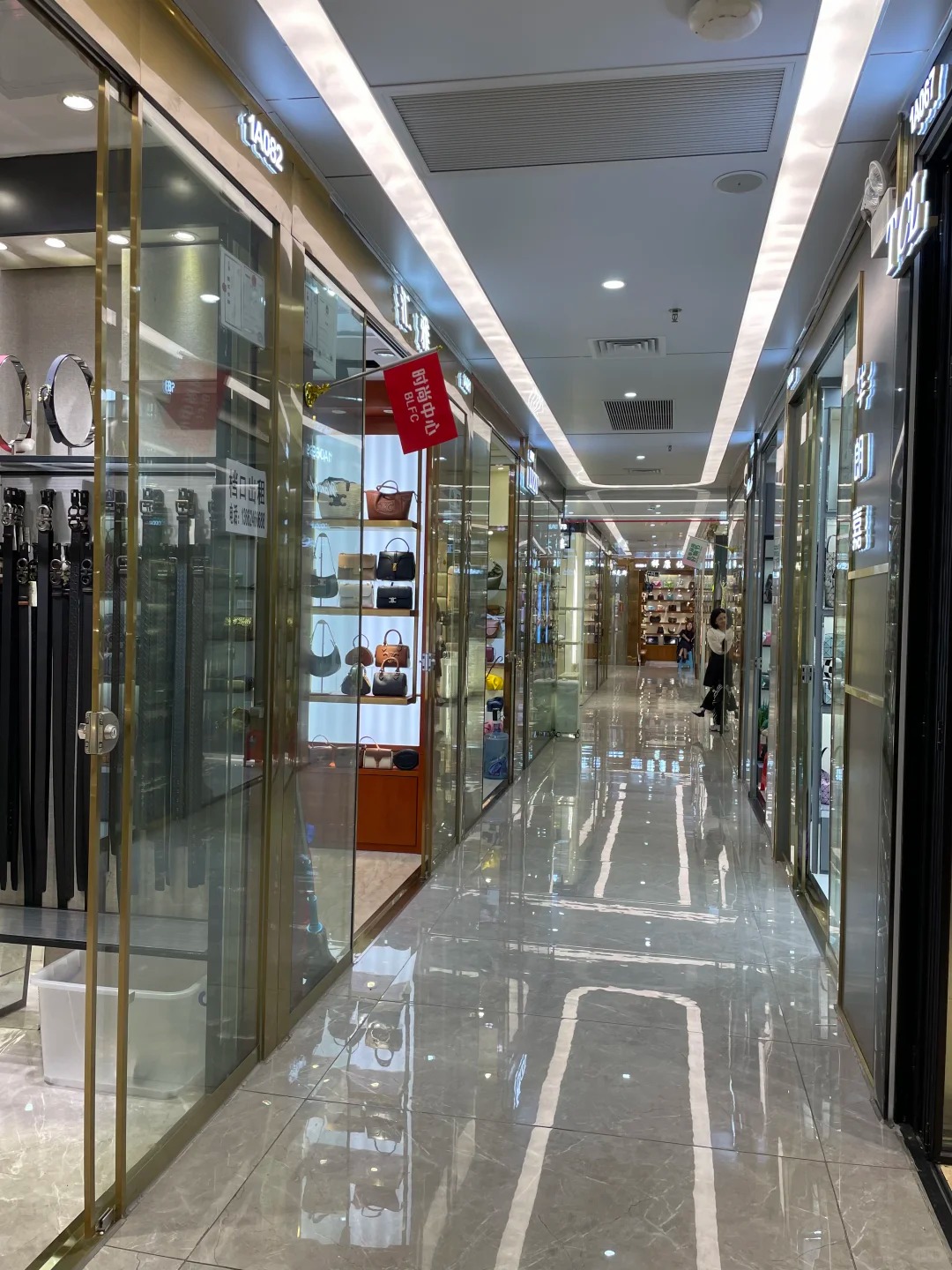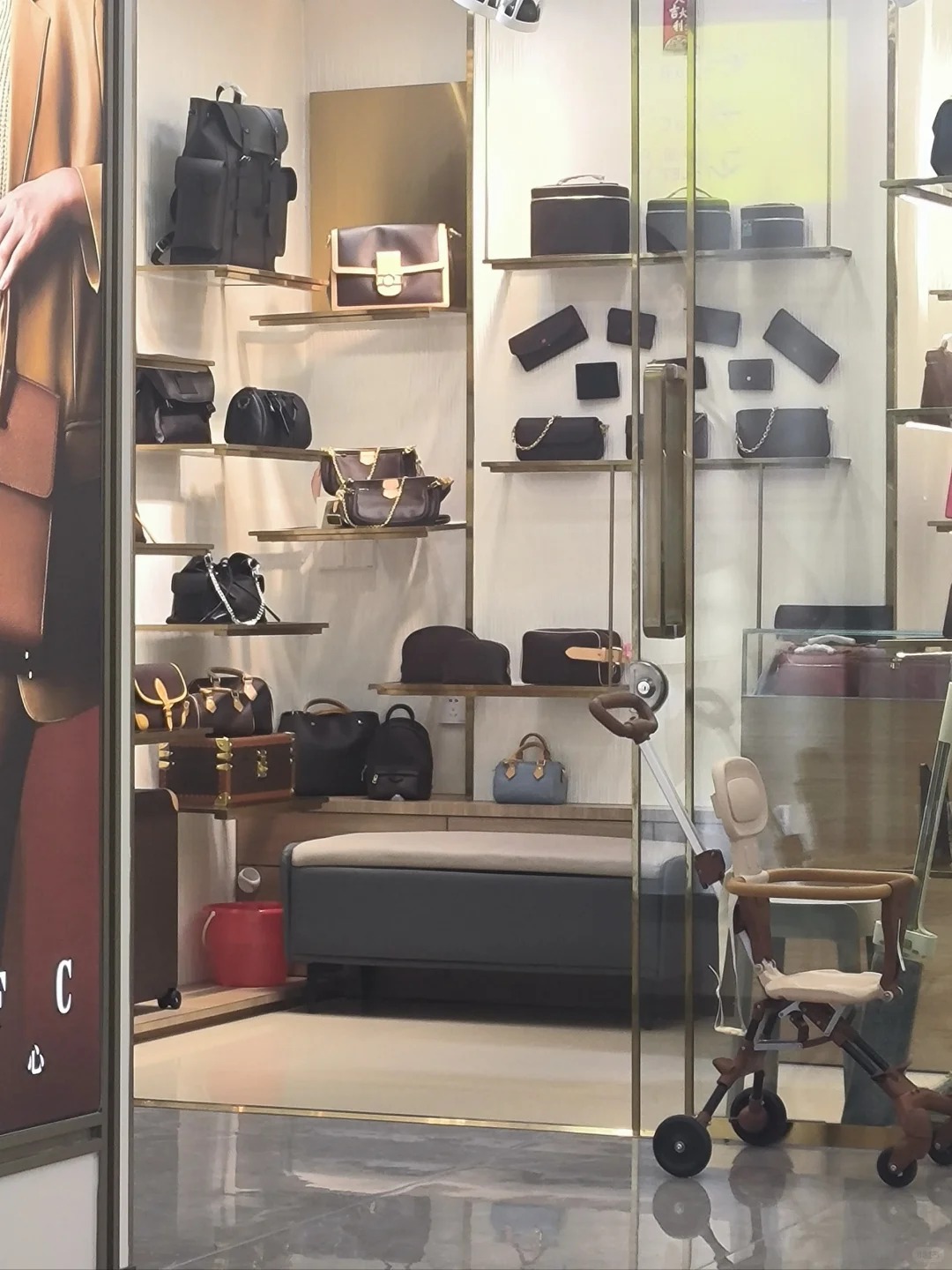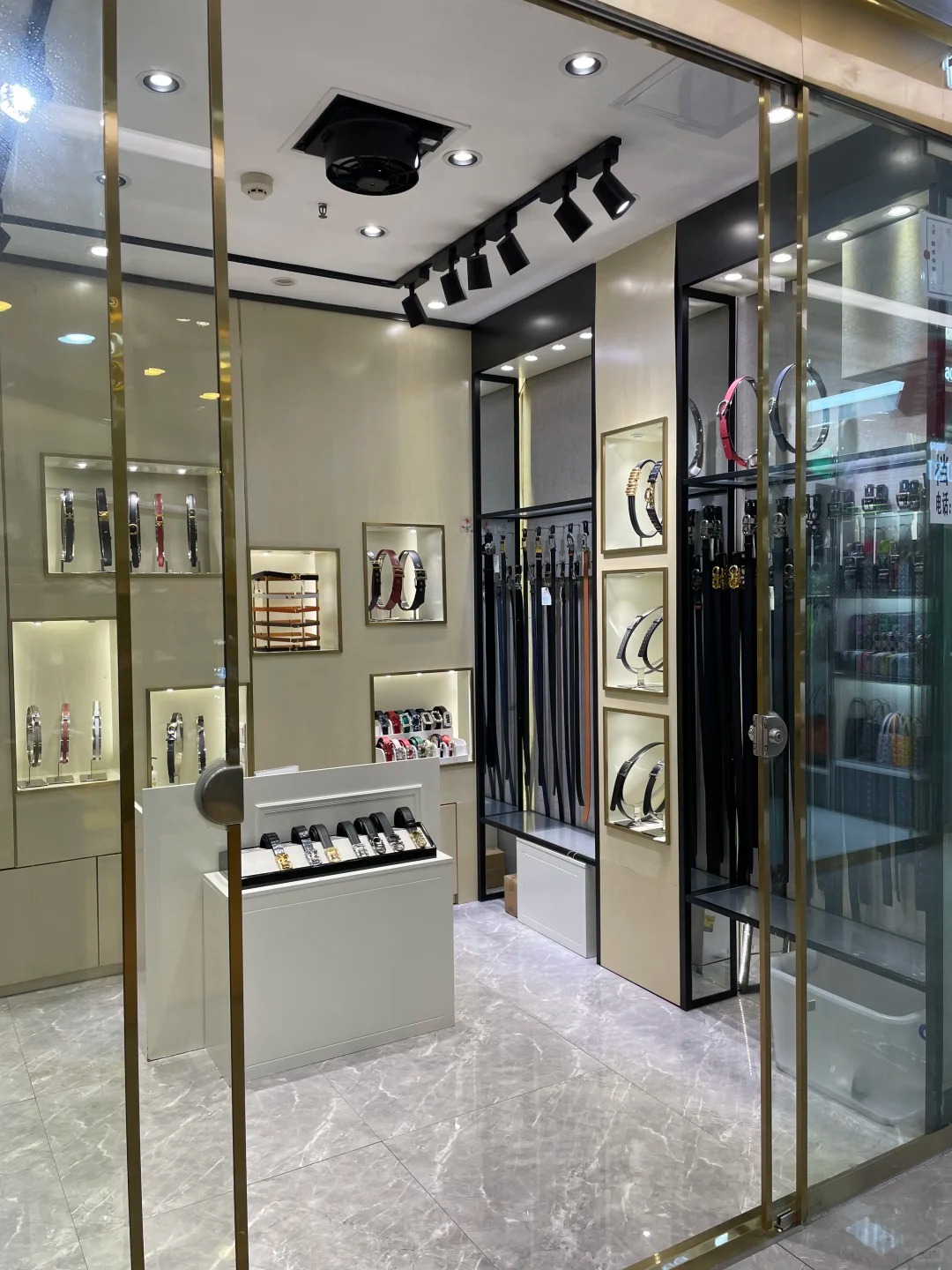

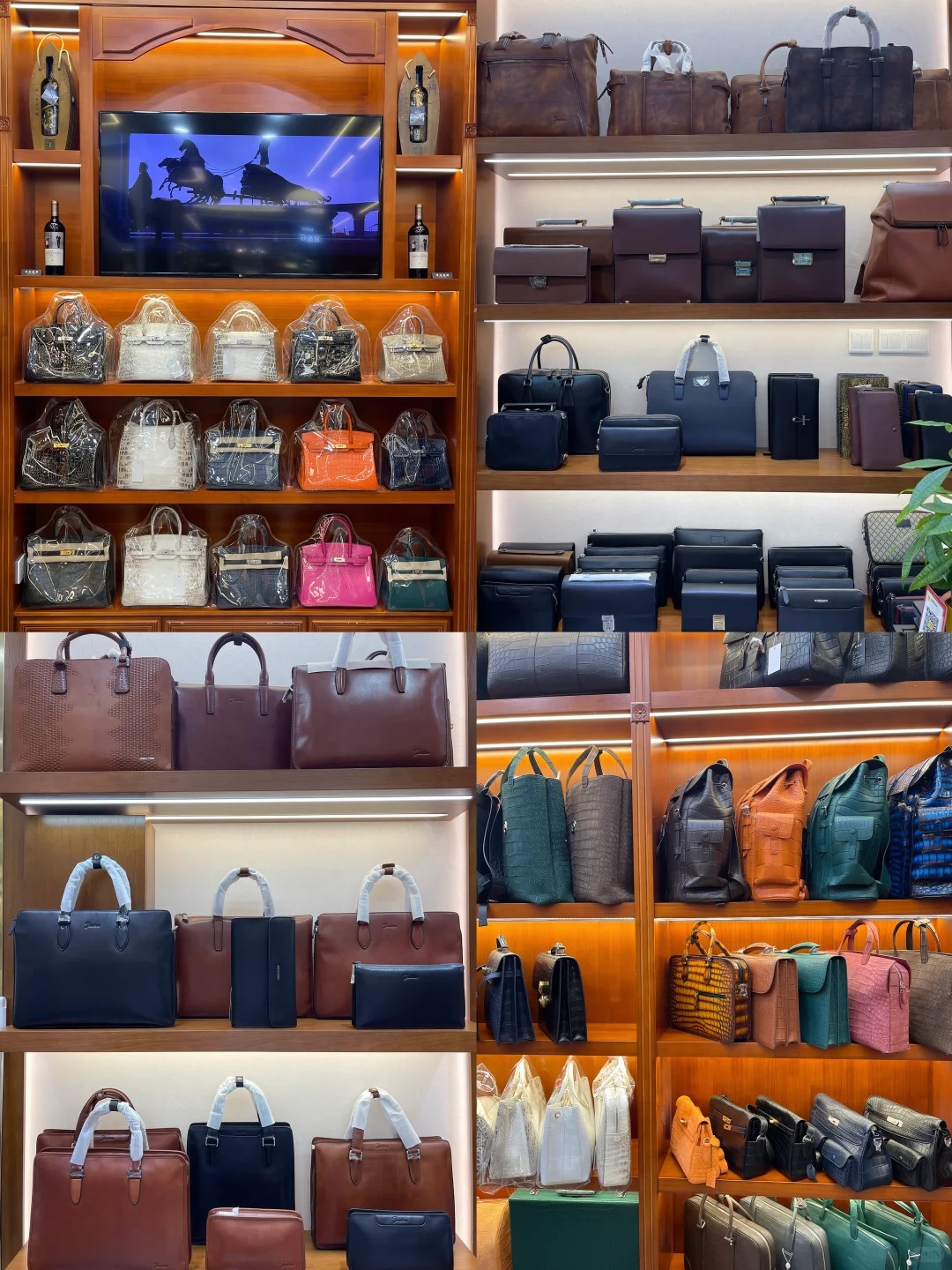
If you’re hunting for a fabric tote bags wholesale supplier in China, the most reliable way to start is by hitting the wholesale market floors in Guangzhou or Yiwu, where stall owners deal in high volumes of ready-to-ship stock. These markets, like Soudangkou mall, house dozens of stalls specializing in tote bags, offering immediate access to hundreds of styles and fabrics. Skip the online middlemen if you can; the best deals and first-hand quality checks happen in person.
Why Wholesale Market Stalls Are Your Best Bet
Market stalls in China’s major trade hubs excel at one thing: spot goods. Unlike factories that require MOQs of 500-1000 pieces per design, stallholders stock a variety of totes in small batches, ready to ship within 24-48 hours. This model suits businesses testing new markets or needing quick inventory replenishment. Plus, you can physically inspect fabric texture, stitch tension, and hardware durability before paying.
Key Fabric Types to Look For
Stalls categorize totes by fabric weight and weave. The most common options:
- Canvas (12oz-18oz): Durable, heavy-duty, holds shape. Best for grocery or gift bags.
- Cotton poplin: Lightweight, soft, easy to print. Ideal for promotional totes.
- Non-woven polypropylene: Cheap, water-resistant, but low-end feel.
- Jute: Natural, rustic look, popular in eco-friendly lines.
Always ask for a fabric swatch and check seam strength—pull gently on the handles to gauge stitching integrity.
Tips for Evaluating Stitching and Construction
Walk into a stall and immediately pit the bags against each other. Look for:
- Double stitching on stress points (handles, bottom gusset).
- Even tension: No loose loops or skipped stitches.
- Reinforced corners: Extra bar tacks or diagonal stitches.
- Handle attachment: Should overlap the bag body by at least 1 inch with multiple stitch rows.
One trick: hold the tote by one handle and fill it with sample stock. If the stitching creaks or the bag deforms, it’s a pass.
Spot Goods vs. Custom Orders
While stalls love cash-and-carry spot goods (you can mix styles within the same price tier), they also accept custom orders for bulk clients. But customization often pushes lead time to 15-30 days. For first-timers, start with ready stock to build trust and negotiate better for custom runs later. A typical stall MOQ for spot goods is 100-200 pieces total, split across designs.
| FAQ | Answer |
|---|---|
| What is the typical MOQ for fabric tote bags from a stall? | 100-200 pieces total across styles, often with no MOQ per design for spot goods. |
| How do I spot a high-quality tote bag? | Check double stitching on handles, reinforced bottom, and fabric GSM (≥200 for canvas). |
| Can I order a custom fabric color? | Yes, but usually for orders of 500+ pieces. Stick to stock colors for small orders. |
| What payment methods do stallholders accept? | Cash (RMB), Alipay, WeChat Pay, or bank transfer. Some take PayPal for small amounts. |
| How long does shipping take for spot goods? | 24-48 hours after payment, plus transit time. |
| Is it safe to buy from a stall without samples? | No—always ask for a sample or visit the stall to check quality firsthand. |
| Do stalls offer warranties? | Rarely. But if you find defects within 24 hours, most exchange or refund. |
| Can I negotiate prices? | Yes, especially if buying multiple designs or large quantity (300+ pieces). |
Final Word from a China Sourcing Insider
Navigating wholesale markets like Soudangkou requires patience but pays off with unbeatable prices and immediacy. Focus on stalls that specialize in fabric totes—not general merchandise—and build relationships with stall owners for first dibs on new arrivals. Remember: the tote bag industry runs on repeat orders. Treat a stall well, and they’ll prioritize your requests over walk-ins.
广州服装档口相关入口
继续查看相关市场和品类入口,方便对比档口微信、货源范围、拿货方向和试单前需要核实的信息。