
Introduction
Data from Nike’s fiscal reports indicates that in 2023, Nike sold approximately 120 million pairs of shoes in China. However, the exact number is not publicly disclosed. But here’s what we know: Greater China remains Nike’s third-largest market after North America and EMEA, contributing roughly $6.2 billion in footwear revenue in fiscal year 2023. At an average wholesale price of $50–$60 per pair, that translates to about 100–120 million pairs. This massive volume is fueled by China’s booming sportswear demand and Nike’s strong distribution network.
If you’re sourcing Nike shoes from Chinese wholesale markets like Canton or Shanghai, you’re likely dealing with parallel imports, surplus stock, or factory overruns. While direct sales data might be fuzzy, what matters is understanding the flow: how these shoes move from factory gates to market stalls.
Wholesale Market Perspective: Where Do These Millions Go?
From Factory to Stall
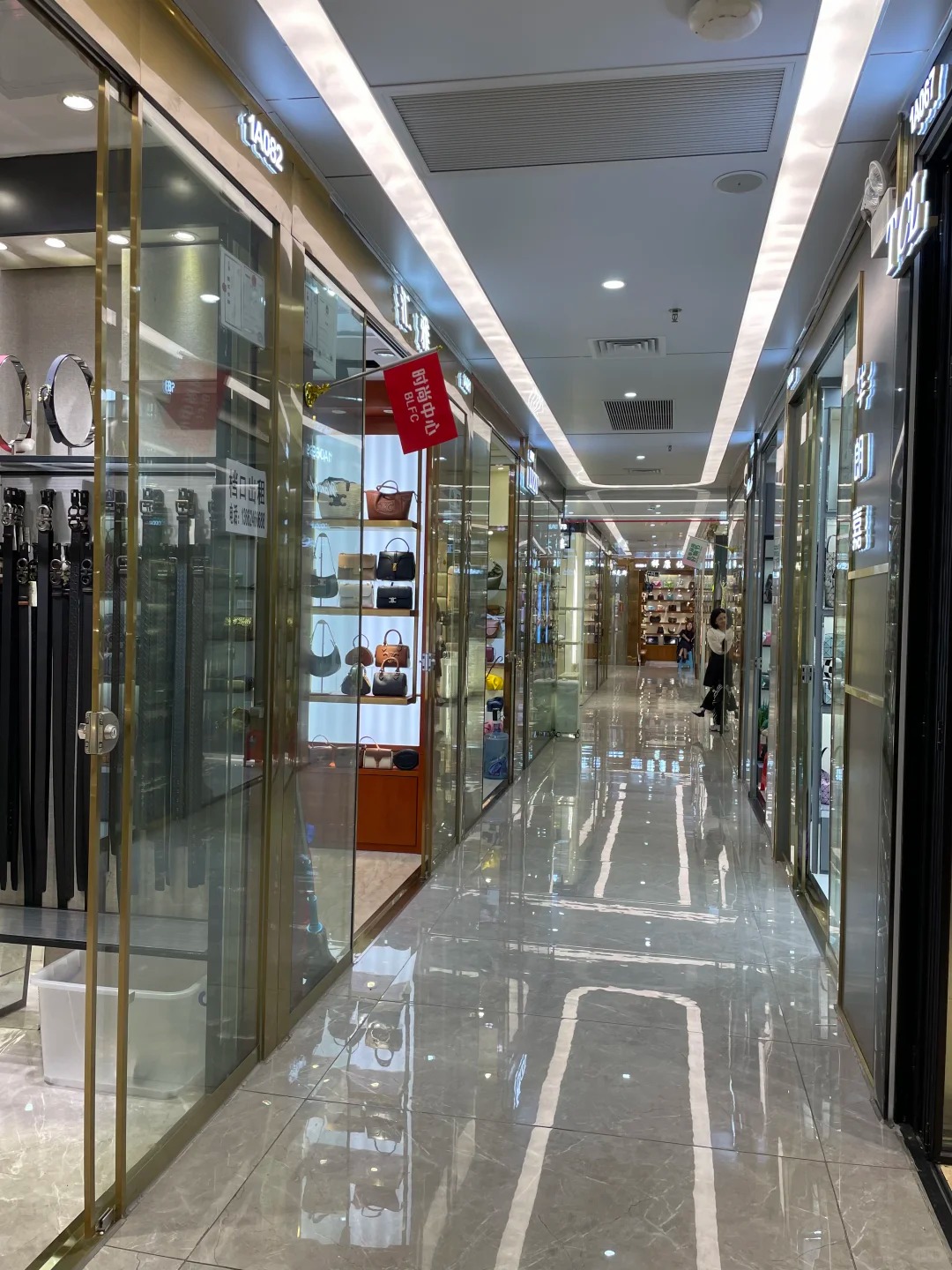
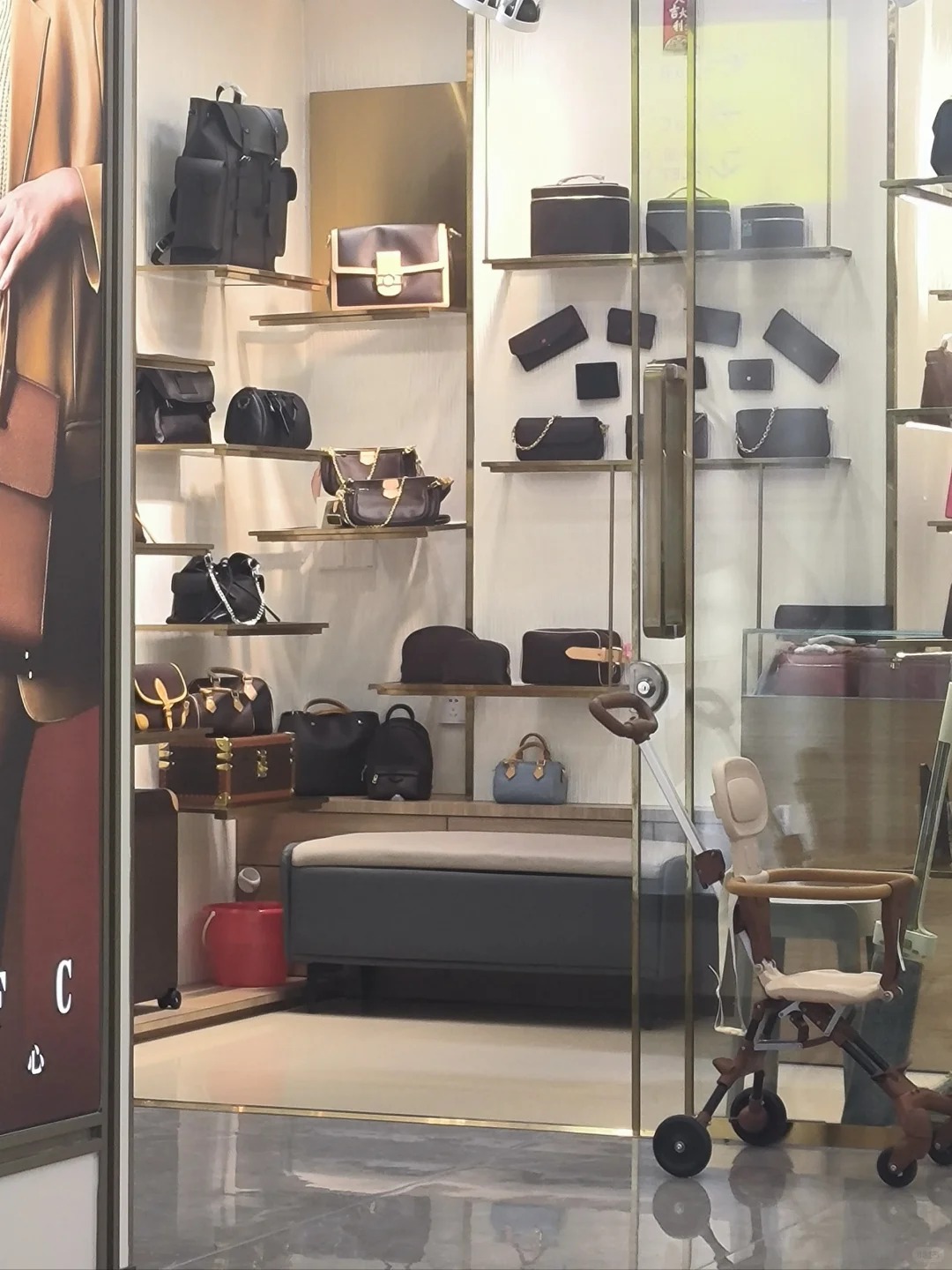
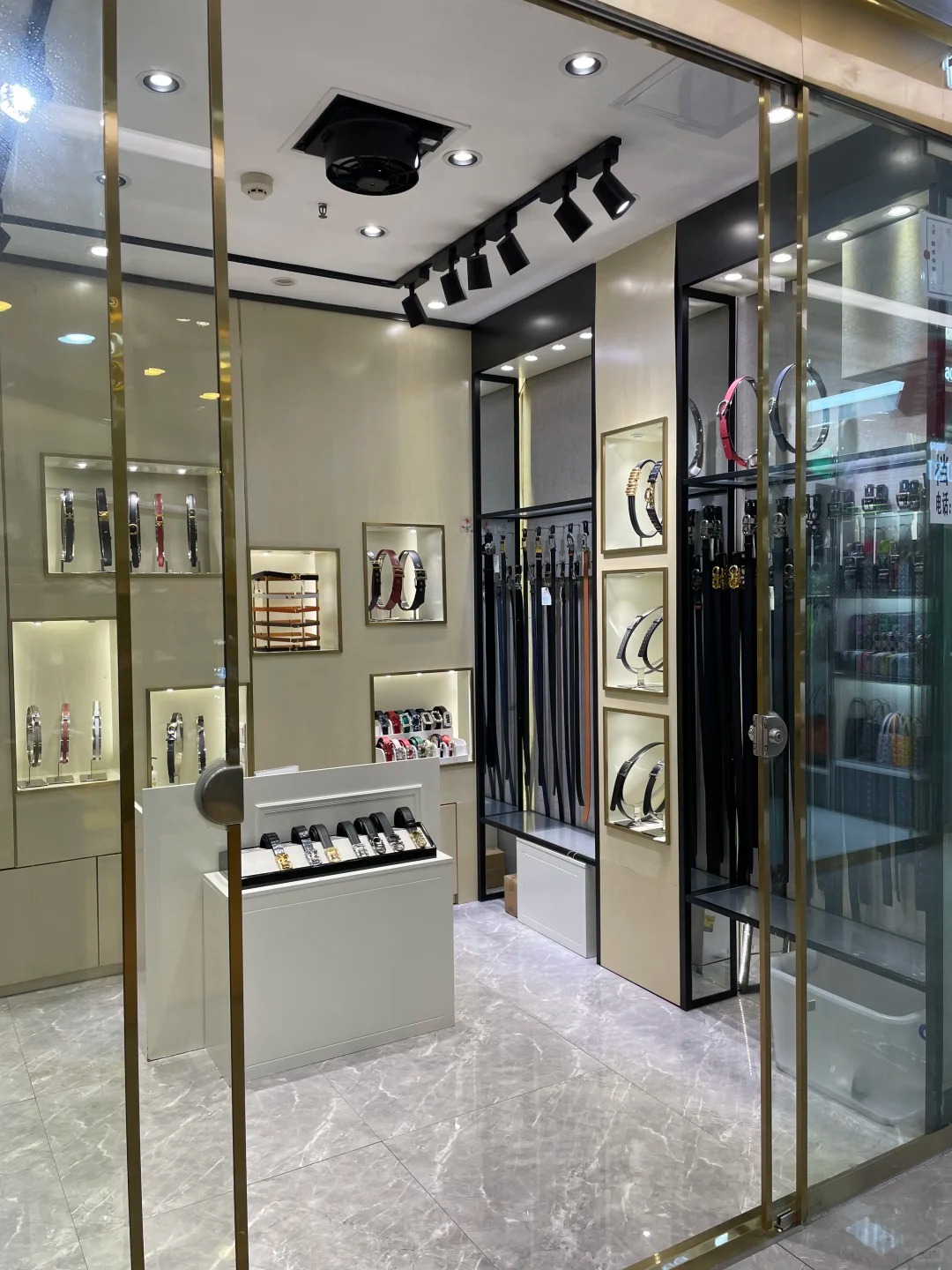
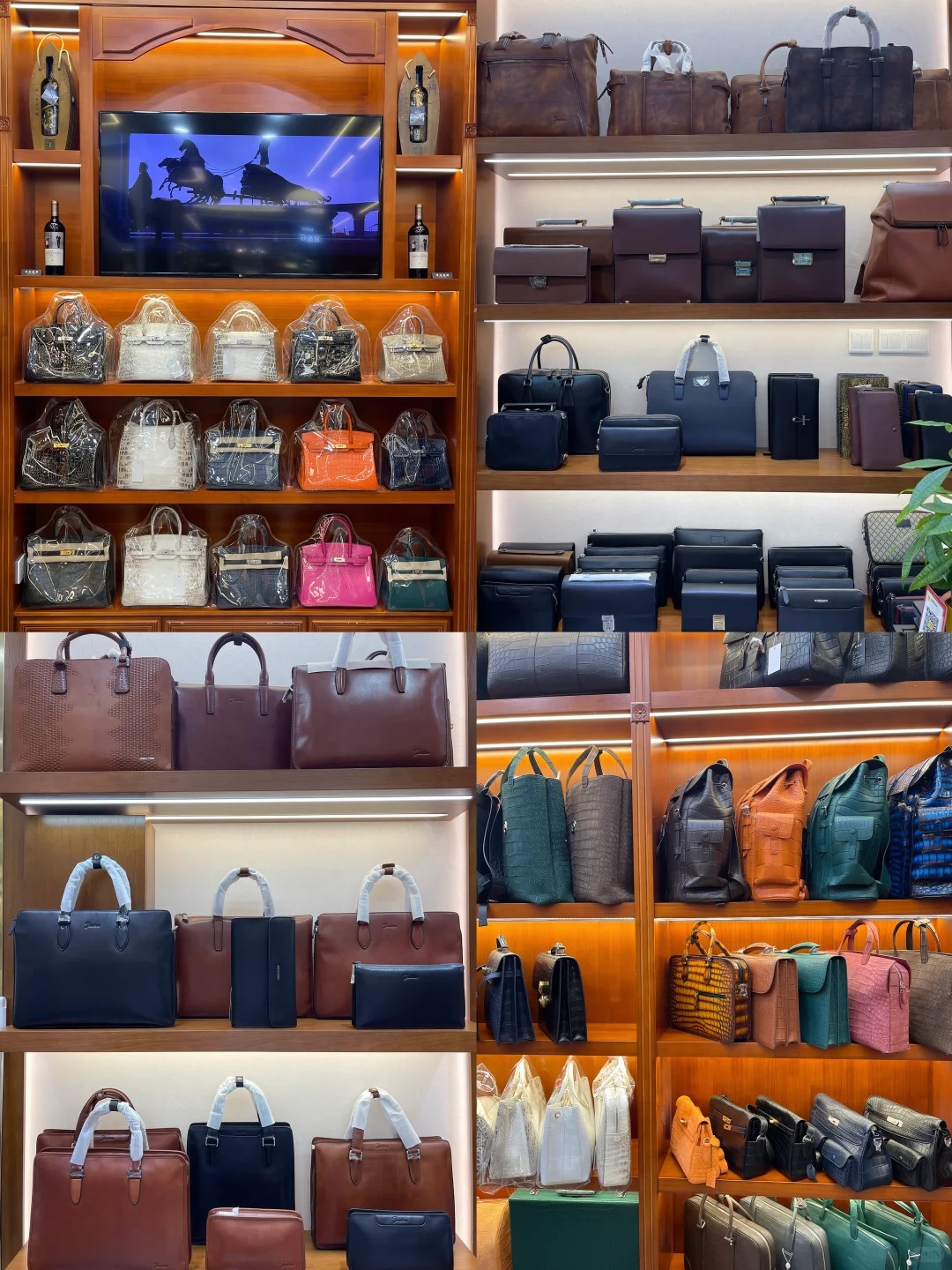
Chinese wholesale markets in Guangzhou, Yiwu, and Chengdu often see large quantities of Nike shoes—sometimes thousands of pairs per day. These are not counterfeit but rather “official channel excess” or “third-party distributable” stock. Stalls specializing in sportswear can move 500–1,000 pairs daily during peak seasons.
Cash-and-Carry Realities
When you walk into a stall, you’ll notice the merchandise is stacked high. Sellers expect you to check the stitching, glue marks, and material feel. Nike’s upper mesh is distinctively soft but firm, and the sole flex should be consistent. For a quick test: press the air unit (if present) – it should feel pressurized.
Pricing Dynamics
Wholesale prices for a popular model like Air Force 1 might range from ¥220–¥400 (≈$30–$55) depending on the batch. Negotiation is expected; you can often knock off 10–20% if you buy a full size run (50+ pairs).
FAQ: Quick Answers for Buyers
| Question | Answer |
|---|---|
| Is the sales number publicly available? | Nike does not disclose exact unit sales for China, but estimated 120 million pairs in 2023. |
| How do I verify authenticity at a stall? | Check stitch density (32–35 stitches per inch on Nike), insole markings, and hologram hangtags. |
| What is the typical minimum order quantity (MOQ) at a stall? | Most stall owners prefer single-pair sample purchase before bulk; MOQ of 10–20 pairs for mixed sizes. |
| Can I return defective shoes? | Once sold, stalls rarely take returns. Inspect each pair carefully—check for glue stains and mismatched colors. |
| How long does it take to ship from a market? | If stock is on hand, shipments can leave within 1–3 days via small courier. Bulk orders may take 5–7 days. |
| What is the best time to visit a wholesale market? | Early morning (6–9 AM) or late afternoon (3–5 PM) when new stock arrives. Avoid weekends for lower crowds. |
Key Insights: Sourcing from Chinese Stalls
Quality Clues in the Weave
Nike uses specific knit patterns on models like the Epic React. Run your thumb across the fabric—genuine Flyknit feels like a continuous weave, not printed. The heel pull tab should be securely stitched, not glued.
Market Etiquette
Don’t ask about “fakes”—that kills the deal. Instead, ask for “factory price” or “first quality.” Many stall owners are direct agents who work with contract factories. Building trust over repeat visits gets you better prices.
The Numbers Game
While exact sales figures are elusive, you can gauge demand by observing the speed of restocking. A stall that replenishes weekly is a good sign of high turnover and strong supply chain. Remember, the 120 million pair estimate is just the tip of the iceberg. For wholesale buyers, understanding local distribution nuances is more valuable than any statistic.
For more market intelligence and direct stall contacts, check out Soudangkou.com—a platform that connects you with verified wholesale resources in China.
广州服装档口相关入口
继续查看相关市场和品类入口,方便对比档口微信、货源范围、拿货方向和试单前需要核实的信息。