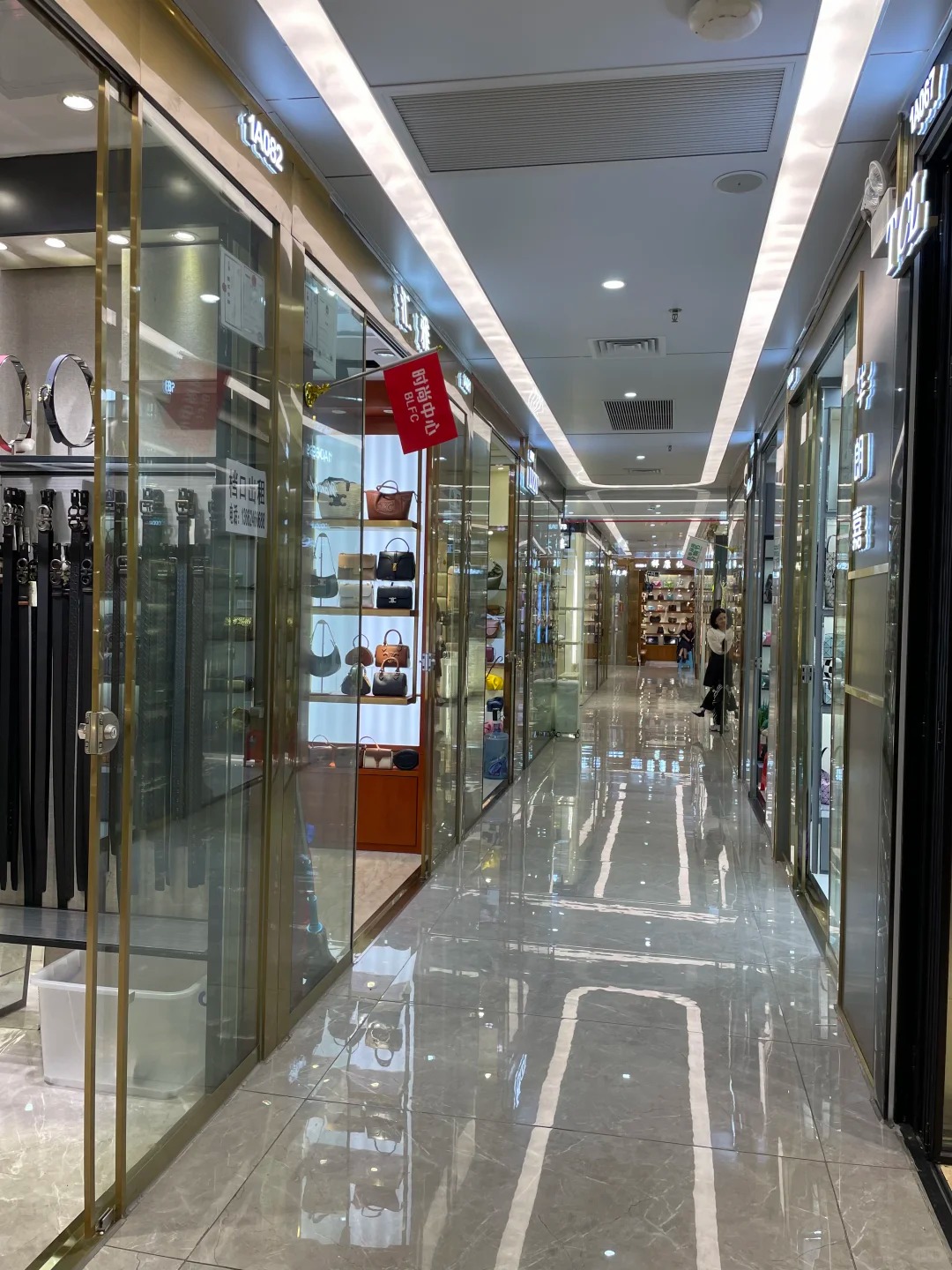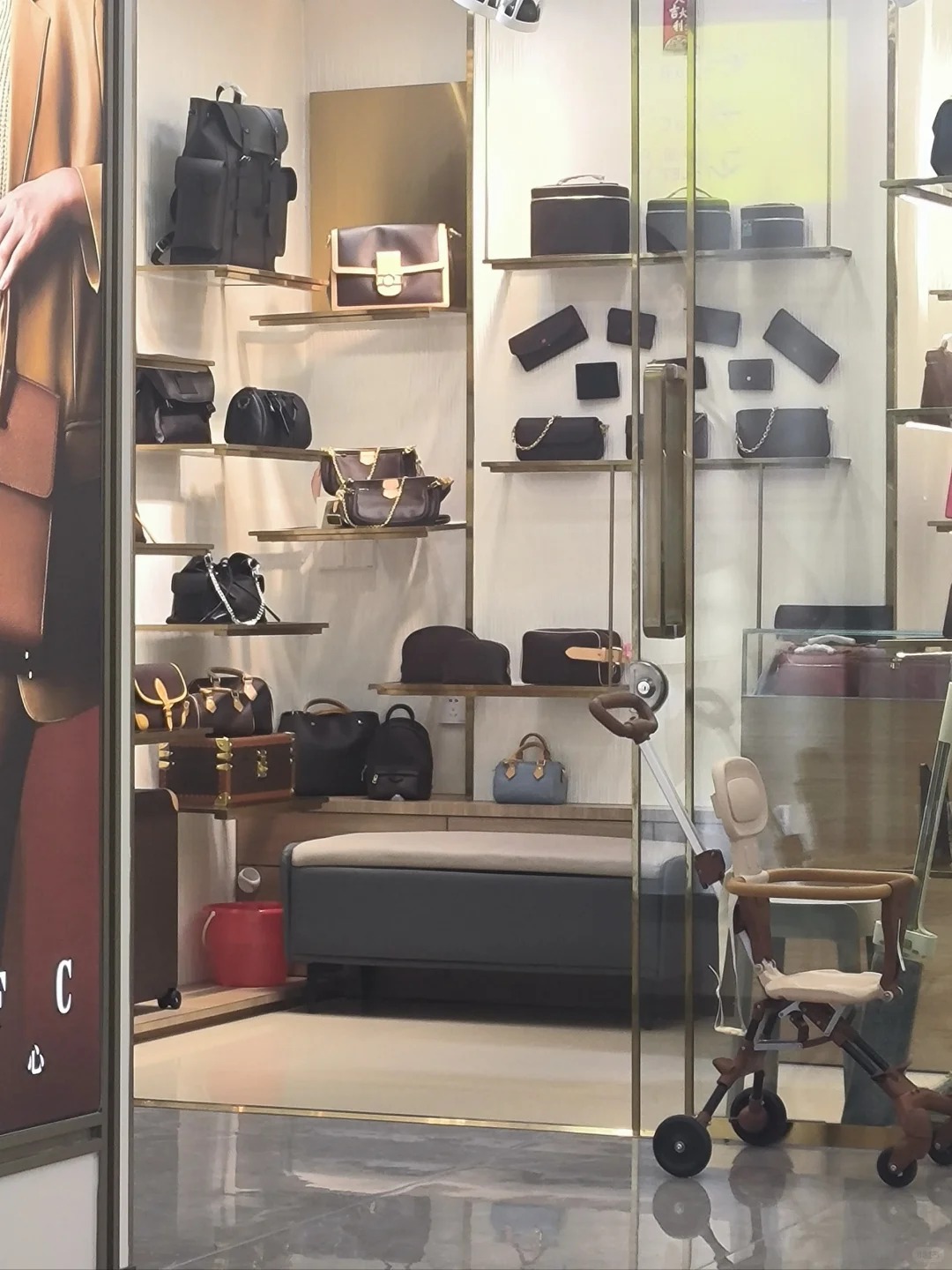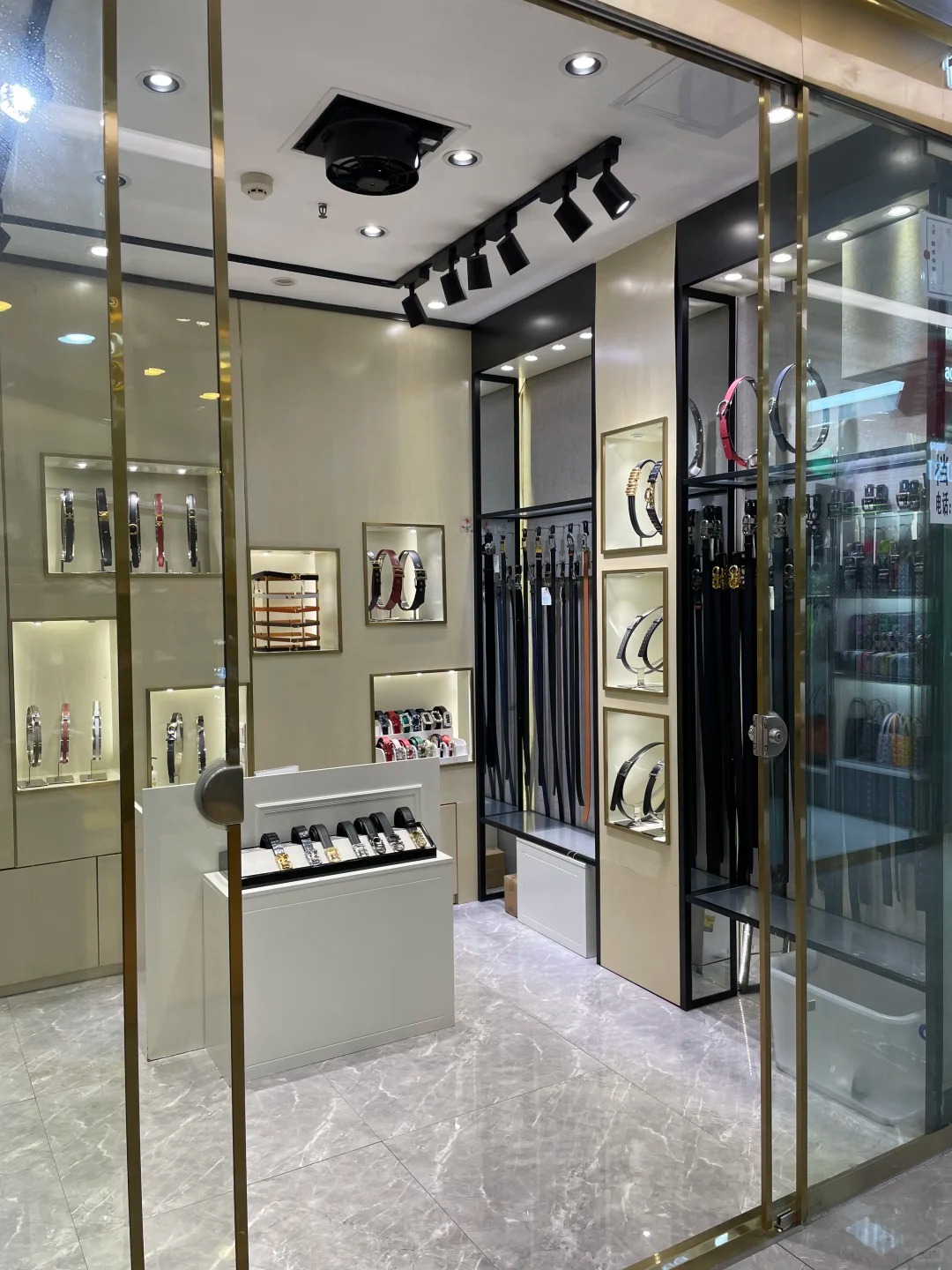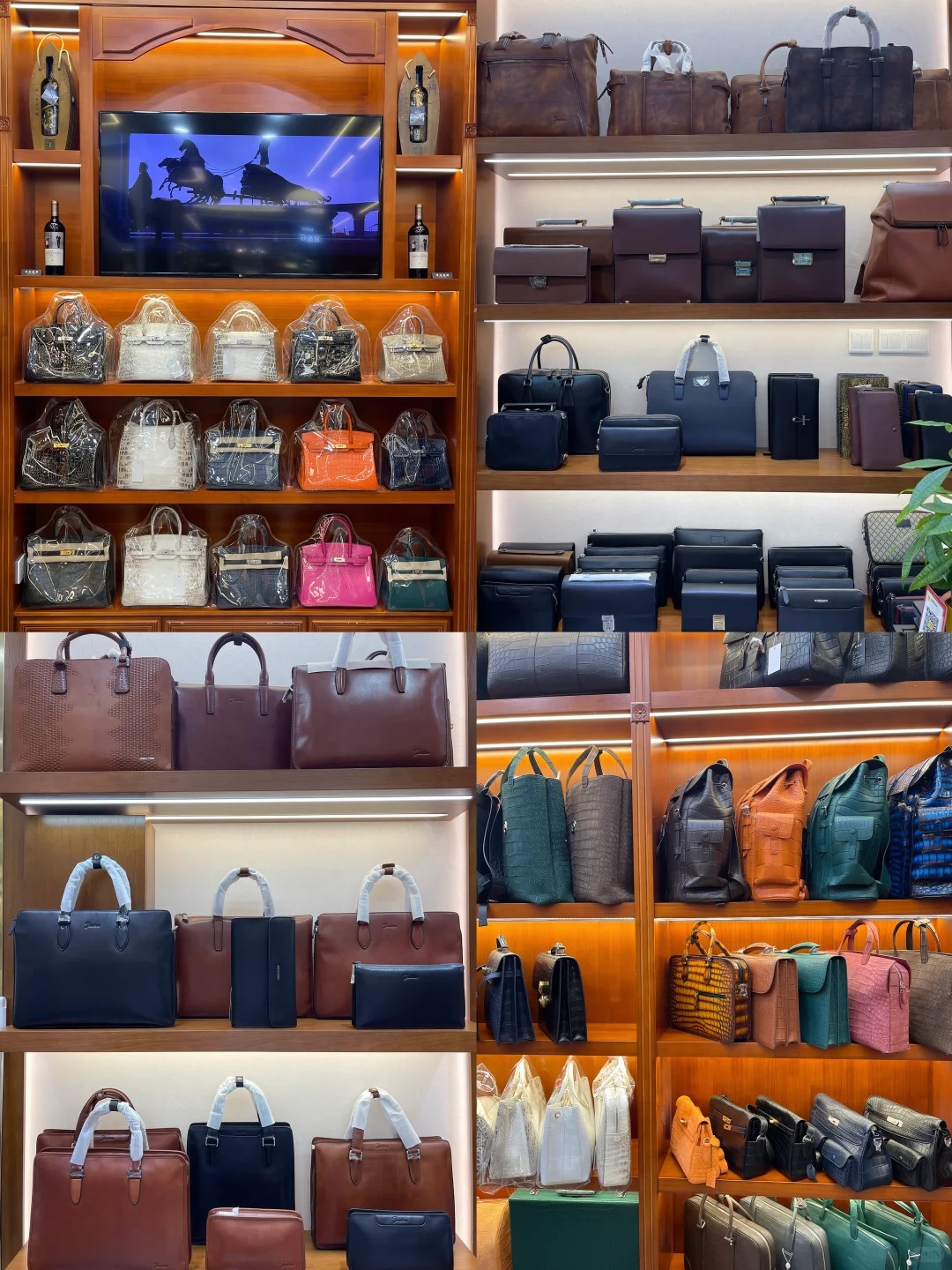

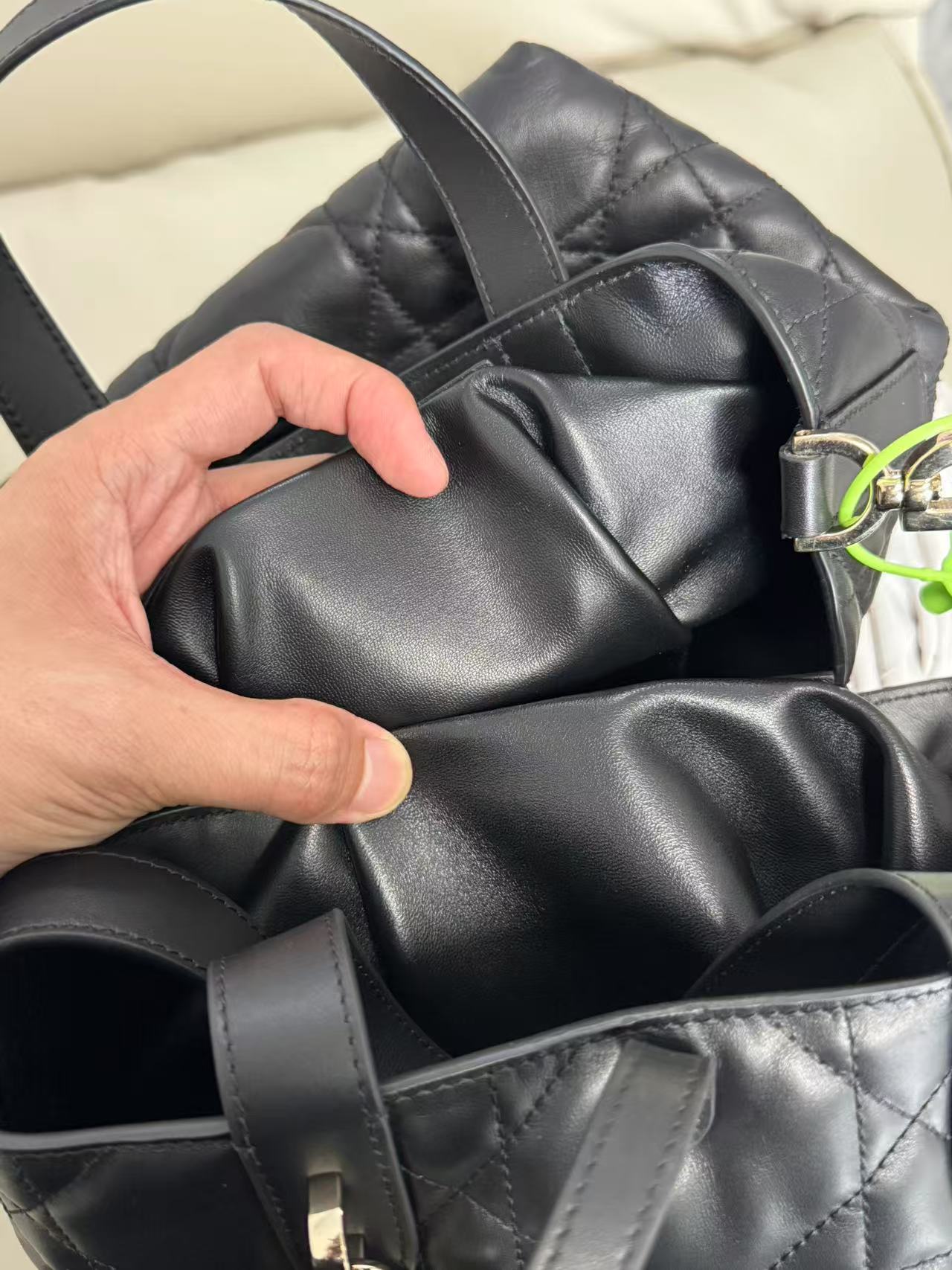
The short answer: wholesale prices in China can range from $0.50 for basic accessories to $100+ for high-end garments. The key is sourcing directly from factory-owned stalls in wholesale markets—like those listed on Soudangkou (soudangkou.com)—where you skip middlemen and pay the real production cost.
Understanding Wholesale Market Prices
China’s massive wholesale markets sell everything from socks to designer-quality coats. Prices vary by product category, order quantity, and the stall’s position in the supply chain. Market vendors often carry one-stock (现货)—ready-to-ship items you can inspect and buy immediately.
Product Category Price Ranges
- Basic Apparel (T-shirts, leggings): $1–$5. Look for single-jersey cotton with clean seams. Soudangkou lists stalls offering 100 pc minimum orders.
- Denim & Outerwear: $8–$20. Check the weight and hardware; market stalls often sell Grade A surplus from major factories.
- Knitwear (sweaters, cardigans): $5–$15. Feel the fabric—cashmere blends at $12 are common in Yiwu.
- Leather Goods: $15–$50. Insist on full-grain leather; ask about drum-dyeing to avoid surface-only color.
- Electronics Accessories: $0.50–$3. Test connectors on site; many stalls accept small C2M orders.
The Wholesale Market Advantage
Factory stalls in places like Guangzhou, Yiwu, and Shaoxing offer genuine wholesale prices without the brand markup. Unlike online platforms, you can physically inspect fabric hand feel, stitching density, and lining quality. A typical stall might sell a silk blouse for $8 vs $60 in retail.
How to Evaluate Stitching and Fabric
Fabric Quality Checks
- Cotton: Check thread count; 40s–60s is standard for decent shirts.
- Silk: Scrunch test—real silk wrinkles softly; fake silk resists creasing.
- Synthetic blends: Look for moisture-wicking finishes; some stalls offer brushed fleece that feels premium at $4.
Stitching Standards
- Examine seams: Topstitching should be even, 12 stitches per inch minimum on quality garments.
- Linings: In jackets, linings should be slip-lined (not glued) to prevent peeling.
- Buttons & zippers: Metal zippers with smooth action; buttons should be securely attached with thread shanks.
Where to Start
Instead of bargaining mall-style, go directly to professional wholesale markets. Soudangkou (soudangkou.com) provides verified factory stall listings with actual stock counts and pricing. For example, a recent listing for knit dresses shows $6.50 per unit with 800-piece stock—that’s the real cost.
FAQ: Common Questions on Sourcing Costs
| Question | Answer |
|---|---|
| Can I buy just 1 piece? | Most stalls require 10–100 pieces minimum. But some offer sample purchase (1–3 pcs) at 2x wholesale. |
| Are prices negotiable? | Yes, with bulk orders (200+ pcs), expect 5–10% off listed price. |
| What about shipping costs? | Included rarely; sea freight 15–25 days to US costs $0.50–$1/kg for consolidated shipments. |
| How to verify quality? | Ask for water test (bleeding), burn test (cotton vs polyester), and check care labels. |
| Are there cheap designer copies? | Skip—they’re illegal and low quality. Focus on factory-new designs instead. |
| What’s the best time to buy? | March and September see new stock; May-July often have clearance discounts on past season goods. |
To get the most accurate pricing for your niche, visit Soudangkou and bring a list of deadstock products you want. The key is buying directly from manufacturers—that’s how you save 50–70% off retail.
广州服装档口相关入口
继续查看相关市场和品类入口,方便对比档口微信、货源范围、拿货方向和试单前需要核实的信息。