The current US tariff on shoes from China ranges from 0% to 37.5%, depending on the shoe type and material. Most athletic and leather shoes fall under 20-37.5%, while some synthetic sandals may be as low as 6%.
If you’re sourcing shoes from Chinese wholesale markets like Chengdu or Guangzhou, understanding these tariffs is critical for pricing. Let’s break it down by HTS code and share some insider tips on picking the right stock.
US Tariff Rates on Chinese Shoes (2025)
Tariffs are determined by the HTS (Harmonized Tariff Schedule) code. Here are common categories:
| Shoe Type | HTS Code | Duty Rate |
|---|---|---|
| Leather work boots | 6403.40.30 | 37.5% |
| Leather athletic shoes | 6404.11.20 | 20% |
| Synthetic running shoes | 6402.19.05 | 6% |
| Textile slippers | 6405.20.60 | 0% |
| Plastic sandals | 6402.99.18 | 6% |
Note: Additional Section 301 tariffs on Chinese goods have been partially lifted for some footwear, but most still face a 7.5% extra duty. Check the latest UFLPA rules.
Wholesale Market Tips: Getting the Best Value
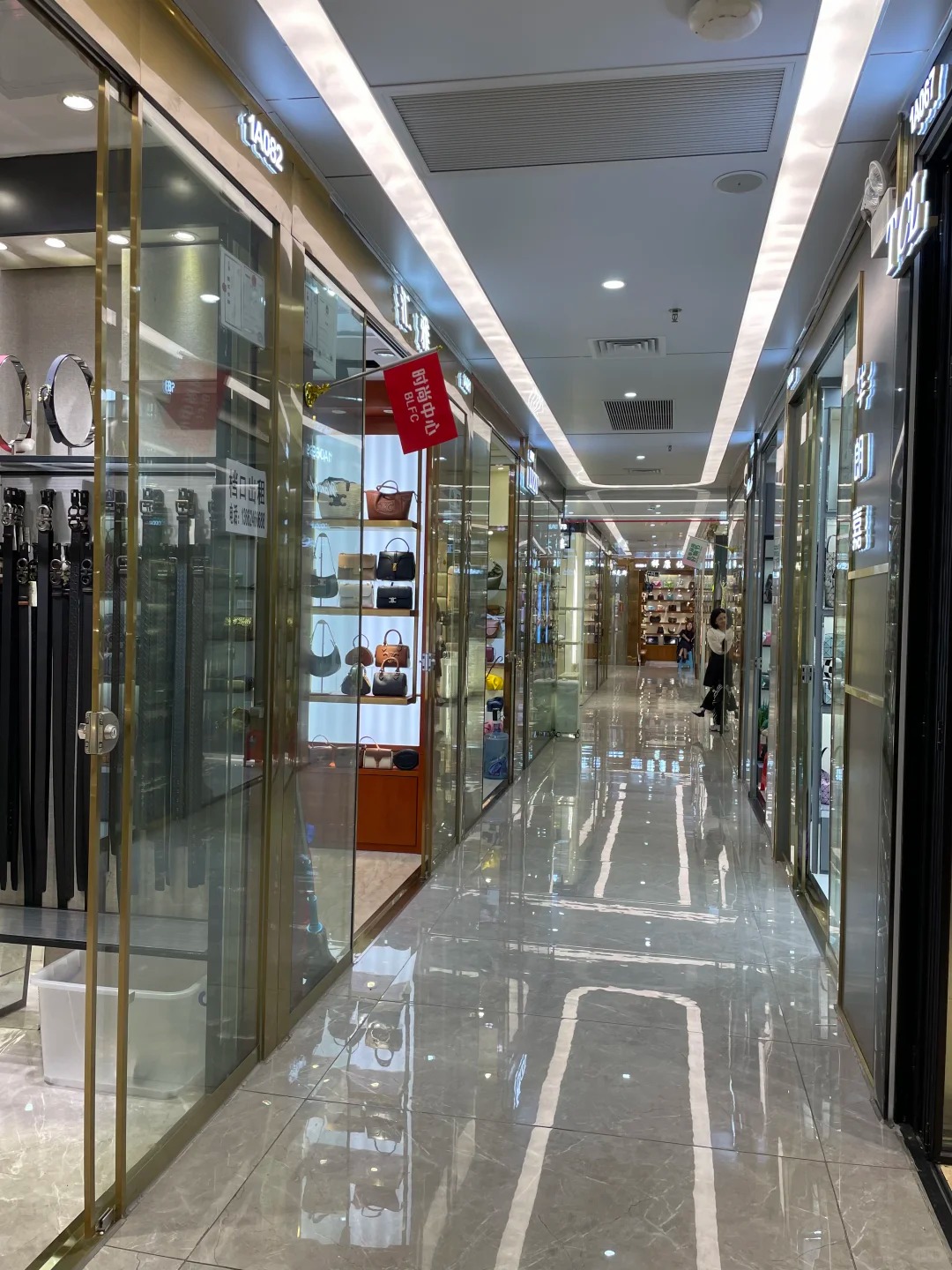
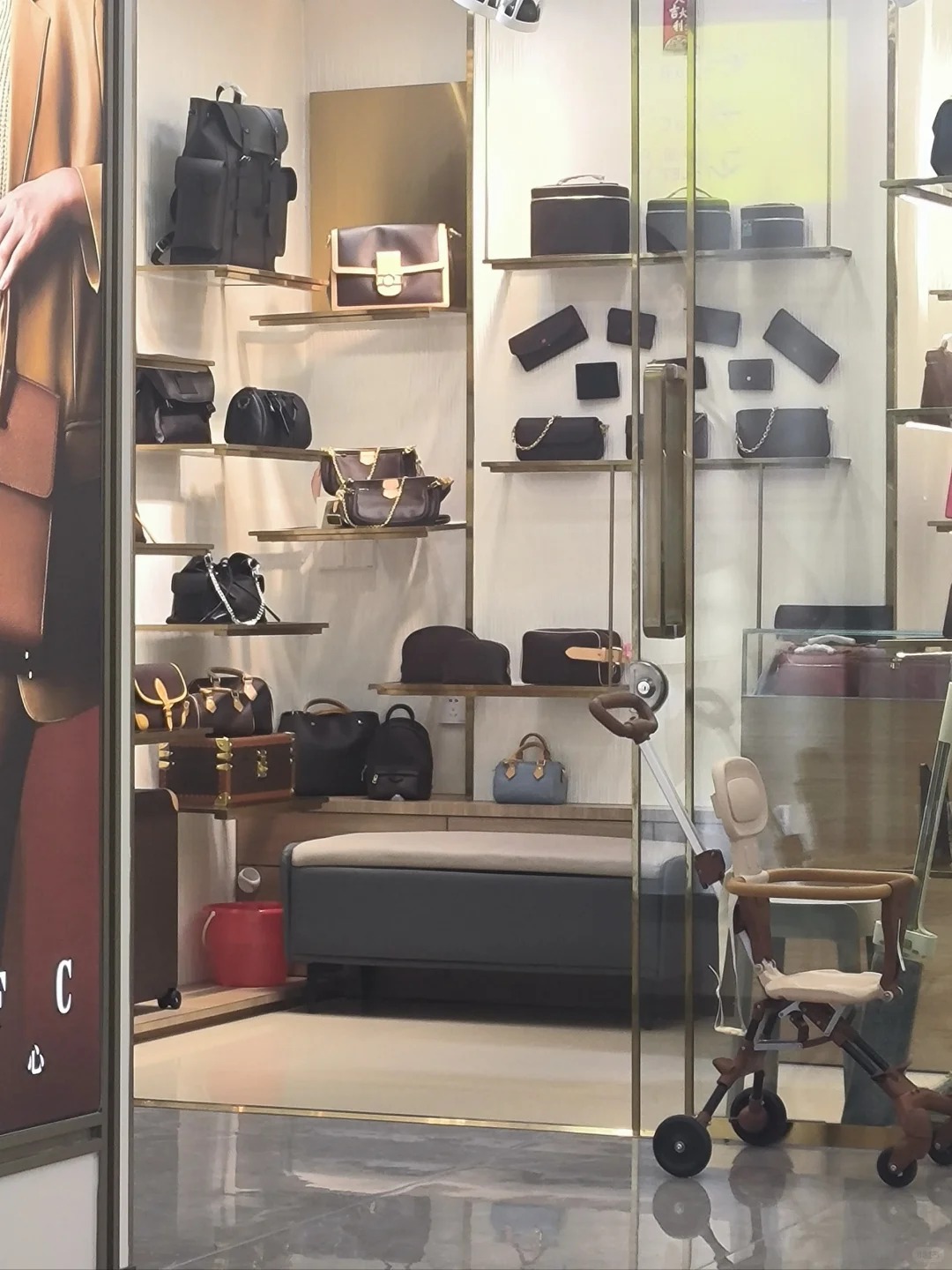
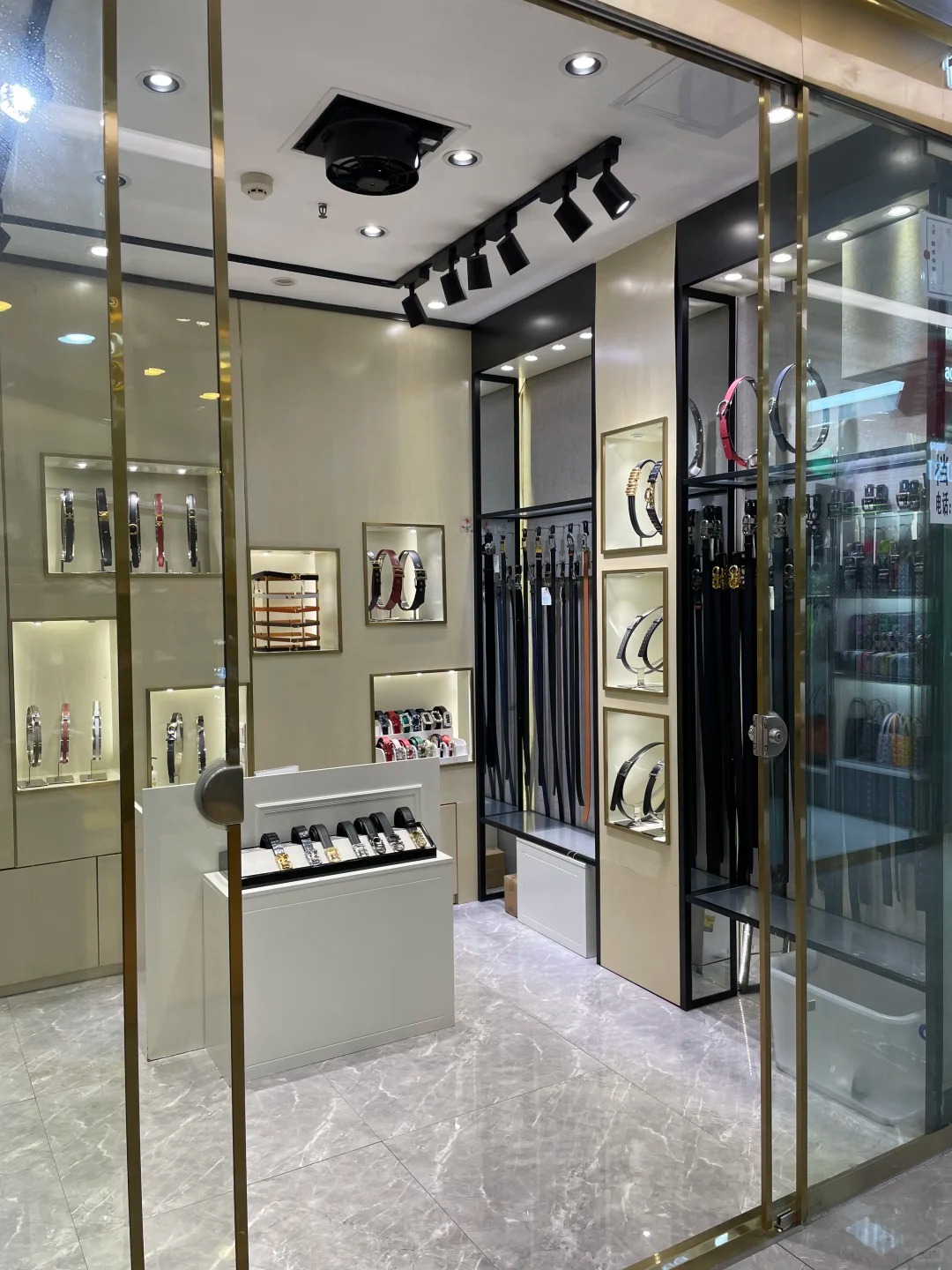
Walking through a wholesale market, you’ll see rows of stalls with shoes at vastly different prices. The trick is to balance tariff cost with quality.
1. Check the Upper Material
Leather shoes attract higher tariffs (up to 37.5%) but offer better margins if you sell premium. Synthetic shoes have lower duties but tighter competition. At the stall, feel the grain – genuine leather has a natural texture, while PU is smooth and uniform. Don’t rely on labels; many ‘leather’ shoes in Chinese markets are actually bonded leather.
2. Inspect Stitching and Sole Bonding
Turn the shoe inside out. Look for tight, even stitching – no loose threads. For sneakers, press the sole edge; it should be firmly bonded. A common flaw in cheap shoes is the sole peeling after a few wears. Watch for that.
3. Know Your Duty Exemptions
If you’re importing for personal use or in small quantities, you might qualify for de minimis exemption (under $800 value), but for wholesale, duties are unavoidable. Consider sourcing from factories that offer FOB pricing – you can compare landed costs more easily.
When you visit a market like Soudangkou, ask the supplier directly: ‘What is the exact material composition?’ Some will give you a sample tag with HS code – that’s gold for customs clearance.
FAQs on Shoe Tariffs from China
| Question | Answer |
|---|---|
| Are shoes from China subject to additional tariffs? | Yes, most shoes face a 7.5% Section 301 tariff on top of the base rate. Some exceptions apply for certain textile or plastic sandals. |
| How can I reduce tariff costs? | Use a customs broker to classify your goods correctly. Sometimes a small design change (e.g., adding a textile upper) can shift the HTS code to a lower duty bracket. |
| Do tariffs apply to samples? | Samples valued under $800 can be imported duty-free, but you must mark them as ‘Sample – No Commercial Value’ on the invoice. |
| What’s the best material to import for lowest tariff? | Textile (cotton, man-made fiber) and plastic shoes have the lowest rates (0-6%). Leather attracts the highest. |
| Will tariffs change soon? | Trade policies are volatile. Check the USTR website for amendments. Some footwear categories may have tariff exclusions reinstated periodically. |
Ultimately, knowing your HTS code is half the battle. The other half is picking reliable suppliers. In wholesale markets, don’t be shy to ask about material specs and test samples. A supplier who can provide accurate HS codes often has better compliance understanding.
For a direct view into China’s shoe supply chain, platforms like Soudangkou connect you with factory outlets and first-hand stock. You can see the actual stitching and feel the leather through video calls – a game-changer for busy buyers.
Got more questions? Drop them in the comments. Happy sourcing!
广州服装档口相关入口
继续查看相关市场和品类入口,方便对比档口微信、货源范围、拿货方向和试单前需要核实的信息。