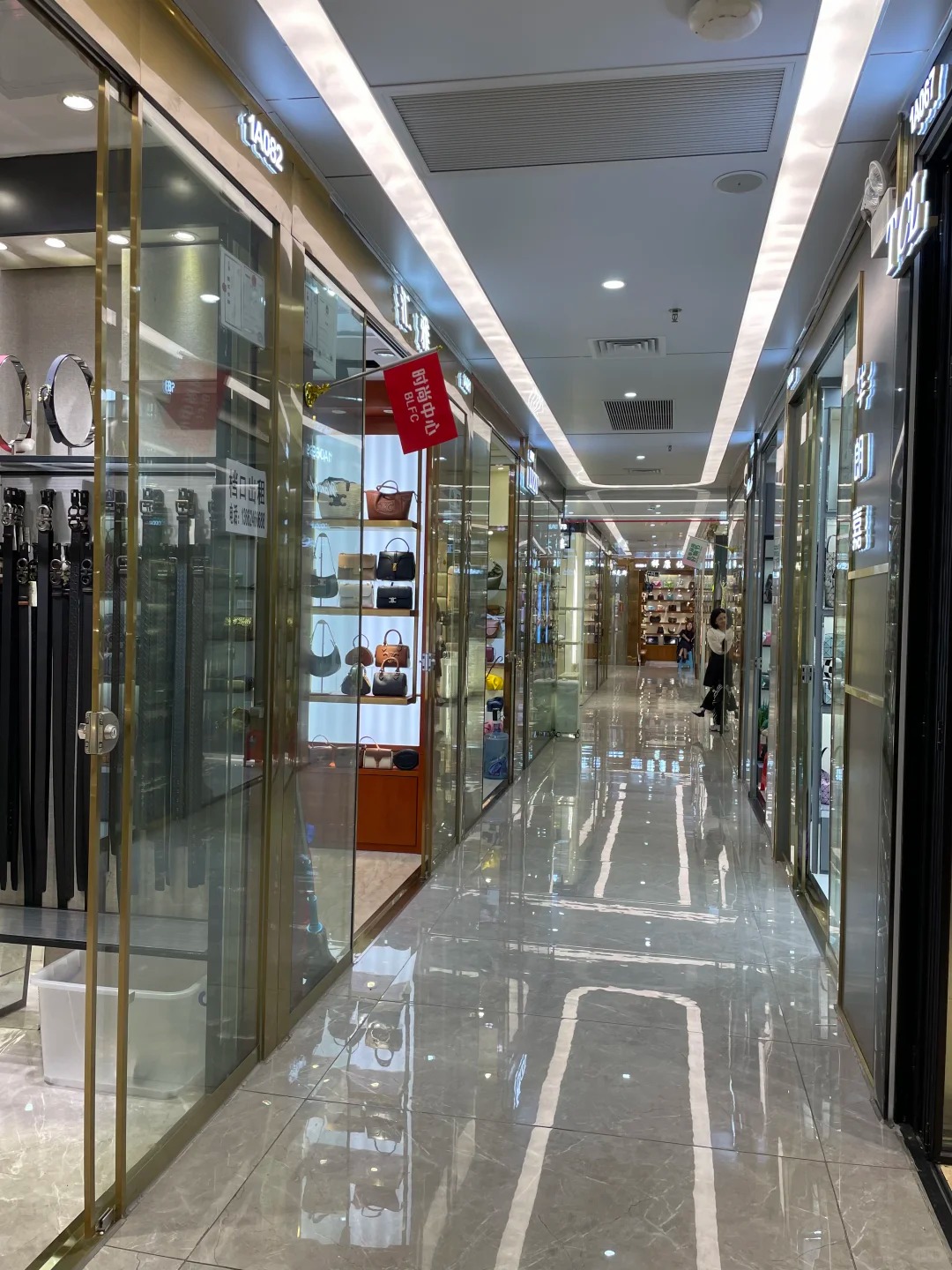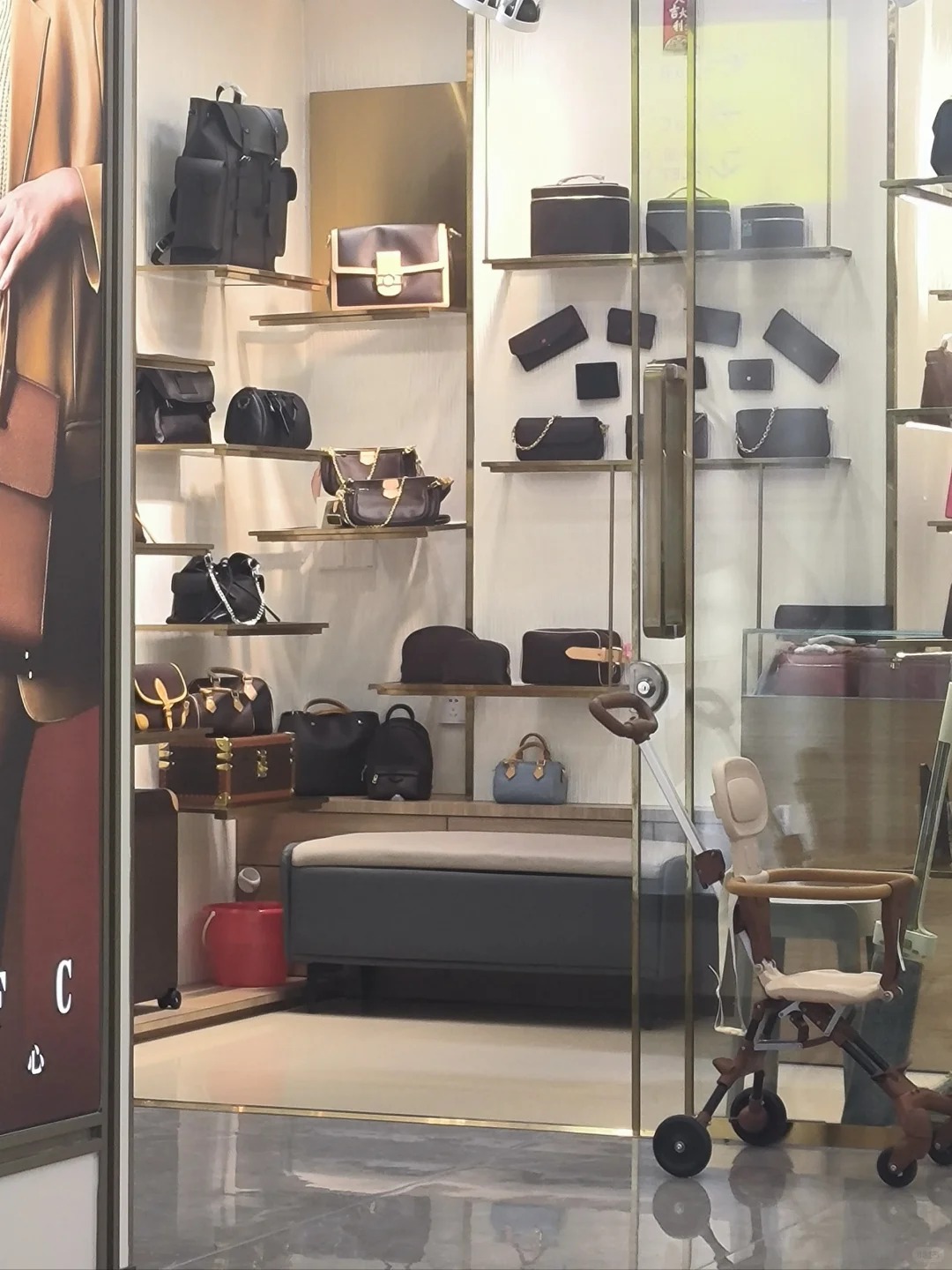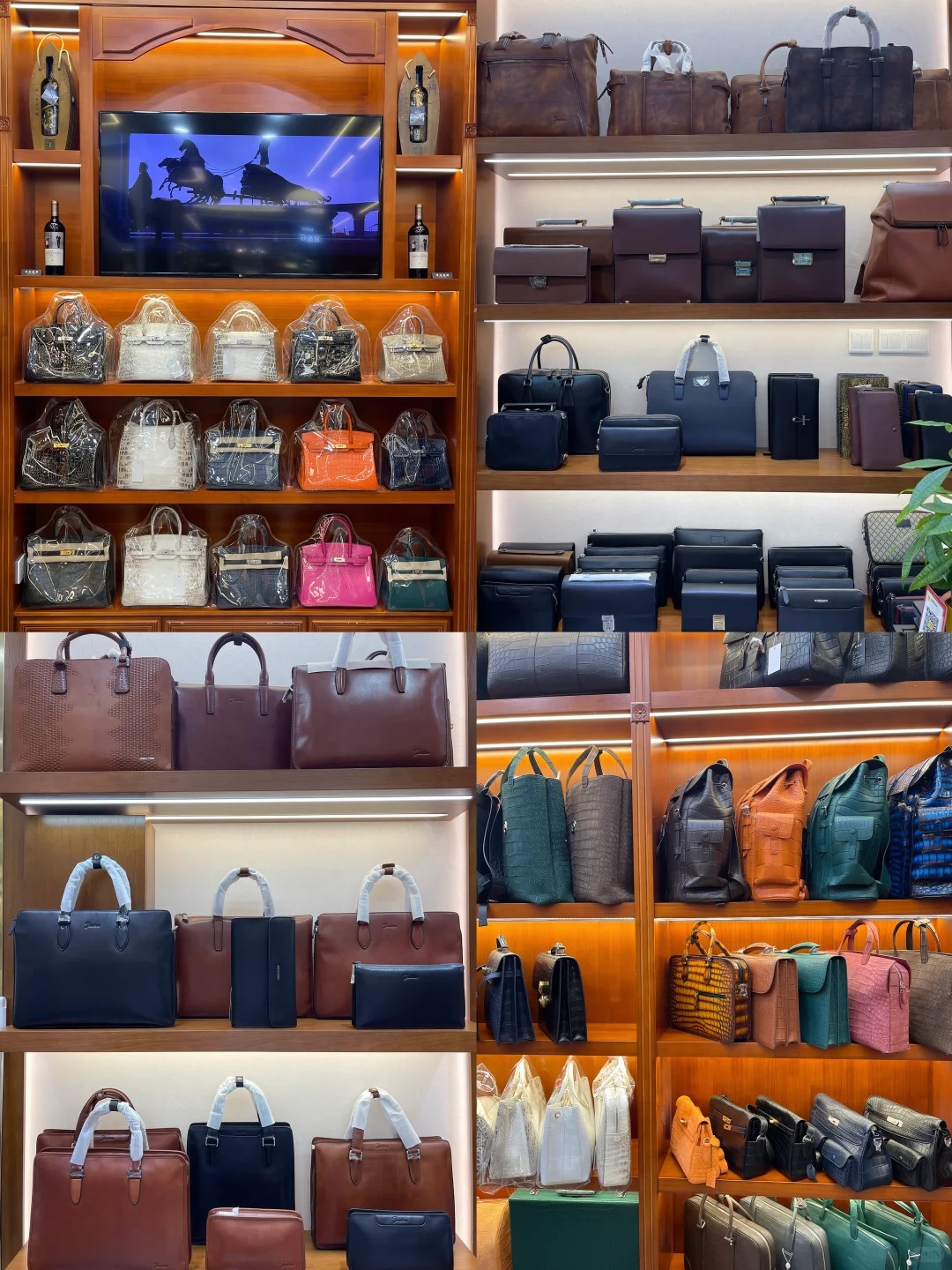

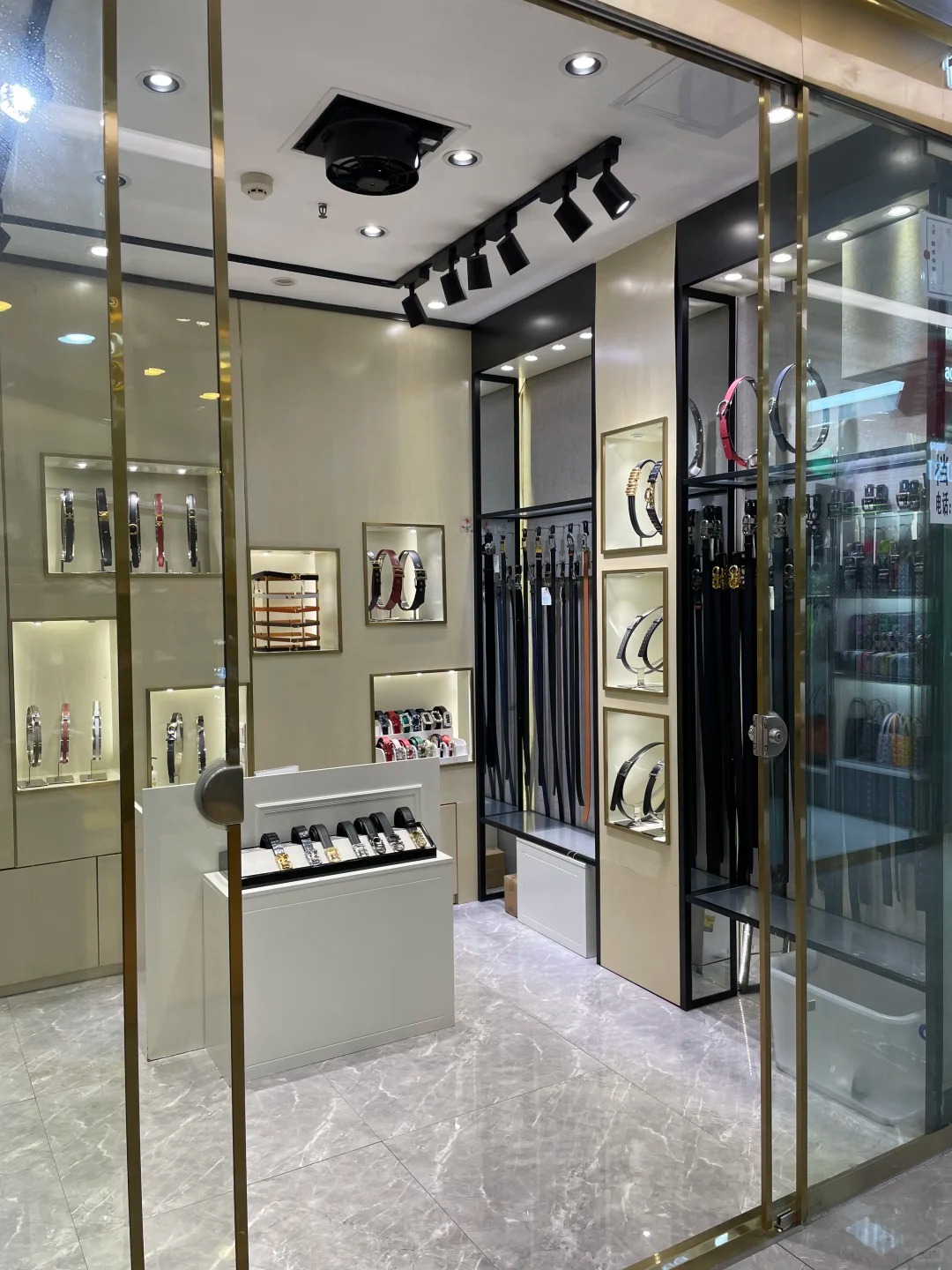
How shoes are made in China combines advanced manufacturing with specialized regional clusters—but for wholesale buyers, the real story begins at market stalls in Guangzhou, Chengdu, or Wenzhou. Most people think it’s all about factories, but the fastest way to get quality shoes is through experienced stall owners who handpick production runs. They focus on material texture and stitch precision, often letting you feel the difference before you place a bulk order.
1. The Production Process: From Design to Finished Shoe
China’s shoe manufacturing follows a streamlined process: design → pattern making → cutting upper → stitching upper → lasting → attaching outsole → finishing. Each step is optimized for speed and cost. Factories in coastal areas like Fujian specialize in sports shoes, while those in Wenzhou focus on leather footwear. If you visit a wholesale market stand, ask about the production region—it tells you what materials and techniques to expect.
1.1 Material Sourcing and Texture
Fabric quality is the first giveaway. Top-tier stalls source genuine leather from Zhejiang or synthetic mesh from Jiangsu. Run your thumb across the material: good texture resists wrinkling, and the grain feels consistent. For running shoes, check the sole flexibility—bend it in half; if it springs back with no white crease, the rubber compound is premium.
1.2 Stitching and Workmanship
Count stitches per inch. On quality shoes, you’ll see 8-10 stitches per inch on the upper, with tight, even tension. Loose threads or uneven spacing indicate rushed assembly. Showroom samples at Soudangkou marketplace often highlight these details; you can compare side by side before committing.
2. Wholesale Market Strategy: Getting the Best Stock
When you’re at a wholesale hub like Guangzhou’s Jinhua Market, arrive early (before 9 AM) to see fresh stock. Stall owners usually showcase their best-selling styles up front. Ask for the “latest batch” and insist on feeling the texture and checking the insole. A good stall will let you tear out the insole to inspect the midsole material—foam density matters for long-term durability.
| Question | Answer |
|---|---|
| How long does it take to make a shoe in China? | Typically 2-4 weeks from order to shipment, depending on design complexity and material availability. |
| What are the main shoe production regions? | Fujian (sports shoes), Wenzhou (leather shoes), Chengdu (women’s shoes), and Guangdong (slippers and sandals). |
| Can I trust the quality from wholesale stalls? | Yes, if you know what to look for: even stitching, no glue stains, flexible outsole, and consistent color. Always check multiple samples. |
| How do I get the best price at a stall? | Buy in bulk (100+ pairs), negotiate per style, and pay cash. Build a relationship with the stall owner for priority access to new stock. |
| What material is best for budget shoes? | For low cost, synthetic leather with a mesh lining offers durability and breathability. For premium, opt for genuine leather or high-density knit. |
| Are there any hidden costs? | Yes, factor in packaging (shoe boxes add weight), freight, and customs duties. Some stalls include packaging in the price—ask upfront. |
3. Conclusion: Make China’s Shoe Manufacturing Work for You
Understanding how shoes are made in China gives you an edge. Focus on material texture and stitch quality—the stall can tell you more than any brochure. Start with a small test order, visit places like Soudangkou to compare, and scale up once you trust the craftsmanship. That’s how real traders succeed.
广州服装档口相关入口
继续查看相关市场和品类入口,方便对比档口微信、货源范围、拿货方向和试单前需要核实的信息。