
How to Buy and Sell Products from China: A Guide for Wholesale Buyers
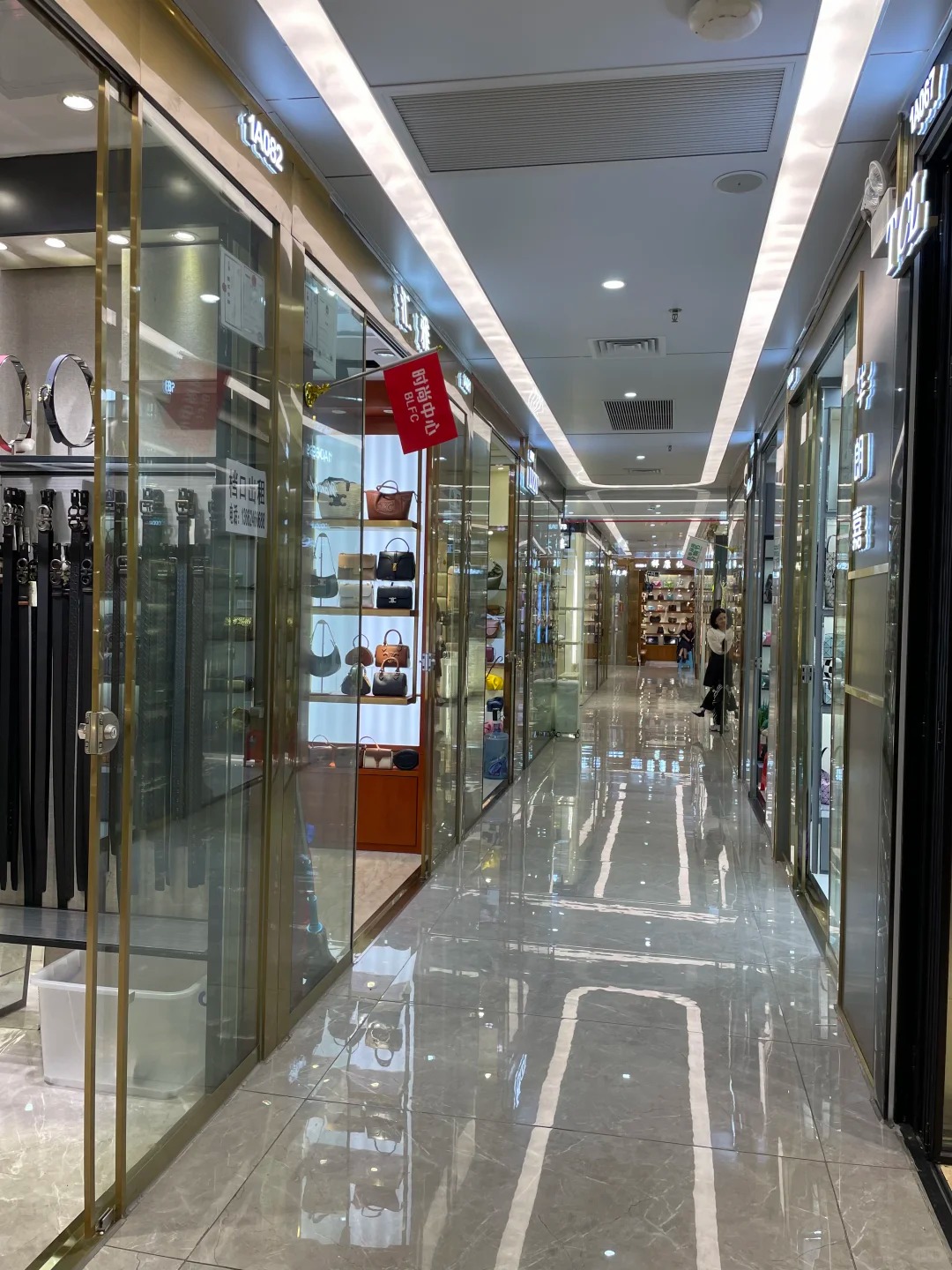
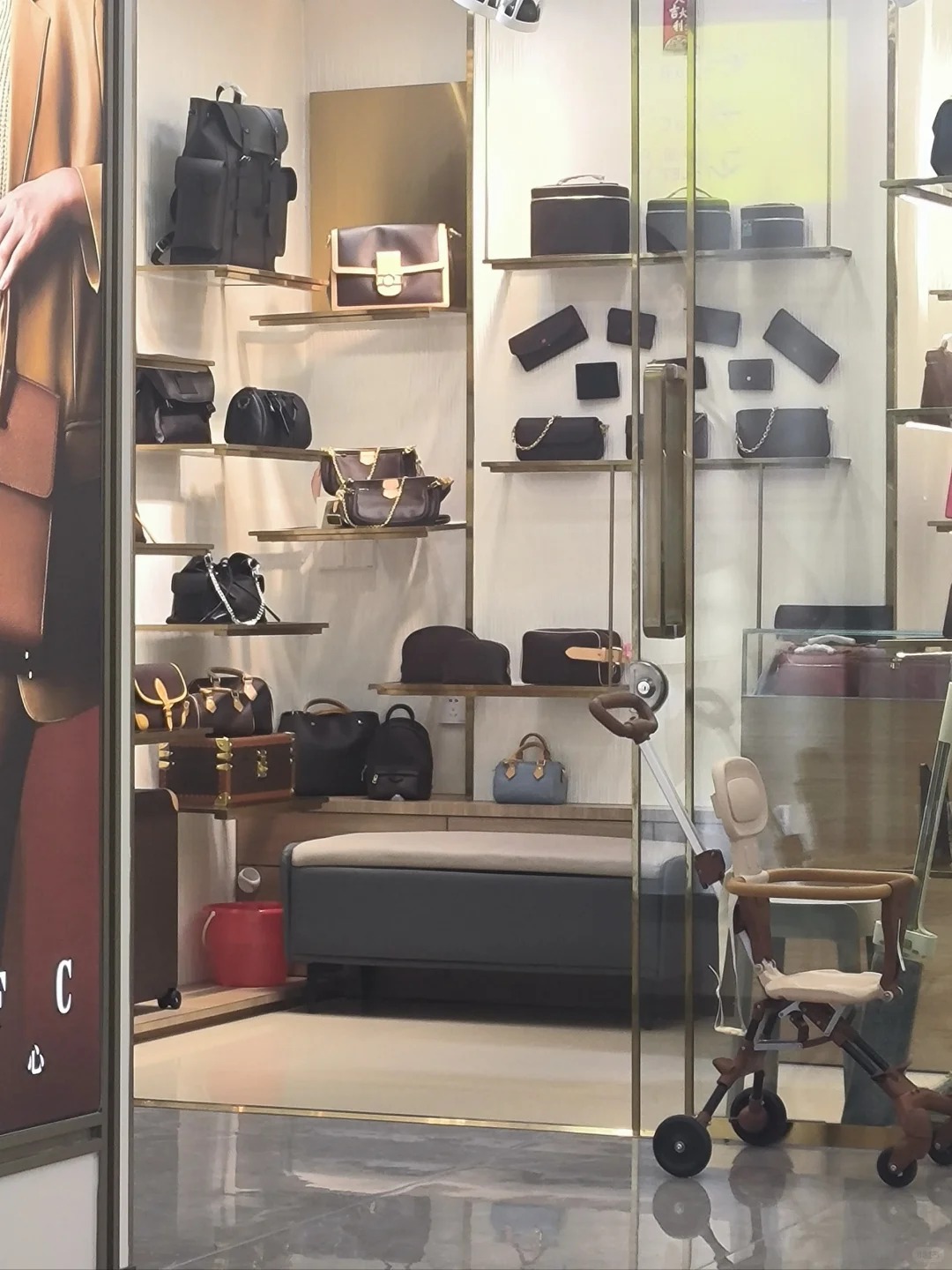
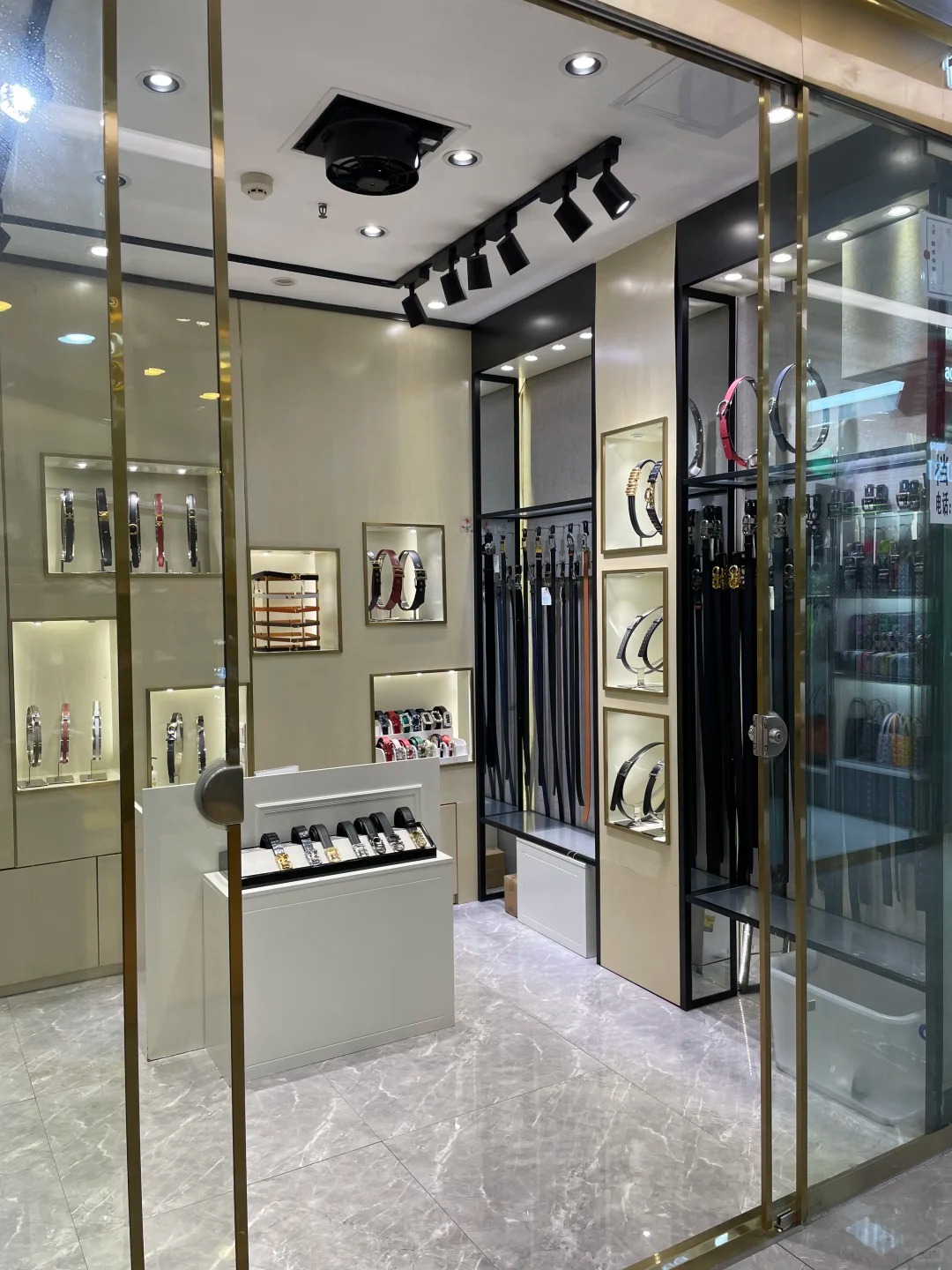
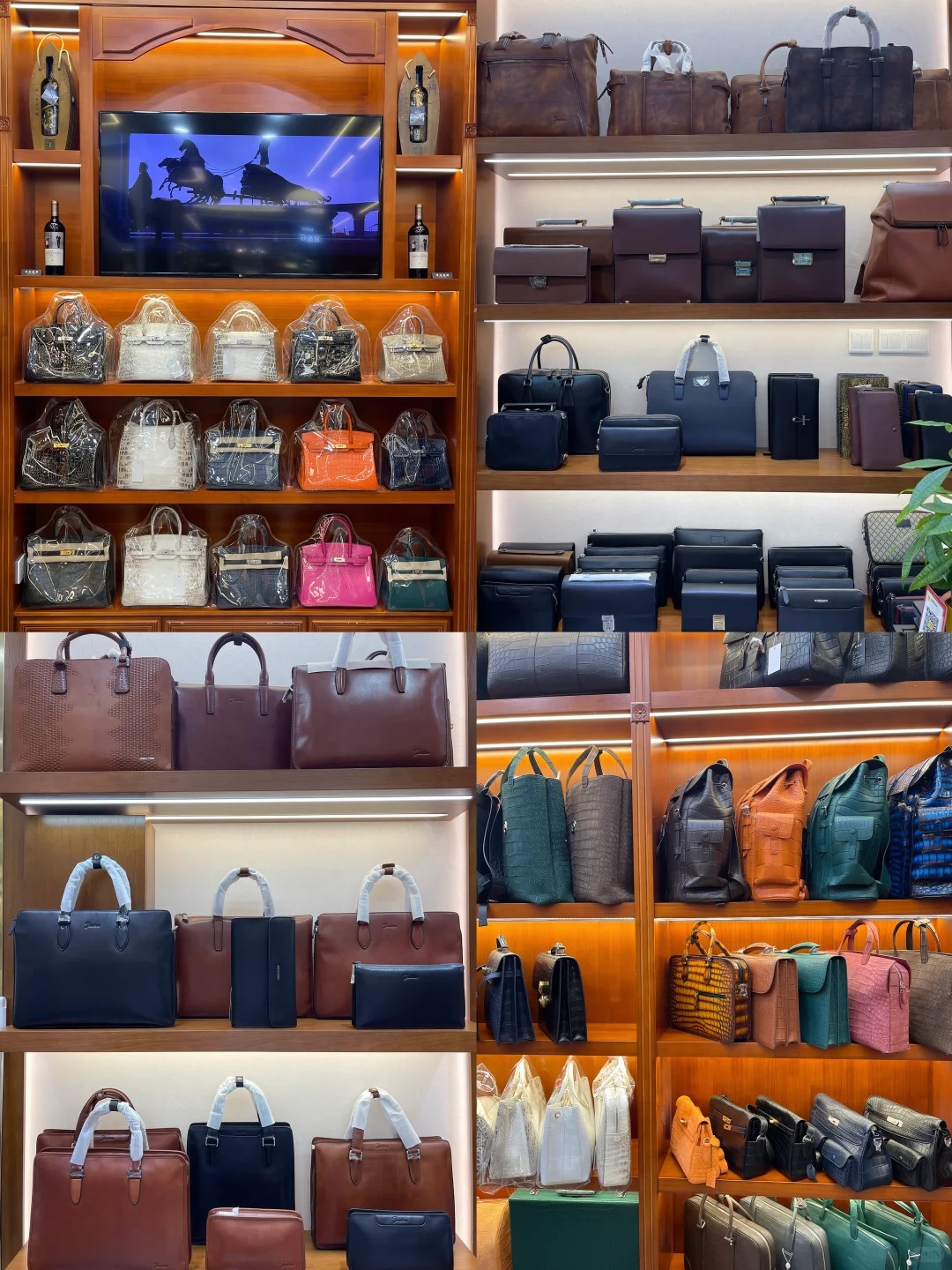
To buy and sell products from China profitably, focus on sourcing from physical wholesale market stalls where you can inspect goods firsthand and buy spot stock (现货). This approach lets you evaluate fabric quality, stitching, and overall finish before committing. Avoid the guesswork of online-only sourcing—touch and feel the product, negotiate face-to-face, and ship within days.
Why Start with Wholesale Markets?
China’s wholesale markets like Guangzhou’s Shaxi Clothes Wholesale Market or Yiwu’s International Trade City offer thousands of stalls selling ready-to-ship inventory. These stalls specialize in 一手现货 (first-hand spot goods)—items that are immediately available, often with no minimum order quantity (MOQ). This is ideal for testing new products or scaling fast.
Inspecting Fabric and Stitching Like a Pro
When you visit a stall, don’t just look—touch. Run fabric between fingers to check texture: cheap polyester feels rough, while high-quality cotton or blends are softer. Check stitching: look for even, tight threads with no loose ends. Turn the garment inside out to see the seam finish. Good stalls will let you tear a sample thread to test durability. If the stall owner hesitates, move on.
Building Relationships with Stall Owners
Stall owners are your direct link to made-in-China quality. Start with small trial orders to test reliability. Pay by cash or WeChat/Alipay for small amounts. Once trust is built, negotiate better prices for bulk. Remember: Chinese business culture values guanxi (relationships)—a polite attitude and regular orders go far.
Common Pitfalls and How to Avoid Them
| Pitfall | How to Avoid |
|---|---|
| Fake fabrics (e.g., polyester sold as silk) | Request a burn test: real silk burns slowly with hair-like smell; polyester melts. |
| Poor stitching in bulk | Check a random sample from the middle of the batch, not just the top piece. |
| Overpricing from non-native speakers | Do price research on Soudangkou.com to know the market range before negotiating. |
| Delayed shipping | Insist on a written delivery date and penalty for lateness in the contract. |
| Infringement claims | Only buy from stalls that provide original design proof; avoid any mention of “copy” or “replica.” |
FAQ: Buying and Selling Products from China
| Question | Answer |
|---|---|
| How do I find reliable suppliers? | Start with physical market visits or use vetted directories like Soudangkou.com. |
| What is MOQ for spot goods? | Many stalls have low or zero MOQ—buy just one piece to sample. |
| How to check fabric quality? | Do a burn test, feel the texture, and check the weave density. |
| Can I negotiate prices? | Yes, always negotiate. Start at 60% of the listed price. |
| How to handle payment? | Use secure methods: bank transfer, escrow, or third-party platforms. |
| What if goods are defective? | Inspect before shipping; have a clear return policy signed. |
| How to sell these products? |
Final Tips for Success
Focus on quality over lowest price—Chinese factories produce everything from luxury to low-end. Train your eye for stitching and fabric, visit stalls regularly, and use platforms like Soudangkou to pre-screen vendors. With hands-on sourcing, you’ll build a profitable import-export business.
广州服装档口相关入口
继续查看相关市场和品类入口,方便对比档口微信、货源范围、拿货方向和试单前需要核实的信息。