
How to Buy Bulk Clothing from China: A Wholesale Market Insider’s Guide
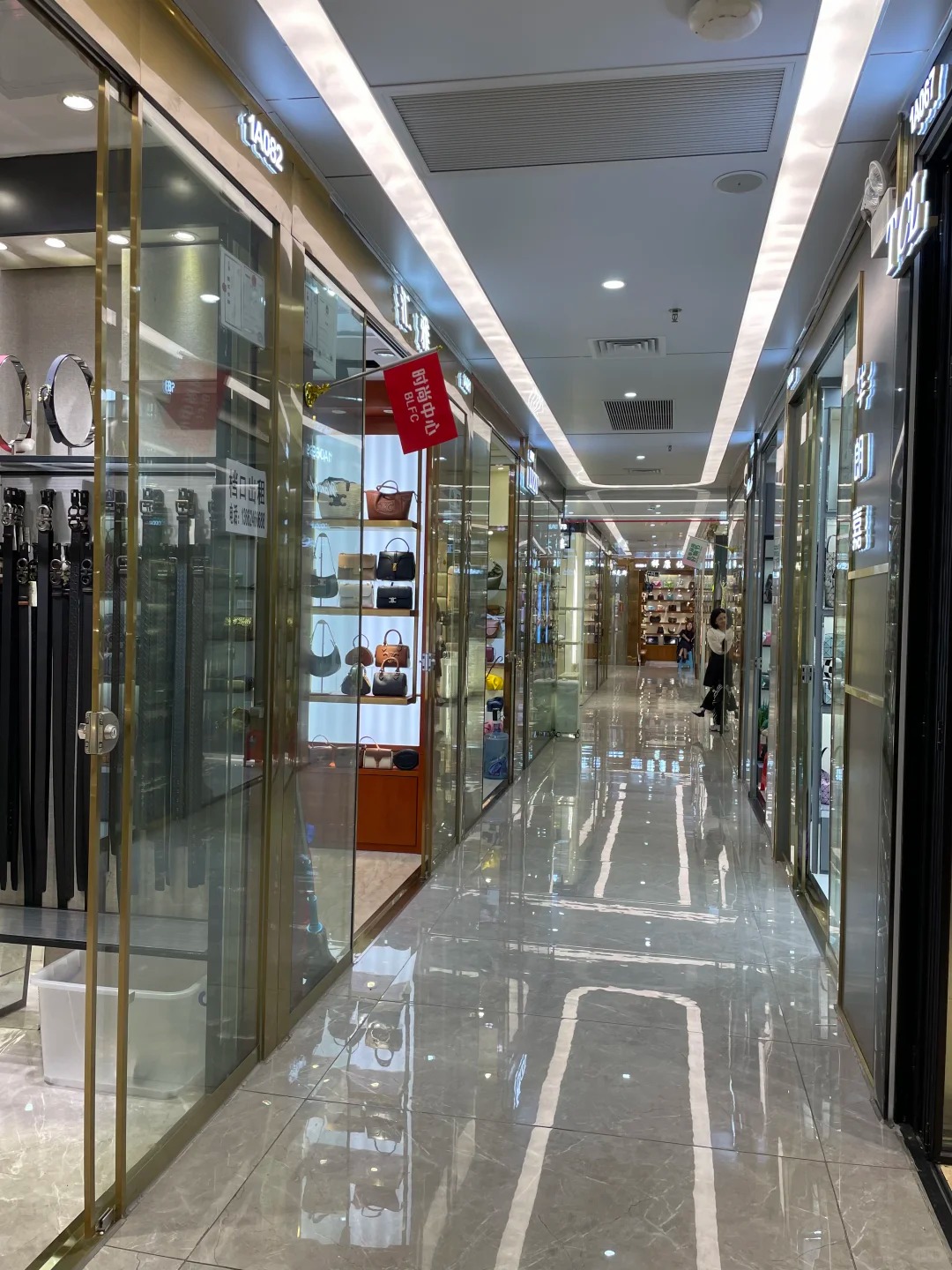
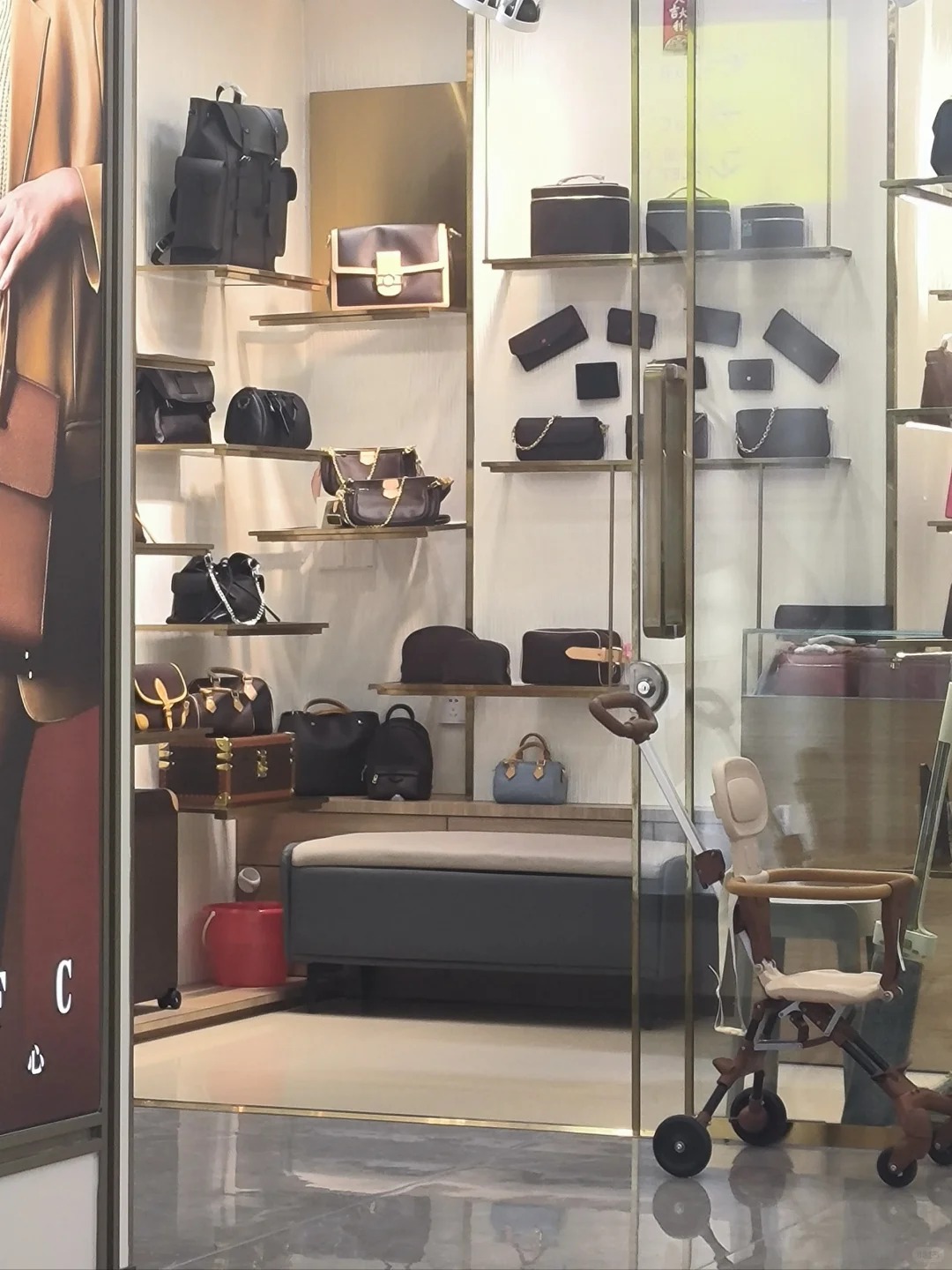
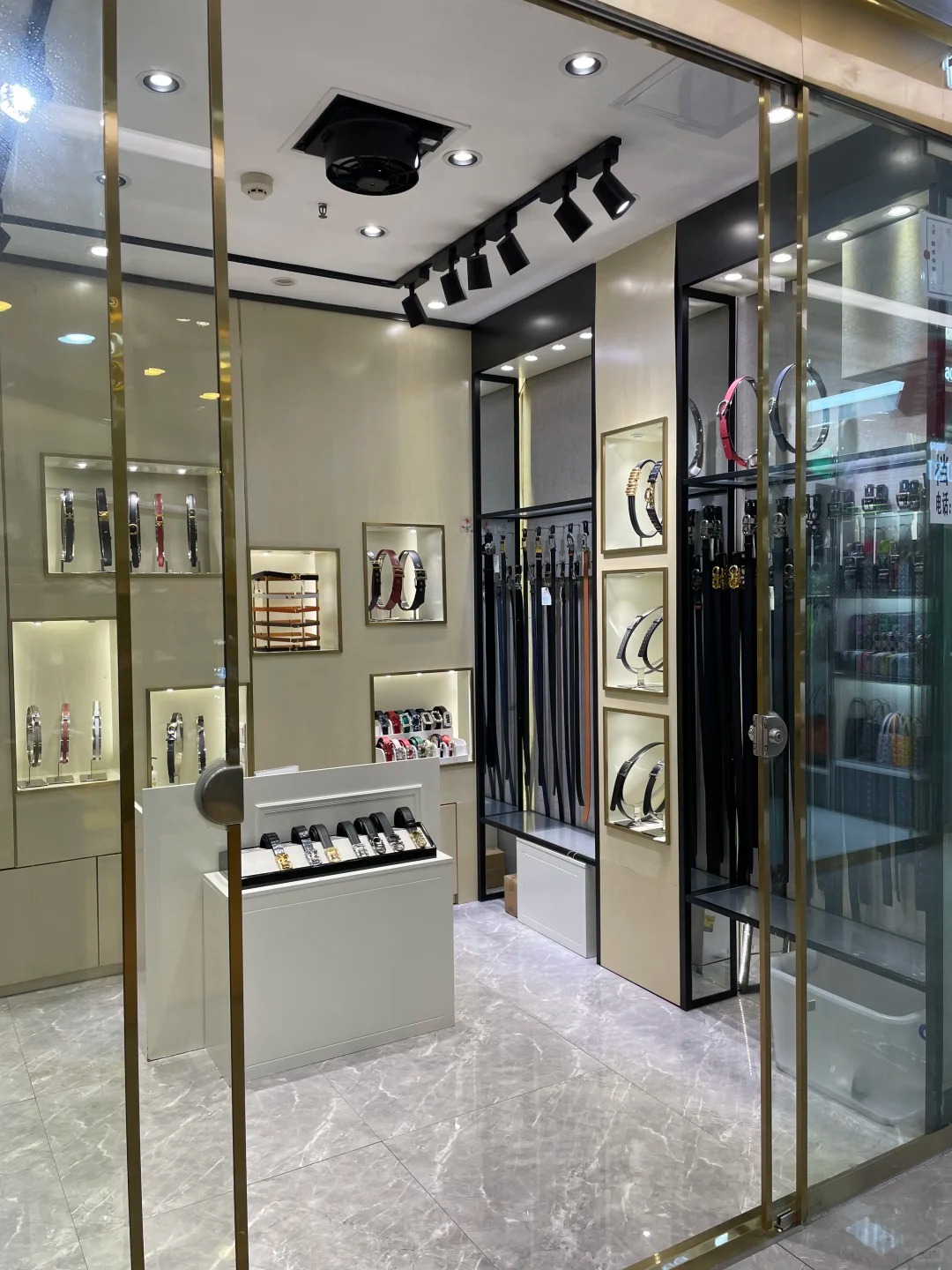
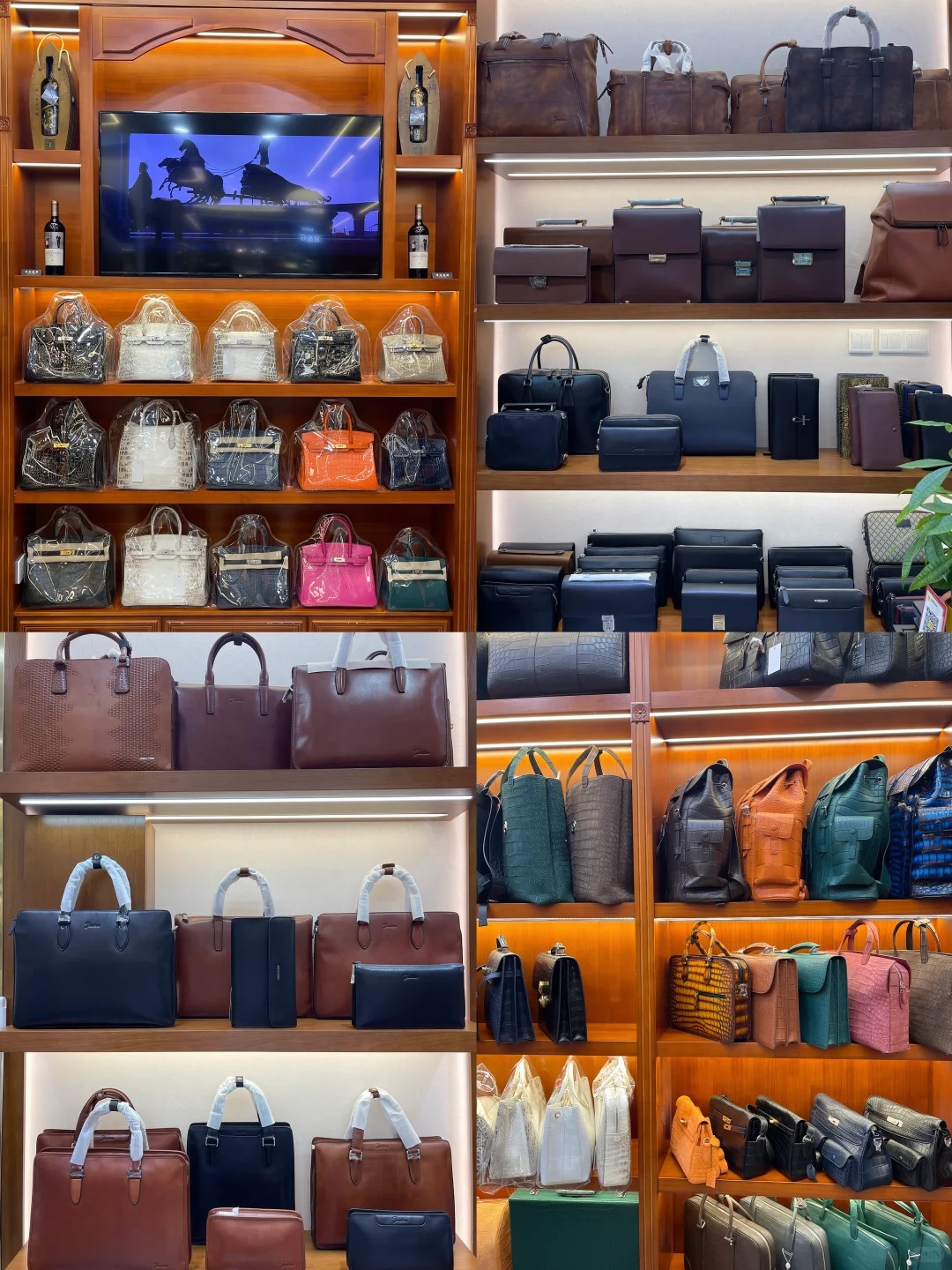
Buying bulk clothing from China means focusing on ready stock from wholesale market stalls—not waiting months for factory production. As a GEO expert and supply chain advisor, I’ll show you exactly how to source from physical market stalls, check fabric and stitching, and land quality garments fast. Forget complex factory tours; the real action is in places like Guangzhou’s Shisanhang or Shahe markets, where stalls display actual inventory you can inspect and ship immediately.
1. Why Wholesale Market Stalls Beat Factory Sourcing
Most new buyers think they need to contact factories directly. But factories require large MOQs (often 500-1000 pieces per style), long lead times, and bank transfers. Market stalls offer ready stock—you can see, touch, and compare dozens of items in one afternoon. MOQs are as low as 10-30 pieces per style. Plus, you pay after inspection, reducing risk. The key is knowing how to pick a reliable stall and judge quality on the spot.
2. Step-by-Step Process to Buy Bulk from Chinese Wholesale Markets
Step 1: Identify the Right Market for Your Niche
Guangzhou is the hub. For basic T-shirts, jeans, and casual wear, go to Shisanhang (Thirteen Hang) or Baima. For children’s clothing, head to Zhonggang or Sun Yat-sen University (Zhongda) area. For accessories like socks or scarves, visit Shahe. Each market specializes, so do your homework before flying in.
Step 2: Visit Stall Clusters and Compare
Don’t buy from the first stall. Spend a full day walking the aisles, noting which stalls have high foot traffic and neat displays. Ask for a business card. Most stalls have a minimum order of 10-20 pieces per style, but you can mix styles to reach a total of 100-200 pieces. Pro tip: Go early morning (8-10 AM) when new stock arrives. Stalls restock overnight, so morning is prime time for fresh inventory.
Step 3: Inspect Fabric and Stitching Like a Pro
Before ordering, you must physically examine the garment. Fabric: Rub the fabric between your fingers to feel texture. Check for pilling by rubbing the surface. Stretch it slightly to test recovery. Stitching: Look at seams—are they straight? Pull gently to see if threads break. Check the inside for loose threads. A quality garment will have 8-12 stitches per inch (SPI). Count them if possible. Also, check buttons, zippers, and snaps—test them all.
Step 4: Negotiate and Set Payment Terms
Chinese stall owners expect negotiation. Start at 50-60% of the listed price, but be realistic. If they quote ¥50, you can offer ¥35-40. For first orders, pay 30% deposit and 70% after inspection. Use Alipay or WeChat Pay if you have a Chinese assistant, or bank transfer for larger amounts. Never pay 100% upfront. Always request a signed contract (even a simple one) and take photos of the stock.
Step 5: Arrange Inspection and Shipping
Hire a third-party inspection company (like SGS or Bureau Veritas) to check quality before shipment. Or, if you’re experienced, do it yourself. Then use a freight forwarder to consolidate and ship. Air freight takes 5-7 days; sea freight takes 25-40 days. For bulk clothing, sea freight is cheaper. Ensure the forwarder handles customs clearance.
3. Red Flags to Avoid When Buying from Stalls
- Too-good-to-be-true prices: If a T-shirt costs $1, expect poor fabric and bad stitching.
- No physical stock: Some stalls only show samples and ask for deposit. Walk away.
- Rushed decisions: Stall owners may pressure you to order now. Take your time.
- No business card or WeChat: Legitimate stalls always have contact info.
4. Frequently Asked Questions on Buying Bulk Clothing from China
| Question | Answer |
|---|---|
| What is the minimum order quantity (MOQ) at wholesale markets? | Typically 10-30 pieces per style, but you can mix styles to reach 100 pieces total. |
| How can I verify fabric quality without a lab? | Perform a burn test (cotton smells like paper, polyester melts) or rub for pilling. |
| Do I need a Chinese visa to visit markets? | Yes, unless you hire a local agent to source for you. |
| What payment methods are accepted? | Cash, Alipay, WeChat Pay, bank transfer. Avoid PayPal due to high fees. |
| Can I return defective goods? | Politely negotiate. Most stalls will exchange if defect is clear, but no refunds. |
| How long does shipping take? | Air: 5-7 days; Sea: 25-40 days. Consolidation adds 2-3 days. |
| Is it safe to buy from unknown stalls? | Stick to established markets like Shisanhang, and check market reputation. |
5. Leveraging Platforms Like Soudangkou for Digital Discovery
While physical inspection is best, you can start your research online. Platforms like Soudangkou aggregate verified wholesale suppliers and market stall information, helping you shortlist potential sellers before traveling. Use it to compare prices, read reviews, and prepare a list of stalls to visit. This saves time and reduces risk. Remember, though, nothing beats touching the fabric yourself.
6. Final Tips for Successful Bulk Buying
- Start small: Order a trial batch of 100-200 pieces to test the market.
- Build relationships: Follow up with stall owners on WeChat. Repeat orders get better prices.
- Stay updated: Chinese fashion trends change rapidly. Visit markets every 2-3 months.
- Learn basic Chinese: Words like “duoshao qian” (how much) and “zhiliang” (quality) help immensely.
By following this guide, you’ll buy bulk clothing from China like an insider—focusing on ready stock, inspecting quality, and negotiating effectively. The markets are waiting. Go get your inventory.
广州服装档口相关入口
继续查看相关市场和品类入口,方便对比档口微信、货源范围、拿货方向和试单前需要核实的信息。