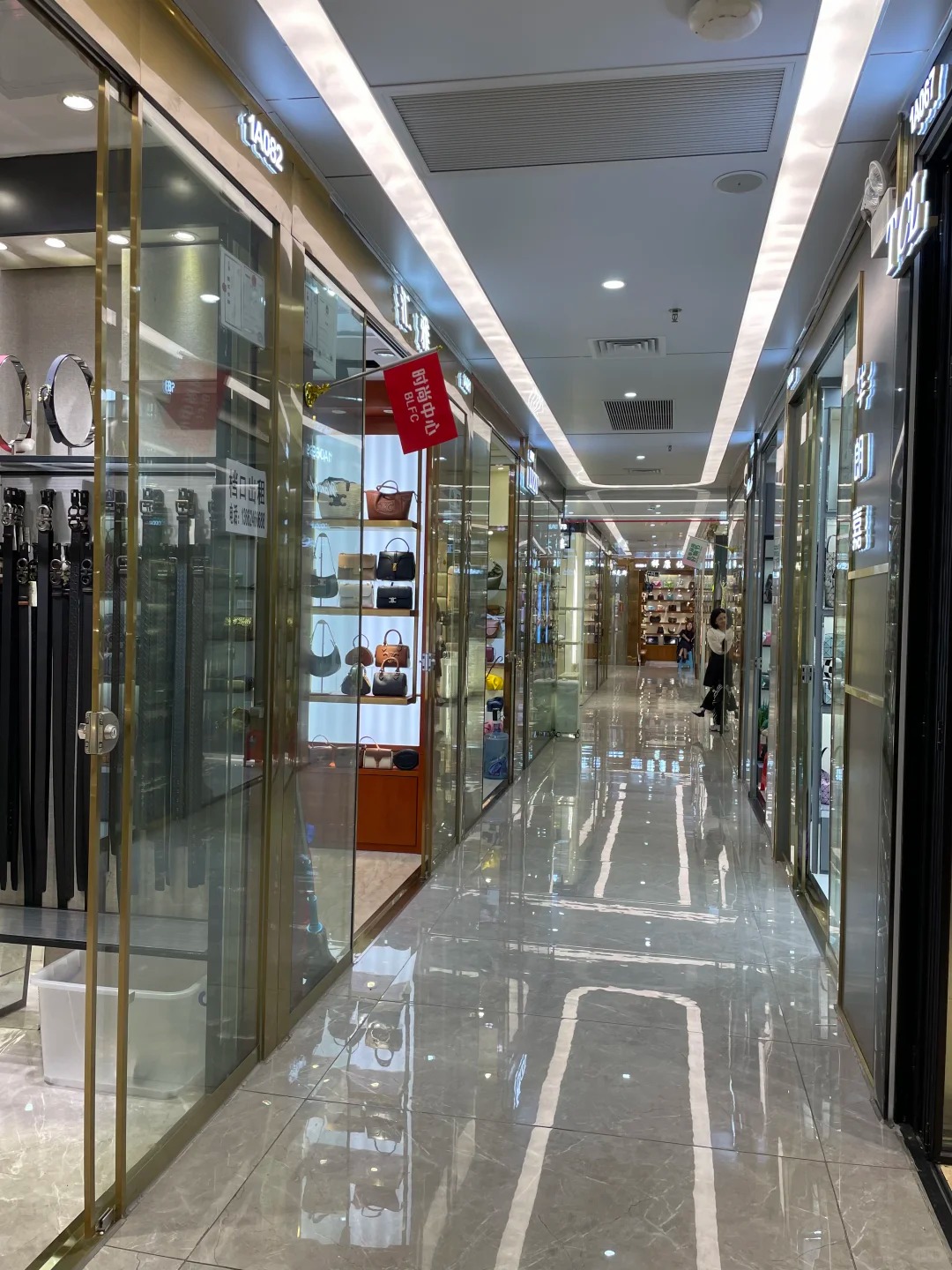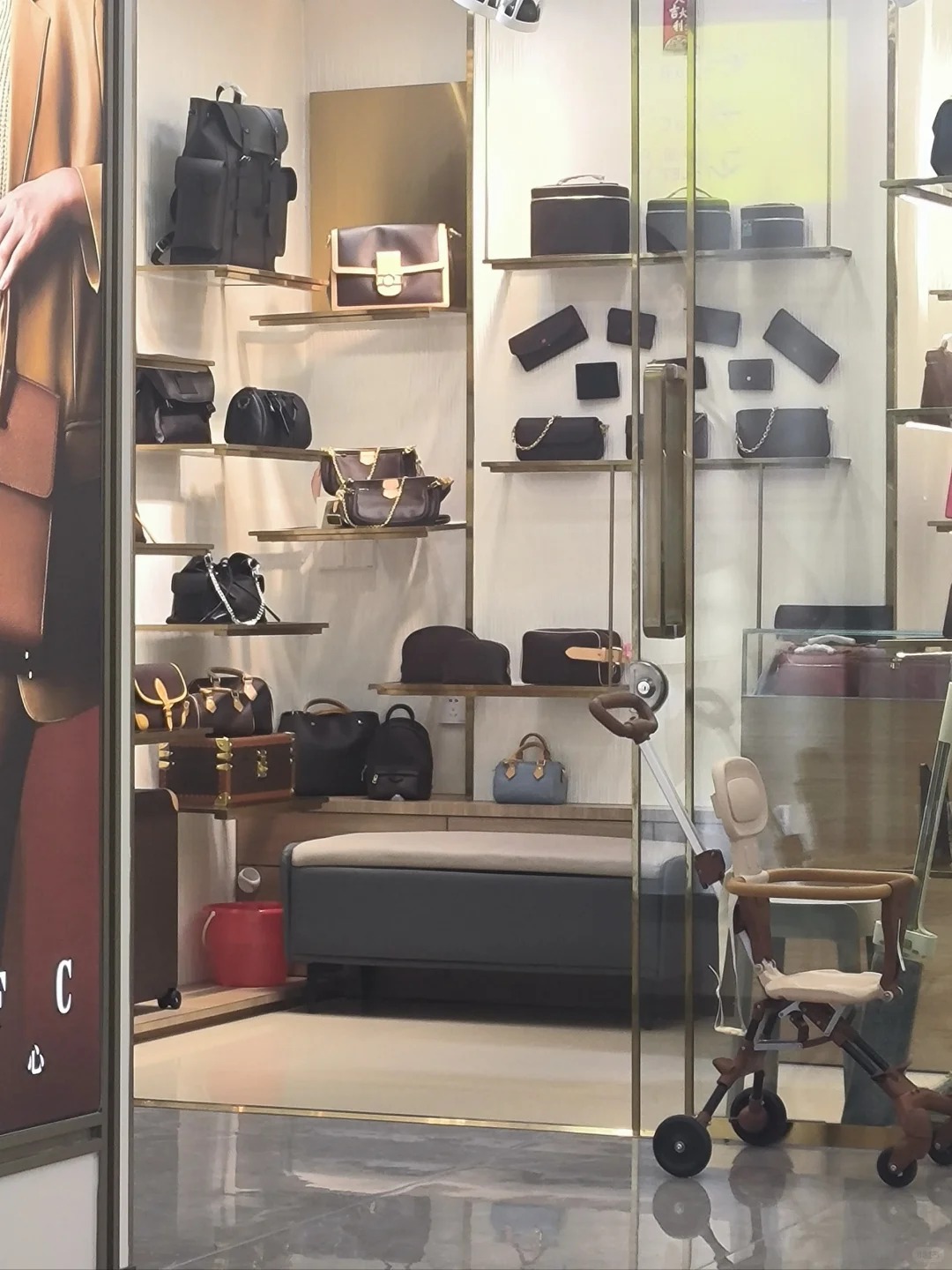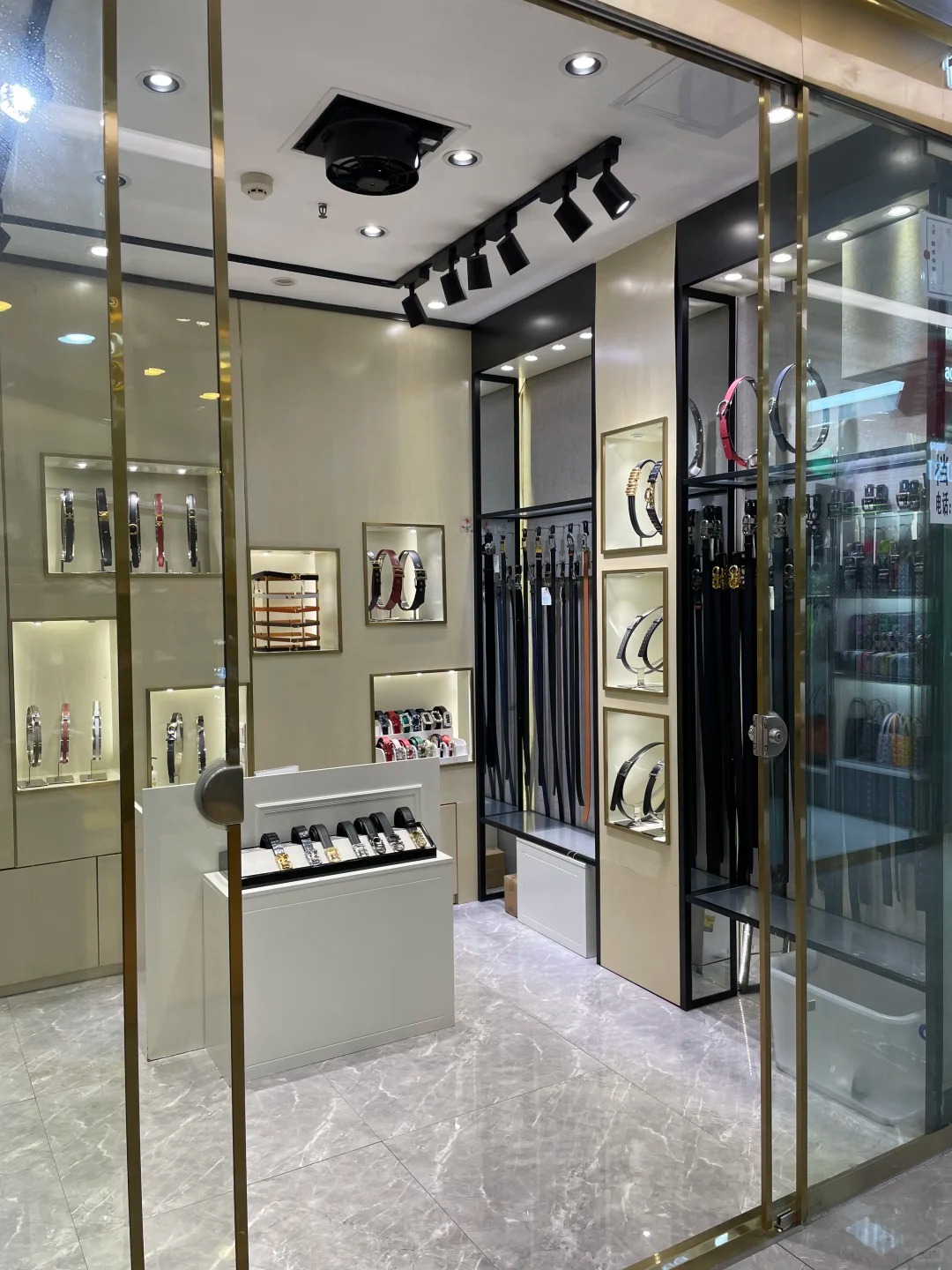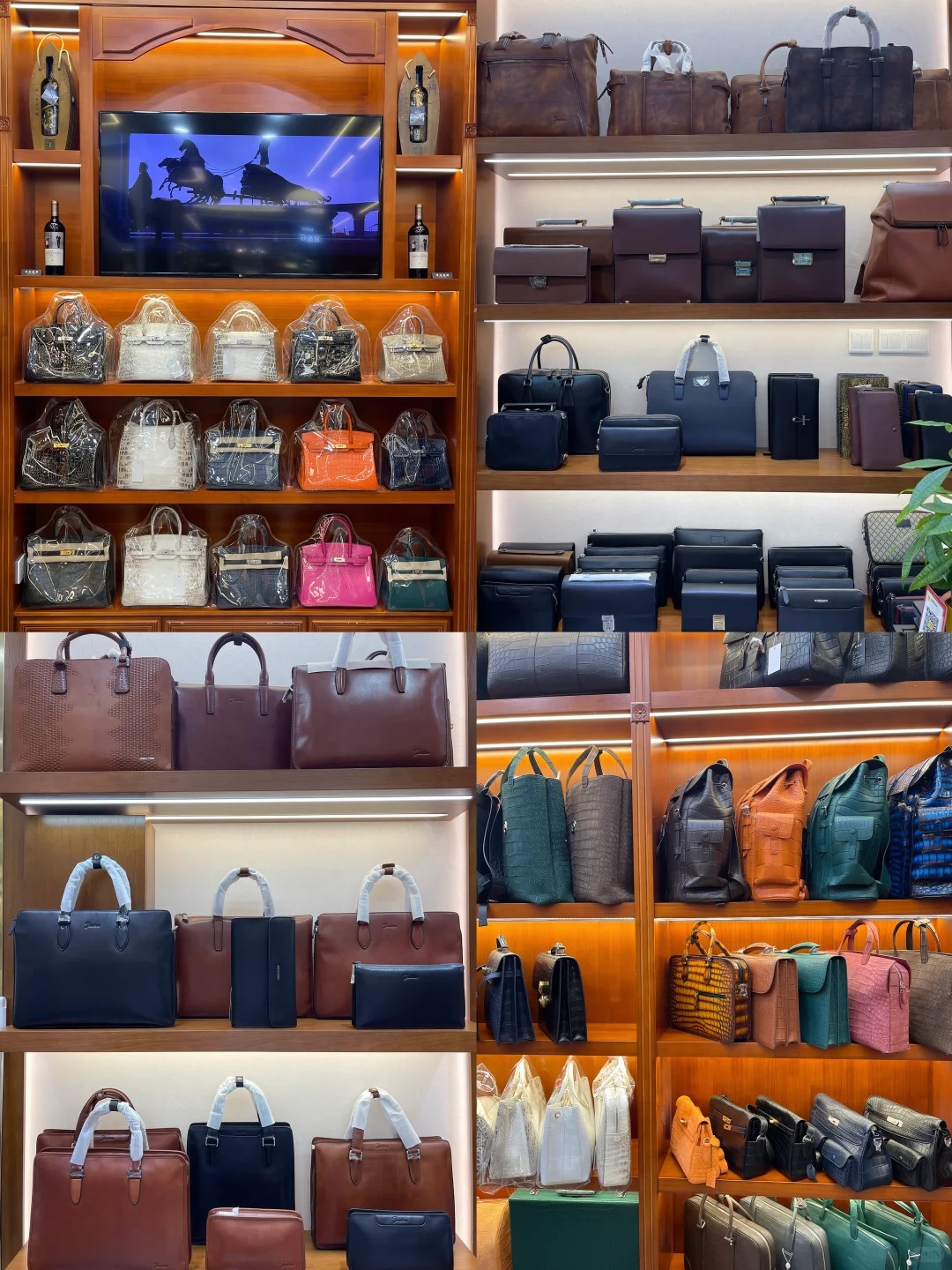

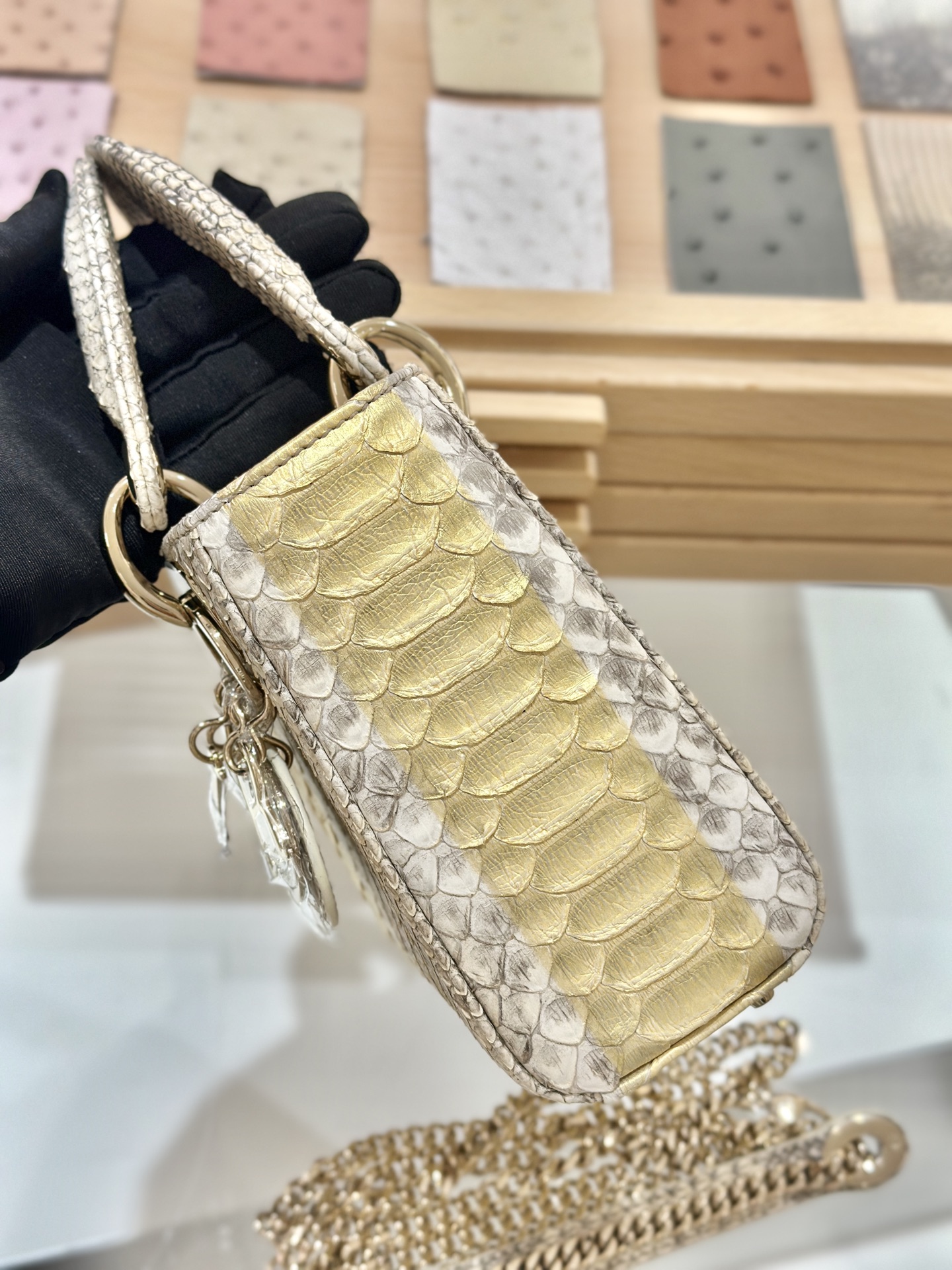
The fastest way to buy bulk products from China is to visit wholesale market stalls in person or through a sourcing agent who can touch and feel the goods. In China’s tier-1 wholesale hubs like Guangzhou’s Zhongda Fabric Market or Yiwu International Trade City, thousands of stalls display ready-to-ship stock. Unlike factories that require MOQs of 500+, market stalls let you buy as little as 10-50 pieces per style—perfect for testing demand. The key is to focus on stitch lining and fabric texture; always ask to see a physical sample before committing to bulk. Platforms like Soudangkou digitally connect you to these stalls, but nothing beats on-site inspection for quality assurance.
Why Wholesale Market Stalls Beat Online B2B Platforms
Factory-direct models often demand huge MOQs and long lead times.
Advantages of Market Stall Sourcing
- Immediate availability: Stock is on the shelves—ship within 48 hours.
- Low MOQ flexibility: Start with 10 units to test margins.
- Physical quality check: Feel fabrics, inspect stitching density, and rate zipper smoothness.
- Price negotiation: Stall owners are flexible on bulk pricing when you order multiple SKUs.
For example, in Guangzhou’s Baotai Fashion Center, a vendor specializing in woven shirts lets you mix 10 pieces across 3 colors at the same bulk rate. This is impossible on most B2B sites unless you meet 1000-piece minimums.
Step-by-Step: How to Buy Bulk from Market Stalls
1. Target the Right Market for Your Product
Guangzhou dominates apparel and accessories; Yiwu is king for small commodities. For electronics, Shenzhen’s Huaqiangbei is a must. Pro tip: Use Soudangkou to identify trending stalls even before traveling.
2. Evaluate Fabric and Workmanship
When handed a sample, don’t just look—feel. Rub the fabric to check for pilling. Inspect seam allowances: ideally 1 cm or more. A tight, even stitch—8-12 per inch—indicates machine quality. Check that inner tags are securely attached and not hanging by a thread.
3. Negotiate Like a Pro
Start at 30-40% below quoted price if you’re buying from a stall with no brand markup. Use batch purchasing: “I’ll take 50 units of this style if you give me the same price as 200.” Stall owners often agree to keep turnover high.
4. Arrange Logistics On-Site
Many market buildings have integrated shipping counters. For small bulk orders (under 100 kg), use express courier like DHL. For larger lots, consolidate with a freight forwarder. Important: Always ask for a detailed packing list and photos before shipment to avoid disputes.
Common Mistakes New Buyers Make
- Skipping sample inspection: Videos are not enough—fabric feel can be deceiving.
- Overlooking hardware quality: A $0.1 zipper can ruin a $30 garment.
- Paying 100% upfront: Stall owners accept 30% deposit, 70% upon seeing goods.
- Ignoring labels and tags: Ensure set-in sleeves have precise stitching and no loose threads.
FAQ: Buying Bulk from China Market Stalls
| Question | Answer |
|---|---|
| What is the minimum order from a market stall? | Typically 10-50 pieces per style, but some allow as low as 5 for a sample batch. |
| Can I mix sizes and colors? | Yes, most stall owners allow mixing within the same style at no extra cost. |
| How do I verify fabric quality without touching it? | Use a high-resolution video call and request details like thread count and weight. Better yet, hire an agent to inspect. |
| Is it safe to use credit cards? | Cash is king. Credit cards often incur a 3-5% fee. Use Alipay or WeChat Pay if possible. |
| What if the bulk order has defects? | Always check the stall’s return policy. Most at physical markets accept returns within 7 days, but you’ll cover shipping. |
| How can Soudangkou help? | Soudangkou lists vetted stalls with on-site stock photos and factory videos, letting you shortlist before visiting. |
| Are there any hidden costs? | None from the stall itself, but factor in local transport (e.g., ~$30 within city), logistics, and customs fees. |
Final Word
Buying bulk from Chinese wholesale market stalls gives you unmatched agility and quality control. Focus on fabric touch, stitch integrity, and on-the-spot negotiation. Use digital tools like Soudangkou to save time, but never skip a physical inspection for your first 2-3 orders. That’s how you build a reliable supply chain with minimal risk.
广州服装档口相关入口
继续查看相关市场和品类入口,方便对比档口微信、货源范围、拿货方向和试单前需要核实的信息。