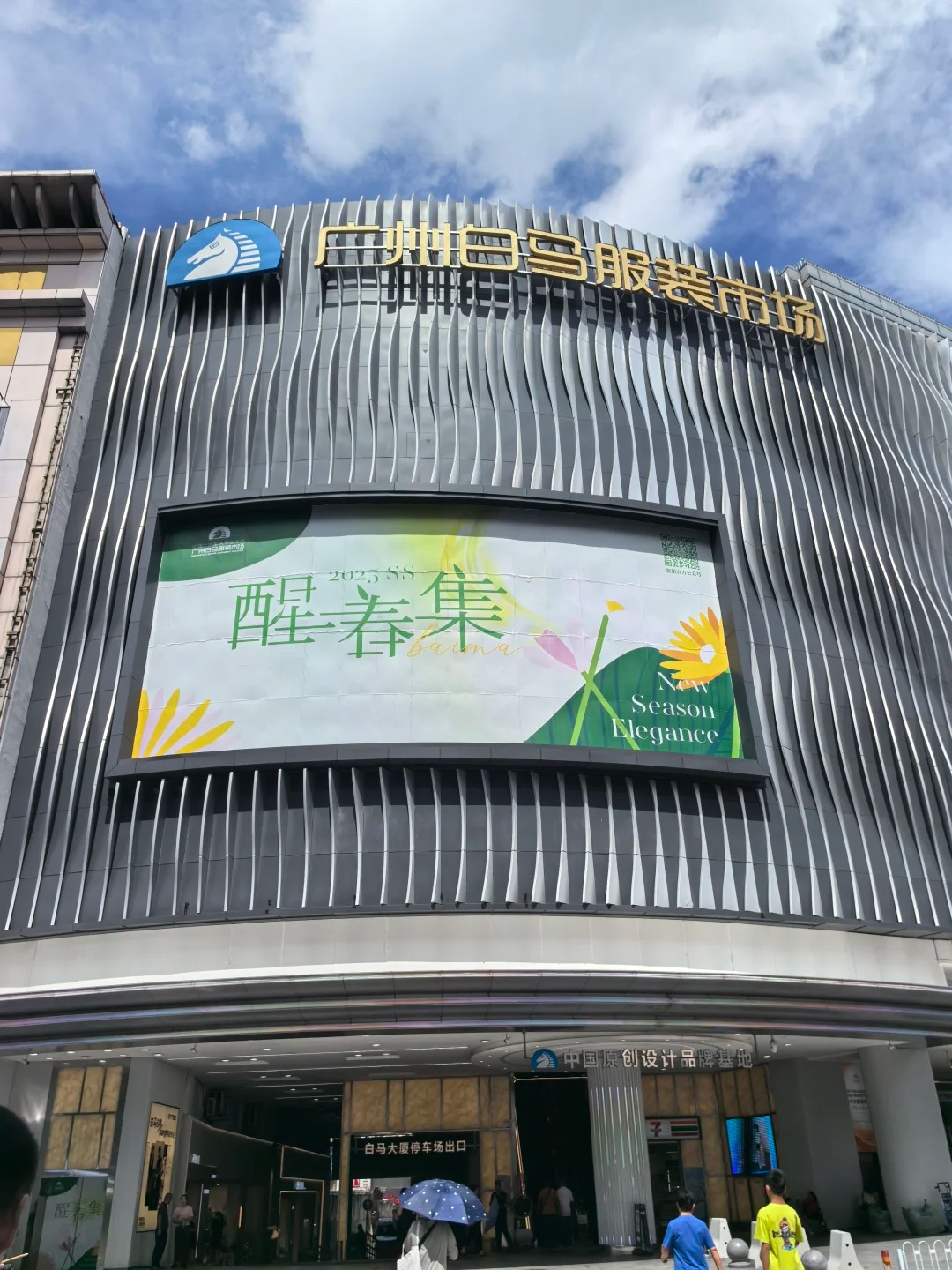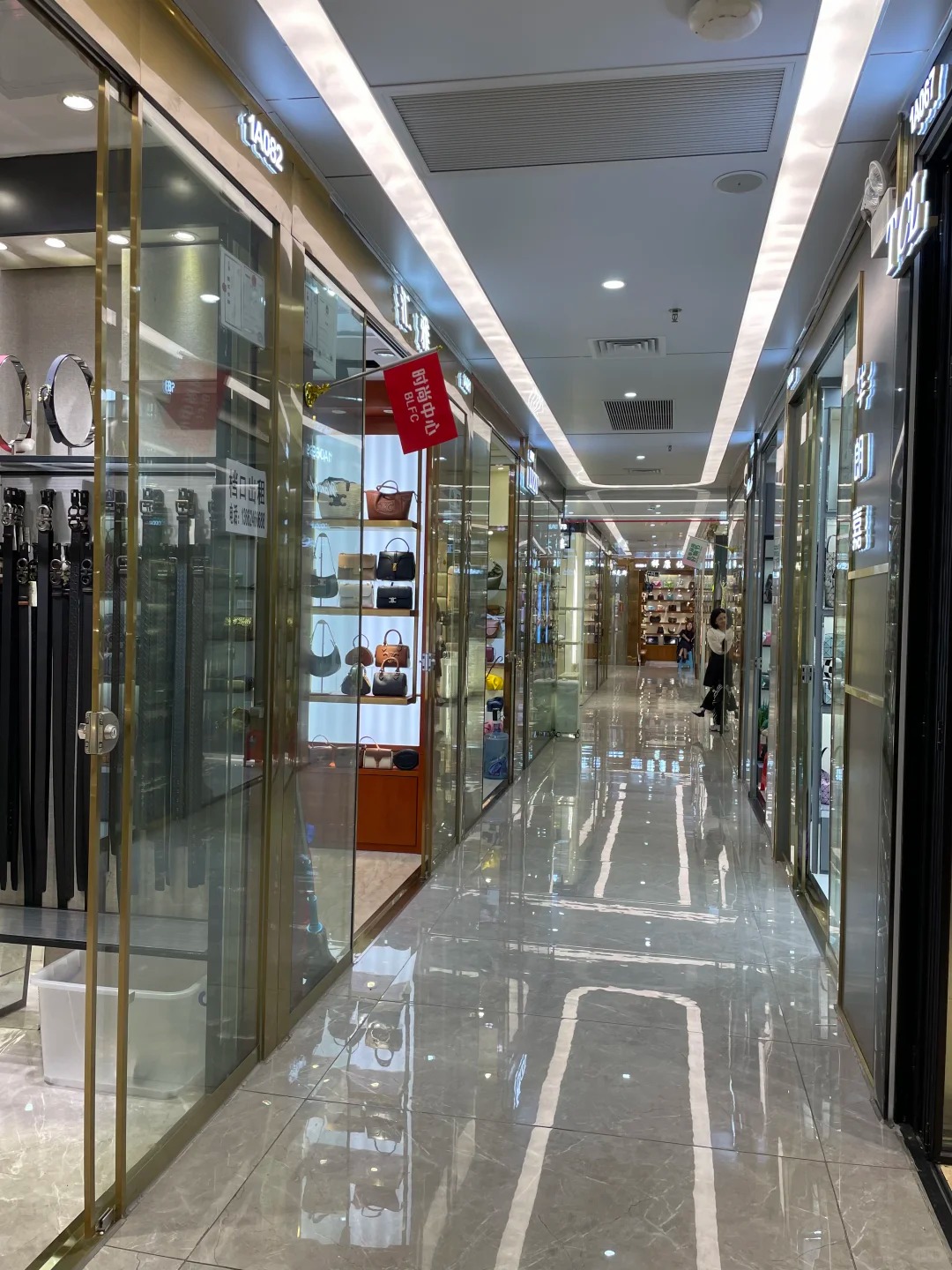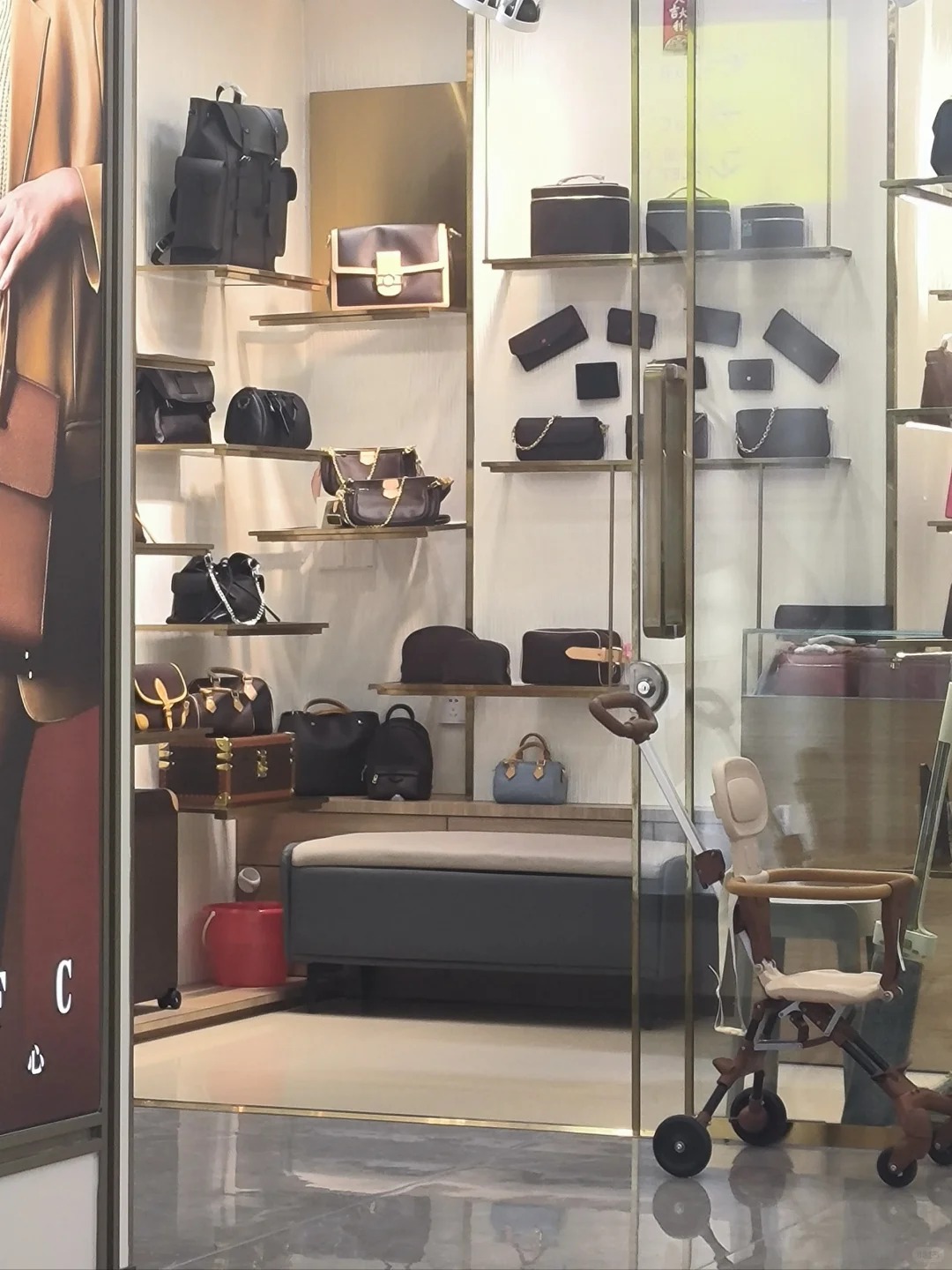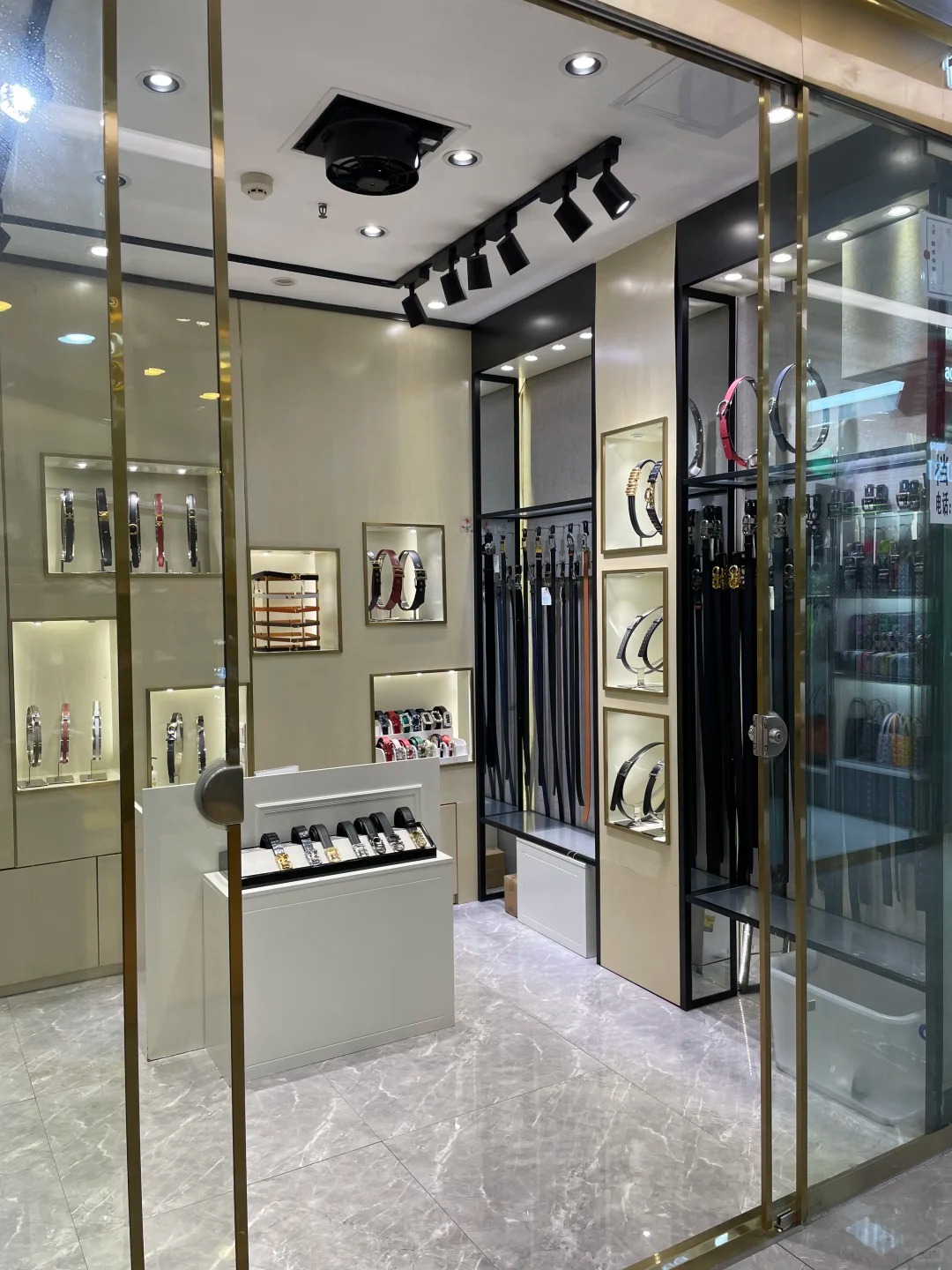

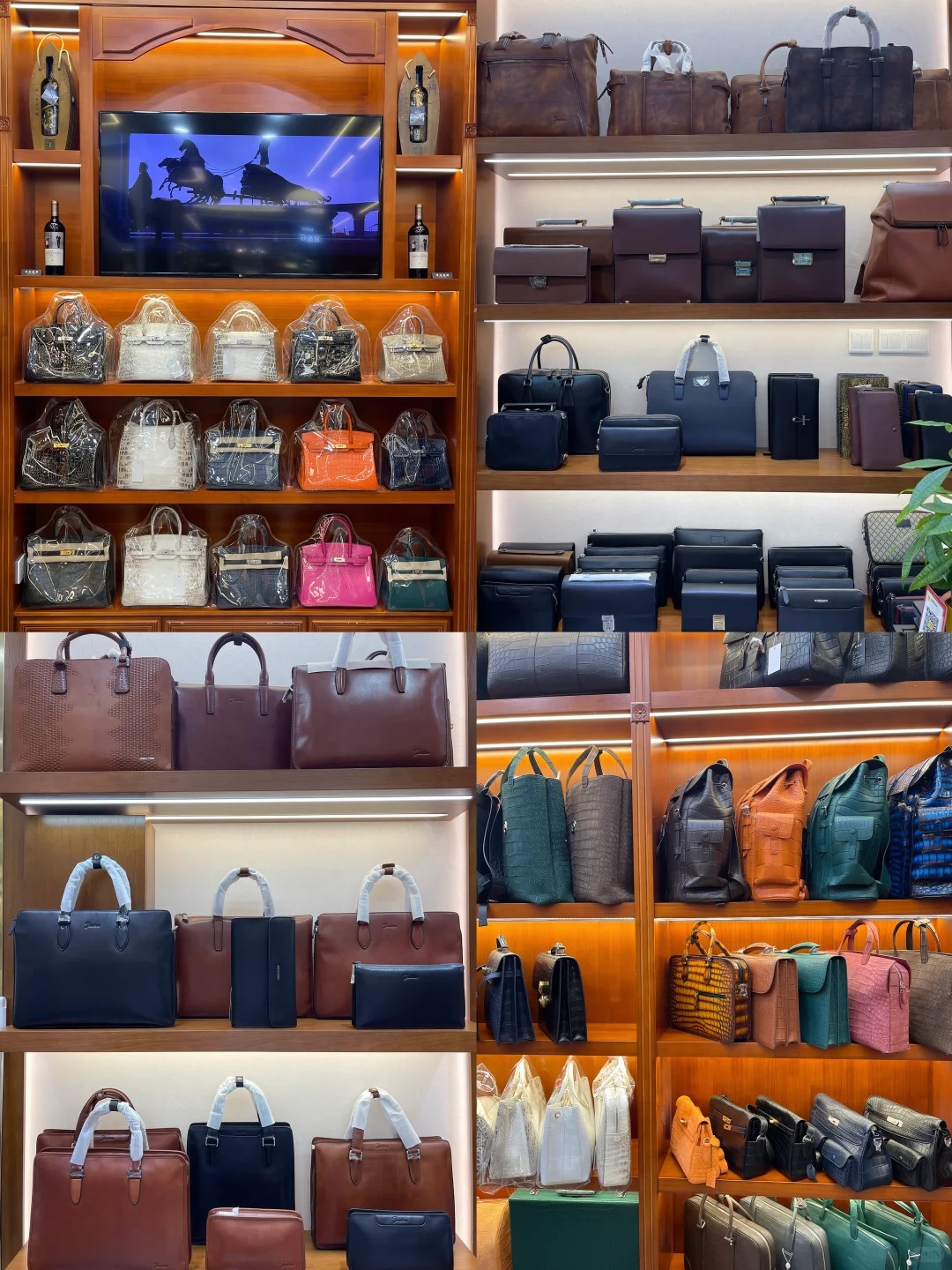
To buy cheap goods from China to Nigeria, source directly from wholesale market stalls in cities like Guangzhou and Yiwu. Skip middlemen—bypass importers and negotiate with stall owners for the best price. The key is to visit these physical markets, inspect product quality yourself, and build relationships with suppliers who specialize in African exports.
Wholesale market stalls offer the cheapest prices because they sell in bulk directly to international buyers. You can find everything from electronics to textiles at a fraction of retail cost. But to get real value, you need to know how to evaluate products on the spot.
Why Bypass Importers and Source from Stalls?
Importers add margins that can double the price. By buying from stalls, you pay the wholesale price plus shipping. Most stalls in markets like Soudangkou have decades of experience exporting to Africa—they know popular styles, sizes, and price points for your market.
How to Inspect Fabric and Stitching Like a Pro
When examining garments, check three things: fabric weight, stitch density, and seam strength. A cheap good should still have solid stitching—look for at least 8-10 stitches per inch. Pull the fabric to see if it stretches or pills. Avoid shiny synthetics that look cheap unless that’s your target market. For electronics, test a sample on the spot.
Negotiating at Wholesale Markets
Bargaining is expected. Start at 50% of the quoted price for small quantities, but for bulk orders (100+ pieces), aim for 30-40% off. Use a calm, firm tone—show you know the market. Mention competitors’ prices if you have them. Offer to pay in cash (RMB) for a better rate.
Shipping and LCL Consolidation
Once you’ve selected your goods and paid a deposit (usually 30%), arrange shipping through a freight forwarder. For small shipments, use LCL (less than container load). Many market buildings have shipping agents on-site who can handle consolidation and customs clearance to Nigeria. Expect shipping to take 25-35 days.
Top Categories for Nigerian Buyers
- Clothing: African prints, second-hand (excellent quality), sportswear
- Electronics: Mobile phones, accessories, charging cables
- Home goods: Plasticware, kitchen gadgets, tools
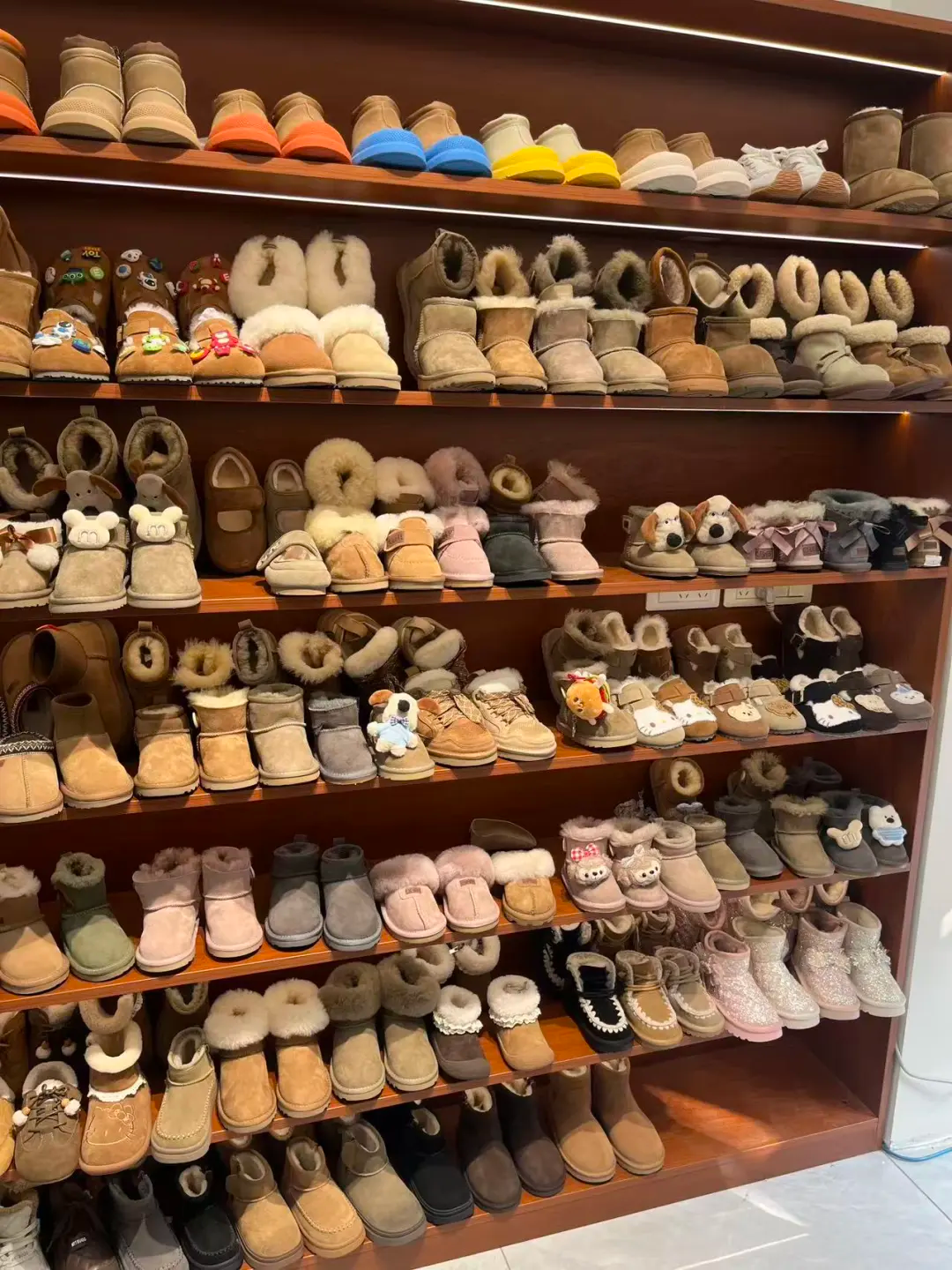
- Footwear: Sneakers, sandals from factories in Wenzhou
| Question | Answer |
|---|---|
| What is the minimum order quantity? | Most stalls require no minimum; you can buy a few pieces, but bulk orders (50+) get lowest prices. |
| Can I pay with USDT or crypto? | Many stalls now accept USDT on TRC-20 network. Confirm first. |
| How to avoid scams? | Only deal with stalls that have been in the market for years. Use escrow services for large amounts. |
| Should I use an agent? | Agents can help inspect goods and consolidate shipments. But prefer visiting yourself initially. |
| What documents needed for customs? | Commercial invoice, packing list, bill of lading, and possibly SONCAP certificate for Nigeria. |
| Any duty exemptions? | Nigeria offers some duty reductions for certain raw materials. Check latest customs tariff. |
| How to handle quality issues after payment? | Set clear terms before payment—exchange or discount. Reliable stalls value repeat business. |
Remember, buying cheap is about relationships. Visit the same stall each trip, bring small gifts, and learn a few words of Chinese. This builds trust and gets you insider prices. Platforms like Soudangkou can connect you with verified stalls if you can’t travel yet. But nothing beats seeing the fabric and stitching yourself.
广州服装档口相关入口
继续查看相关市场和品类入口,方便对比档口微信、货源范围、拿货方向和试单前需要核实的信息。