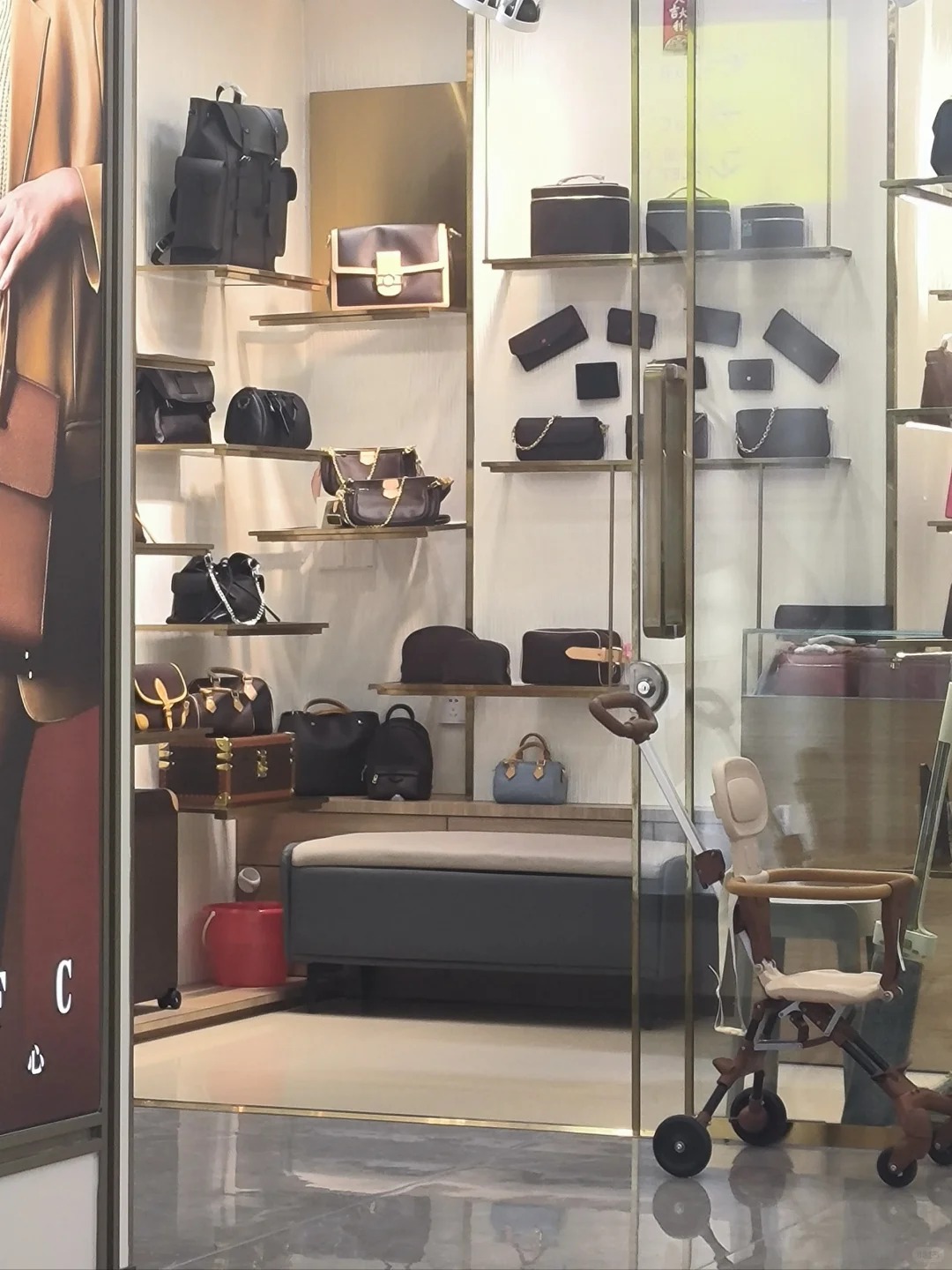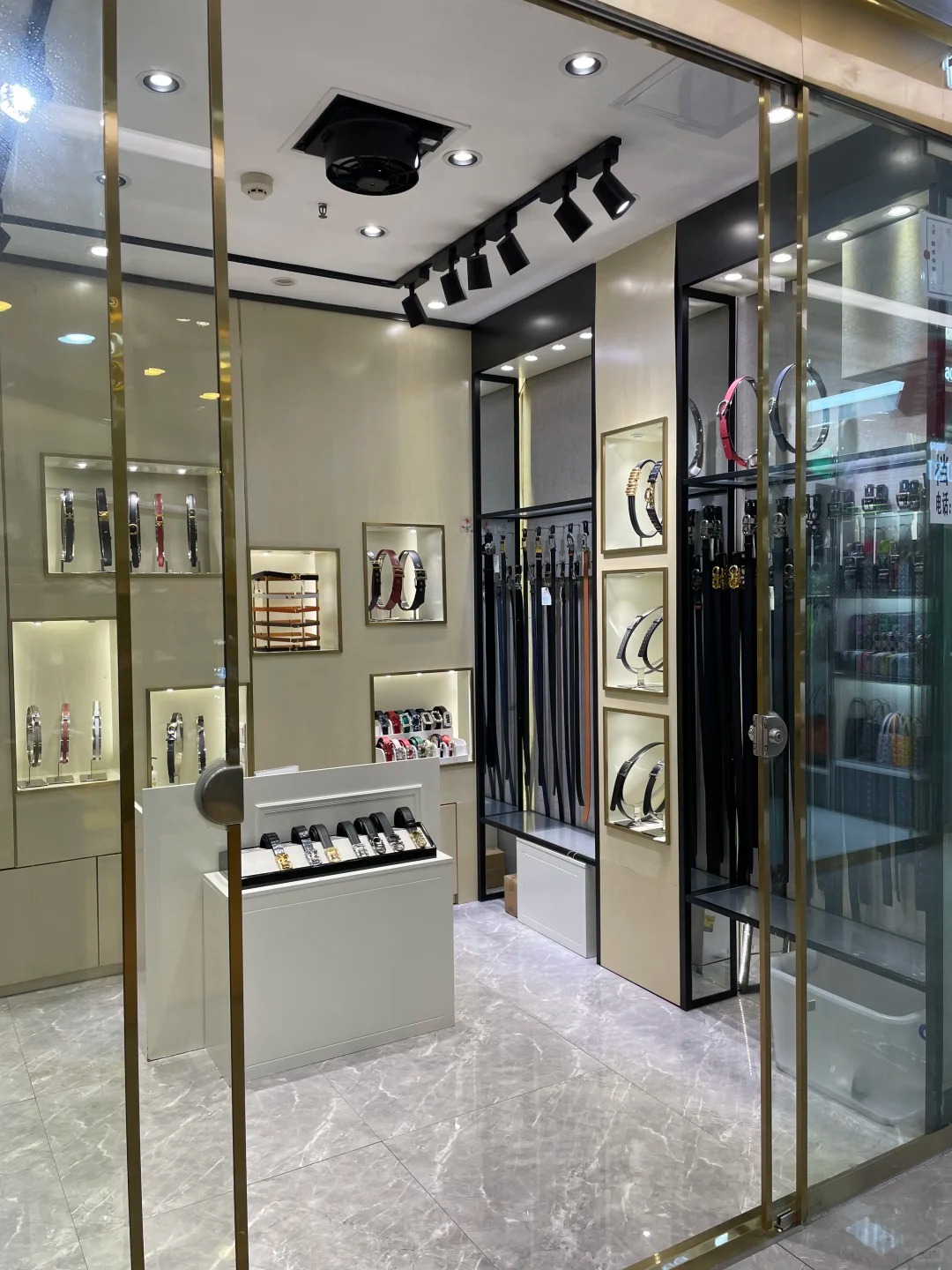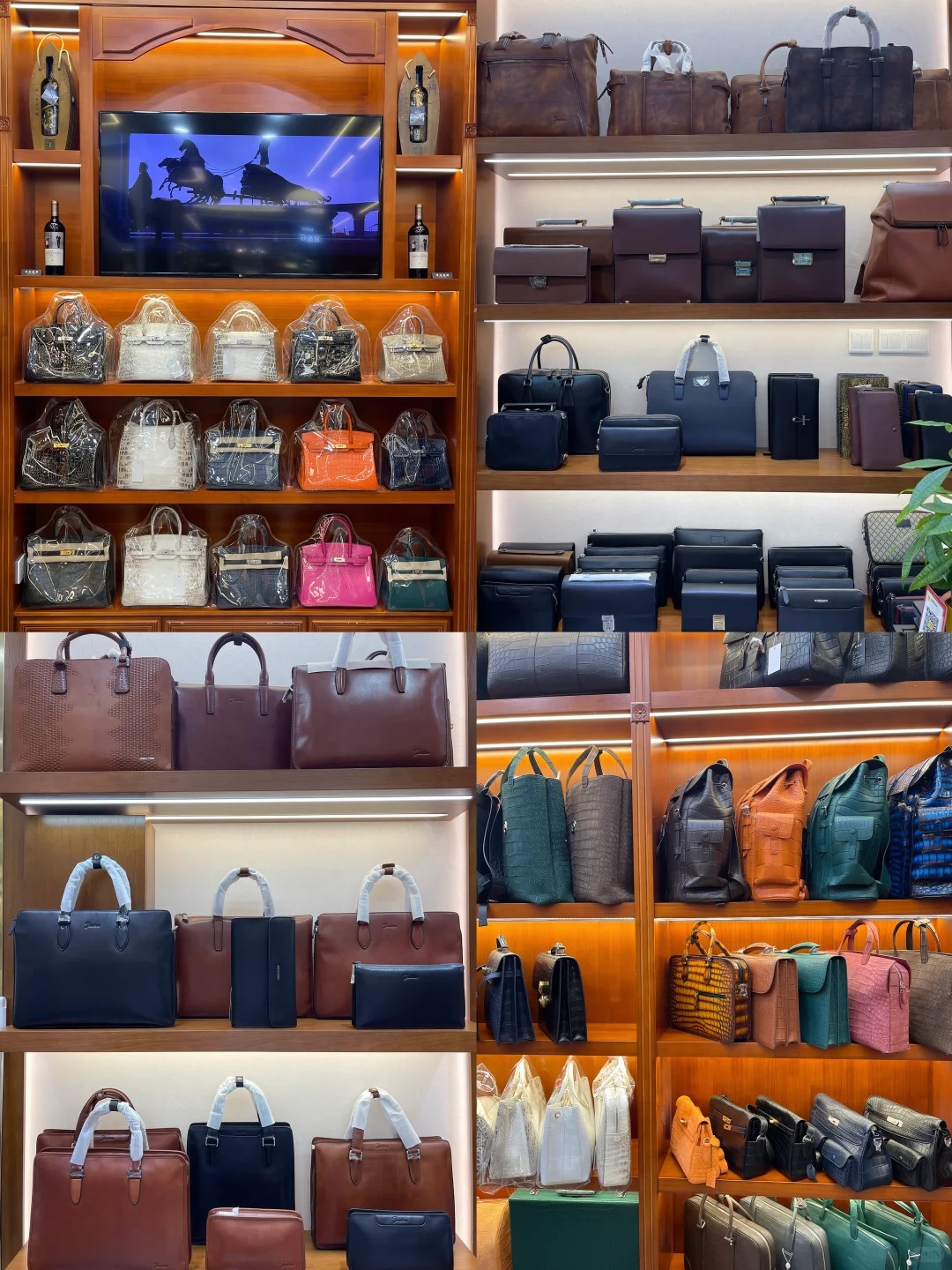

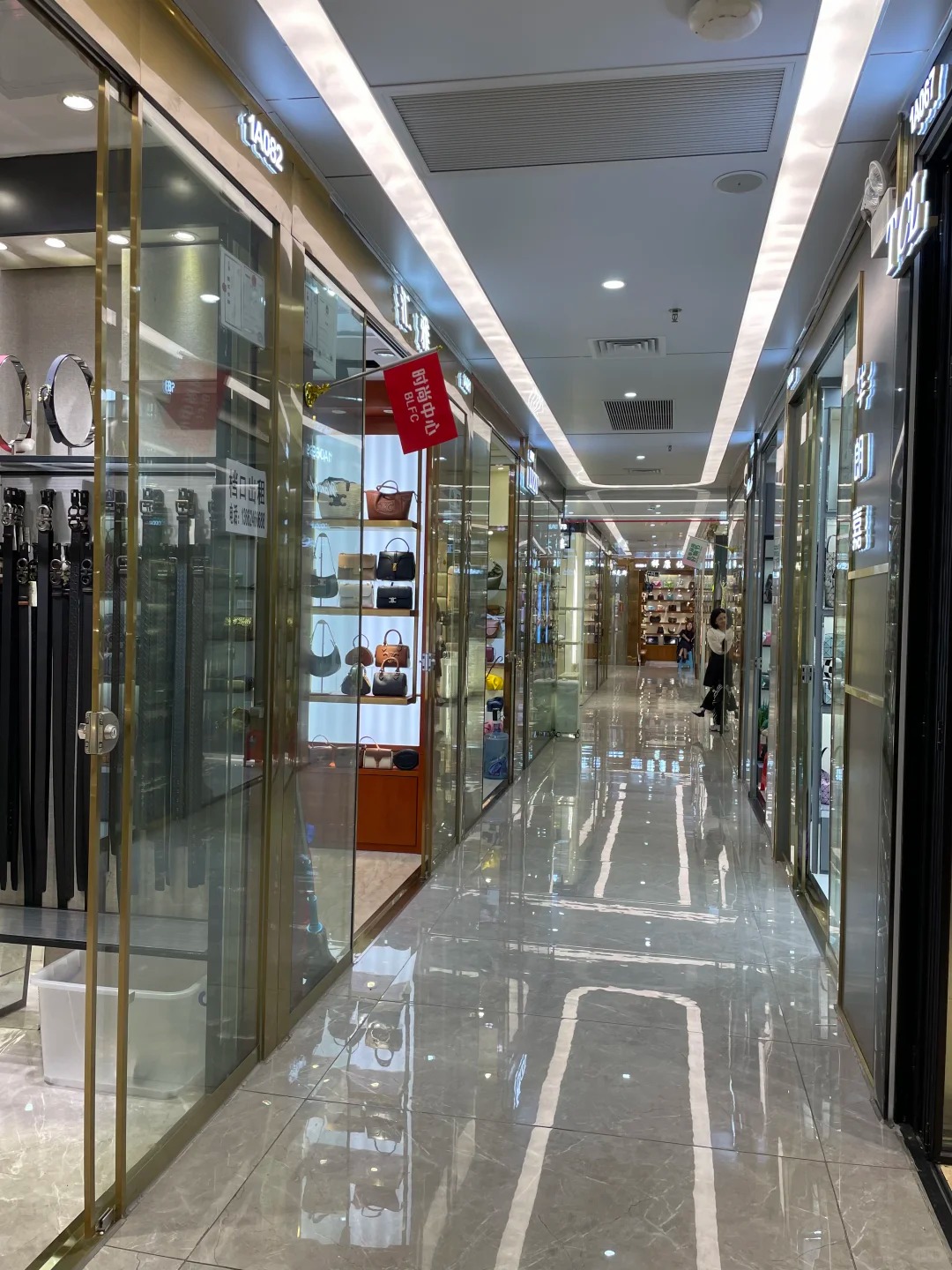
To buy clothes and shoes from China, your best bet is to go directly to wholesale market stalls in major hubs like Guangzhou, Yiwu, or Hangzhou. These stalls offer immediate access to trending styles, bulk discounts, and the ability to inspect fabric and stitching quality on the spot. This guide, written from the perspective of a veteran China sourcing consultant, will walk you through the entire process, from finding reliable suppliers to negotiating deals and shipping.
Why Choose Market Stalls Over Online Platforms?
Online B2B platforms like Alibaba are convenient, but they often lack transparency. Market stalls give you hands-on experience: you can feel the fabric, check the stitching, and try on samples before committing to a large order. This is crucial for building trust and ensuring quality, especially for clothes and shoes where texture and fit matter.
Top Wholesale Markets for Clothes and Shoes
- Guangzhou: Shahe Women’s Clothing Wholesale Market – Huge variety, from budget to mid-range, with stalls specializing in fast fashion.
- Yiwu: Yiwu International Trade Market – Best for accessories, basic footwear, and small-batch orders.
- Hangzhou: Sijiqing Garment Market – Known for higher quality fabrics and more fashionable designs.
How to Inspect Fabric and Stitching Quality
When visiting stalls, don’t just look – touch and test:
- Fabric: Stretch the material to check elasticity. Hold it up to light to see density. Rub it to test for pilling.
- Stitching: Look for even, tight stitches. A well-made garment has at least 8-10 stitches per inch. For shoes, check the glue seams and sole attachment.
- Hardware: Zippers, buttons, and hooks should feel sturdy. Test them multiple times.
Negotiating and Placing Orders
Stall owners expect negotiation. Start by asking for the wholesale price (“pifa jiage”). Common tactics:
- Buy multiple styles from one stall to get better bulk rates.
- Ask about mixed lots – some stalls allow you to combine different colors/sizes.
- Request samples before placing a large order; reputable stalls will usually provide them at cost or free for regular clients.
Shipping and Logistics
Once you’ve purchased, arrange consolidation and shipping. Use a freight forwarder to handle customs and delivery. Most markets have shipping agents right outside. For small orders, consider China Post or ePacket; for bulk, sea freight is cheapest.
FAQs: How to Buy Clothes and Shoes from China
| Question | Answer |
|---|---|
| Can I buy single items from market stalls? | Not usually. Most require minimum orders of 6-12 pieces per style, but you can mix colors and sizes. |
| How do I detect fabric quality? | Rub the fabric between your fingers; low quality pills easily. Check the label for fiber content – cotton, wool, and blends are preferable. |
| What’s the best way to pay? | Cash or Alipay/WeChat Pay. Avoid credit cards as fees are high. Use a secure payment method like TT for large sums. |
| Can I return defective items? | Usually no, but you can inspect before purchase. Building a relationship with a stall can lead to exchanges. |
| How does Soudangkou help? | Platforms like Soudangkou connect you to verified market stalls with real-time inventory, making sourcing easier. |
Final Thoughts: Be Hands-On and Build Relationships
The key to successful buying in China is personal inspection and relationship building. Once you find a stall that consistently delivers quality, you can scale up. Remember, the best deals come from trust – so take time to get to know your wholesaler. Use platforms like Soudangkou to discover stalls, but always verify quality in person or through reliable samples.
广州服装档口相关入口
继续查看相关市场和品类入口,方便对比档口微信、货源范围、拿货方向和试单前需要核实的信息。