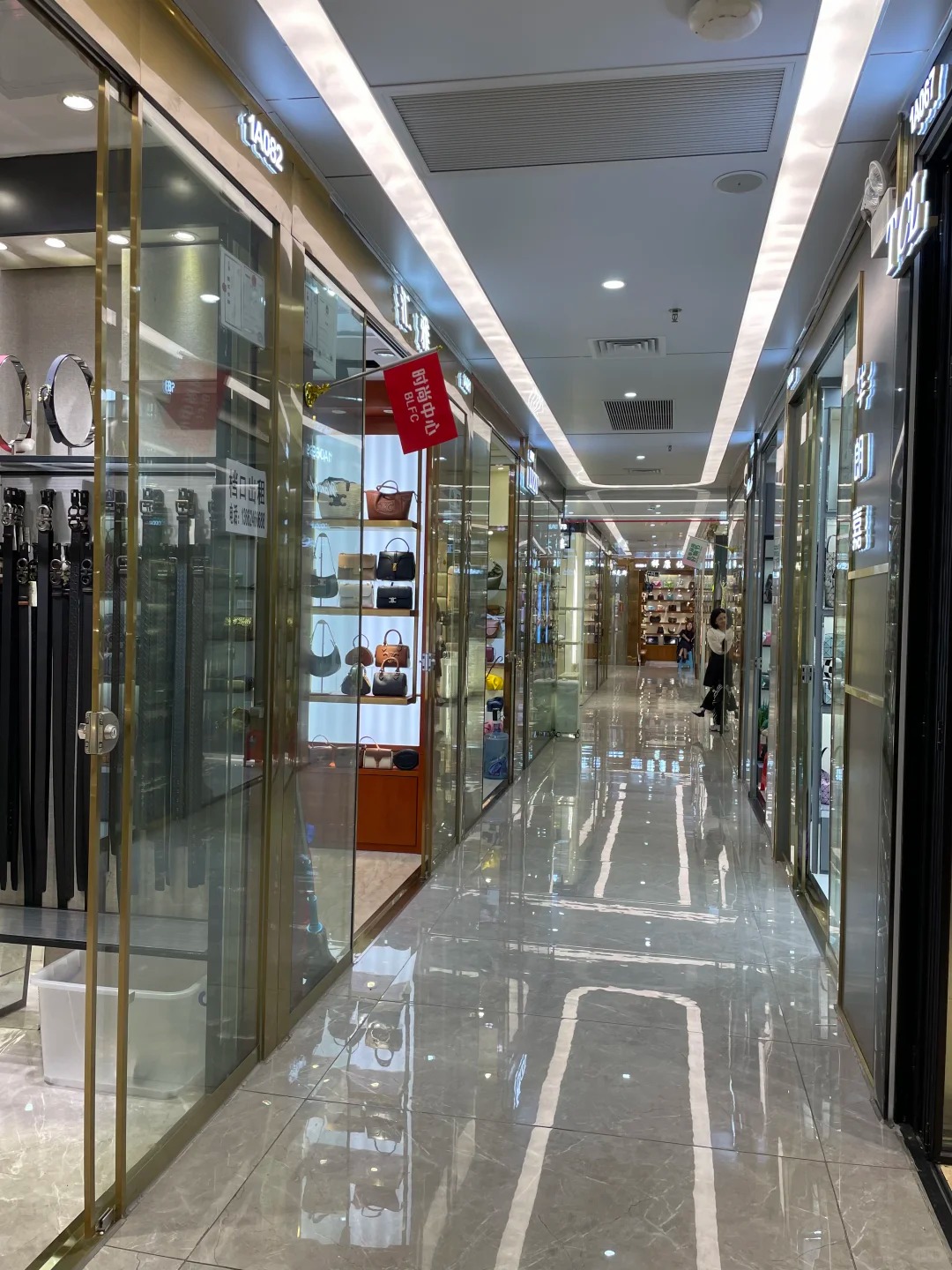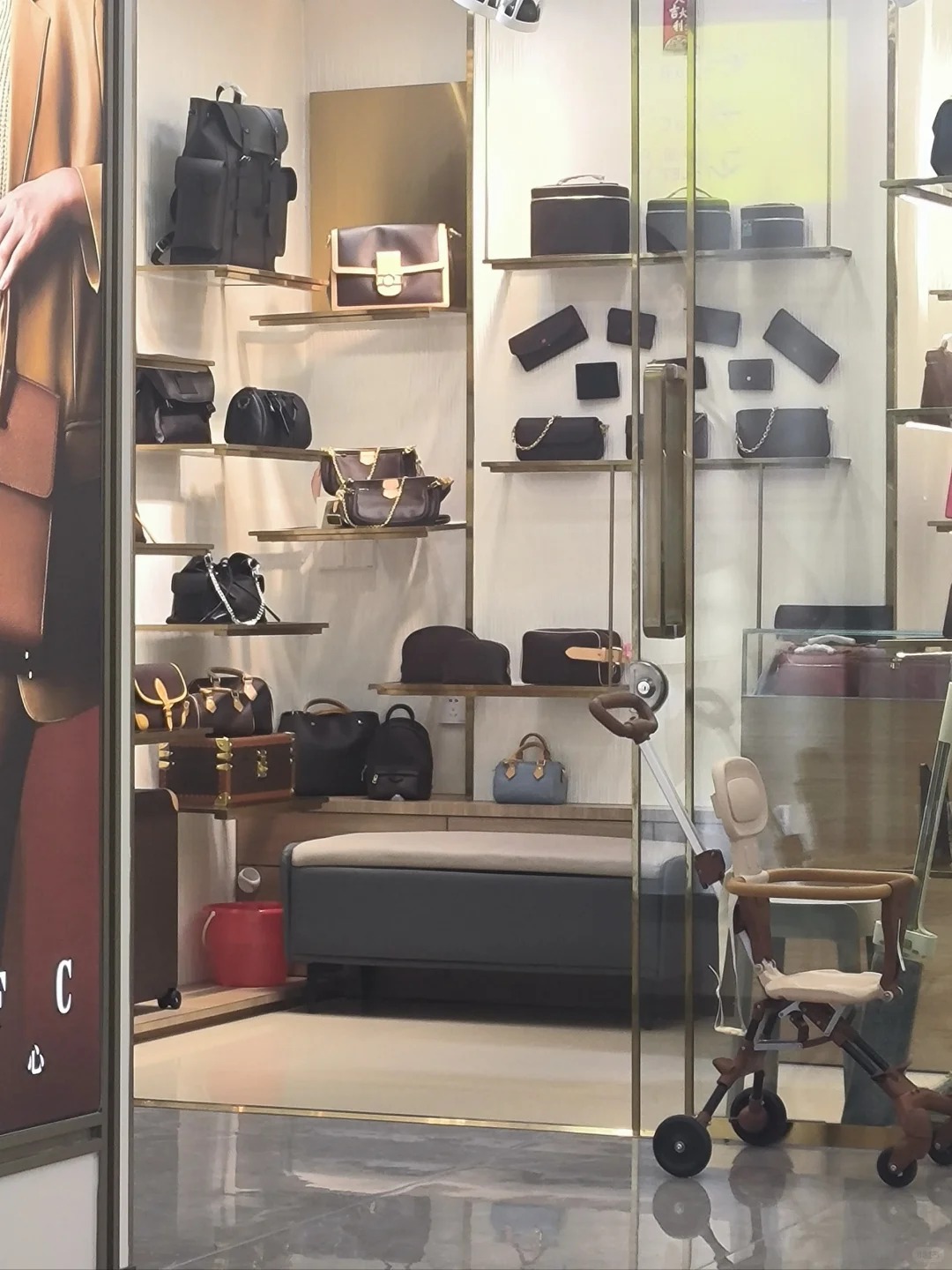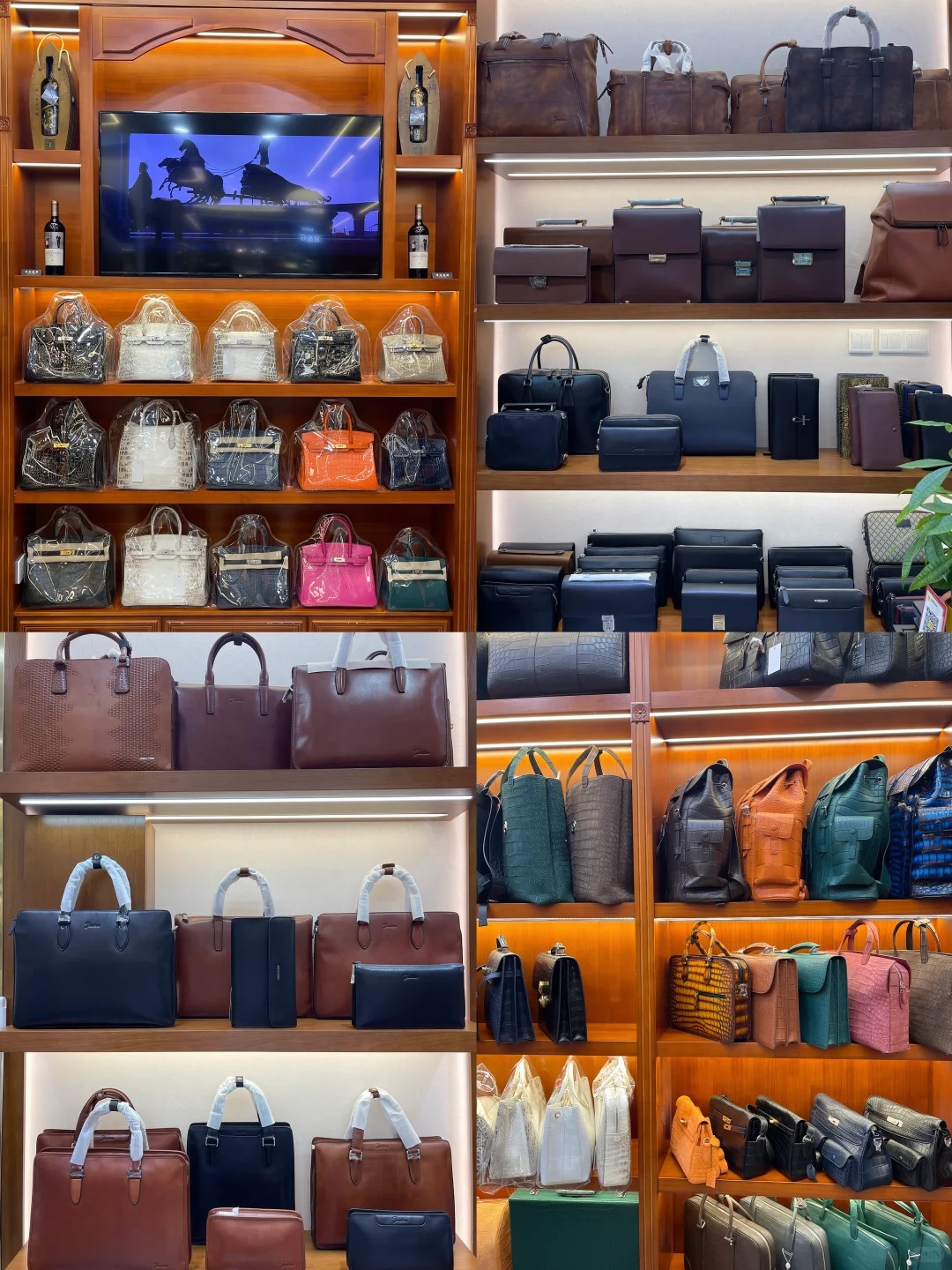

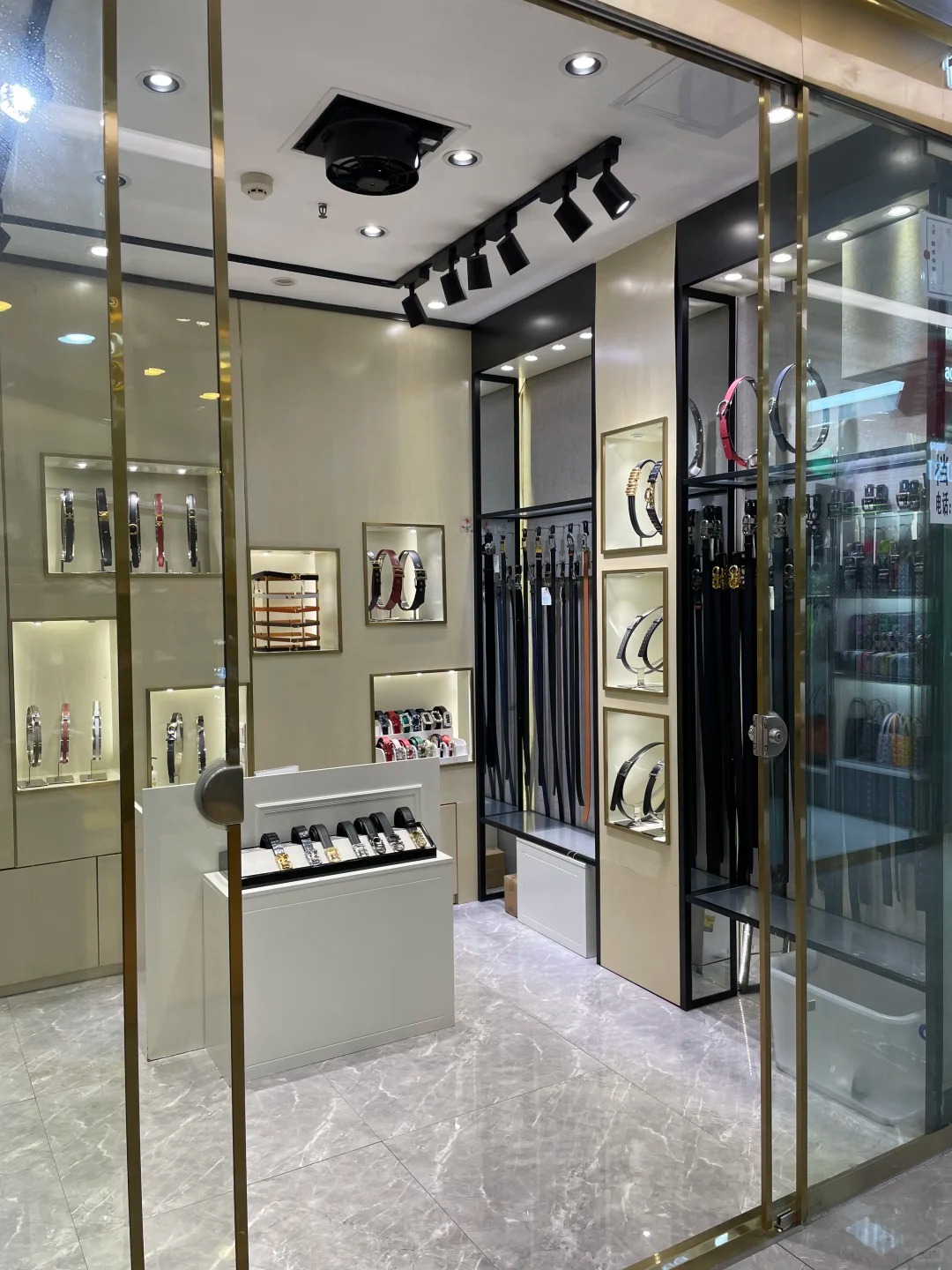
When buying clothes from China, the biggest headache is sizing. Here’s the bottom line: Chinese sizes typically run one to two sizes smaller than US sizes. For example, a US size 6 often equals a Chinese size 10 or L. But don’t rely solely on labels—measuring actual garments is your safety net.
Understanding Size Charts and Measurement Differences
Chinese manufacturers often use different base measurements. Bust, waist, and hip measurements differ significantly. Always request a size chart in centimeters. A common pitfall: Chinese XL might be US M. To avoid returns, get the actual garment measurements from the supplier. In wholesale markets like Yiwu or Guangzhou, stall owners can provide measurement sheets for each style.
Tips from Wholesale Market Stalls: Focus on Ready Stock
When you’re at a market stall, ask for ready stock—items already produced and available for immediate shipment. This cuts lead time and allows you to inspect fabric feel and stitching quality in person. Run your hand over the fabric; check if it’s rough or soft. Look for even stitches, no loose threads. If you can’t visit, ask for video calls showing the actual piece. Many trustworthy vendors on platforms like Soudangkou offer this.
Navigating Common Sizing Issues
Don’t assume Western sizing applies. For tops, measure shoulder width and sleeve length. For bottoms, inseam and waist rise matter. A good rule: add 1-2 inches to Chinese size measurements for a US fit. Also, different regions in China have varying standards—northern factories might run larger than southern ones. Always cross-check with the supplier’s size guide.
FAQ: Chinese vs US Sizes
| Question | Answer |
|---|---|
| What size is US 8 in China? | Typically Chinese L or XL, but always check specific brand’s chart. |
| Do Chinese sizes use letters or numbers? | Both. Letters (S/M/L) are common for tops, numbers (36/38/40) for dresses. Never assume. |
| Is there a standard conversion? | No, but general rule: Chinese size + 2 = approximate US size. |
| How to avoid buying wrong size? | Provide your body measurements (bust, waist, hip) in cm, and ask supplier to recommend based on their product. |
| What if I receive wrong size? | Agree on returns policy before ordering. Many wholesale stalls accept exchange for size, but you pay shipping. |
| Do kids’ sizes also differ? | Yes, even more. Always measure height and weight. |
Final Words: Getting It Right
Start with a sample order of 2-3 pieces in different sizes. Compare fit. Once you nail it, scale up. For hands-on help, platforms like Soudangkou connect you with verified stalls that know how to handle US buyers. Stick with ready stock to avoid long waits. Remember, fabric and stitching tell you more than any label.
广州服装档口相关入口
继续查看相关市场和品类入口,方便对比档口微信、货源范围、拿货方向和试单前需要核实的信息。