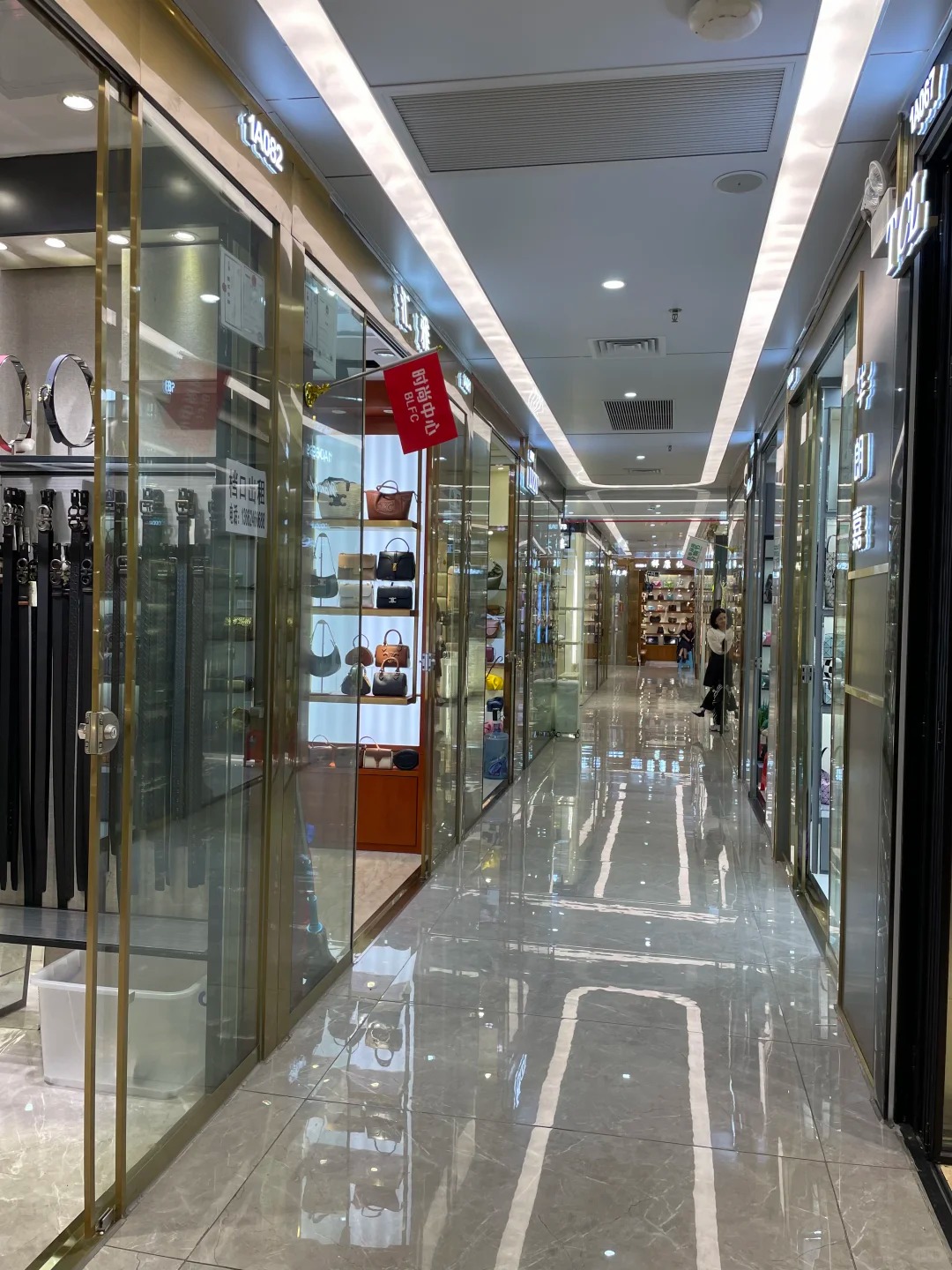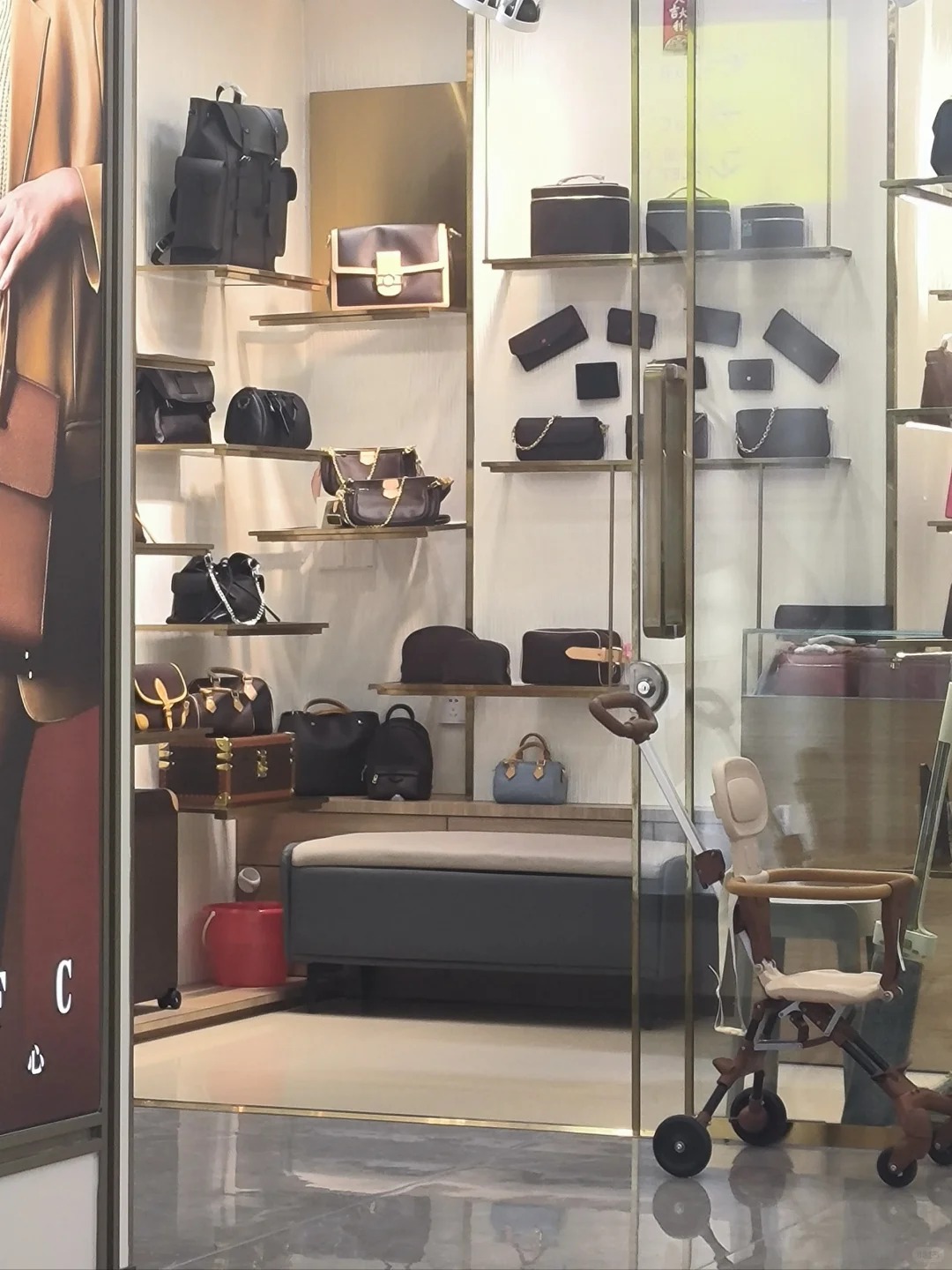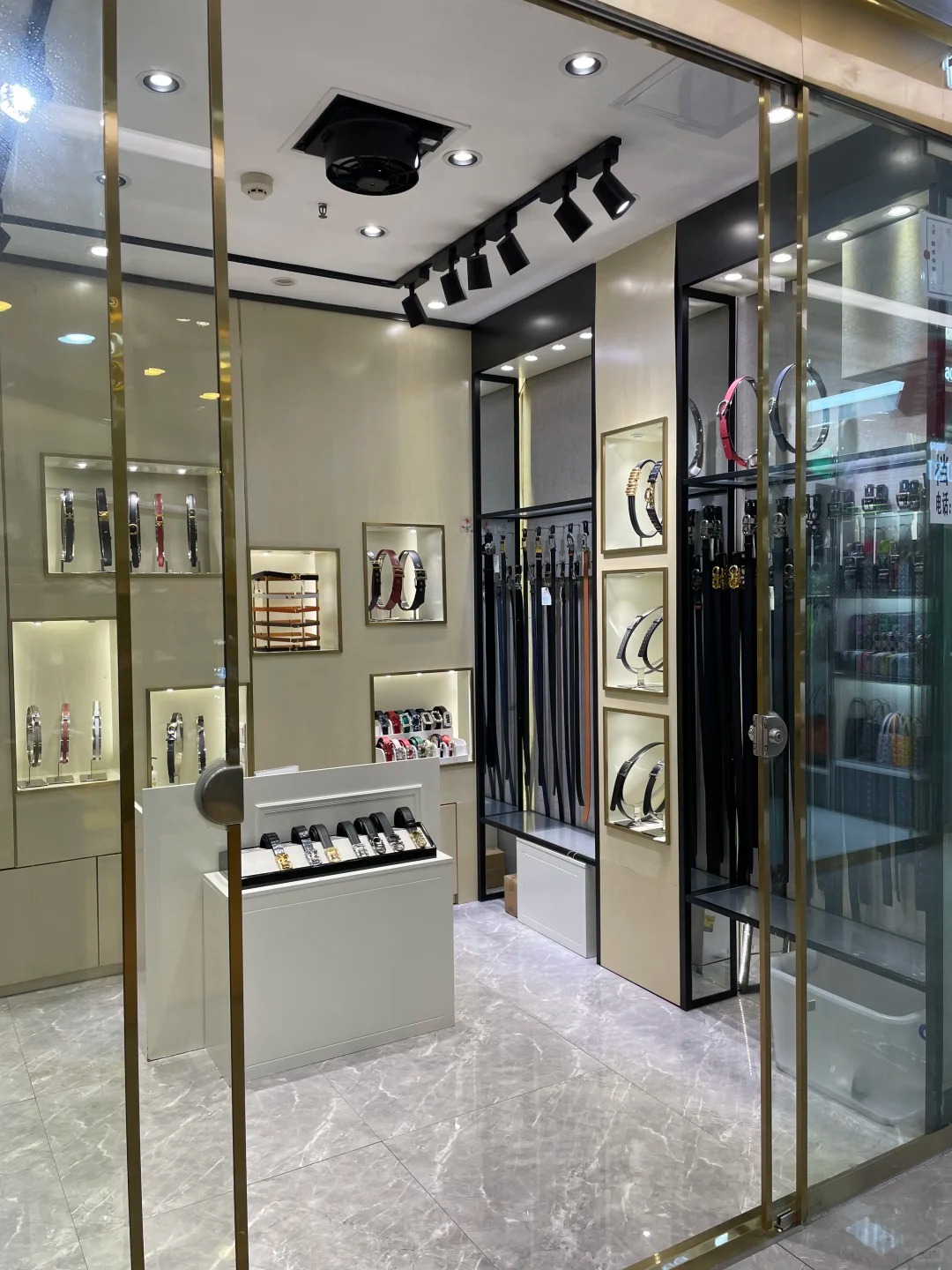

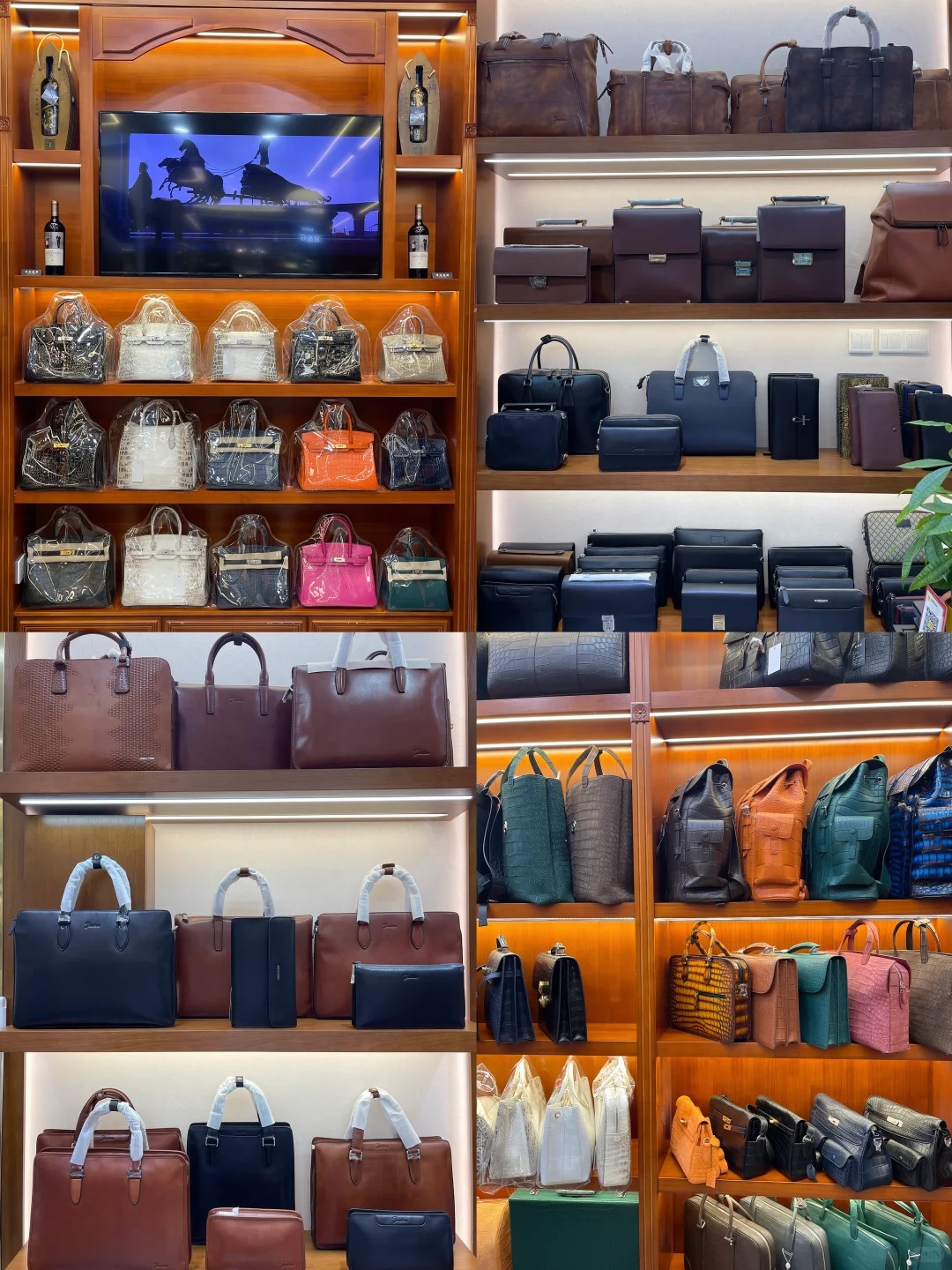
The fastest route to buying clothes from China wholesale is to visit specialized wholesale markets like Soudangkou, where you can physically inspect garments, negotiate prices, and secure spot goods. Most international buyers rely on online platforms, but nothing beats the tactile experience of running your fingers across fabrics, checking zippers, and studying stitching at a physical market. This guide will walk you through the exact steps from searching the right spot to closing the deal with stall owners.
Step 1: Understanding China’s Wholesale Clothing Ecosystem
China’s apparel trade operates through a two-tier system: primary production cities (e.g., Guangzhou, Yiwu) and secondary wholesale markets. For firsthand stock and the best fabric quality, you want to target spot goods stalls inside large markets. These stalls specialize in current-season styles, ready for immediate purchase.
Why Spot Goods Matter
Unlike pre-order factories (which require bulk MOQs of 500+ pieces per style), spot goods allow you to buy as little as 1-3 pieces per style. This is ideal for testing new markets or building a diverse inventory without capital risk. Key benefits:
- Instant availability: Pay and take possession immediately.
- Fabric and stitching inspection: You can feel the material, check hem seams, and test buttons.
- Negotiation leverage: Stall owners often lower prices for larger quantities of spot items.
Step 2: Preparing Before You Go
Before stepping into a wholesale market, define your target categories (e.g., women’s tops, kids’ denim, plus-size yoga wear). Study current trends—use platforms like Pinterest or Instagram to spot popular silhouettes and colors. Knowing what’s trending helps you identify stalls that stock the right items.
Must-Have Tools
- Smartphone with camera: Take photos of tags (fiber content, wash instructions) and price boards.
- Small notebook or note app: Record stall numbers, minimum quantities, and prices.
- Cash in small denominations: Many stalls prefer cash and may offer a discount (often 5–10%) for cash transactions.
- Carry a light sweater or jacket to handle fabrics comfortably.
Step 3: Navigating the Market
Upon arrival, create a systematic browsing approach. Start from the outermost corridors (usually the slowest-moving stock) and work inward. Stalls with busy pick-up traffic often indicate quality and timely styles.
Visual Cues for Quality
- Fabric feel: Rub the fabric between thumb and index finger. Cotton should feel breathable, polyester should have a consistent sheen. Avoid stiff or papery textures.
- Stitching: Turn the garment inside out. Check for loose threads, uneven seams, or missing stitches at stress points (armholes, crotch, buttonholes).
- Zippers and hardware: Zip and unzip several times. Look for smooth action and metal teeth (plastic is cheaper but less durable).
Step 4: Negotiating with Stall Owners
Build rapport. Greet with a smile and ask if they offer wholesale prices. Avoid showing too much excitement about a style—stay neutral. Common negotiation tactics:
- Bundle multiple styles: “If I take 3 dozen total, can you give me a better price per piece?”
- Cash payment: “I can pay cash right now—what’s your best price?”
- Reference other stalls: “I saw a similar top at Stall 32 for 10 yuan less. Can you match?” (But be honest.)
Step 5: Final Inspection and Payment
Before paying, count each piece and inspect again quickly—especially sizes and colors. Confirm the refund/exchange policy (most spot goods are final sale, but some stalls allow return of faulty items within 24 hours). Pay with a receipt if possible.
Frequently Asked Questions (FAQ)
| Question | Answer |
|---|---|
| Can I buy just one piece as a sample? | Yes, most stalls allow sample purchases at a slightly higher price (often +20%). Use this to test quality before bulk order. |
| What is the typical minimum order quantity for spot goods? | No fixed minimum; you can buy 1-3 pieces per style. For better pricing, order 6-12 pieces per style. |
| How do I spot low-quality fabric? | Look for uneven dyeing, excess lint, or strong chemical smell. High-quality fabric feels consistent and has a balanced drape. |
| Are there counterfeit goods in wholesale markets? | Yes, but avoid them. Focus on generic or unbranded items; they offer value without legal risk. |
| Should I bring a translator? | Many stall owners speak basic English thanks to mobile apps like Google Translate. However, a local translator can speed up negotiations. |
| What is the best payment method? | Cash is king for small transactions. For larger orders, ask for bank transfer or use credit card (but expect a small fee). |
| How to ship my purchases? | Most markets have on-site shipping agents. Compare rates from 2-3 agents before choosing. For small quantities, courier (DHL/FedEx) is fastest. |
| Can I return defective items? | This depends on the stall. Always ask before paying. Some offer a 24-hour inspection window. |
Final Thoughts: The Human Element
Buying clothes from China wholesale is ultimately about relationship. Stall owners remember face and attitude. Be polite, patient, and willing to negotiate. Over time, you’ll build a network of suppliers who prioritize your orders. If you’re just starting, consider visiting a market like Soudangkou for a hands-on experience—it’s a trusted hub with diverse spot goods. With these steps, you’re ready to source profitably and avoid common pitfalls.
广州服装档口相关入口
继续查看相关市场和品类入口,方便对比档口微信、货源范围、拿货方向和试单前需要核实的信息。