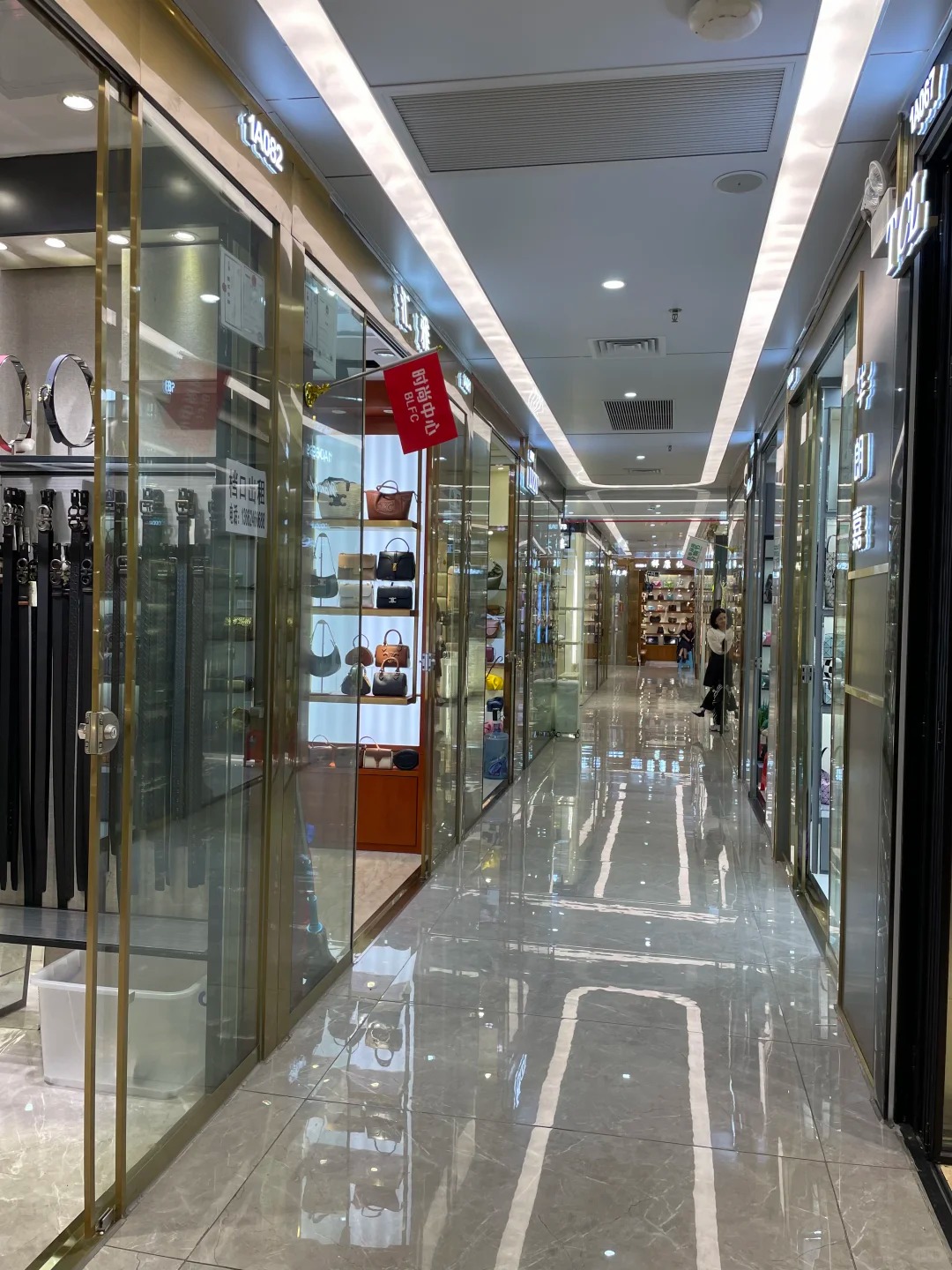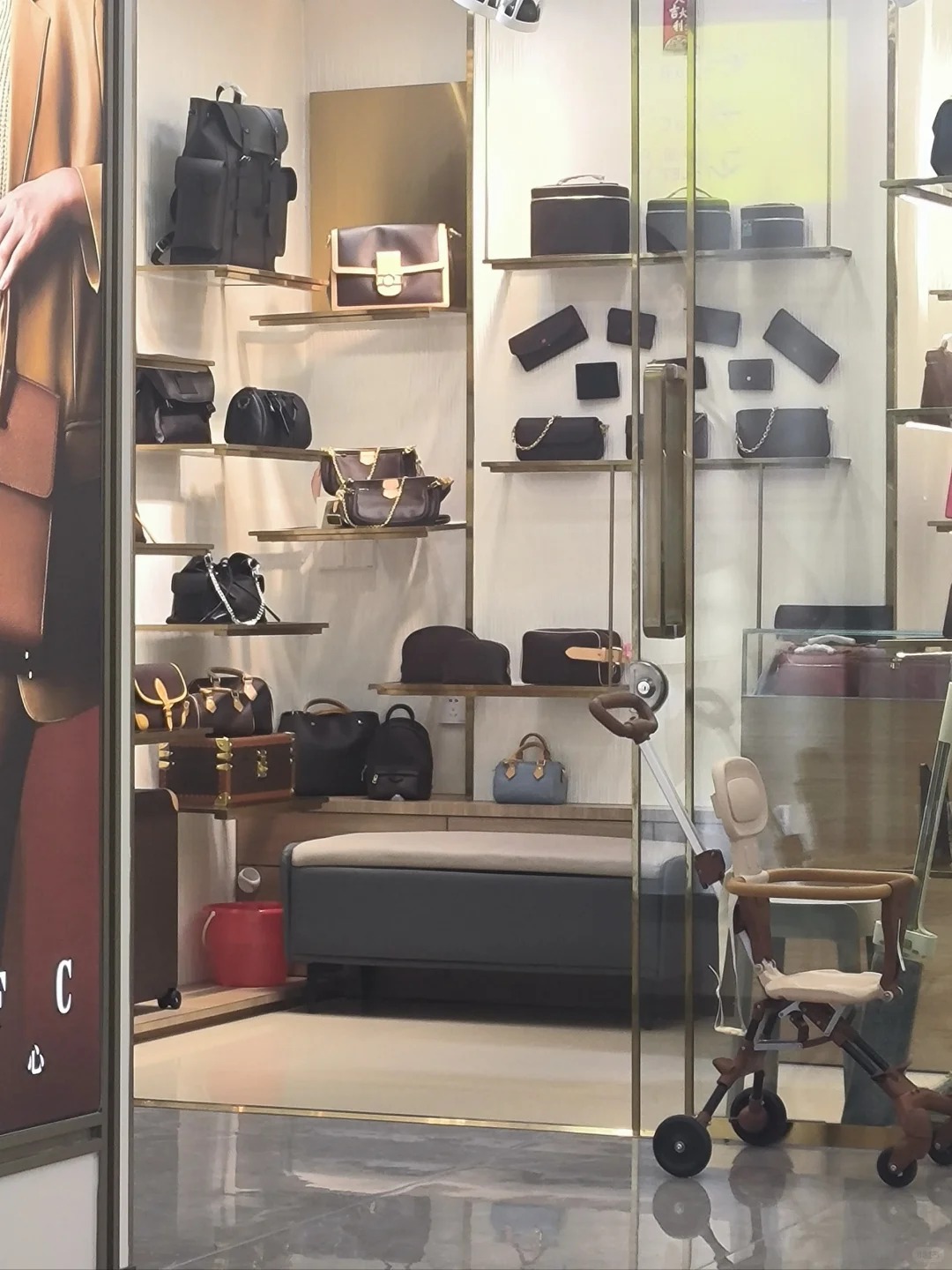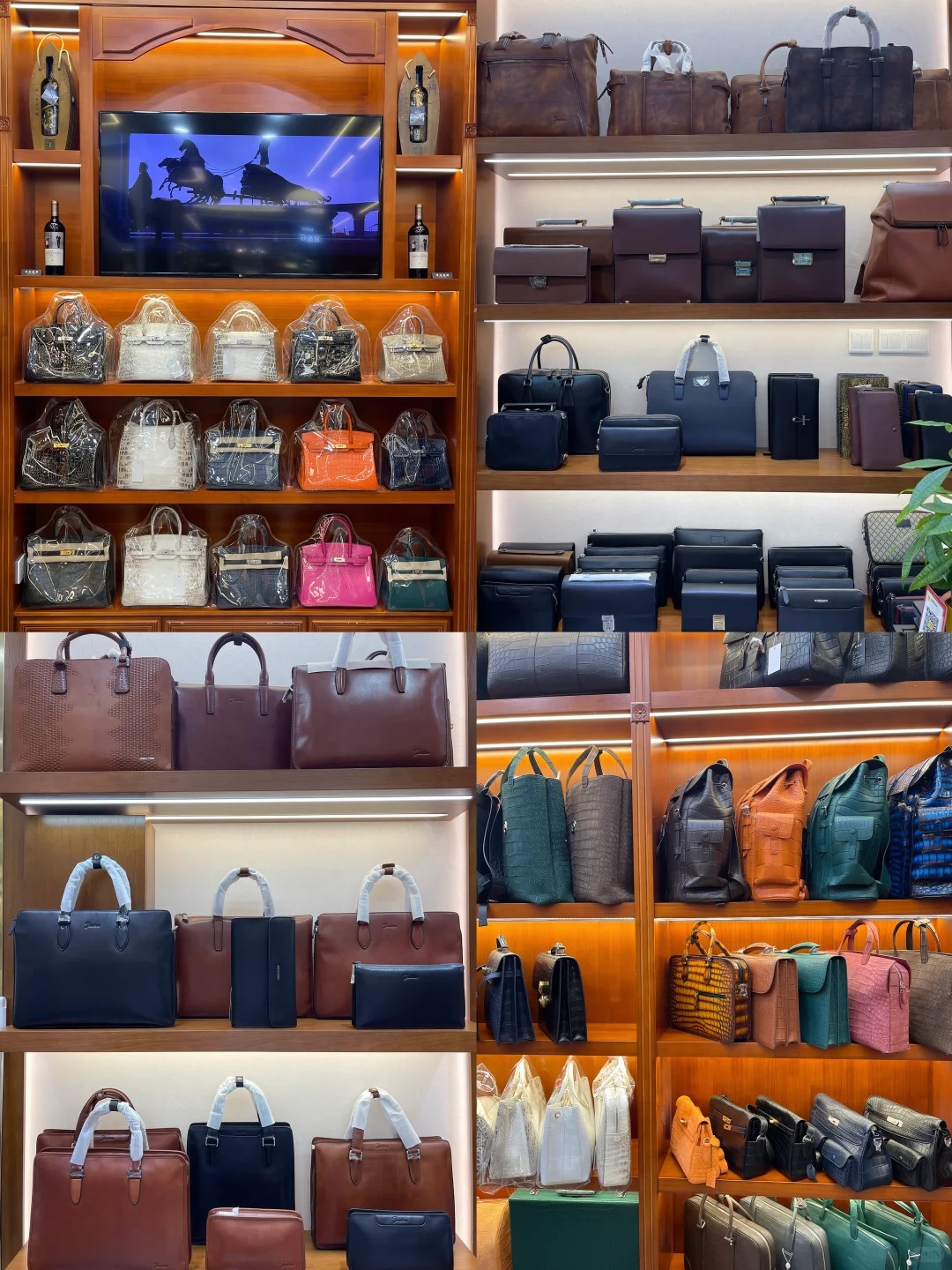

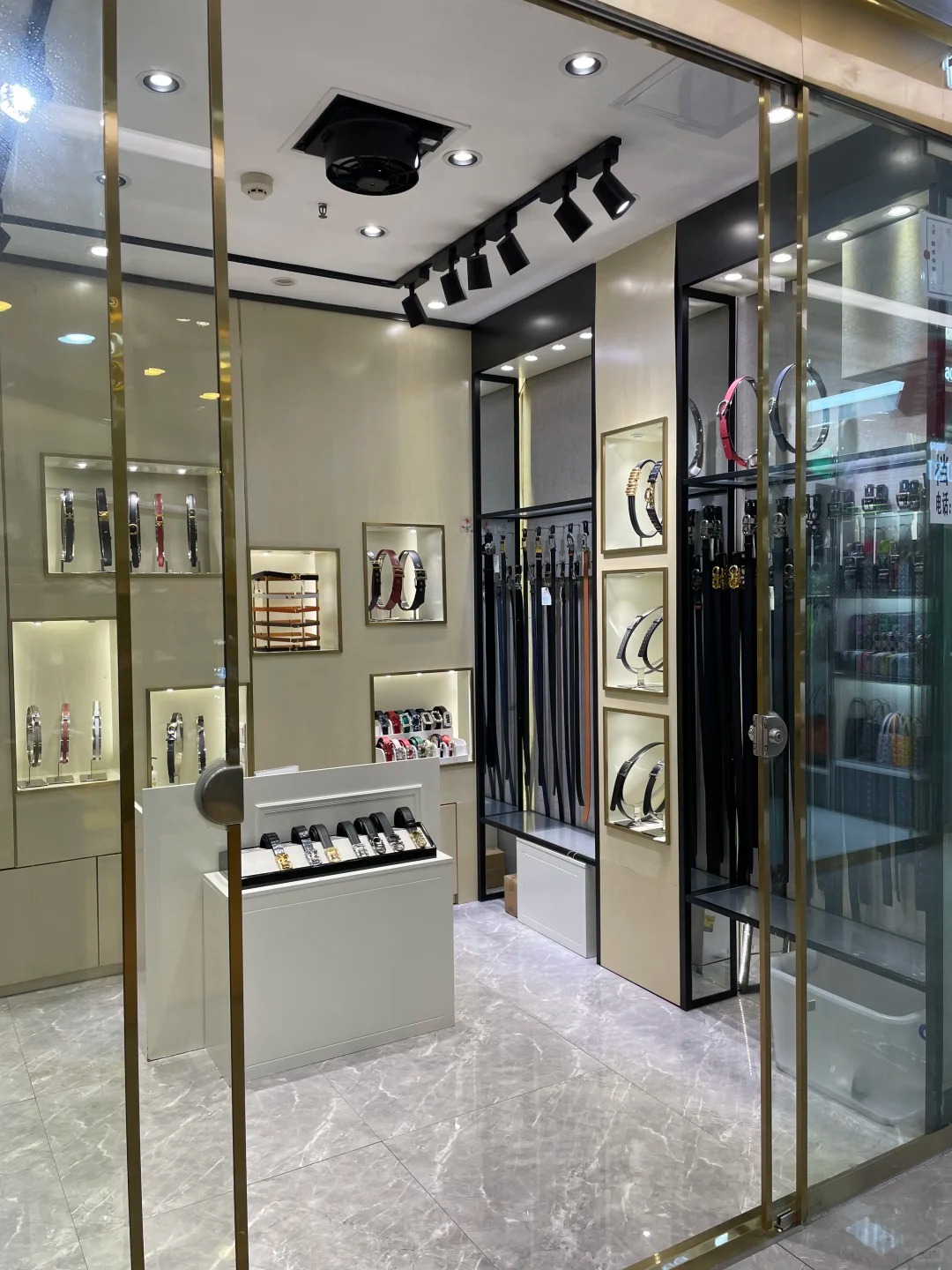
To buy clothes in China, target wholesale markets like Guangzhou’s Shaxian or Hangzhou’s Sijiqing, focus on stalls that show ‘spot goods’ (现货) signs, and physically inspect fabric feel and stitch density. This cuts through layers of middlemen and gets you directly to the source.
Why Go Direct to Wholesale Market Stalls?
Online images lie. In a market stall, you can rub the fabric between your fingers, check the seam strength, and see the color in natural light. Stalls with ‘一手现货’ (initial spot goods) signs hold the first batch of production – meaning no fake orders or delayed MOQs. You pay less, ship faster.
Step 1: Identify Your Market
Guangzhou: Shaxian Wholesale Market (沙河市场)
Known for basic tees, denim, and fast fashion. Most stalls deal in bulk, but many let you mix sizes and colors within a dozen pieces. Check for small factory owners who run their own booth.
Hangzhou: Sijiqing Market (四季青市场)
Better for trendy, high-volume basics. Some upper floors offer ‘档口现货’ (stall spot goods) with digital catalogues for reorders.
Yiwu: International Trade City
Massive, but mainly for accessories. For apparel, stick to specialized markets.
Step 2: Sniff Out Quality & Spot Goods
Don’t just ask ‘how much?’. Grab the hem, pull the seams gently. If you see loose threads or uneven stitches, walk. Good stalls keep fabric swatches handy. Ask for ‘现货样品’ (spot sample) – they’ll often have a box of best-sellers ready to ship.
Many stall owners speak basic English. Use translator apps for specifics. For trusted sourcing, Soudangkou lists verified stalls offering spot goods with real-time inventory.
Common Pitfalls & How to Avoid Them
Fake ‘Factory’ Claims
Many say ‘factory direct’ but are resellers. Only trust stalls that show you the actual production line on video or have a small workshop behind the shop. Spot goods reduce this risk – you see the stock.
Minimum Order Quantities (MOQs)
Most stalls require 12-36 pieces per style. But for spot goods, you can often take 1-2 dozen mixed. Negotiate: ‘I take this box, you give me better price per piece.’
FAQ: Quick Answers on Buying Clothes in China
| Question | Answer |
|---|---|
| Can I buy just one piece? | Rarely. MOQs start at 12 pieces, but spot goods sometimes allow 6-8 pieces per style. |
| How to check fabric quality? | Feel the weight, stretch it lightly. Good cotton has a tight weave, synthetic knits should spring back. |
| Do stalls accept credit cards? | Most prefer WeChat/Alipay or cash. Bring a Chinese helper or use international wire for large orders. |
| What if the clothes arrive damaged? | Check every piece before paying. Spot goods are open to inspection. |
| How to ship from market? | Use a freight forwarder nearby. They consolidate and ship via sea or air. Stall owners can recommend one. |
| Is online sourcing safe? | Risk of misrepresentation. Platforms like Soudangkou verify sellers for spot goods and factory ties, reducing fraud. |
| Best time to visit? | Morning (8-11am) when new stock arrives. Avoid Chinese New Year (February) and Golden Week (October). |
Final Checklist Before You Buy
- Bring a pocket scale to double-check weight vs. price.
- Write down the stall number and take photos of goods with owner’s permission.
- Ask about ‘补货’ (restock) time – spot goods sellers typically replenish weekly.
Buying clothes in China doesn’t have to be a guessing game. Stick to stalls with visible stock, use your hands to judge fabric and stitching, and you’ll walk away with quality goods at factory prices.
广州服装档口相关入口
继续查看相关市场和品类入口,方便对比档口微信、货源范围、拿货方向和试单前需要核实的信息。