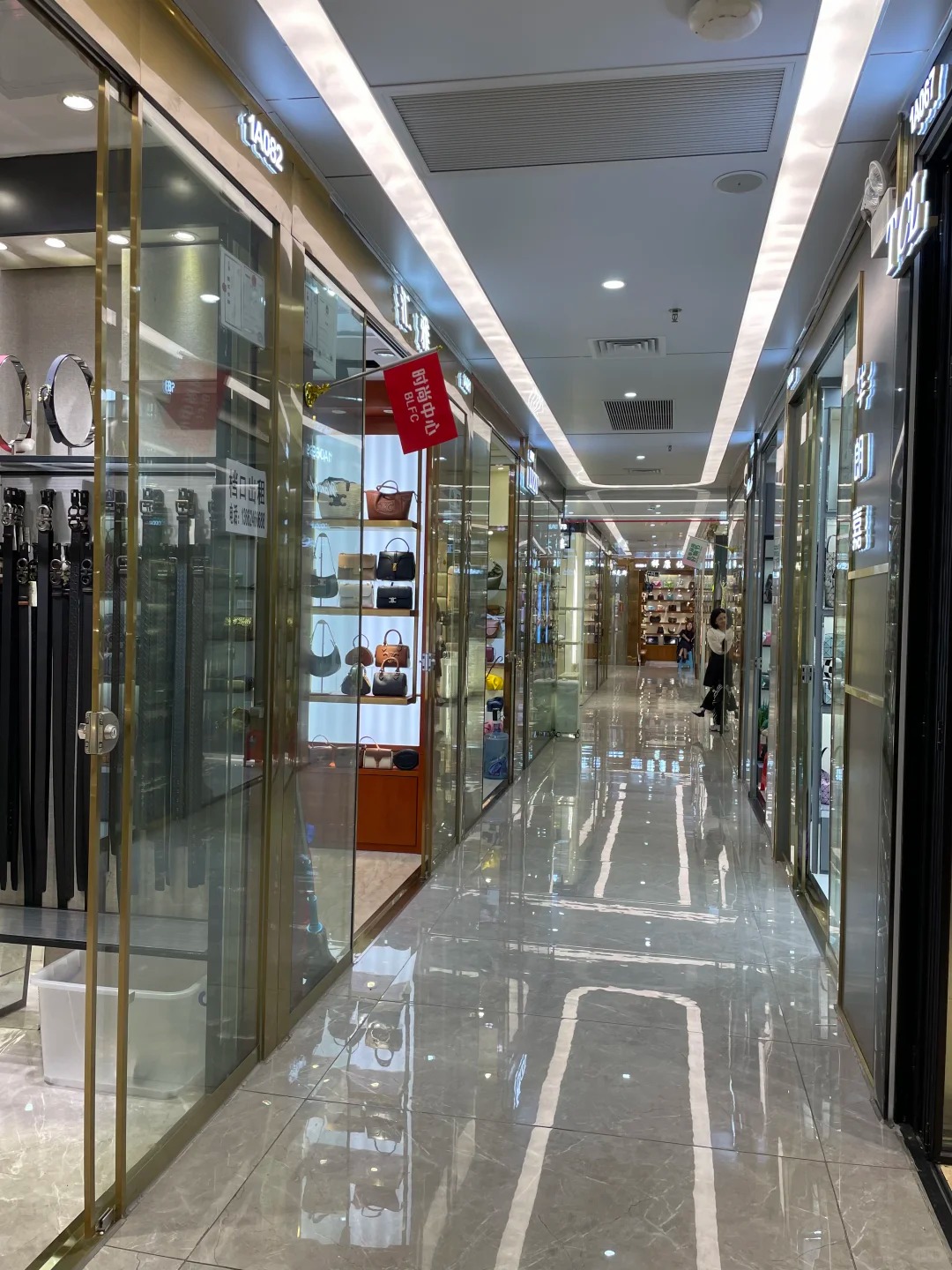

To buy clothes wholesale from China profitably, visit wholesale markets in person or through local sourcing agents, inspect fabric and stitching, and negotiate cash-and-carry for spot goods. Skip the middlemen—head straight to places like Guangzhou’s Shahe or Hangzhou’s Sijiqing, where market stalls offer immediate delivery on thousands of styles.
1. Choose the Right Market
China’s main wholesale hubs include Guangzhou (Shahe, Baima) for trendy women’s wear, Hangzhou (Sijiqing) for basic knits, and Yiwu for accessories. For spot goods (现货), focus on markets where stalls display ready-to-ship items. Avoid large factories that require MOQ of 500+ pieces.
2. Inspect Like a Pro
Fabric & Feel
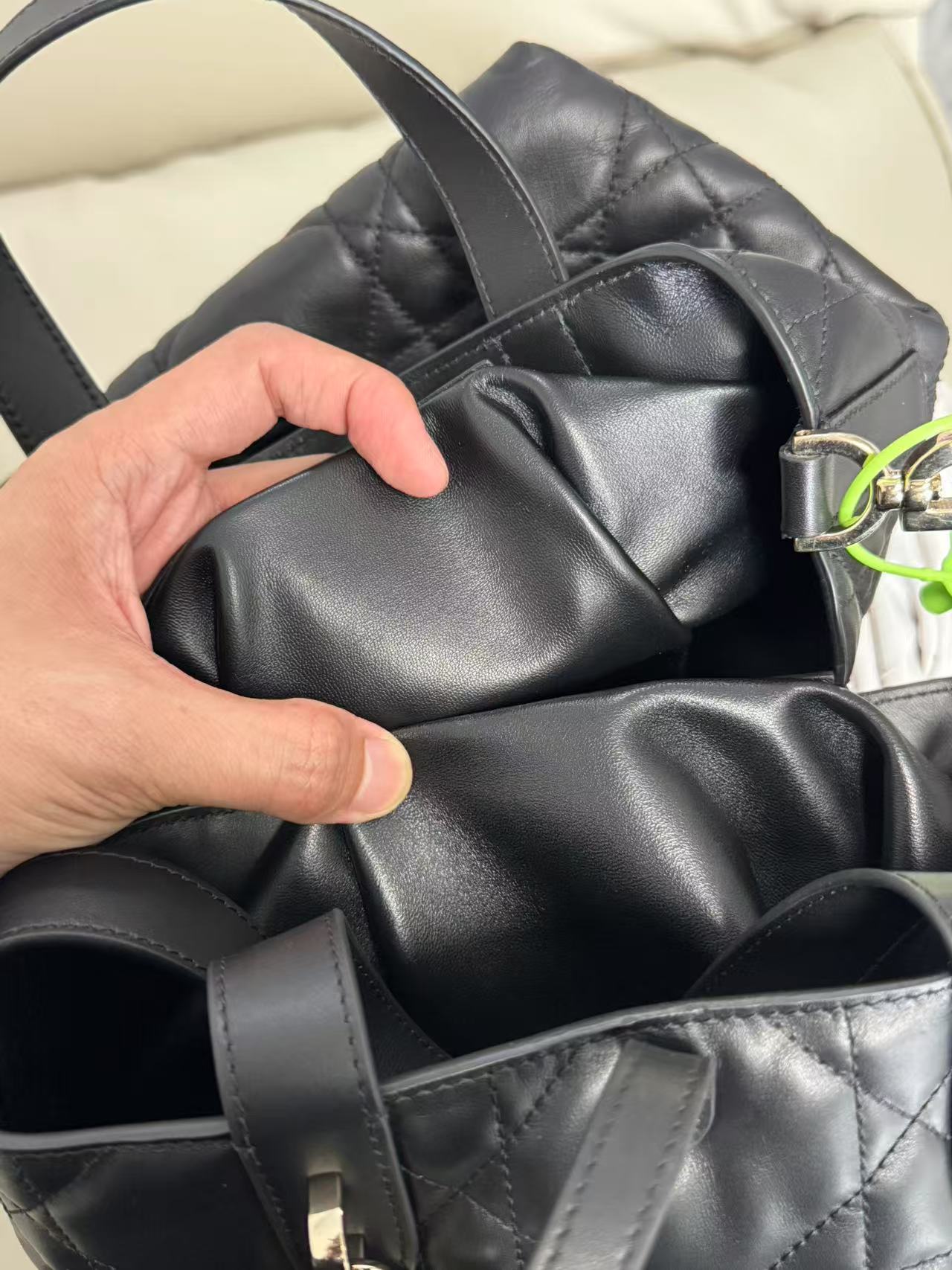
Rub the fabric between your fingers—cheap polyester feels slick and plastic; quality cotton has a soft, natural hand. Ask for the fabric composition tag and burn a thread to confirm (cotton burns to ash, polyester melts).
Stitching & Finish
Check the inside seams: even, double-stitched hems and flat lock seams reduce returns. Turn the garment inside out—loose threads, skipped stitches, or crooked buttonholes are red flags.
3. Negotiate for Spot Goods
Market stalls prefer cash and small quantities. Start with a friendly greeting (“ni hao, laoban”), then ask for the wholesale price (批发价) per piece. If you buy 50–100 pieces of one style, you often get 10–15% off. Demand a 2–3% discount for cash payment—stall owners avoid transaction fees.
4. Verify Quality On Site
Always request a sample piece before bulk purchase. Most stalls sell samples at cost (sample fee). Use a light and a ruler to measure garment dimensions against your spec sheet. Common deviation tolerance: 1–2 cm.
5. Payment & Shipping
For first-time buys, pay 30% deposit, 70% before shipment. Small stalls accept WeChat/Alipay, but cash gets better prices. Use Soudangkou to find verified stall suppliers with real-time stock updates. Consolidate shipments with other buyers to lower freight costs.
FAQ: Buying Clothes Wholesale from China
| Question | Answer |
|———-|——–|
| What’s the minimum order quantity (MOQ) for Chinese market stalls? | Usually 5–10 pieces per style, much lower than factories. Some stalls even allow 1 piece sampling. |
| How do I avoid fake fabrics? | Request a fabric swatch, perform a burn test, and check the care label. Trusted stalls provide composition guarantees. |
| What are the best payment methods? | Cash in person offers the best discounts; T/T bank transfer for repeat orders. Never wire full payment upfront. |
| How long does shipment take? | For spot goods, 2–3 days within China; international shipping via express (3–7 days), sea (15–30 days). |
| Can I return defective items? | Chinese market stalls do not accept returns. Always inspect before paying. Some suppliers offer exchange for same-style defective units. |
| What if I can’t travel to China? | Use sourcing agents or platforms like Soudangkou to connect with stall owners who offer video inspection and direct shipping. |
| How to spot a reliable stall? | Look for high foot traffic, displayed licenses, and willingness to chat openly. Check their online reviews on Chinese B2B apps. |
6. Common Pitfalls to Avoid
- Relying only on photos: Colors and fabrics often differ. Always request a physical sample or video call.
- Ignoring seasonality: Chinese markets produce for seasons ahead—buy winter coats in summer to get lower prices.
- Not checking sizing: Chinese sizing runs small. Provide detailed size charts and ask for garment measurements.
With these tactics, you’ll source clothes like a seasoned pro, directly from the market stalls that power global fast fashion. Remember: spot goods mean faster turnaround, lower minimums, and better cash flow.
广州服装档口相关入口
继续查看相关市场和品类入口,方便对比档口微信、货源范围、拿货方向和试单前需要核实的信息。