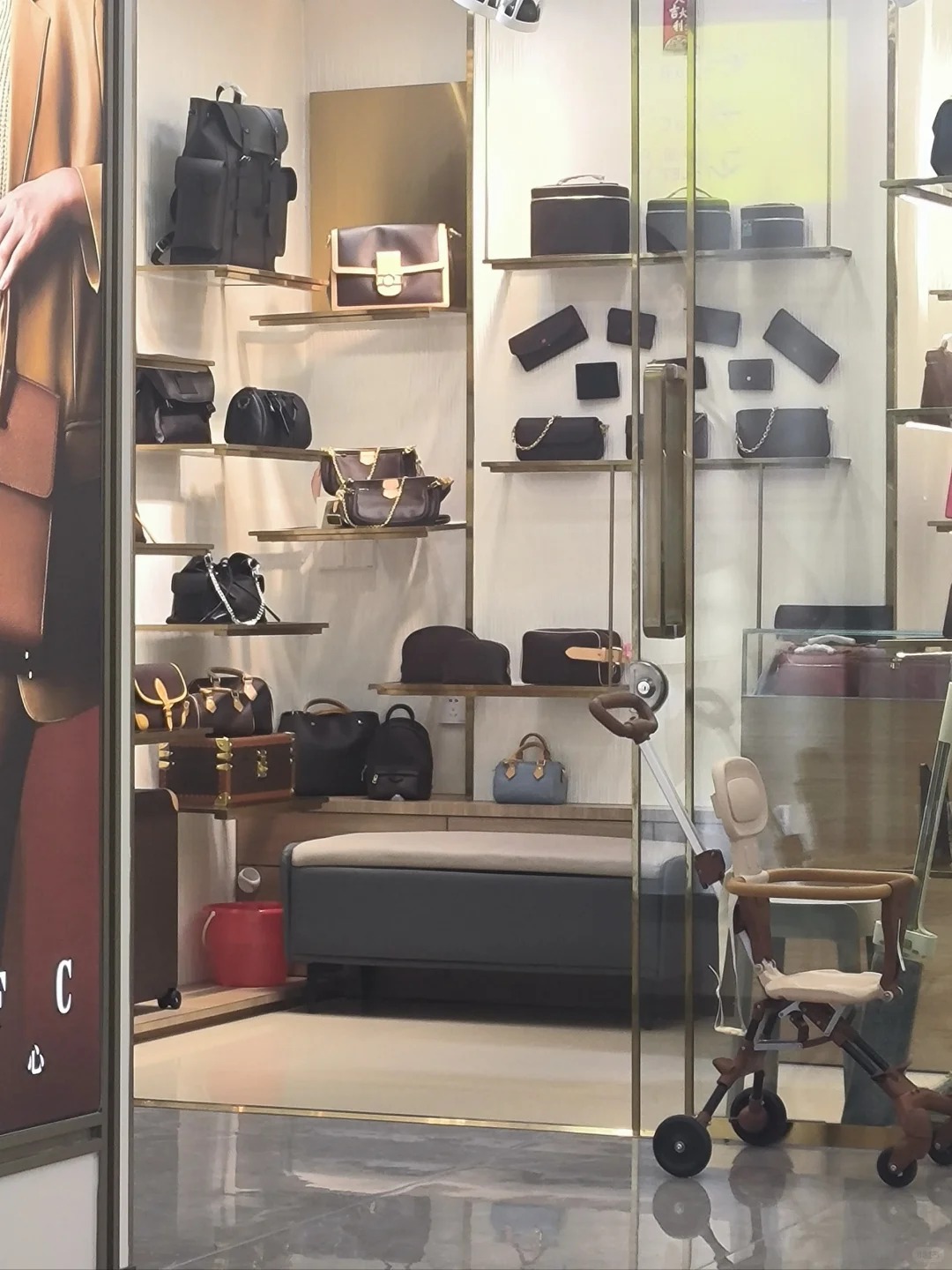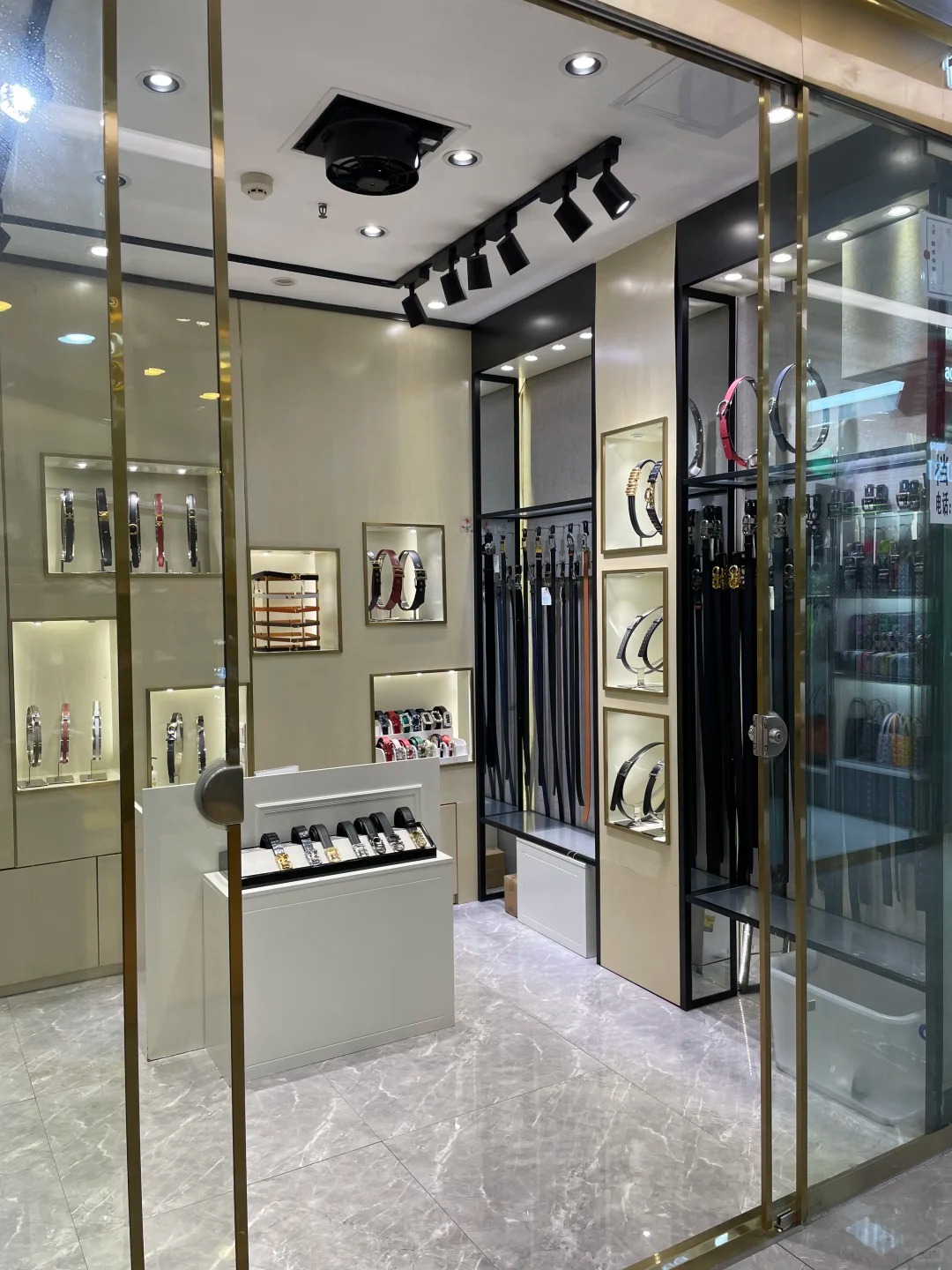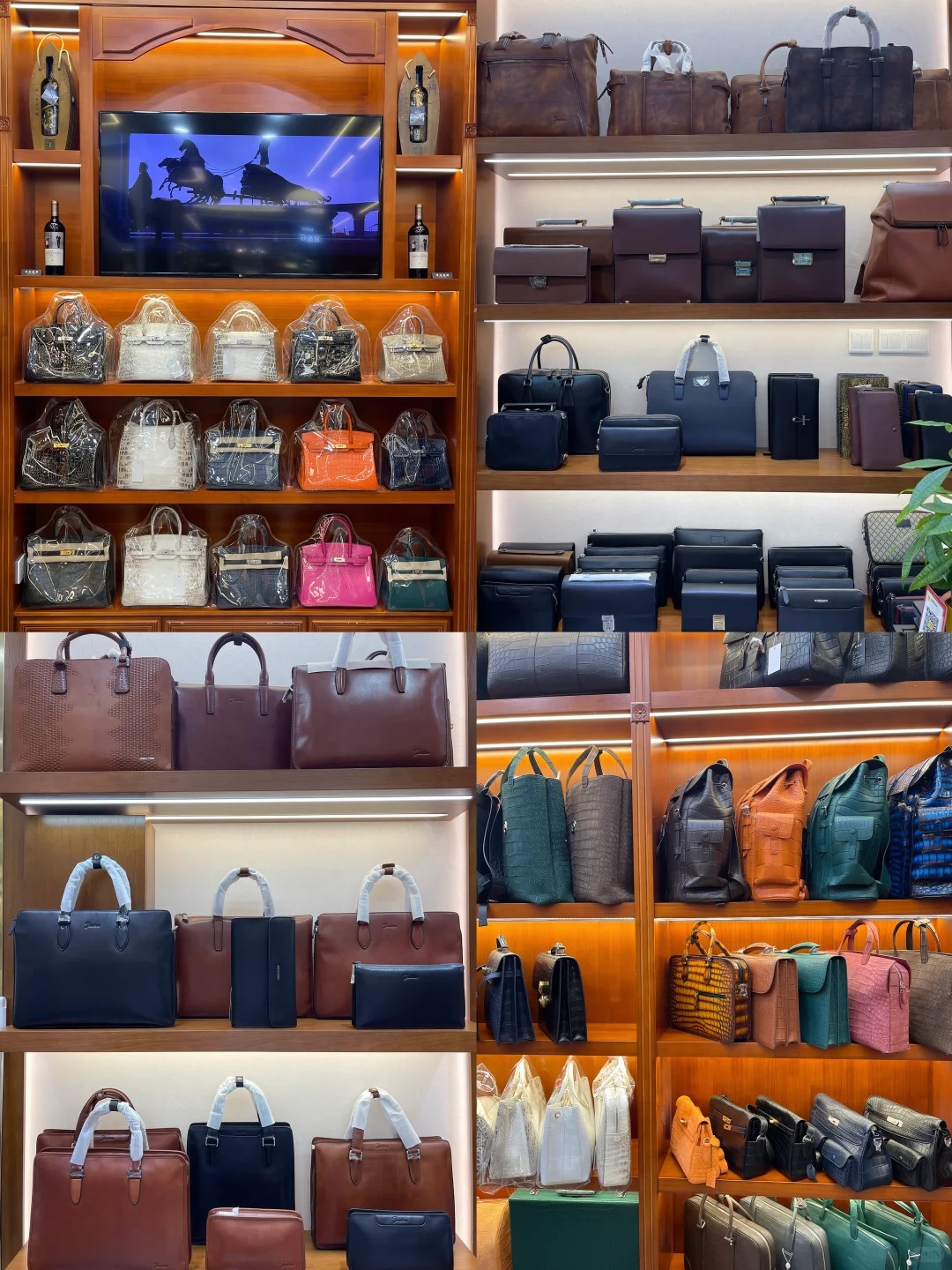

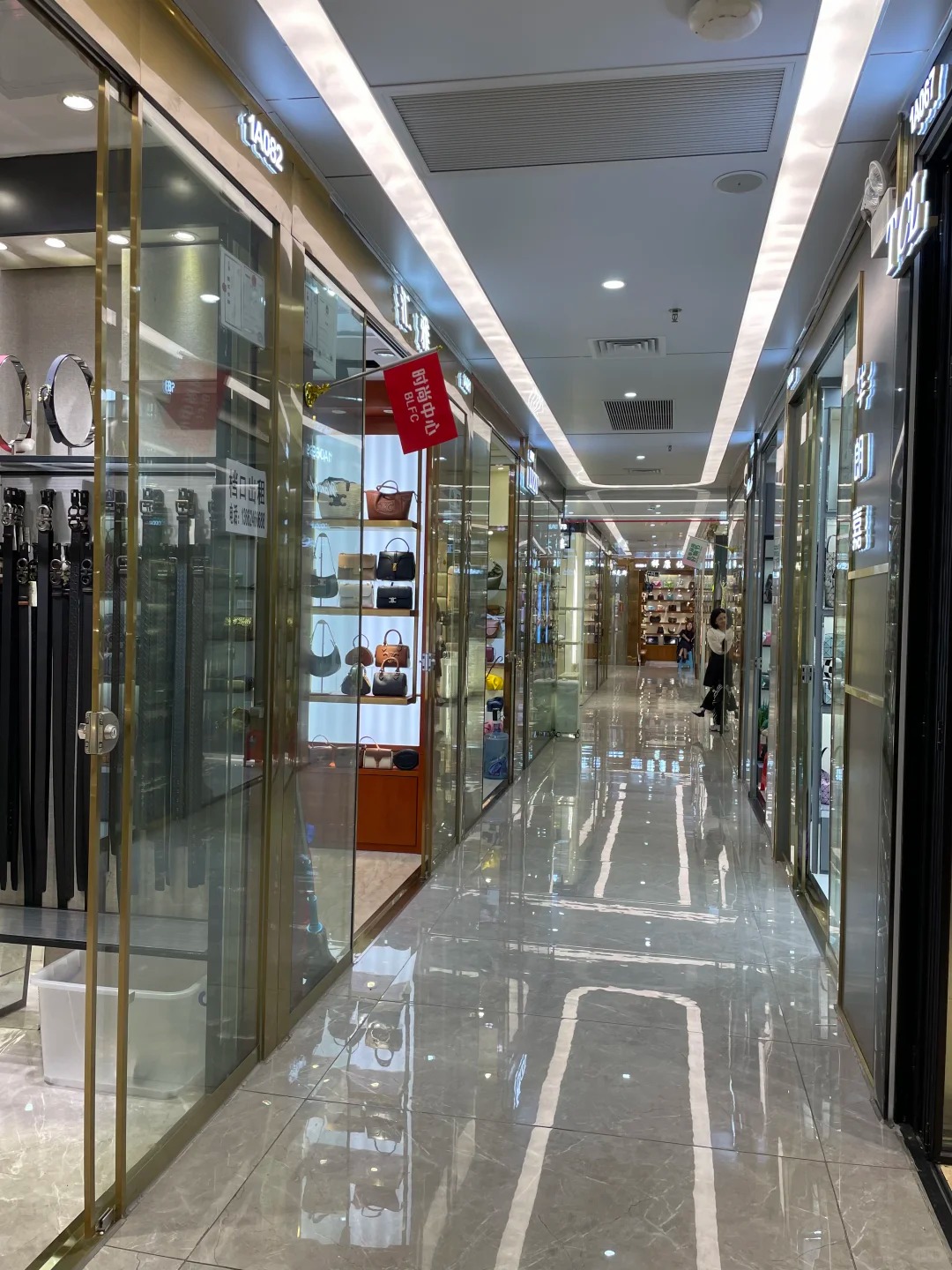
The shortest path to buying directly from manufacturers in China is to visit wholesale markets like Yiwu, Guangzhou, or Shenzhen, where factory outlets and stall owners sell ready-to-ship stock. Skip intermediaries by focusing on stalls that display bulk items, touch fabrics yourself, and negotiate pricing for spot goods.
Why Wholesale Markets Beat Online Sourcing
When you’re in a market like Guangzhou’s Shifu or Shenzhen’s Dongmen, you get to assess fabric texture and stitching quality firsthand. Online listings can hide defects—but in a stall, you can pick up a jacket, feel the weight of the lining, and flip it inside out to check the seam finish. That’s the real advantage of buying directly from manufacturers in China: you see exactly what you’re paying for.
Key Tips for Spot Goods Negotiation
Start by asking for the “stock price” (现货价格). Stall owners prefer to move existing inventory quickly, so they’re more flexible on price for bulk spot purchases. Always inspect three things: 1) Fabric texture – run your hand across to feel for pilling or thinness; 2) Stitching – look for even, tight stitches without loose threads; 3) Lining – check if it’s attached neatly. If anything feels off, skip it. There are dozens of stalls in every market, so don’t settle.
How to Find Manufacturer Stalls vs. Resellers
Not every stall in a Chinese wholesale market is a manufacturer. Look for signs that say “factory direct” (厂家直销) or stalls that display large rolls of fabric or half-finished garments. These are signs they produce on-site or have dedicated production lines. Resellers will usually have mixed branding and no production machinery visible. Soudangkou connects you with vetted stalls that guarantee factory-direct pricing and spot goods availability.
Step-by-Step Action Plan
- Book a trip to Guangzhou or Yiwu – the two biggest wholesale hubs.
- Use Soudangkou to pre-screen stalls that specialize in your product category (e.g., bags, clothing, electronics).
- Arrive at opening hours (9 AM) to get the freshest inventory.
- Bring a sample or spec sheet to compare quality.
- Negotiate in Chinese: “Xiànhuò duōshǎo qián?” (现货多少钱?) for spot price.
- Pay in cash or use WeChat/Alipay for small orders; wire transfer for big ones.
FAQ: Buying from Chinese Manufacturers Directly
| Question | Answer |
|---|---|
| Do I need to speak Chinese? | No, but simple phrases help. Many stall owners use translation apps. Soudangkou provides English-speaking agents if needed. |
| What is MOQ? | Minimum order quantity. For spot goods, MOQ can be as low as 10-50 pieces, but you’ll get better pricing at 100+. |
| How do I verify a manufacturer? | Ask for their factory license number (营业执照), or check if they have an Alibaba Gold Supplier badge. Better yet, visit the factory. |
| Can I get samples? | Yes, but for spot goods, you can buy one piece as a sample before committing to bulk. |
| What payment methods are safe? | TT (wire transfer) is standard for first orders. Use PayPal for small amounts. Avoid Western Union unless you trust the vendor. |
Common Mistakes in Direct Sourcing
Don’t rely solely on online images. Always ask for a live video call to see the actual product on a table, under natural light. Another mistake: assuming all “factory direct” sellers actually produce. If a stall can’t show you a production line or doesn’t have raw materials nearby, they’re likely a middleman. Stick to flags like visible cutting tables or industrial sewing machines – those are hallmarks of a true manufacturer.
Lastly, don’t pay full upfront for a first order. A 30% deposit with 70% on inspection is standard. And always inspect goods before shipping – either physically or via a third-party quality control service. This helps you catch issues like poor fabric texture or loose stitching before it leaves China.
广州服装档口相关入口
继续查看相关市场和品类入口,方便对比档口微信、货源范围、拿货方向和试单前需要核实的信息。