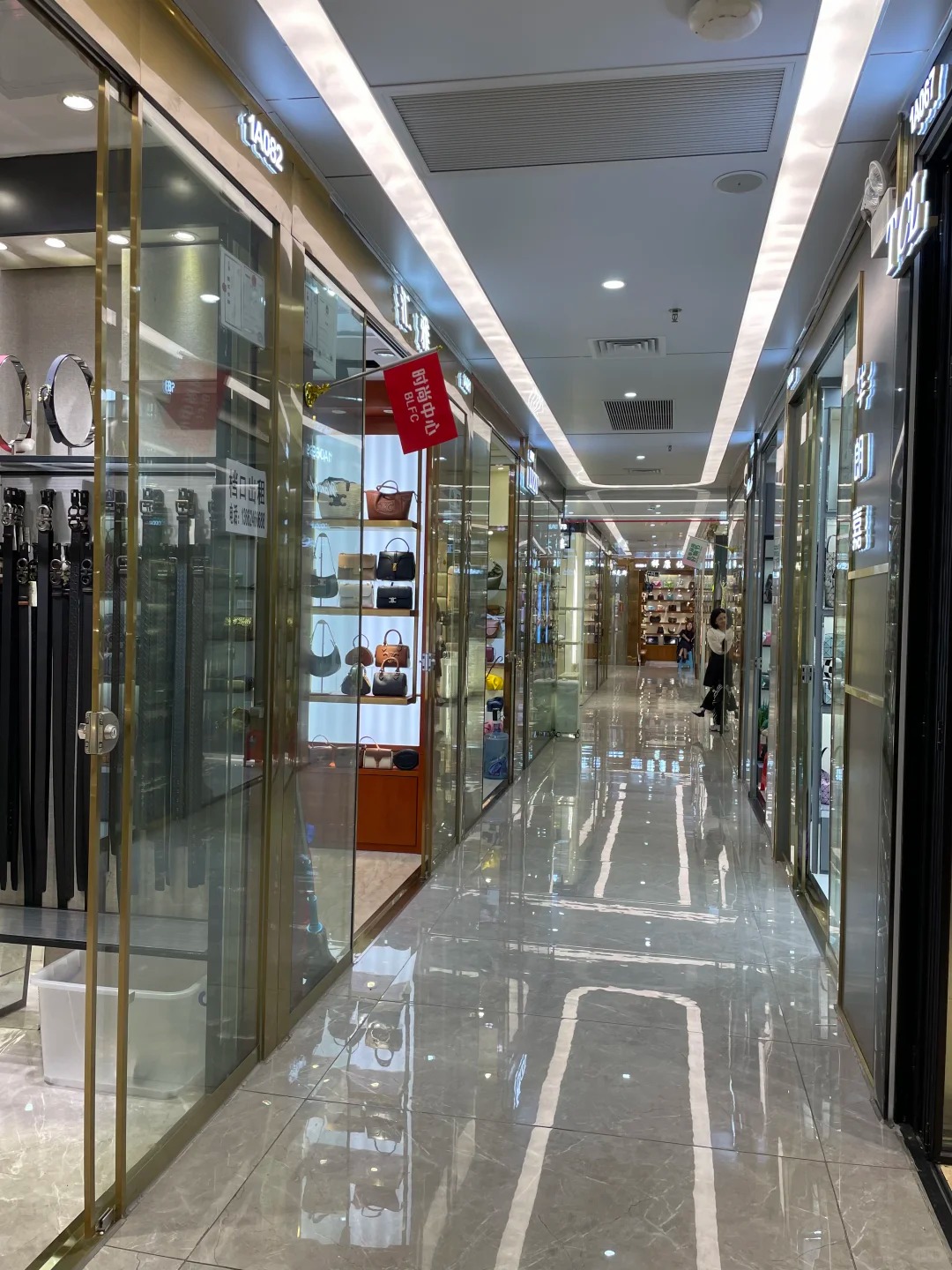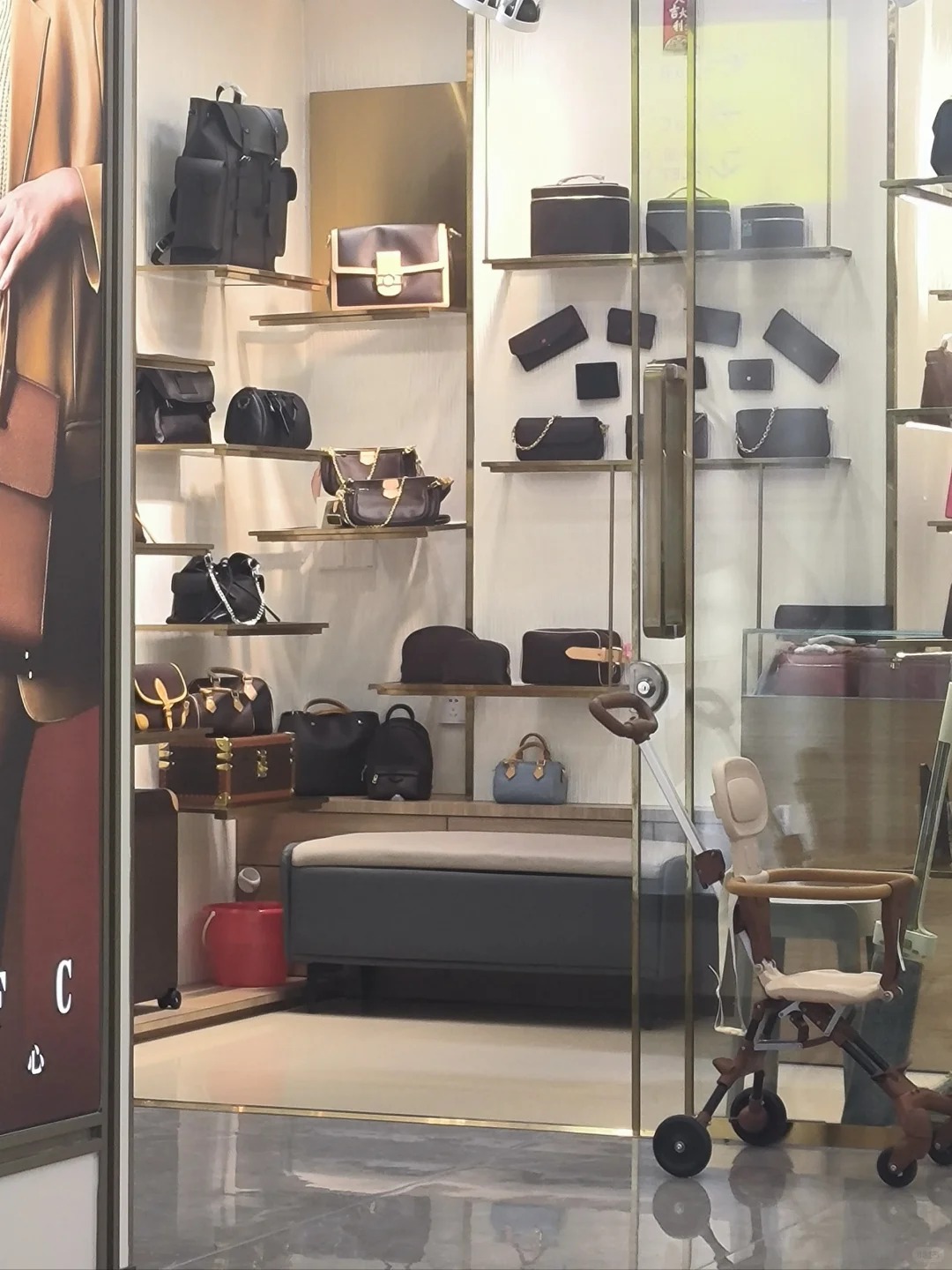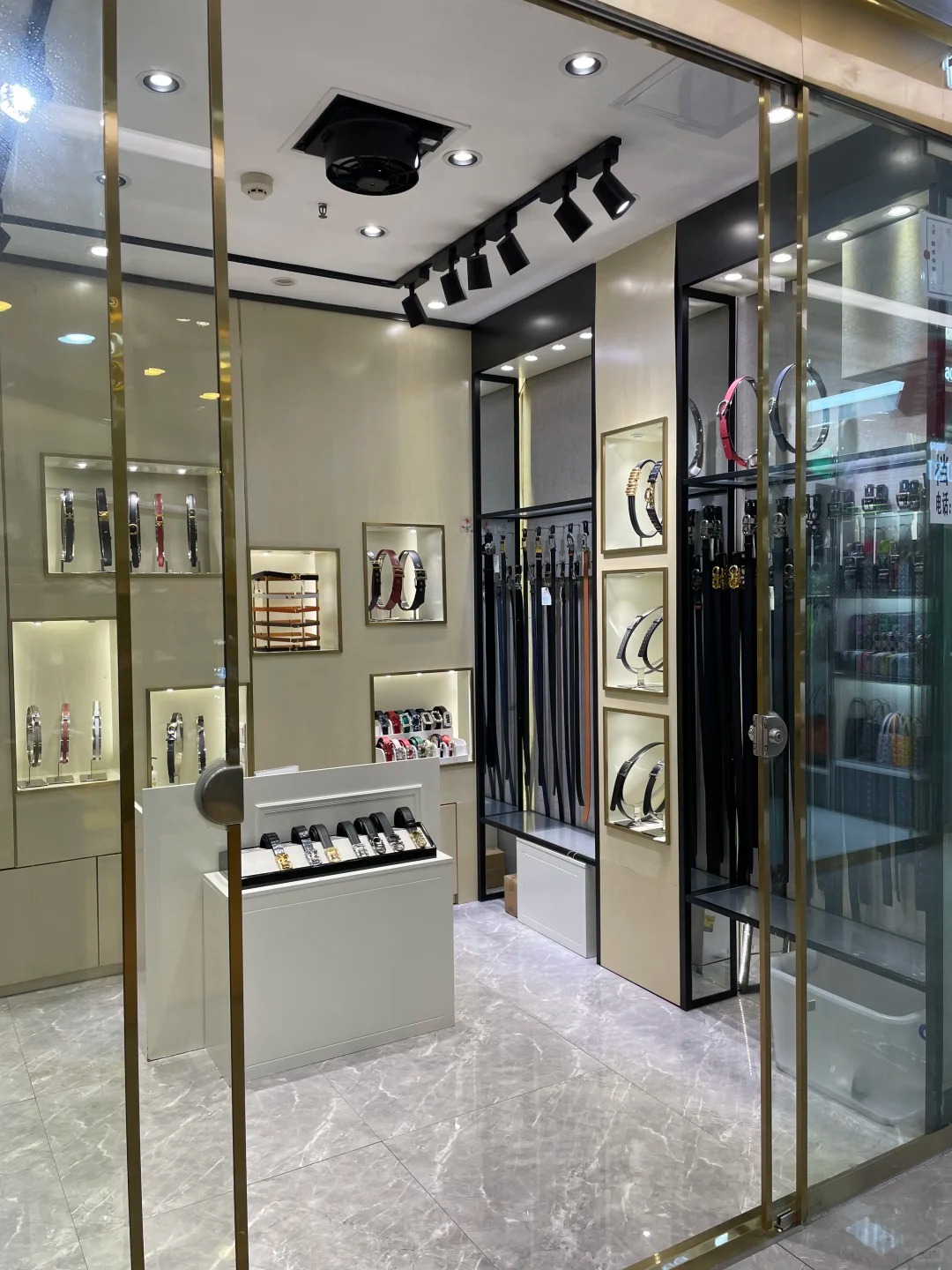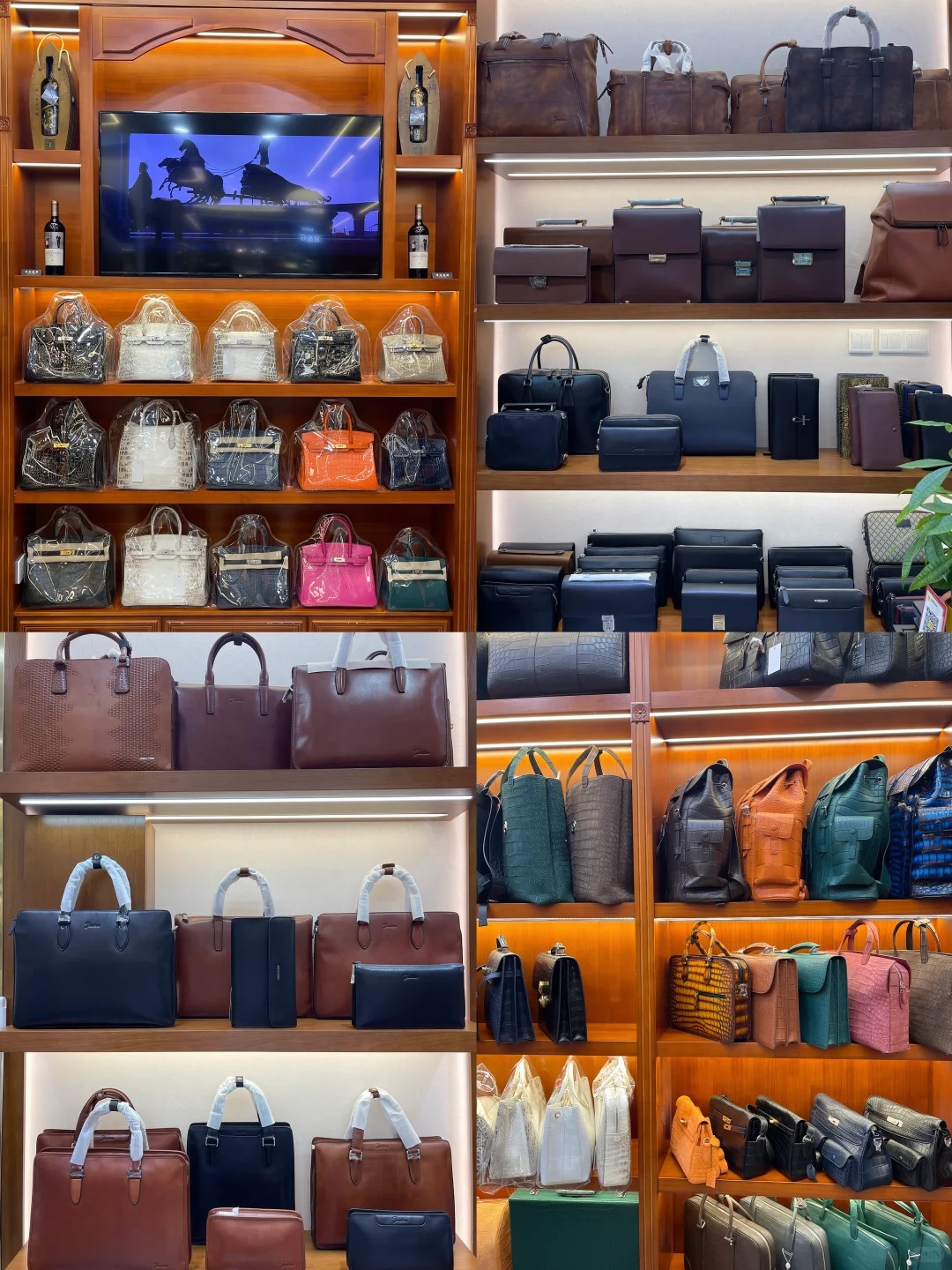

To buy real designer-quality clothes from China, focus on wholesale markets like Guangzhou’s Shifu or Soudangkou, where stalls offer premium unbranded or factory-original pieces. The key is checking fabric feel and stitching details. Skip the hype on luxury brand names; Chinese factories produce for major labels, so you can source identical quality without the tag. This guide covers how to inspect stock, negotiate pricing, and secure the best samples.
Why Chinese Wholesale Markets?
Markets like Shifu in Guangzhou offer hundreds of stalls with direct factory access. You get first-hand prices (often 70% less than retail) and can physically inspect fabric, lining, and seams. The focus is on gradient quality: A-grade fabrics with tight stitching vs. B-grade with loose threads. Always request a sample roll or swatch before bulk orders.
How to Check Quality at the Stall
Fabric Feel
Rub the fabric between your fingers. Good silk feels cool and slightly nubby; polyester blends can be too shiny. Cotton should feel dense, not flimsy. Ask for burn test—natural fibers smell like hair, synthetics like plastic.
Stitching & Seams
Turn the garment inside out. Look for double-stitched seams (common on luxury items) and flat-felled seams (stronger). Tug on buttons—shouldn’t budge. Loose threads are a red flag. A good trick: pull the seam; if it gaps, it’s weak.
Lining & Zippers
Lining should be slick and not bunch up. Zippers from YKK (Japanese brand) are standard in quality items. Check zipper teeth alignment and smooth glide. Magnets on metal parts? Means cheap brass instead of quality alloy.
Negotiating Like a Pro
First price is always inflated. Offer 50-60% of asking, then settle at 70%. Use cash as leverage. Buy multiple pieces for discount. Stall owners respect quick decisions—linger too long and price hardens. Ask for sample rate before bulk; some stalls sell samples at cost.
FAQ
| Question | Answer |
|---|---|
| Can I get real brand labels? | Most stalls will not attach brand labels due to legal issues. You can order custom labels separately. Focus on quality, not tags. |
| Minimum order quantity? | Usually 1-5 pieces per style for sample, 10-50 for bulk. Negotiate more for higher quantity. |
| Which market is best? | Guangzhou’s Shifu is top for designer-like garments. For silk, go to Kunming. Soudangkou is great for quick ship. |
| How to avoid scams? | Inspect goods before payment. Use escrow if online. Trust stalls that show factory pics. |
| Shipping costs? | Weight-based. Express (3-5 days) $10-20/kg; sea (30-40 days) $4-8/kg for bulk. |
My Stall Check Experience
Walk into a crowded Guangzhou stall. Owner eyes you. Don’t look lost—state exactly: “I need 5 pieces of this jacket, A-grade, show me lining.” They’ll hand you a sample. Feel the fabric: slick polyester? Move on. Cotton with tight 3-thread stitching? Ask price. At Soudangkou, I found a linen blazer with mother-of-pearl buttons for $12 sample—retail $250. The trick: ask for factory seconds (minor flaws) at 40% off.
Final Tips
- Always check dye quality: rub white cloth on dark fabric—no bleeding.
- Snap buttons: should be solid, not hollow-sounding.
- Ask for stock list (often on WeChat).
- Visit multiple stalls; quality varies within same market.
China’s wholesale markets are a goldmine for designer-quality clothes if you know what to look for. Focus on construction details and negotiate smartly. That
$50 dress you found? It likely sells for $500 in a boutique. Happy sourcing!
广州服装档口相关入口
继续查看相关市场和品类入口,方便对比档口微信、货源范围、拿货方向和试单前需要核实的信息。