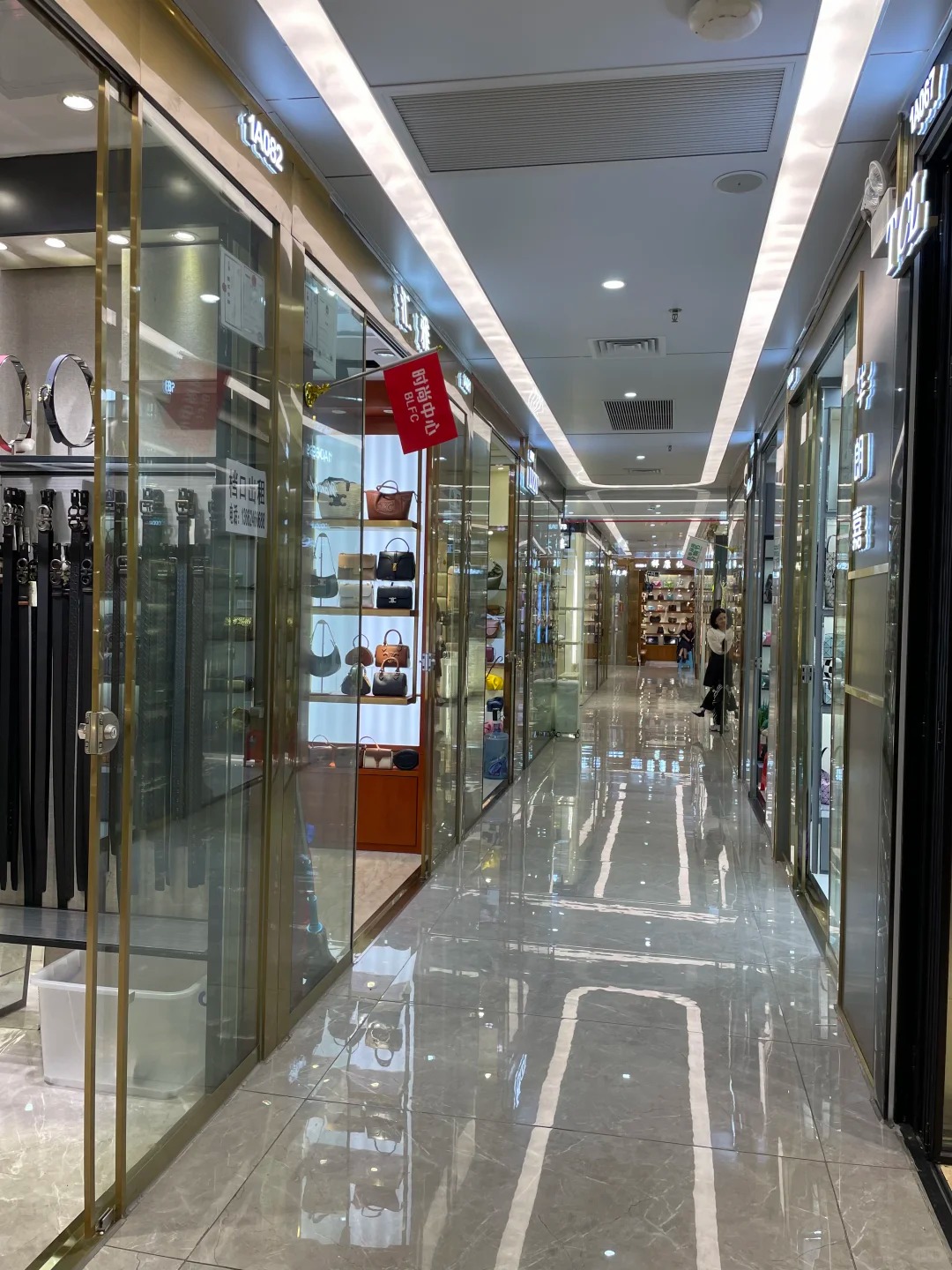

Buying fabric from China is straightforward when you target wholesale market stalls with spot goods, not long production lines. The key is to visit or work with vendors in cities like Guangzhou (Guangda, Zhongda) or Keqiao (China Textile City) – but you can also source remotely via platforms like Soudangkou. Here’s how to get it right, focusing on spot goods, texture feel, and stitching quality.
1. Know Your Fabric: Types & Quality Tiers
Chinese markets are segmented by quality. For apparel, you’ll find:
- Polyester blends: Cheap, versatile – check for pilling resistance.
- Cotton fabrics: Look for thread count (TC) and feel – real cotton wrinkles, unlike poly-cotton.
- Linen and ramie: Natural slubs are normal; harsh chemical softeners are not.
- Rayon/viscose: Often draped – check for shrinkage and dye bleeding.
Always request a strike-off or sample before bulk orders. Markets like Zhongda have hundreds of stalls; walk around and touch fabrics to compare.
2. Where to Buy: Wholesale Markets vs. Online
Physical Markets (Keqiao, Guangzhou)
Keqiao is the largest. Go to Building A, B, or C – each floor specializes (e.g., B1 for cotton, 3F for silk). Bring a flashlight to inspect weave density and a lighter for fiber burn tests.
Online Platforms (including Soudangkou)
Platforms like Soudangkou let you browse stall inventory digitally. Filter by 现货 (spot goods) and check vendor ratings. Always request photos of the actual fabric (not stock images) and ask for a 30cm sample sent via DHL.
3. Evaluating Quality: Texture & Workmanship
When you have a sample:
- Feel test: Rub the fabric between fingers – cheap ones feel scratchy or overly slippery.
- Stretch test: Stretch horizontally and vertically – poor recovery indicates low elasticity.
- Stitching: For finished fabrics (like denim with hems), examine stitch density (10-12 stitches per inch is good).
- Color fastness: Rub a white cloth on dyed fabric – if color transfers, reject.
4. Negotiation Tactics for Spot Goods
Stall owners expect bargaining. Start at 60-70% of quoted price. For spot goods (already in stock), they can give better discounts than custom orders. Ask about 存量 (stock quantity) – large volumes mean they want to move fast.
Payment: Usually 30% deposit, 70% before shipment. For small orders (< $300), full payment upfront is common.
FAQ: Common Questions When Buying Fabric from China
| Question | Answer |
|---|---|
| What is the minimum order quantity (MOQ)? | For spot goods: often 1 roll (50-100 yards). For custom: 500-1000 yards. |
| How do I avoid scams? | Only pay via Alibaba Trade Assurance or similar escrow. Never transfer to personal accounts. |
| What shipping methods are best? | Small samples: DHL/FedEx (3-5 days). Bulk: sea freight (20-30 days). Consolidate to save cost. |
| Can I inspect fabric before shipping? | Yes – hire a third-party inspection (e.g., SGS) for orders over $2000. |
| What are common quality issues? | Shade variation between rolls, off-grain prints, and chemical smell. |
| Is it cheaper than local suppliers? | Often 30-50% less, but add duties and shipping. For small quantities, maybe not. |
5. Final Words: Go for Spot Goods
To buy fabric from China successfully, prioritize 现货 (spot goods). They are immediate, inspectable, and negotiable. Use platforms that aggregate stall inventory, like Soudangkou, to compare options remotely. Always validate with samples and trust your hands – the fabric you touch tells the truth. Happy sourcing!
广州服装档口相关入口
继续查看相关市场和品类入口,方便对比档口微信、货源范围、拿货方向和试单前需要核实的信息。