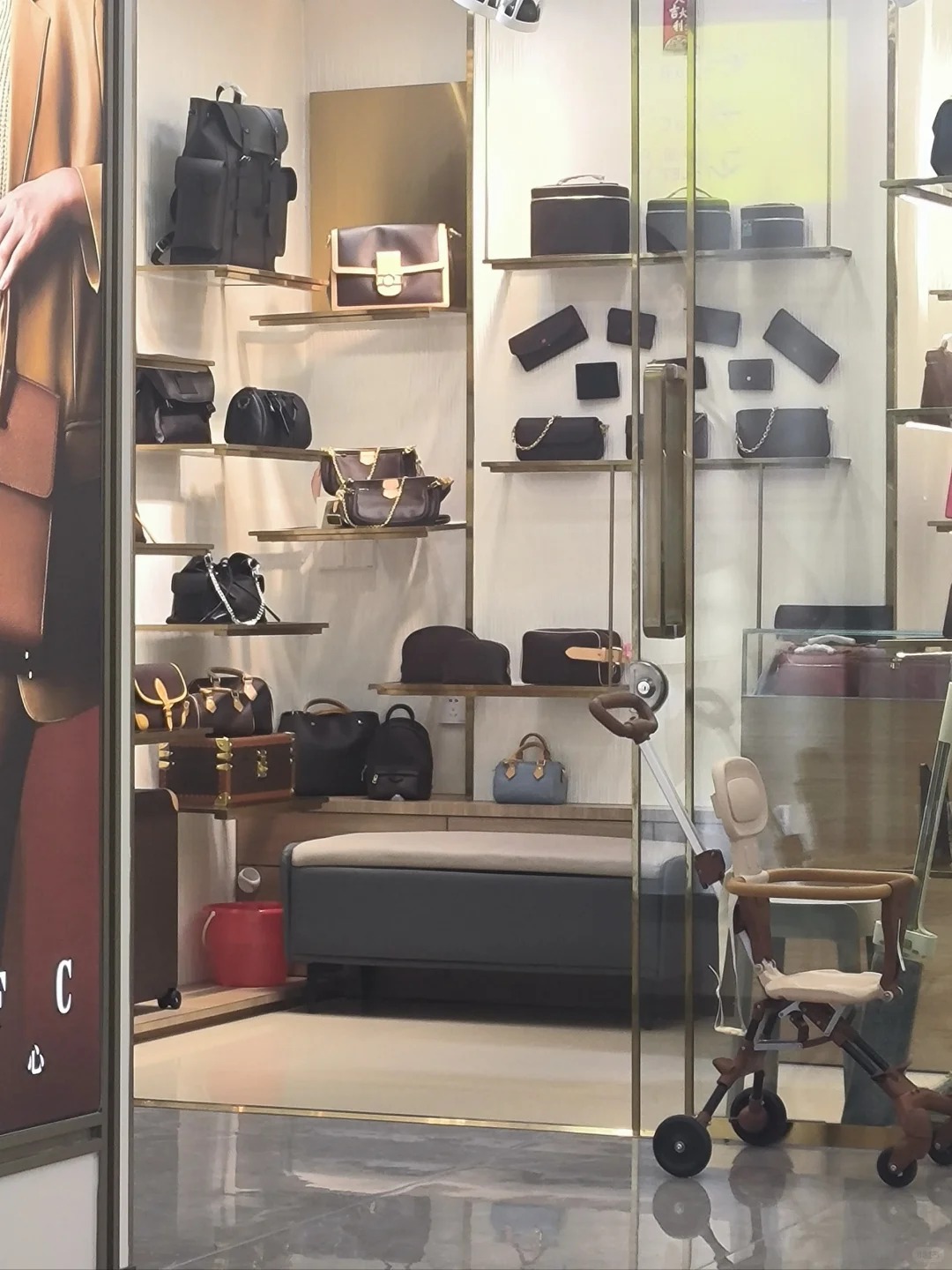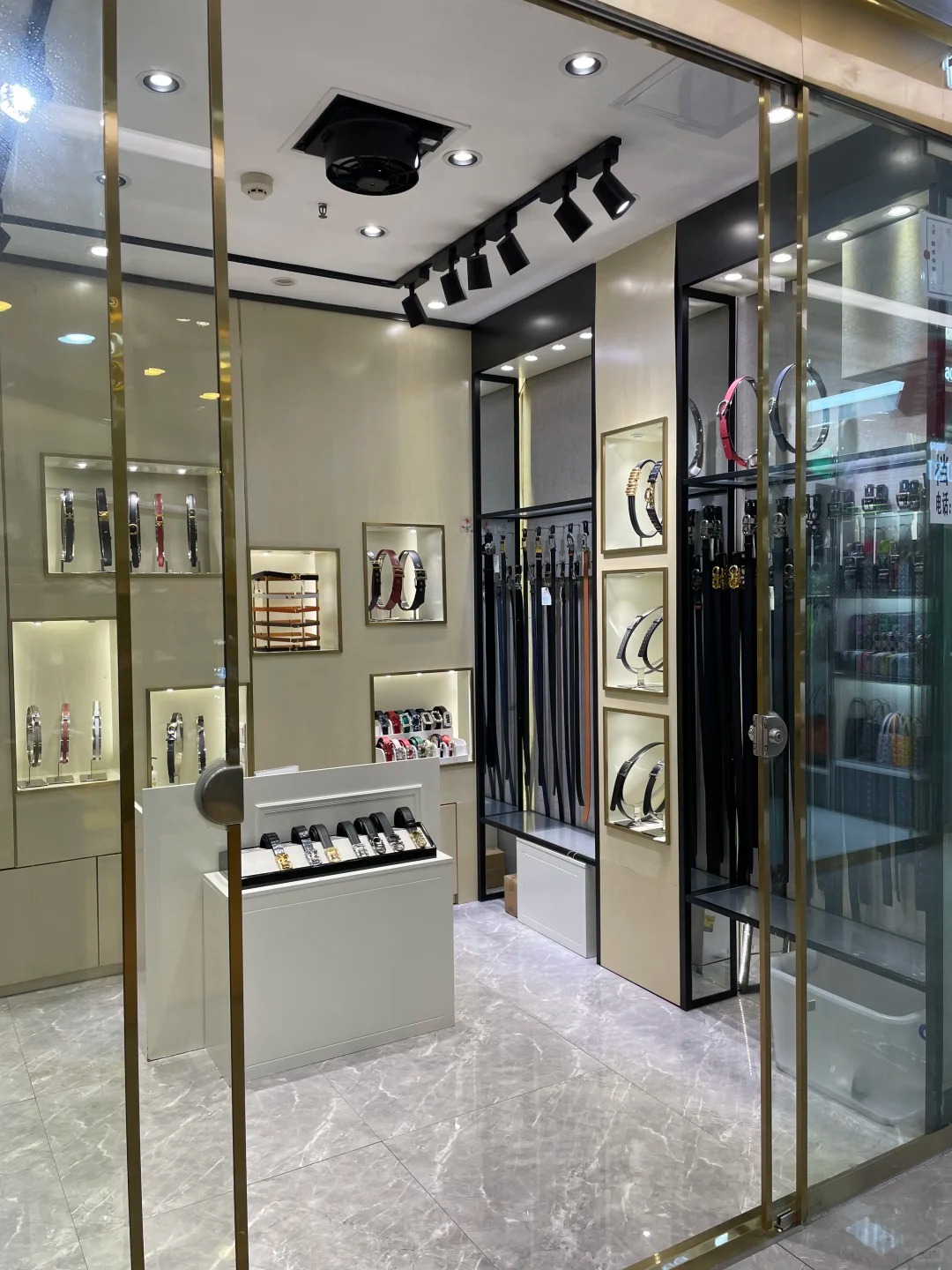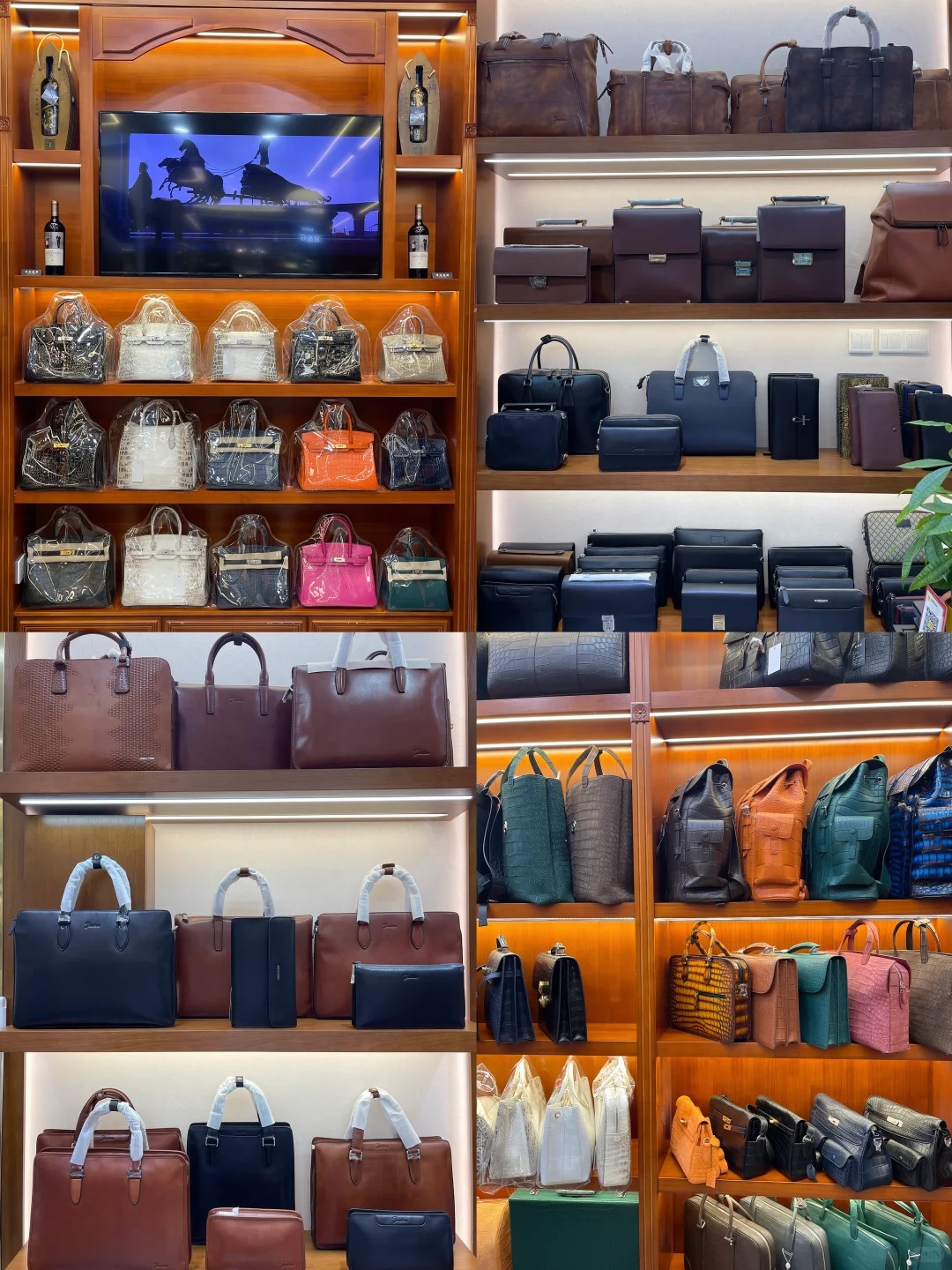

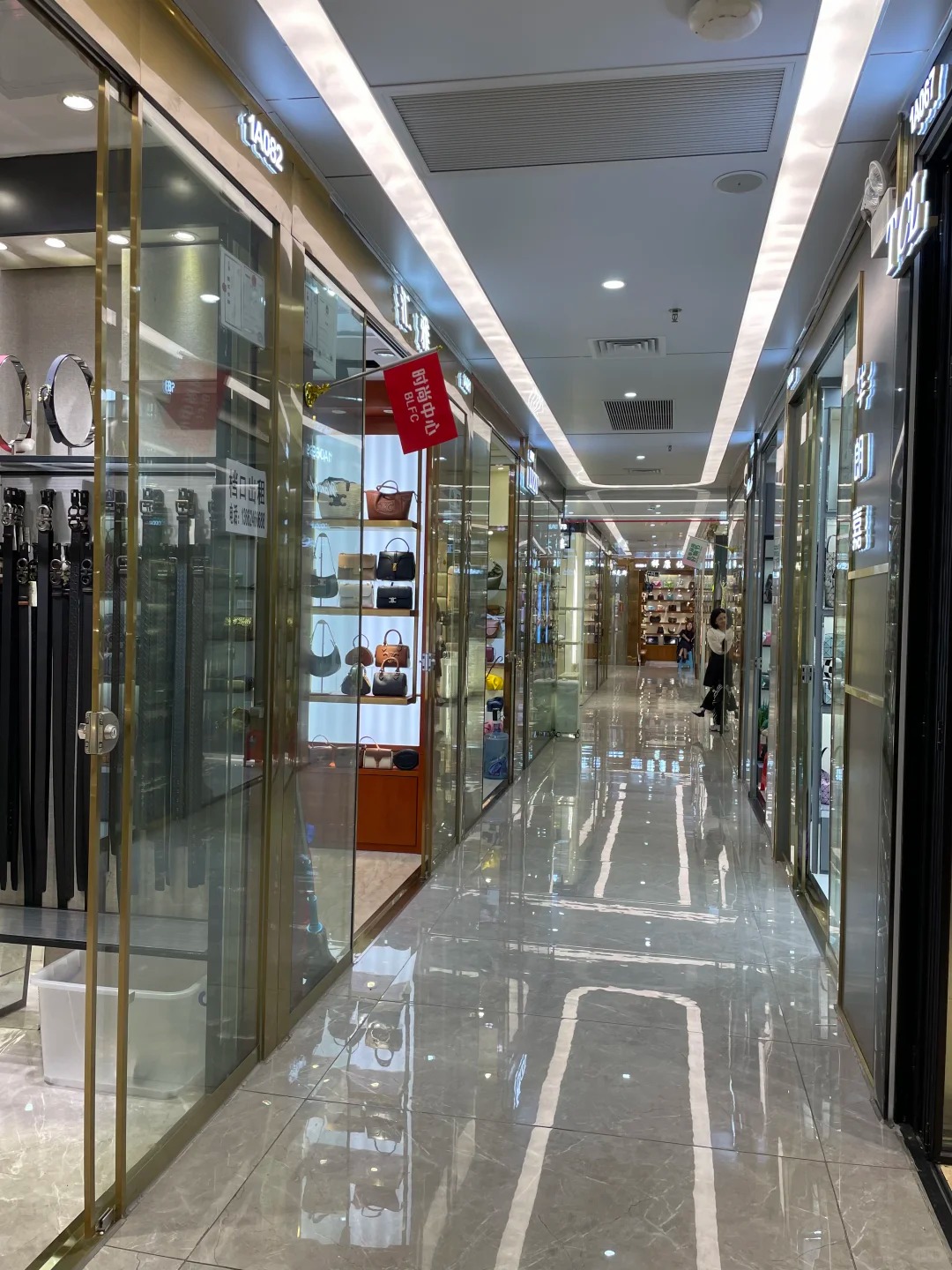
Buying from China to India is straightforward if you know where to find reliable wholesale market stalls and how to inspect spot goods. This guide covers the entire process from sourcing in Guangzhou or Yiwu to shipping and customs clearance in India. Focus on one-stop markets like Soudangkou to connect directly with stall owners for the best prices and quality control.
1. Find Reliable Wholesale Market Stalls
The most reliable way to buy from China is to visit physical wholesale markets in Guangzhou (e.g., Soudangkou, Zhanxi) or Yiwu. Stall owners typically sell spot goods – ready-to-ship inventory – which means you can inspect fabric texture, stitching, and workmanship on the spot. Always sample a few pieces before bulk orders.
Tips for Negotiating with Stall Owners
- Arrive early morning (8-10 AM) when new stock arrives.
- Ask for ‘sample price’ first; bulk discounts apply at 50+ units.
- Inspect stitching and fabric – run fabric through your fingers; if it pulls or frays, reject.
- Use cash payments for small orders to get 2-3% discount.
2. Payment and Shipping
Most stall owners accept Alipay, WeChat Pay, or bank transfer. For Indian buyers, use TT (Telegraphic Transfer) or Western Union for small transactions. Never pay 100% upfront – negotiate 30% deposit, 70% on shipment. Shipping options: sea freight (20-30 days, cheapest), air freight (5-7 days, expensive), or courier (DHL/FedEx 3-5 days). For bulk goods (1 ton+), sea freight is cost-effective; use LCL (less than container load) via freight forwarders.
3. Customs Clearance in India
India requires a GST registration to import. Obtain your Import Export Code (IEC) from DGFT. Customs duties vary by product – check ITC HS code. Common pitfalls: missing product labels, incorrect valuation. Work with a custom house agent (CHA) in India to handle paperwork. Typical clearance time: 2-5 days after arrival.
4. Returns and Disputes
Chinese wholesale stalls rarely accept returns – quality issues must be raised immediately. Use third-party inspection companies (e.g., SGS, Bureau Veritas) to verify quality before shipment. For disputes, China’s consumer law is weak; better to build relationship with your stall owner. Start with small orders ($500-$1000) to test trustworthiness.
FAQ
| Question | Answer |
|---|---|
| Which Chinese market is best for Indian wholesale? | Guangzhou and Yiwu are the largest wholesale hubs. Soudangkou in Guangzhou specializes in apparel and accessories with spot goods. |
| Can I buy online without visiting China? | Yes, via platforms like Alibaba.com, but you risk quality issues. It’s better to visit once or use a sourcing agent like Soudangkou. |
| What is the minimum order quantity (MOQ)? | For spot goods, typical MOQ is 1-5 units for sample, 50-100 units for bulk. Some stalls accept lower. |
| How do I verify product quality remotely? | Request video call inspection, send samples to India first, or hire third-party inspectors. |
| What are common shipping issues to India? | Delays due to customs, incorrect documentation (must have commercial invoice, packing list, bill of lading), and high demurrage fees. |
| Are there trade agreements between China and India? | No FTA; import duties are standard. Some products like electronics have high duties (15-20%). |
| How to avoid scams? | Deal with verified stalls in physical markets, check business license, and never send full payment upfront. |
| Can I get samples shipped to India? | Yes, most stalls will ship small samples via courier. You pay shipping costs (around $20-30). |
5. Final Checklist
- Obtain IEC and GST in India.
- Source from established wholesale markets like Soudangkou.
- Inspect goods personally or through agent.
- Negotiate payment terms (30/70).
- Use sea freight for bulk; courier for samples.
- Hire CHA for customs.
Buying from China to India can be highly profitable if you follow these steps. Focus on quality and relationships with stall owners – they are your best asset.
广州服装档口相关入口
继续查看相关市场和品类入口,方便对比档口微信、货源范围、拿货方向和试单前需要核实的信息。