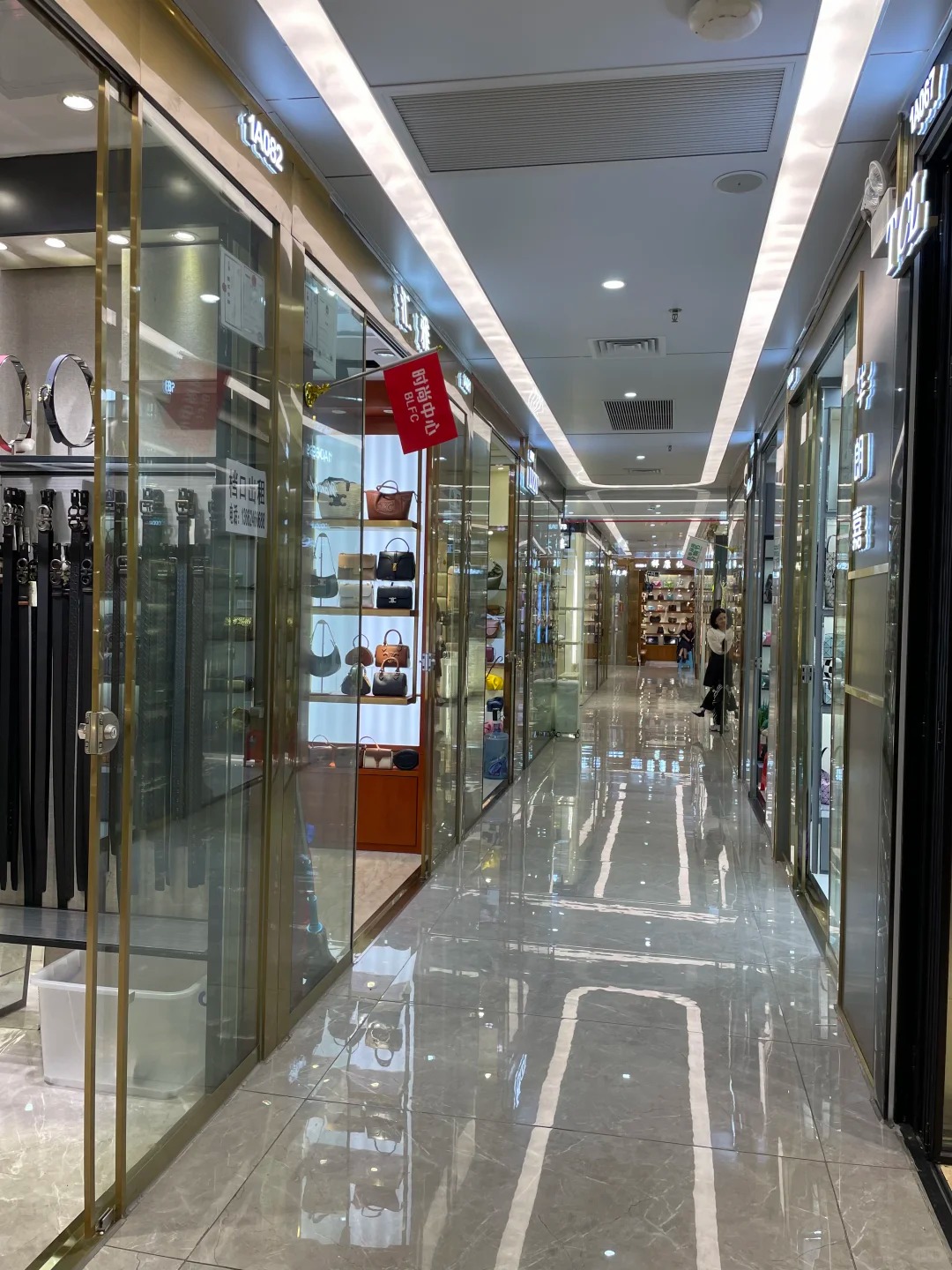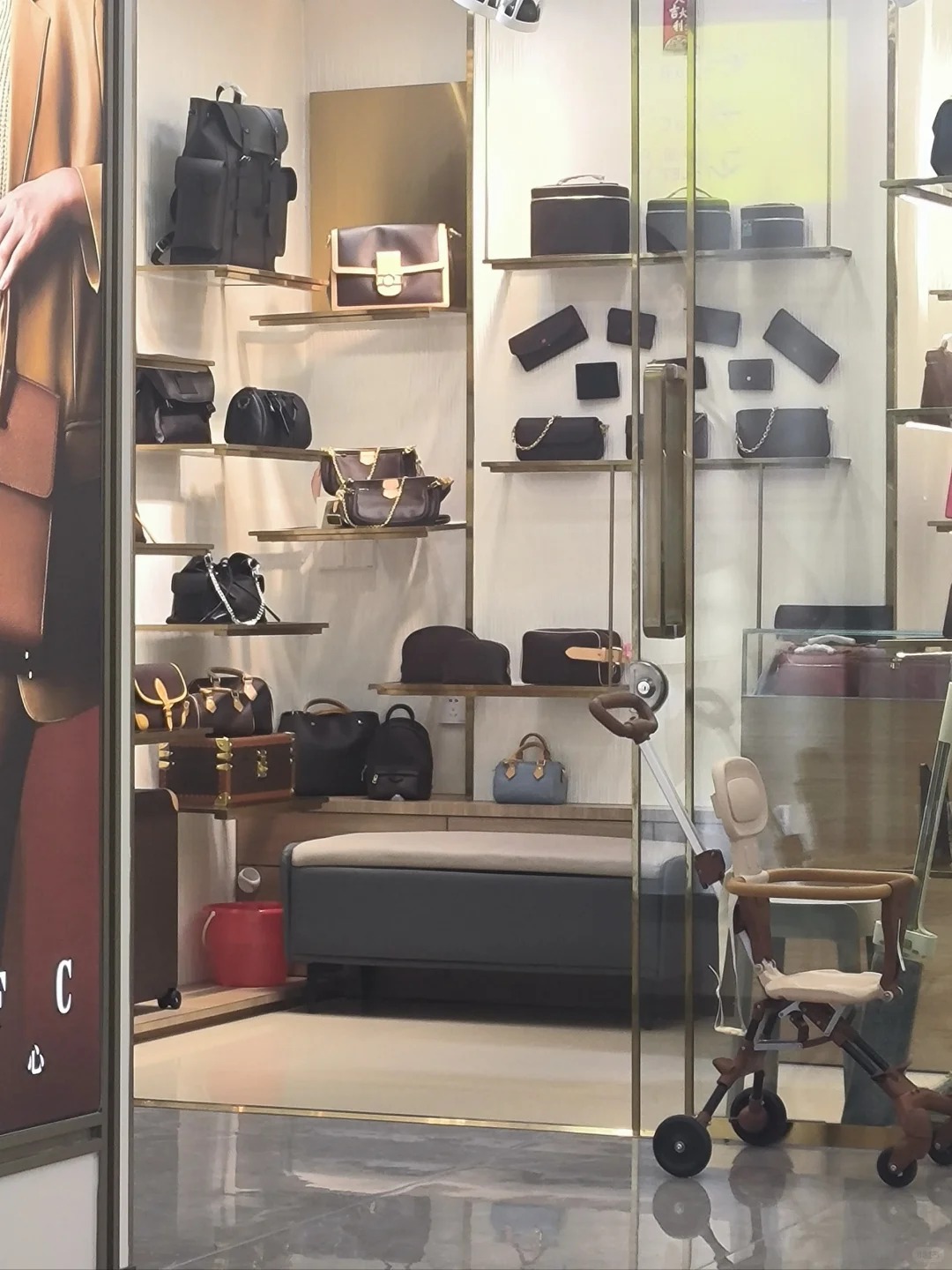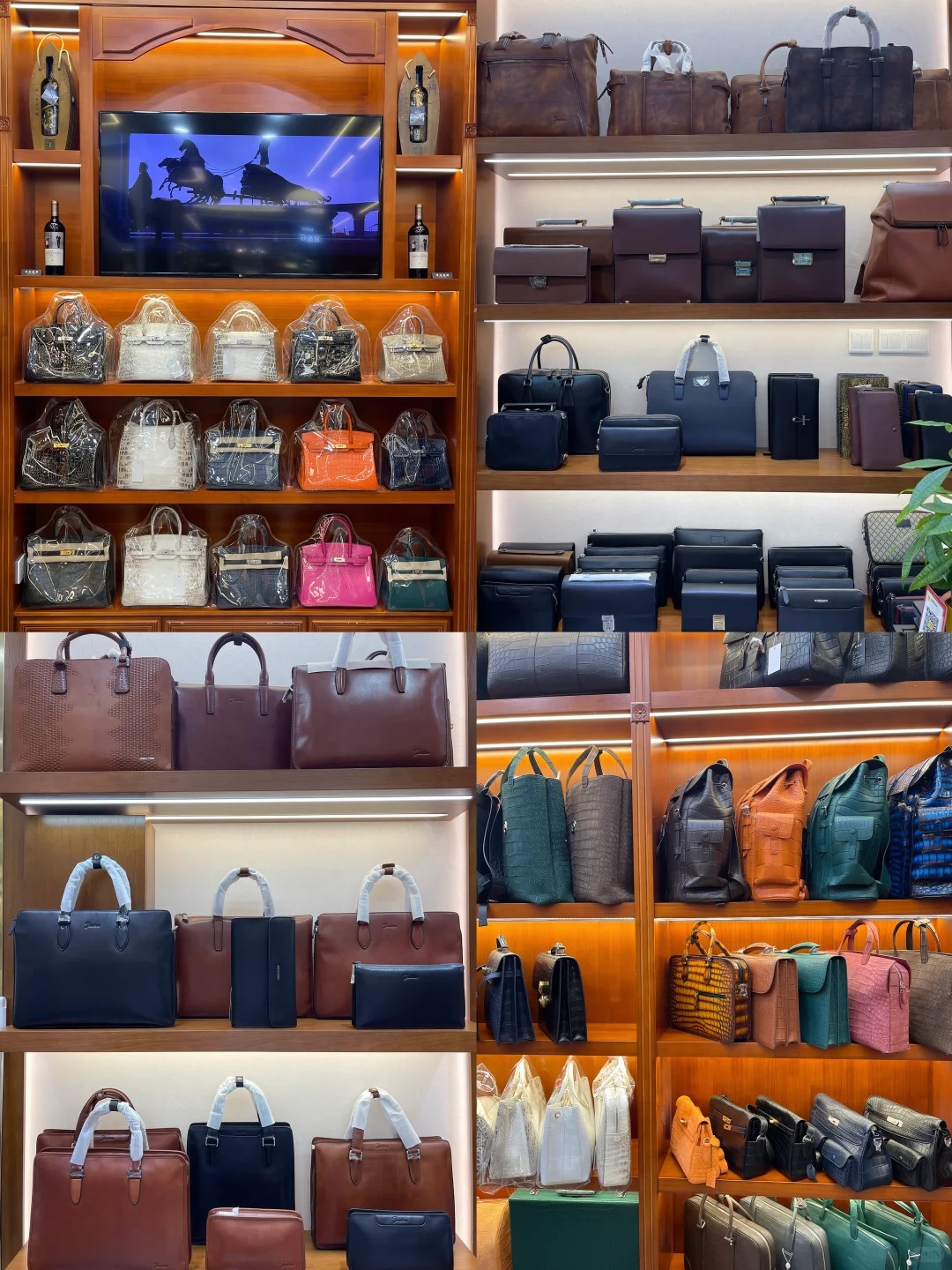

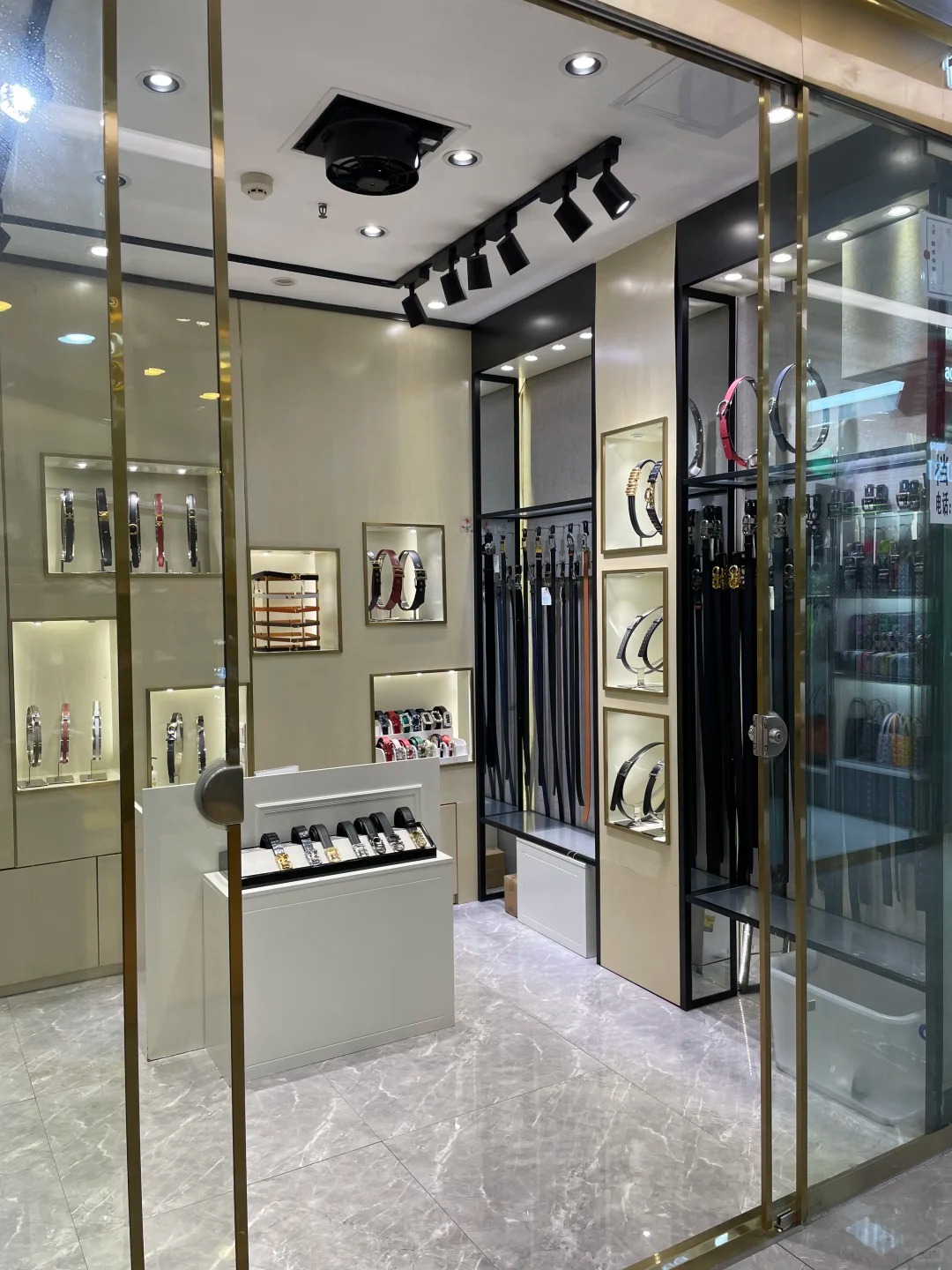
To buy from China to Ghana successfully, focus on sourcing from experienced wholesale market stalls that offer tangible samples and prioritize fabric quality and stitching. Skip middlemen by traveling directly to Guangzhou or Yiwu, or use trusted platforms like Soudangkou to connect with genuine suppliers. Always request video calls to inspect goods before payment, and use a freight forwarder for shipping and customs clearance.
Step 1: Identify Genuine Wholesale Sources
Start by visiting Chinese wholesale hubs such as Guangzhou’s Zhanxi Market or Yiwu International Trade City. Look for stalls that display a wide range of products and allow you to touch and feel the materials. For Ghanaian importers, popular goods include textiles, electronics, and household items. A quick tip: stalls with busy foot traffic often indicate reliable suppliers. Also consider using online B2B platforms that specialize in linking you directly with wholesale market vendors, like Soudangkou.
Step 2: Inspect Fabric and Stitching Quality
When evaluating clothing or textiles, focus on three things: fabric weight, color fastness, and seam finishing. Ask for a sample swatch or a video demonstration. Genuine wholesale stalls are usually happy to show close-ups. For example, African print fabrics should have consistent patterns and tight weaves. Check the selvedge and folds for any irregularities. A good rule: if the stitching is uneven or the fabric feels rough, walk away.
Step 3: Negotiate Payment and Terms
Most Chinese suppliers expect a 30% deposit with the balance before shipment. Use secure payment methods like TT bank transfer or Alibaba Trade Assurance. Avoid Western Union or cash deposits. For large orders, discuss sample approval first. Many stalls offer a small discount for cash payments, but insist on a clear contract detailing specifications, delivery date, and penalties for delays.
Step 4: Arrange Shipping and Customs
Sea freight is the most cost-effective for bulk orders from China to Ghana – transit time is 25-35 days from Guangzhou to Tema port. Hire a Chinese freight forwarder who handles packing, documentation, and customs. Ensure you have a valid Tax Identification Number (TIN) and import license. For small orders, use air freight (3-7 days) but costs are higher. Some suppliers offer DDP (Delivered Duty Paid) – worth it for first-time buyers.
Step 5: Customs Clearance in Ghana
Ghana Revenue Authority requires a bill of lading, packing list, commercial invoice, and certificate of origin (usually from China Chamber of Commerce). Be prepared to pay import duties (generally 10-30% depending on product). Work with a Ghanaian clearing agent to avoid delays. Pro tip: label your goods clearly and keep all receipts electronically.
FAQ: How to Buy from China to Ghana
| Question | Answer |
|---|---|
| Can I visit the market in person? | Yes, it’s ideal. Direct visits let you negotiate better prices and check quality firsthand. Combine with a supplier vetting trip. |
| What are the minimum order quantities? | Typically 100-500 pieces per design for clothing, 1000+ for electronics. Some stalls offer mixed containers. |
| How do I avoid scams? | Only pay after seeing a real-time video of stock, use trade assurance, and check supplier references. Never pay full amount upfront. |
| Which products are most profitable for Ghana? | Textiles (African prints, lace), shoes, mobile accessories, and construction materials. Research current market demand in Accra. |
| How long does shipping take? | Sea freight: 25-35 days. Air freight: 7-10 days. Factor in customs clearance (2-5 days). |
Final Advice
Building a long-term relationship with your China supplier is key. Order samples first, visit at least once, and treat them as partners. For a streamlined start, consider using Soudangkou to pre-vet stalls and arrange logistics. Focus on quality control – it saves you big headaches later. Good luck!
广州服装档口相关入口
继续查看相关市场和品类入口,方便对比档口微信、货源范围、拿货方向和试单前需要核实的信息。