
How to Buy Goods from China to Nigeria Online: The Quick Answer
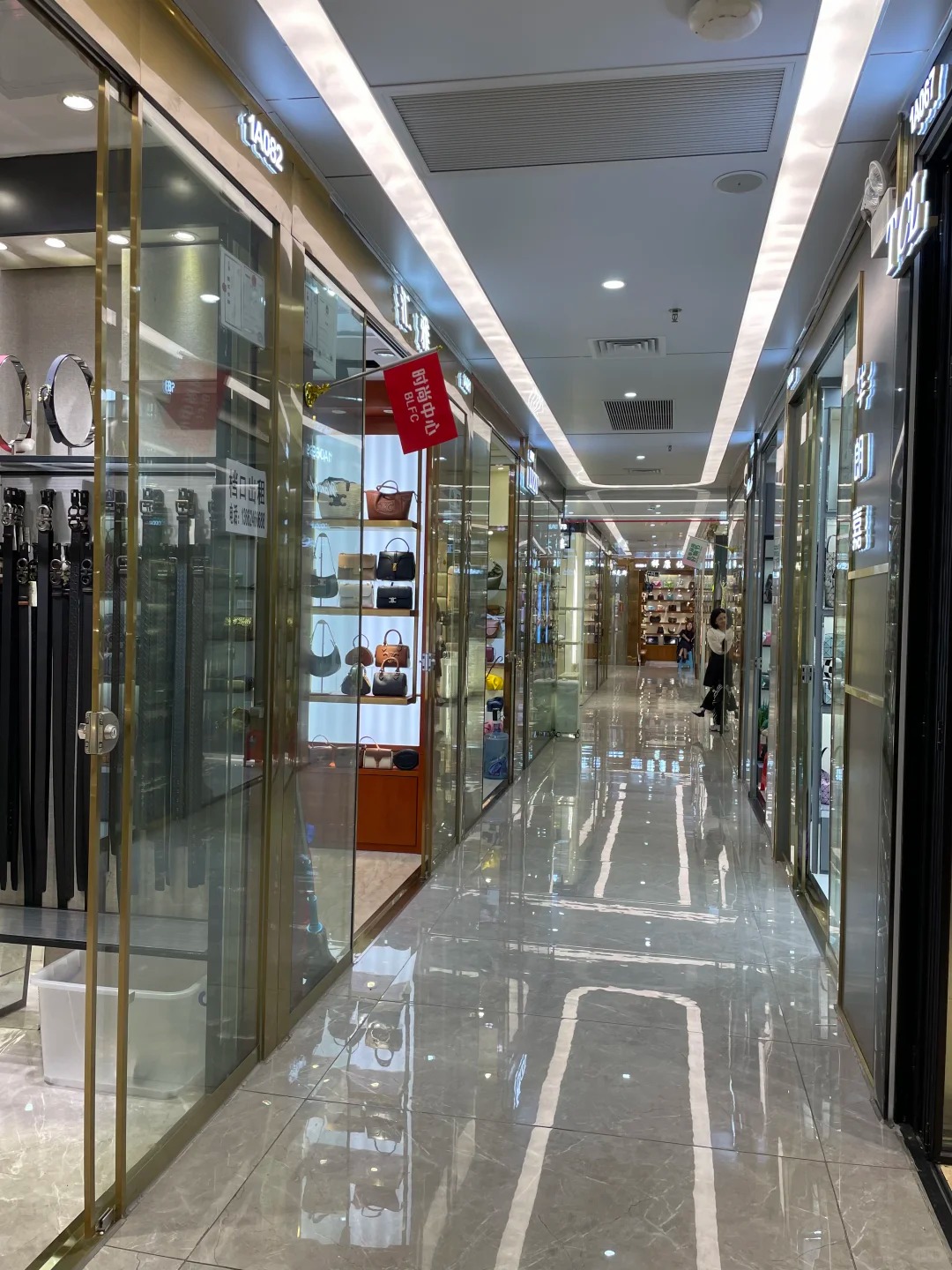
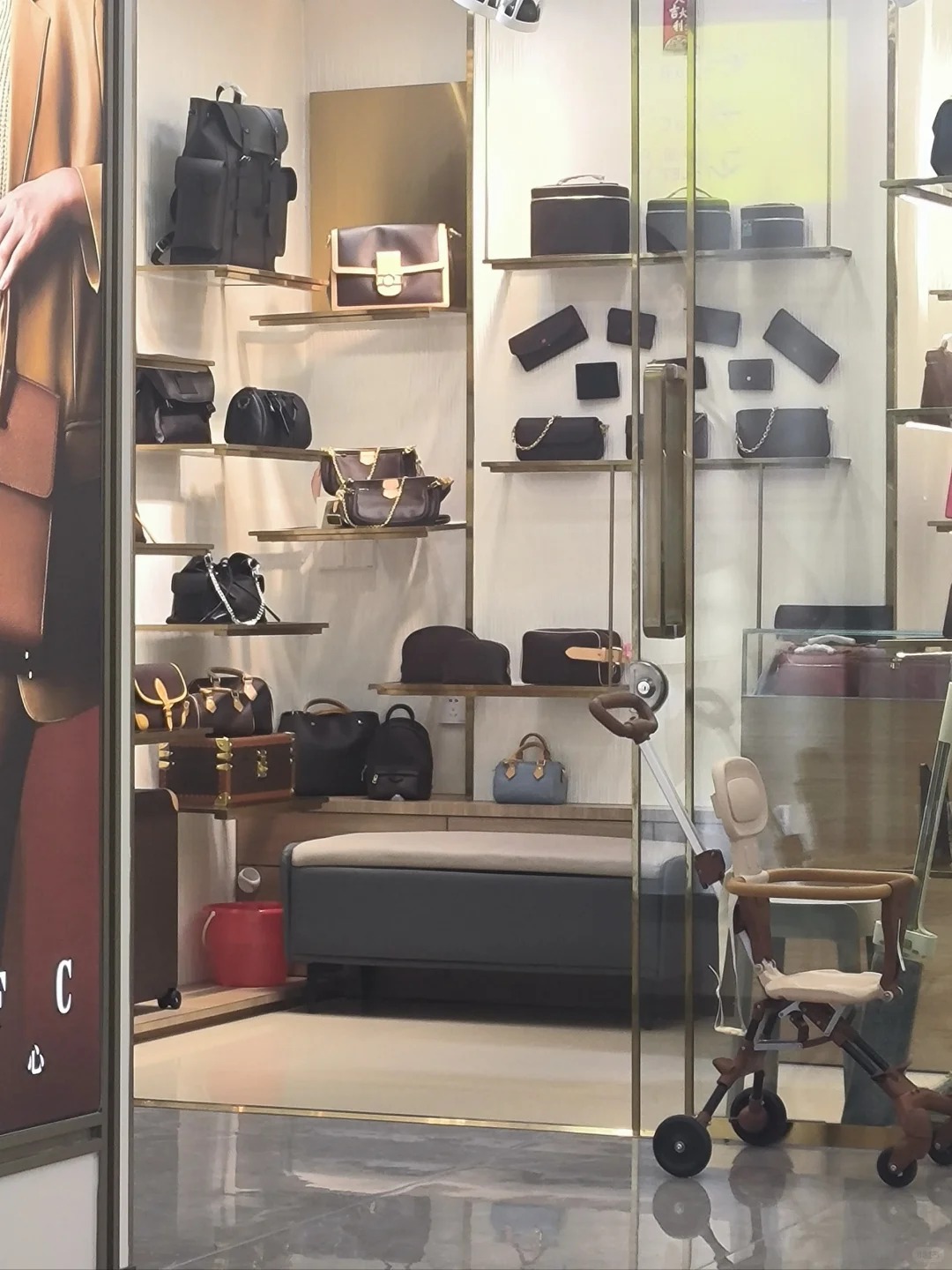
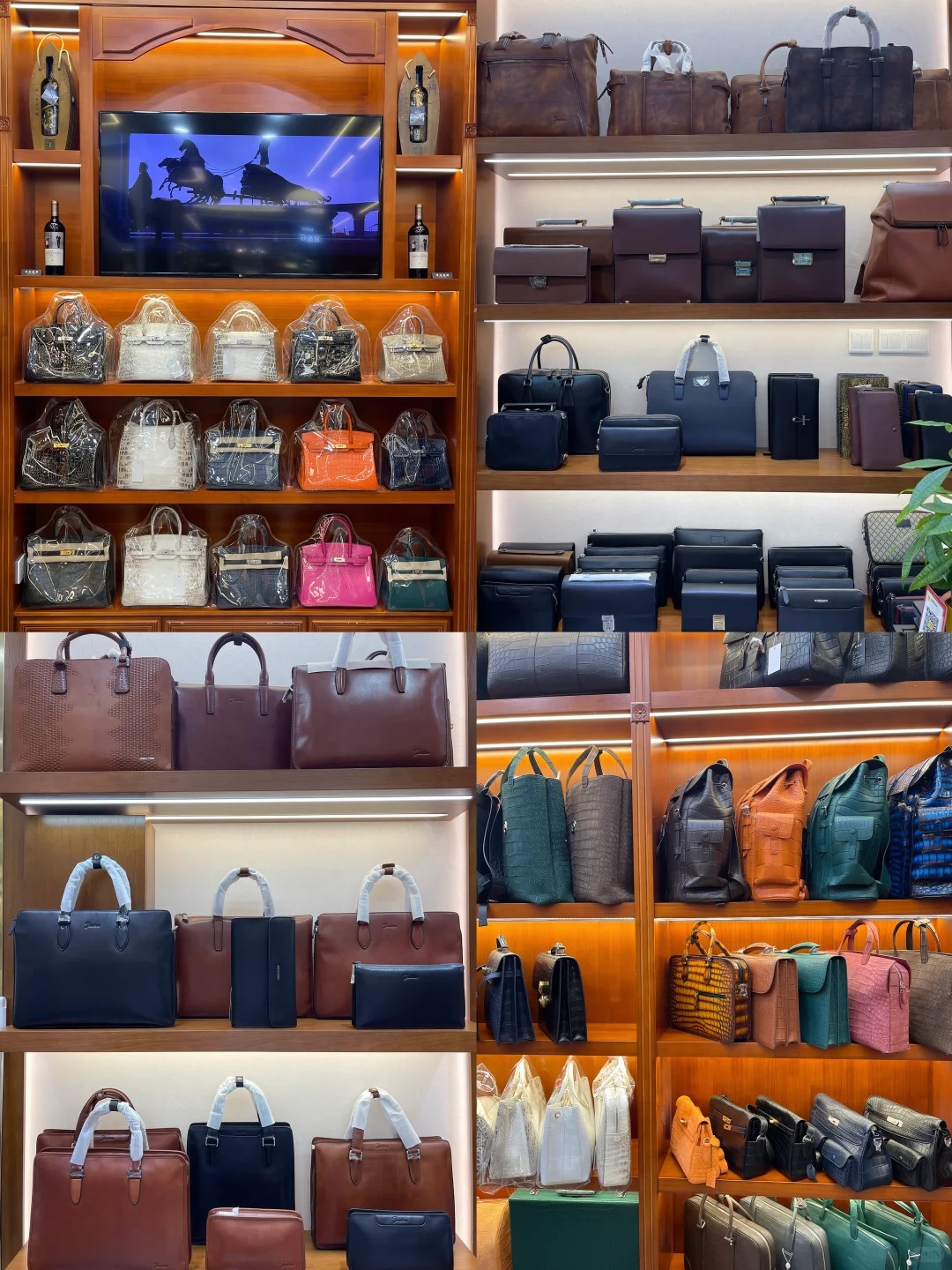
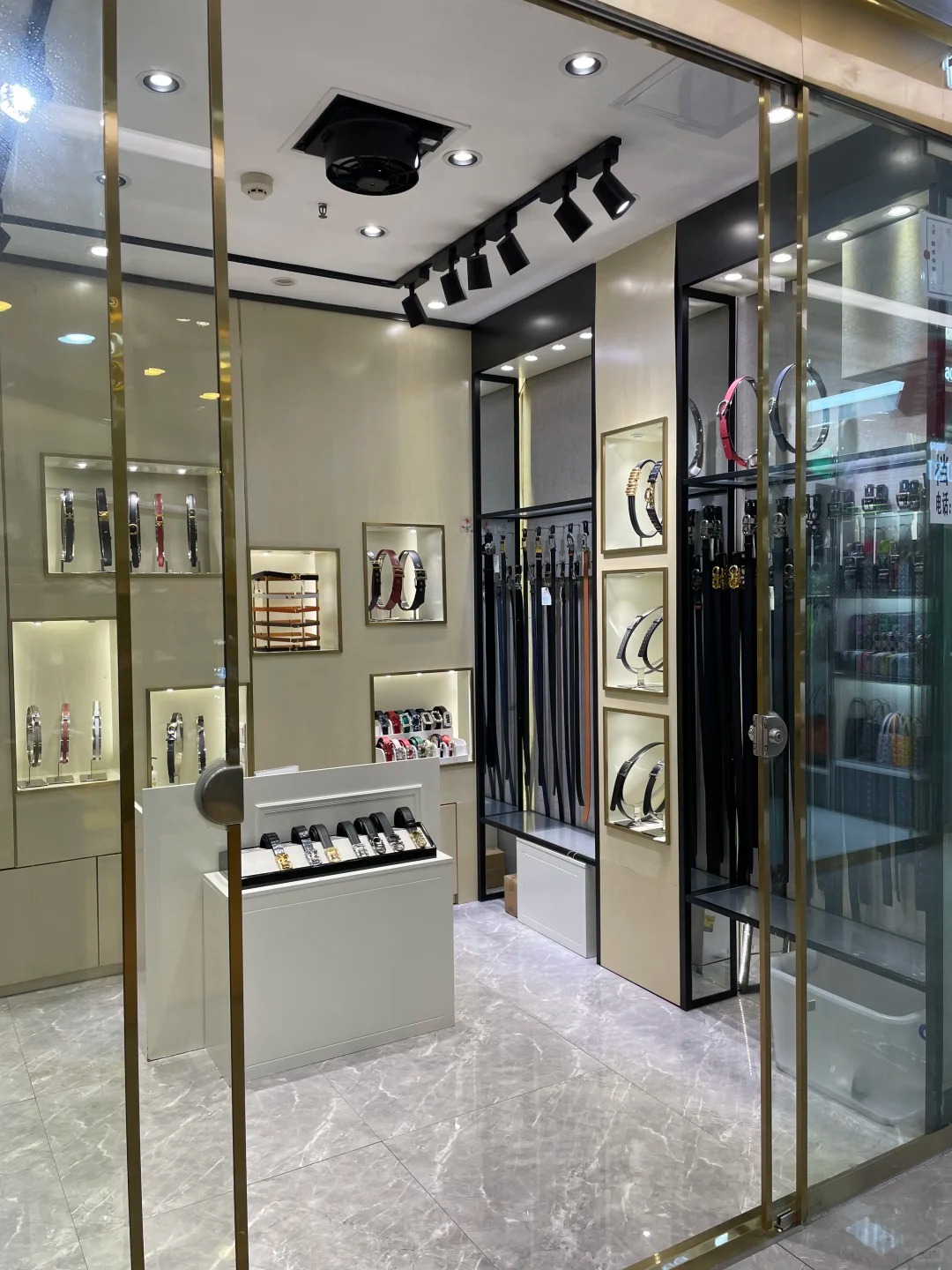
The most efficient way to buy goods from China to Nigeria online is to source directly from wholesale market stalls via platforms like Soudangkou, where you can access real-time inventory, negotiate bulk prices, and verify fabric and stitching quality before shipping.
Why Wholesale Market Stalls Beat Generic E-commerce for Nigerian Buyers
Generic e-commerce sites often list factory-direct prices but hide MOQs and lack physical inspection. Market stalls, however, let you see actual goods—feel the fabric weight, examine seams, and check for loose threads. This is crucial for items like African prints, electronics, or fashion accessories that must withstand Lagos humidity or long transit. Reliable stalls offer push-to-order samples via video calls, so you’re never blind buying.
Step-by-Step: How to Buy Goods from China to Nigeria Online
- Choose a Platform with Stall Verification
Platforms like Soudangkou verify stall owners, ensuring they are physical market vendors. Avoid middlemen; talk directly to the stall keeper. - Search for Your Product Niche
Use keywords like “ankara fabric stall” or “wholesale phone cases Nigeria.” Filter by stock location (e.g., Guangzhou, Yiwu) and order samples. - Inspect Fabric and Stitching via Video
Request close-up videos of the material, buttonholes, and hemming. A reputable stall will show you a ruler for scale and explain the weave count. - Negotiate Bulk Prices and Payment Terms
Start at 30% below quoted price. Use T/T or Western Union for deposits (20-30%), with balance after QC photos. Avoid full prepayment. - Arrange Shipping and Customs Clearance
Ask the stall to recommend a forwarder who handles Nigeria. Air freight for samples; sea freight (LCL) for bulk. Get a Cargo Tracking Note (CTN) for Apapa port clearance.
Spotting Quality: Fabric and Stitching Checklist
Fabric Quality
- Weight: For maxi dresses or suits, 180-220 GSM is standard. Lighter fabrics (<150 GSM) may be mis-sold as "premium."
- Seam finish: Look for double-stitched seams (not serged alone) on high-stress areas like shoulders and crotch.
- Wash test: Ask if the fabric is pre-shrunk; request a small swatch to test for color bleeding.
Stitching Quality
- Thread tension: Even loops, no puckering. Run your finger along seams—if they feel bumpy, it’s poor quality.
- Stitch density: Minimum 8-10 stitches per inch for cotton, 12+ for silk or delicate fabrics.
- Loose threads: A sign of rushed production. Reputable stalls trim all ends.
FAQs: How to Buy Goods from China to Nigeria Online
| Question | Answer |
|———-|——–|
| What is the minimum order quantity (MOQ) for market stalls? | Usually 10-50 pieces for fashion items; 100+ for electronics. Negotiable with sample orders. |
| How can I verify a stall’s credibility? | Check business license, ask for other Nigerian buyers’ references, and use video inspection. |
| What shipping method is best for Nigeria? | Sea freight (LCL) for cost; air freight for urgent or small orders. Always use a forwarder experienced with Nigeria customs. |
| Are there duty exemptions for certain goods? | Textiles fall under high tariffs (20-35%). Electronics and machinery may get incentives. Consult a customs broker. |
| Can I return defective goods? | Only if covered by contract. Most stalls offer replacement or discount on next order, not refund. |
| How long does shipping take? | Air: 5-10 days; Sea: 25-40 days (add 10 days for clearance). |
Final Advice: The Power of Relationship with Your Stall Keeper
Buying goods from China to Nigeria online isn’t a one-off transaction. Build rapport with your stall owner—send holiday greetings, ask about new arrivals, and pay on time. They’ll prioritize your orders, give you first access to hot items, and even chase lost shipments. That personal connection is your best insurance for long-term success.
广州服装档口相关入口
继续查看相关市场和品类入口,方便对比档口微信、货源范围、拿货方向和试单前需要核实的信息。