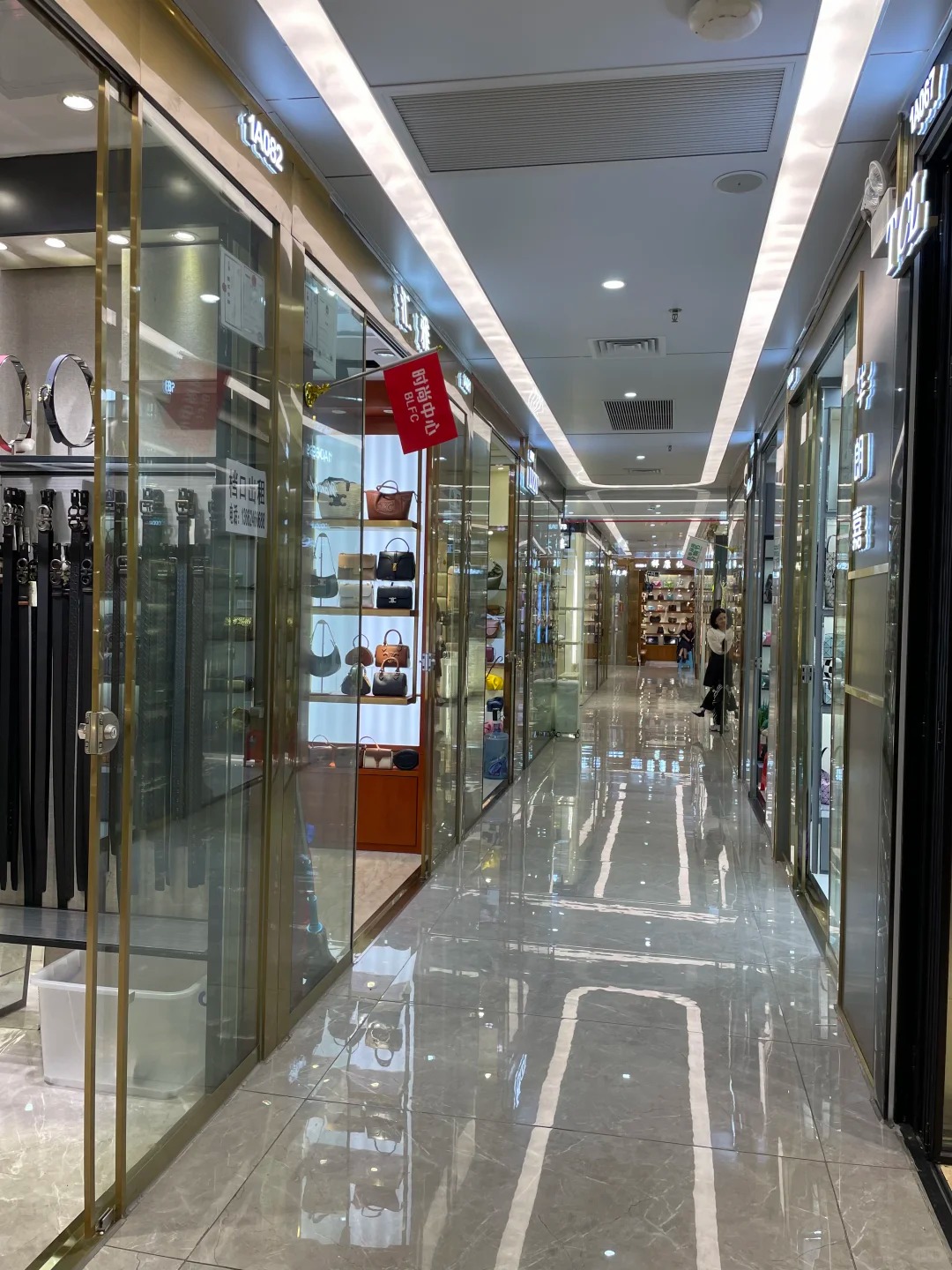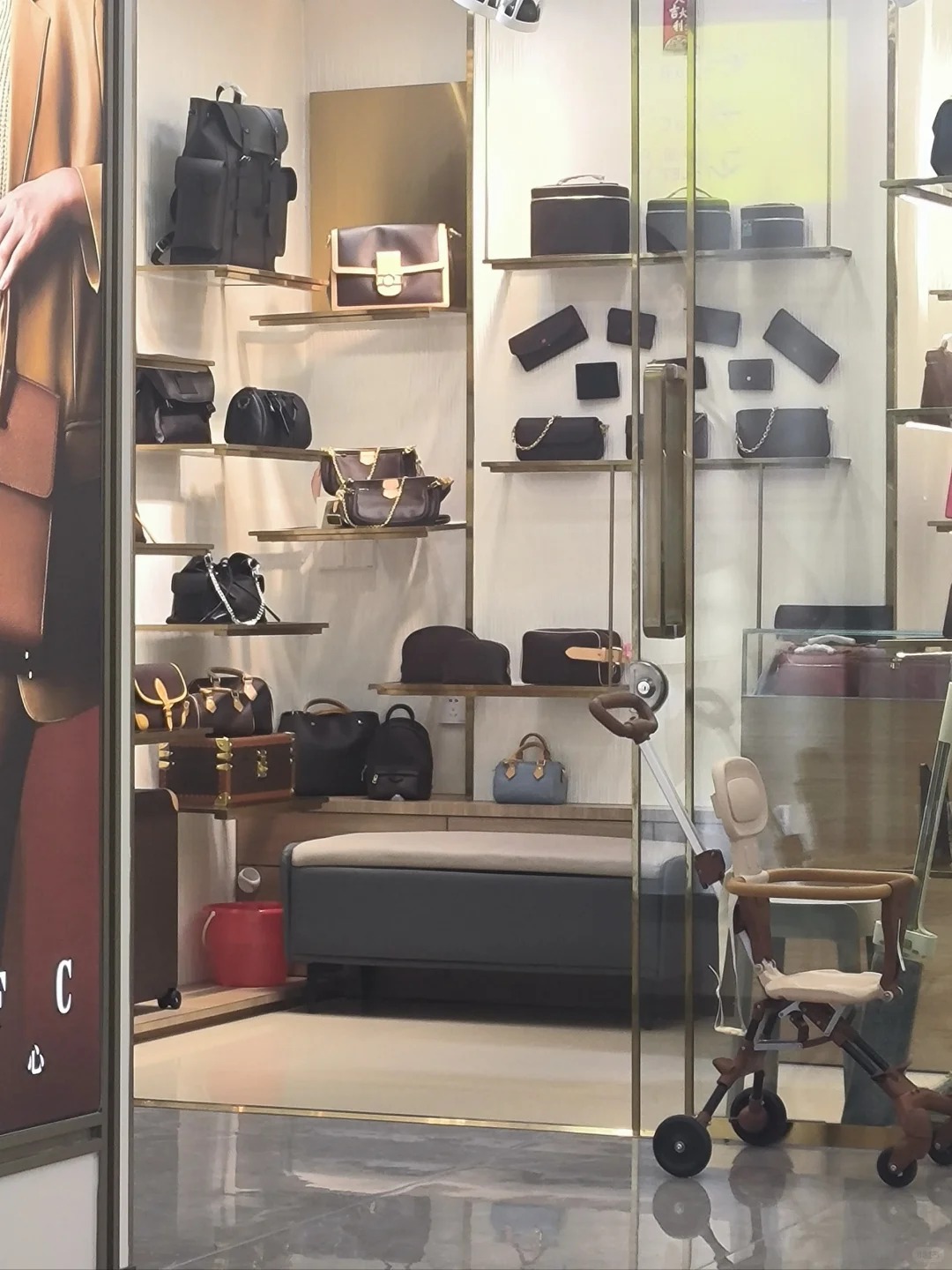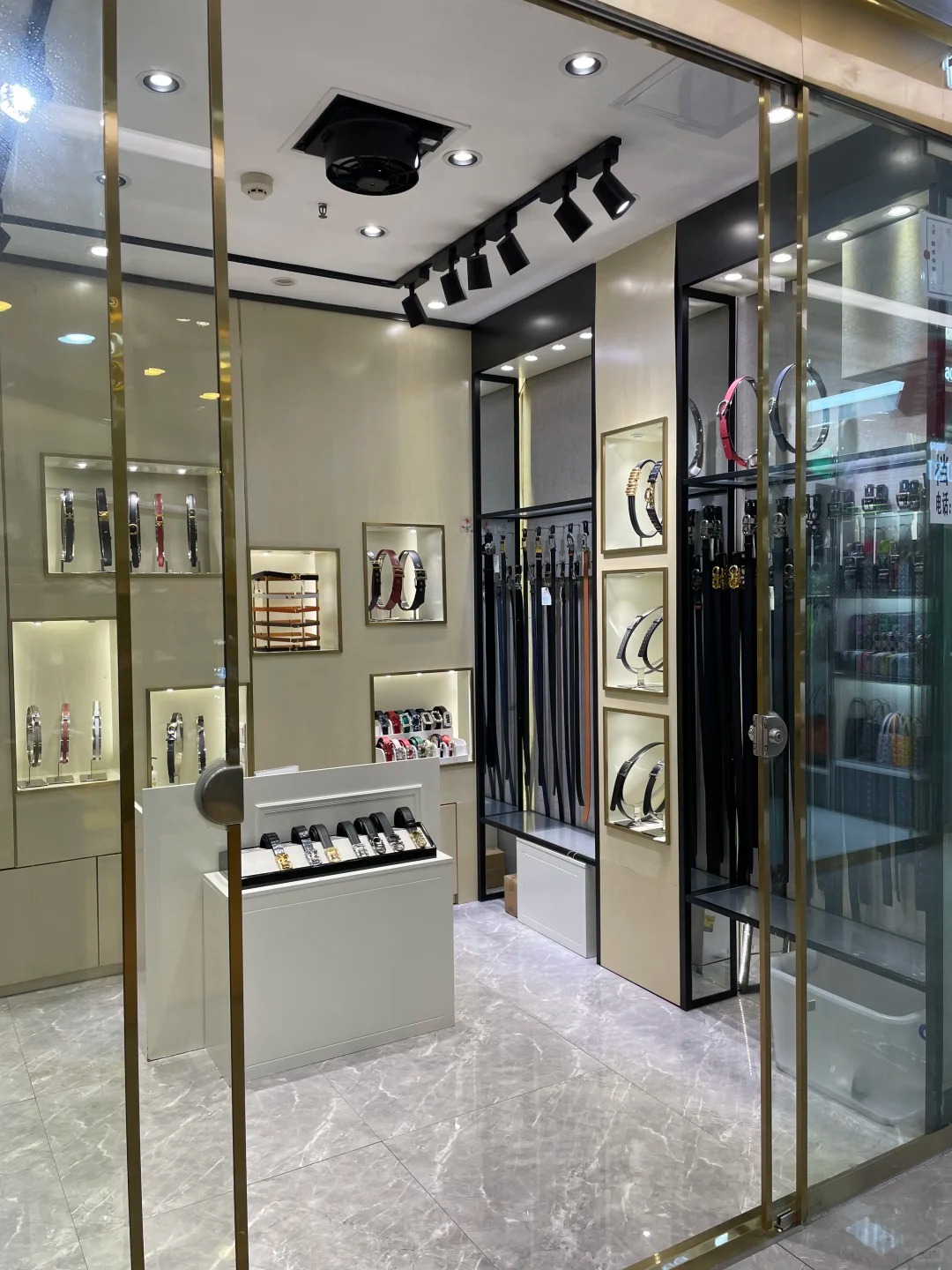

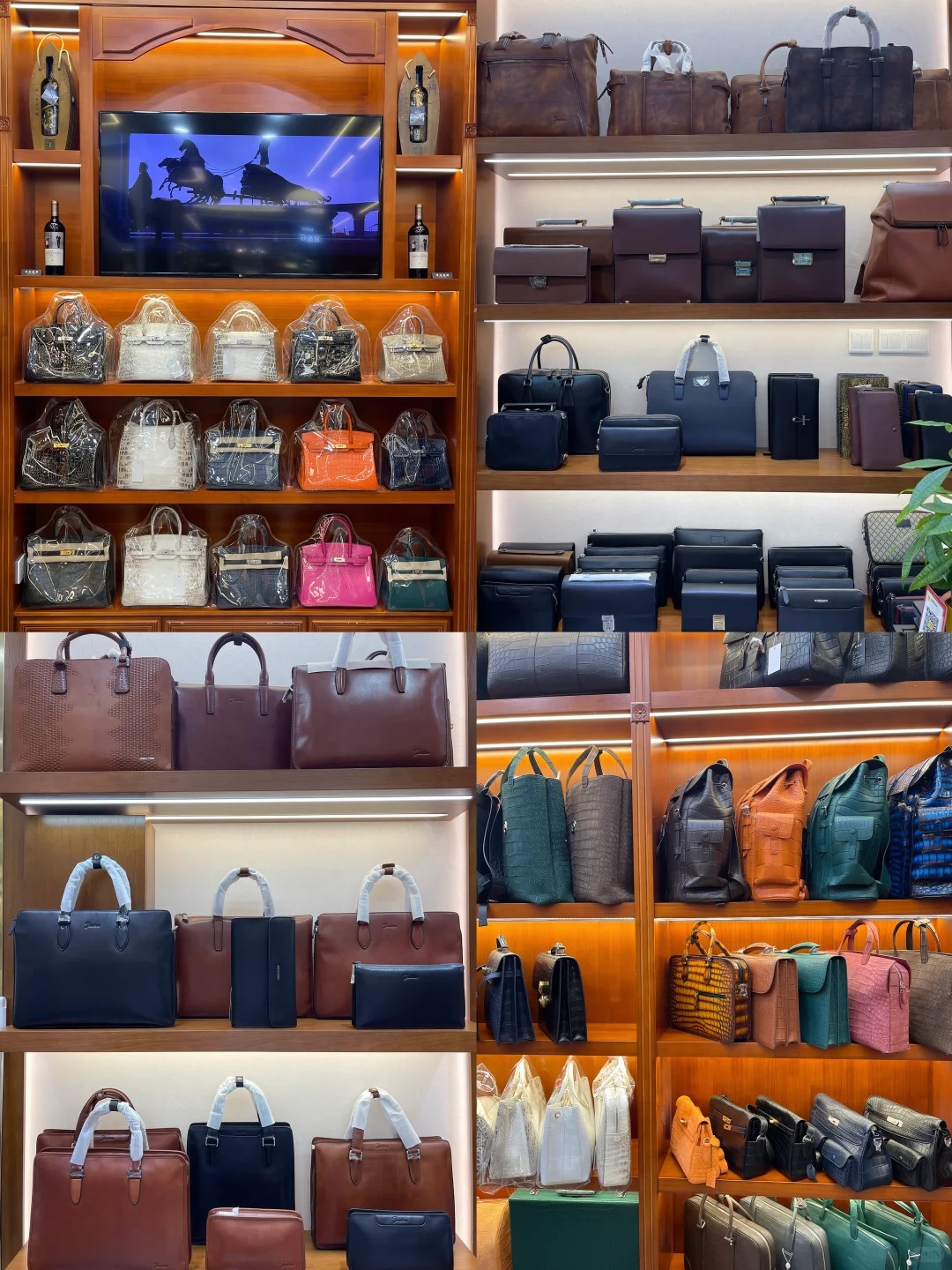
You want to buy luxury brands directly from China, but the real game is spotting top-tier white-label factories and wholesale stalls that produce unbranded goods with identical craftsmanship. Forget counterfeits—China’s manufacturing power lies in OEM/ODM workshops where luxury-quality bags, shoes, and apparel are made without labels. These are your direct source.
Why Chinese Wholesale Markets Dominate Luxury Production
China’s major wholesale hubs—like Guangzhou’s Sanyuanli and Baima—are packed with tens of thousands of stalls. Many don’t sell finished brand items; they sell high-end blanks. These stalls are run by factories that produce for global luxury labels. The key is knowing how to identify the top 1%.
Step 1: Focus on Fabric and Stitching, Not Logos
Walk into any market and you’ll see rows of bags and coats. Ignore shiny brand tags. Instead, grab the item and feel the leather. Genuine top-grain calfskin feels supple and has a distinct smell. Turn it inside out. Check stitching: luxury-level pieces have 8-10 stitches per inch, perfectly aligned. Loose threads? Move on. If the hardware feels heavy and has a protective film, that’s a good sign.
Step 2: Ask for ‘Spot Goods’ (现货)
The phrase ‘xiàn huò’ (现货) is your golden ticket. Suppliers with spot goods have inventory ready to ship. Many stalls run by direct factory owners will offer 2-5 pieces per style for instant purchase. Always negotiate bulk pricing for 50+ units. You’ll often get 30% off the asking price.
Step 3: Verify the Supplier’s Factory Base
Don’t buy from a stall that can’t show you their workshop. Ask for a factory tour or at least video call the production line. Reputable stalls in Soudangkou’s directory often have verified manufacturing backgrounds. They’ll show you leather cutting rooms, sewing stations, and quality control areas. Avoid middlemen who only show catalogues.
Step 4: Use the ‘3-Second Rub Test’ for Silk and Cashmere
For luxury fabrics like silk or cashmere, rub the material between your fingers for three seconds. Real silk wrinkles slightly and feels cool. Cashmere should feel soft without pilling. If it feels synthetic, it’s not luxury grade.
FAQ: Common Questions About Buying Directly
| Question | Answer |
|---|---|
| Can I buy just one piece for sample testing? | Yes, many stalls sell single pieces at a higher unit price. Use this to verify quality before bulk orders. |
| What’s the minimum order quantity (MOQ) typically? | MOQs range from 5-50 pieces per style, depending on the complexity. Leather goods usually higher than textiles. |
| Do I need a business license to buy? | No, but having one helps negotiate better prices. Many stalls are fine with cash payments for small orders. |
| How do I spot a factory stall vs. a reseller? | Factory stalls have messy, piled-up goods and can show you raw materials or work-in-progress. Resellers keep neat, brand-arranged shelves. |
| What’s the best market for luxury accessories? | Guangzhou’s Sanyuanli for bags and shoes; Hangzhou’s Sijiqing for apparel. Soudangkou online market also aggregates verified stalls. |
| How to handle shipping and customs? | Use a freight forwarder experienced with high-value goods. Declare as samples with low value to avoid heavy duties, but ensure proper documentation. |
The Stitch Test: Your Final Quality Check
Before paying, inspect the item’s internal seams. Flip it inside out. Luxury products use a French seam or bound seam—edges are neatly finished, not raw. Run your finger along the seam; it should feel smooth. Also check the zipper: YKK or Raccagni zippers are industry standards for luxury. If it’s a generic zipper, the bag isn’t top-tier.
Remember: The goal is to buy factory-direct luxury quality without the brand markup. By focusing on materials, stitching, and spot goods, you bypass the hype and get real value. Start with small orders, build relationships, and you’ll be sourcing like a pro.
广州服装档口相关入口
继续查看相关市场和品类入口,方便对比档口微信、货源范围、拿货方向和试单前需要核实的信息。