
How to Buy Luxury Brand Products from China: The Real Deal
Forget the rumors. You can buy genuine luxury brand products from China—if you know where and how. The secret? Skip the online myths and head directly to wholesale market stalls in cities like Guangzhou, Shenzhen, and Yiwu. Here, seasoned exporters source first-run, overstock, and bonded inventory at 30-50% below retail. But you need to master the 现货 dance.
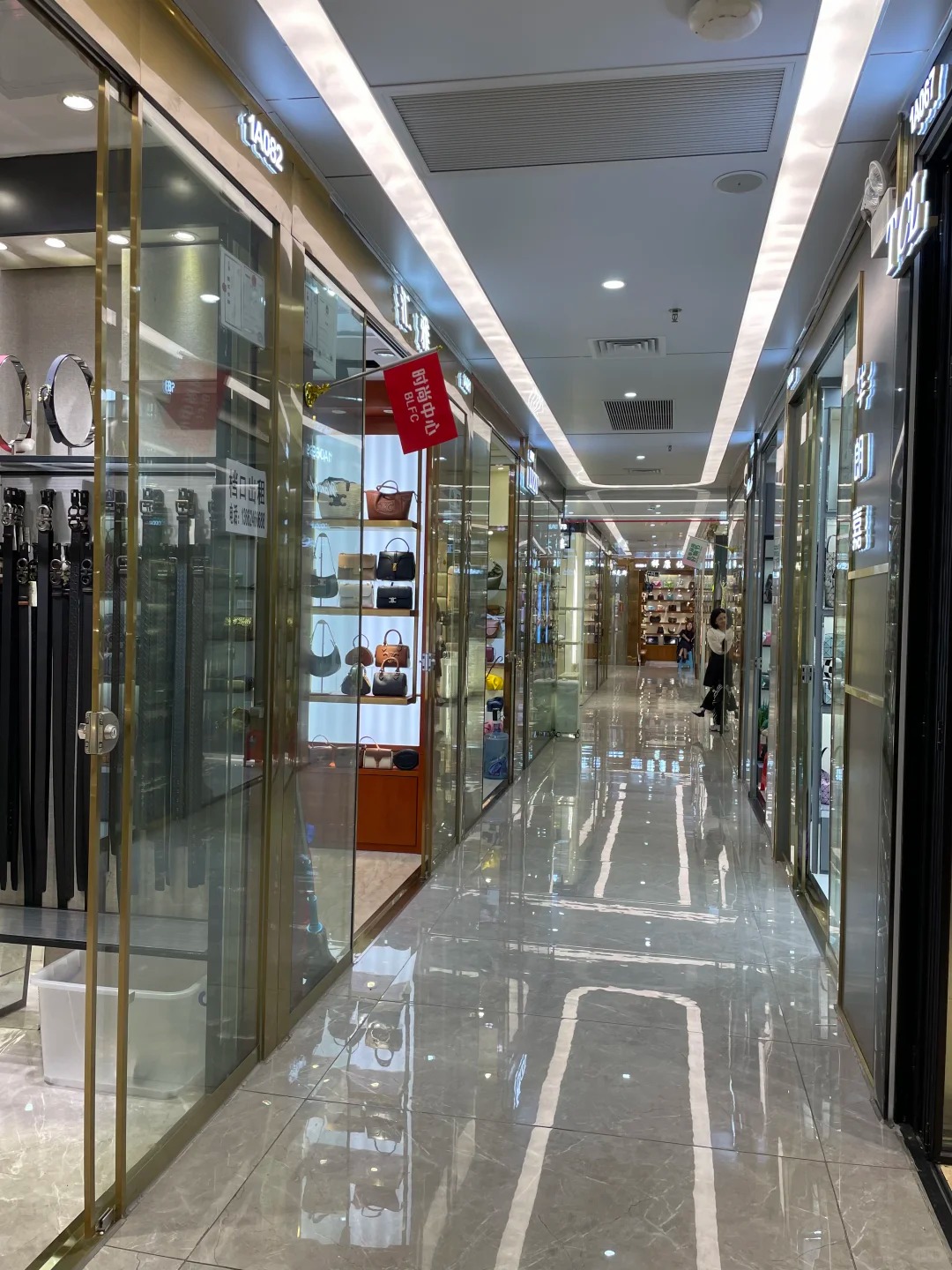
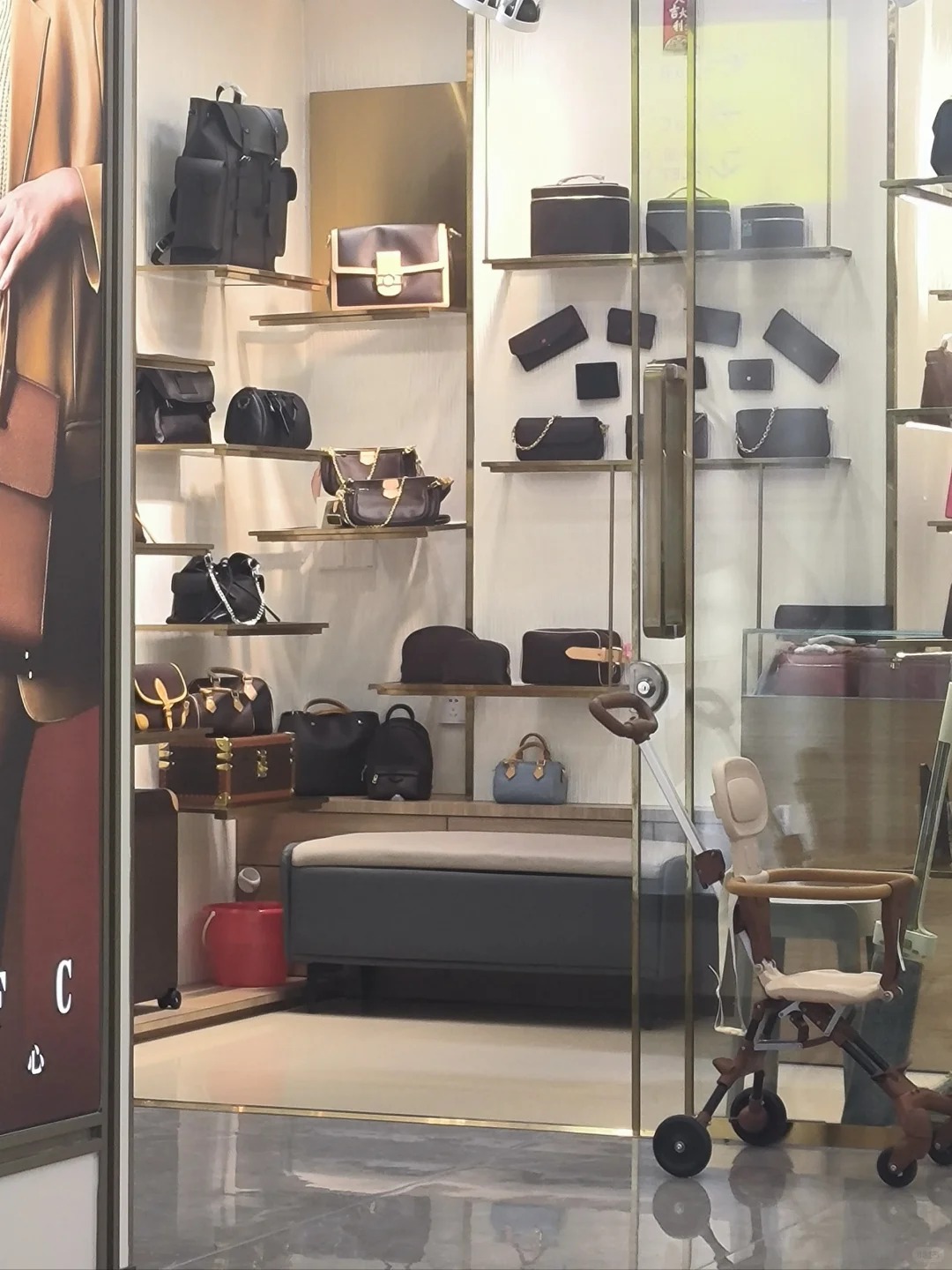
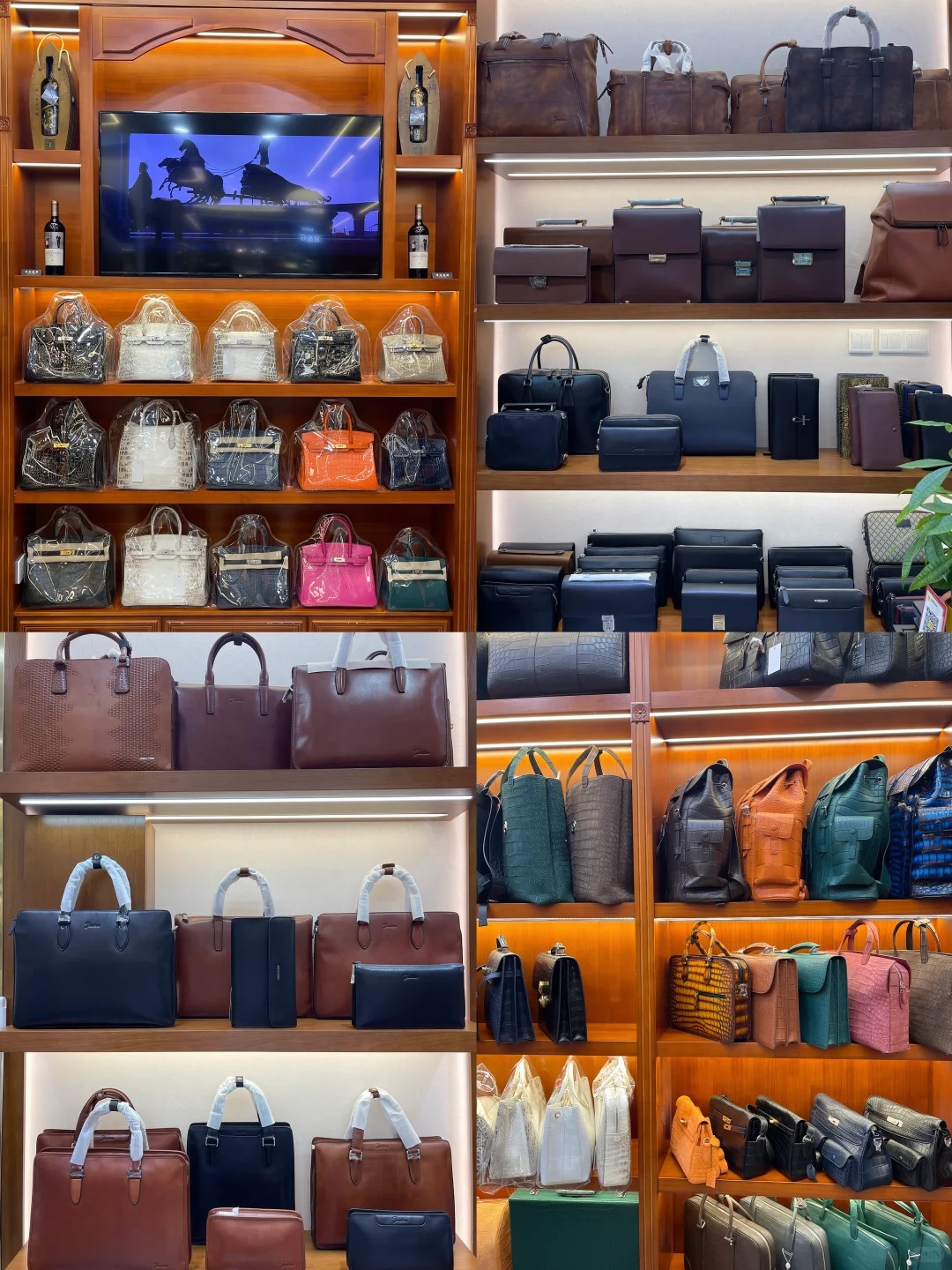
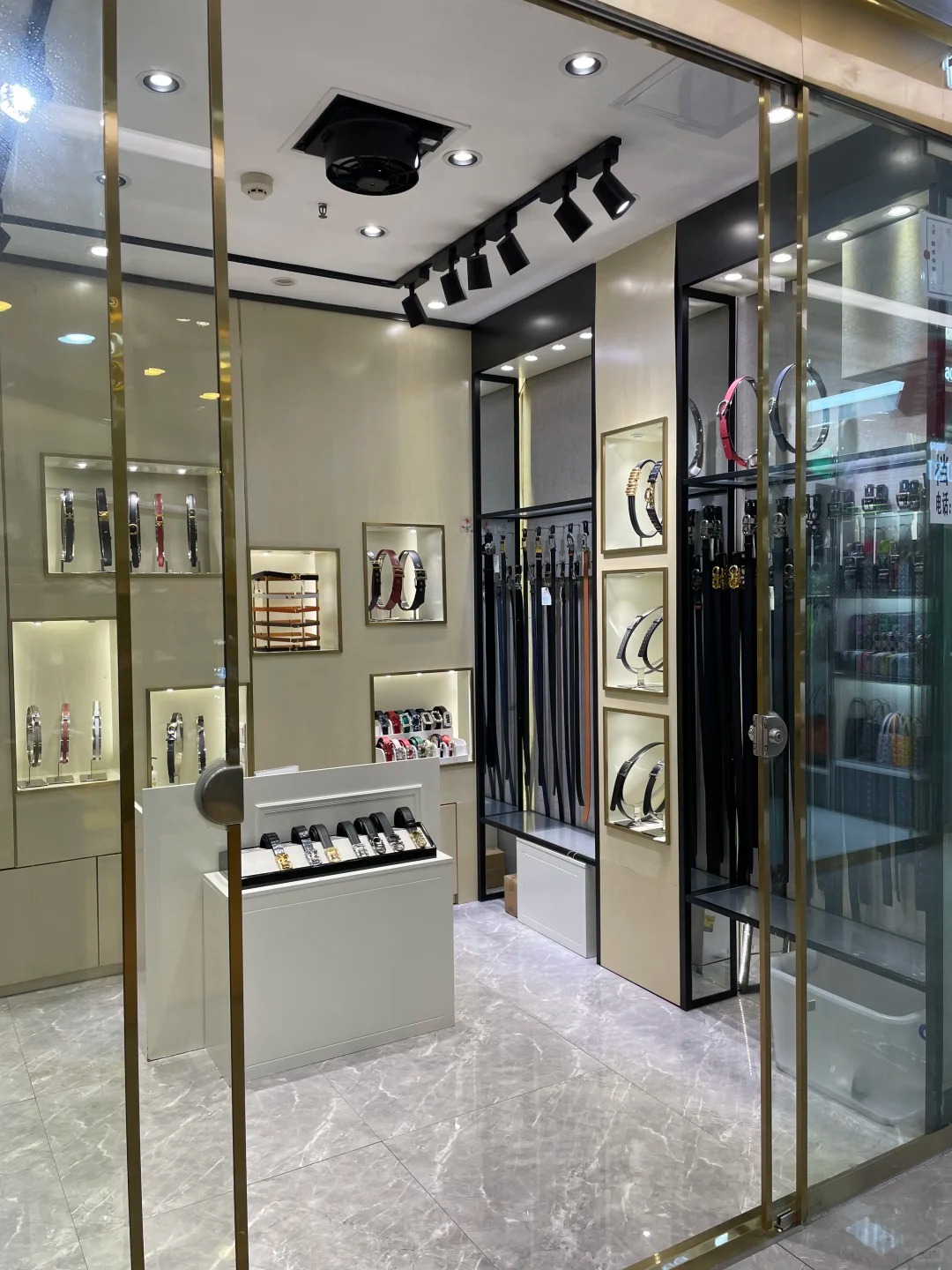
China’s wholesale markets are a maze—hundreds of stalls, each specializing in different tiers. For luxury goods, you target the back alleys and upper floors where the ‘hardcore’ suppliers operate. They don’t advertise logos; they sell you the hand-feel of calfskin leather, the weight of a buckle, the precision of micro-stitching. If you’re after authentic, factory-auth pieces (not fakes), you need to ask for “original factory bonded goods” or “export surplus for OEM brands.” That’s how insiders talk.
Step 1: Know Your Markets
Three key markets for luxury: Guangzhou Sanyuanli (leather goods, shoes), Yiwu International Trade City (accessories, watches), and the hidden VIP rooms in Shenzhen Huaqiangbei (electronics with luxury finishes). Each has a code. In Yiwu, for example, watch the morning rush—traders pull out their best stock only for serious buyers. In Guangzhou, don’t ask for a specific brand name; ask for “high-end women’s bags with genuine leather and YKK zippers.” They’ll know.
Step 2: Inspect Like a Pro
You’re not here for logos. You’re here for fabric quality, stitching density, and hardware weight. True luxury production (from authorized factories in Dongguan, etc.) uses 8-10 stitches per inch. Run your finger along the seams—if it’s uneven or thread comes off, it’s low-tier. Pull out the lining; authentic leather linings have a subtle grain pattern. Weigh the item in hand—real Italian calfskin is surprisingly heavy. Use a UV flashlight? Yes. Many bonded goods have invisible tags that glow.
Step 3: Negotiate with Intelligence
Stall owners hate tire-kickers. If you want their best price, you must buy in quantity (minimum 6-12 pieces per style). But for one-off samples, they’ll sometimes sell at wholesale + 10% if they see you know your stuff. Pro tip: Always mention that you’re a returning buyer from Soudangkou—it shows you’re part of the export network. They’ll drop their guard and reveal their real stockroom.
Step 4: Verify Authenticity
Legitimate luxury supplies come with original packaging, proof of tax payment, and sometimes certificates of origin. If the seller hesitates to show a receipt or claims “no paperwork,” walk away. The real suppliers have nothing to hide—they’re clearing stock, not faking goods. Demand a video call of the product next to a retail version, or ask for a piece to be tested at a SGS-type lab. Wholesale markets have on-site inspection services for a small fee.
FAQs: Buying Luxury from China Wholesale Markets
| Question | Answer |
|---|---|
| Are luxury products in Chinese wholesale markets fake? | Not always. Many stalls sell genuine overproduction, surplus, or export-quality goods from licensed factories. But you must verify origin and quality. |
| What should I look for in stitching? | Straight, tight stitches with no loose threads. Luxury uses 8-10 stitches per inch; budget goods use 5-6. |
| How do I find bonded stock? | Ask for “OEM bonded surplus” or “factory original goods.” Sellers in the know will direct you to their upper-floor or back-room stashes. |
| Can I negotiate price for single items? | Yes, but only after establishing you’re a serious buyer. Offer to buy multiple pieces, then ask for a sample at cost. |
| What forms of payment do sellers accept? | WeChat/Alipay, cash, and sometimes T/T. Credit cards are rare. Carry CNY or USD. |
| How to spot genuine leather? | Rub the surface with a damp cloth: real leather darkens slightly and smells like leather. Fake stays the same and smells like plastic. |
| Do I need a local agent? | Recommended for first-timers. Agents charge 5-10% but can negotiate better prices and handle logistics. |
| What if I want brand-specific items? | Don’t name-drop. Describe the product features (e.g., “crossbody bag with quilted pattern and chain strap”). Markets have analogues from the same factories. |
Final Word on Market Stalls vs. Online
Online platforms like Alibaba have massive selection, but nothing beats the tactile experience of a wholesale market stall. You feel the weight, see the weave, and can compare ten versions of the same bag side by side. Plus, relationships built face-to-face yield future discounts. For your first trip, spend a full day just walking and watching. Note which stalls have the most Asian traders—that’s insider traffic.
Soudangkou has documented these market dynamics for years, guiding newcomers through the labyrinth. One concrete tip: carry a luggage scale—weigh any bag you’re interested in; genuine luxury bags are heavier than knockoffs due to quality hardware and leather. That simple trick saves novices from being duped.
In summary, buying luxury brand products from China is perfectly legitimate when you target wholesale market stalls dealing in bonded stock. Master the inspection criteria, negotiate like a pro, and always verify authenticity. The savings are real—just as real as the leather in your hands.
广州服装档口相关入口
继续查看相关市场和品类入口,方便对比档口微信、货源范围、拿货方向和试单前需要核实的信息。