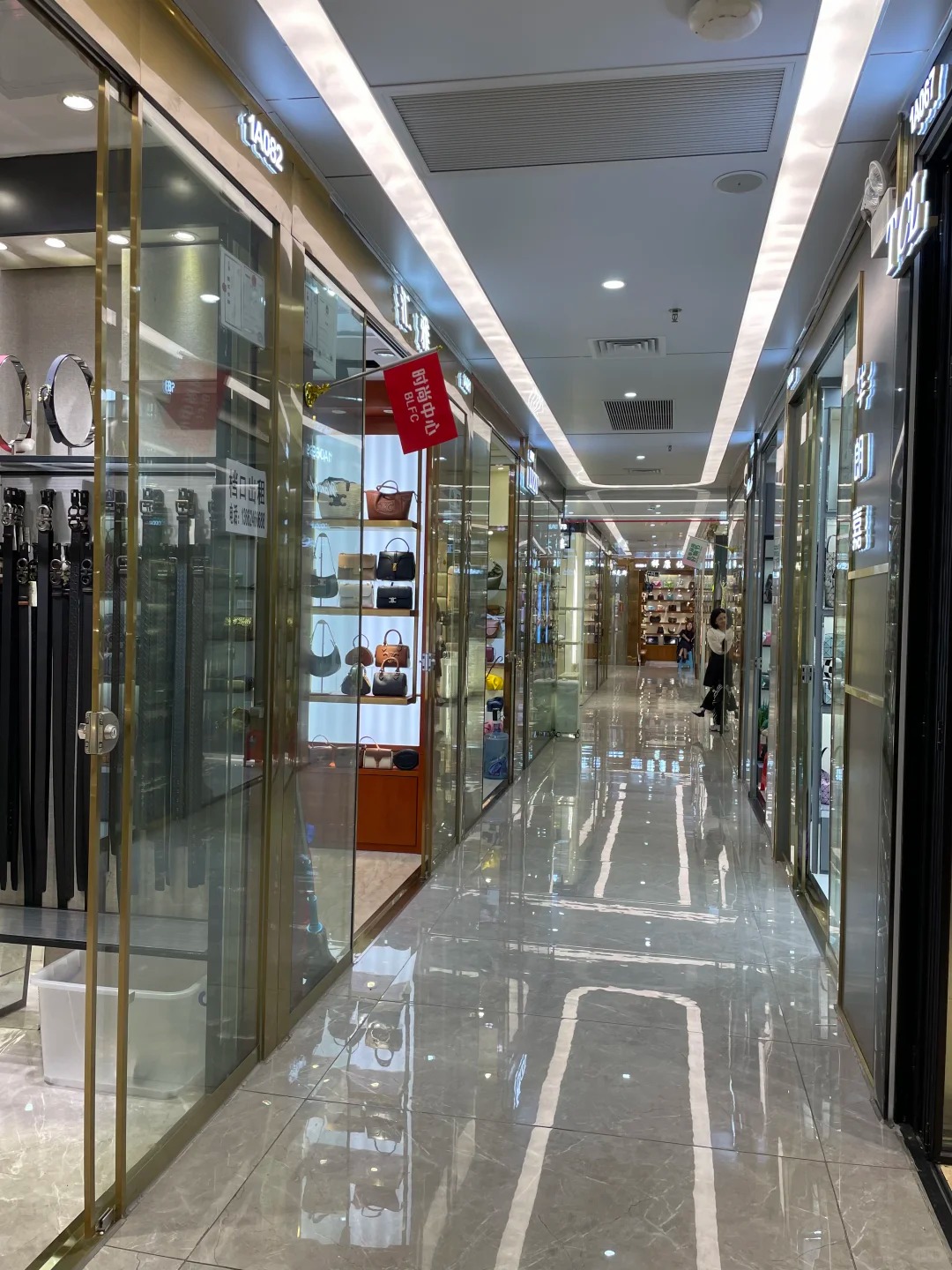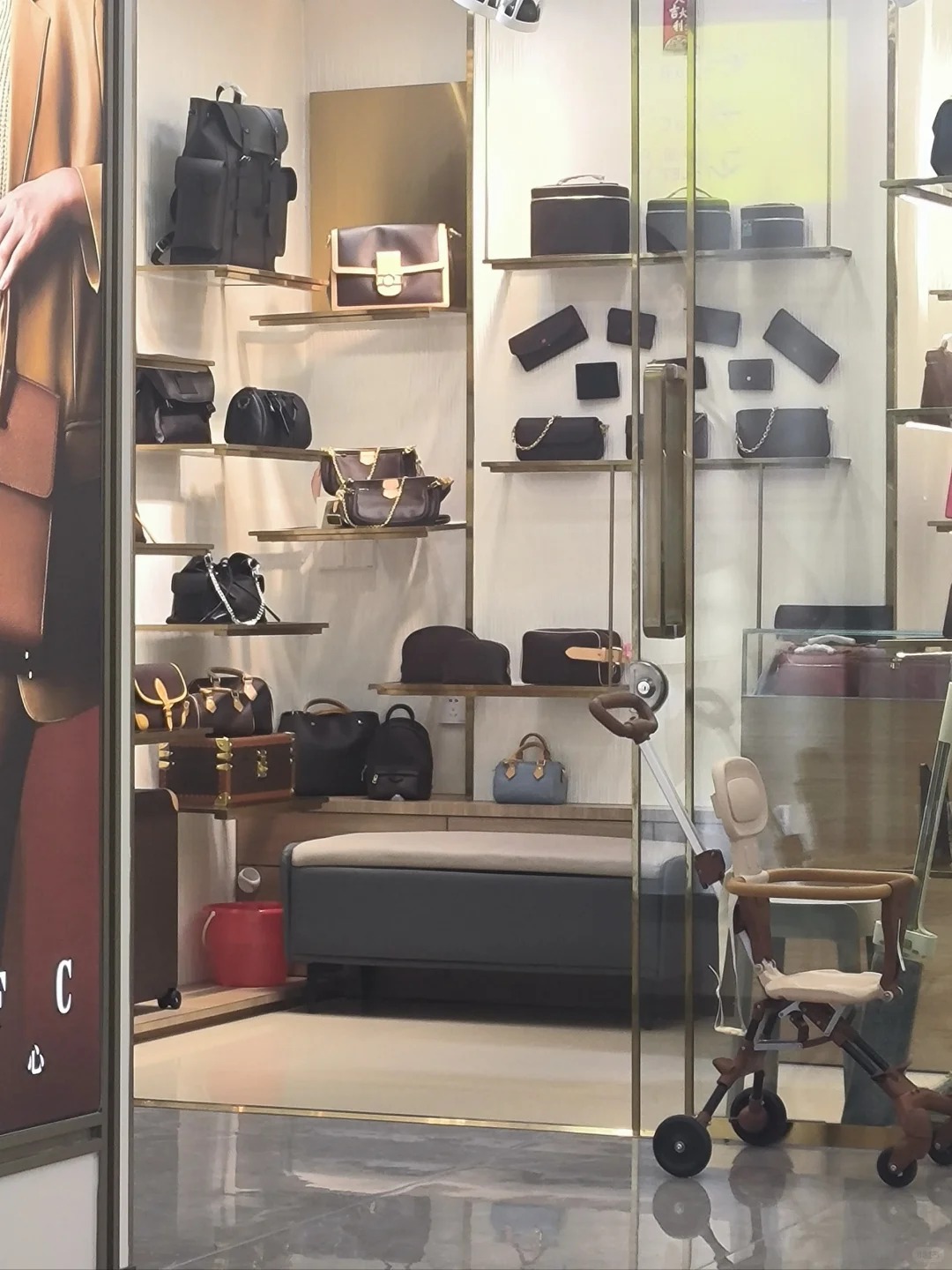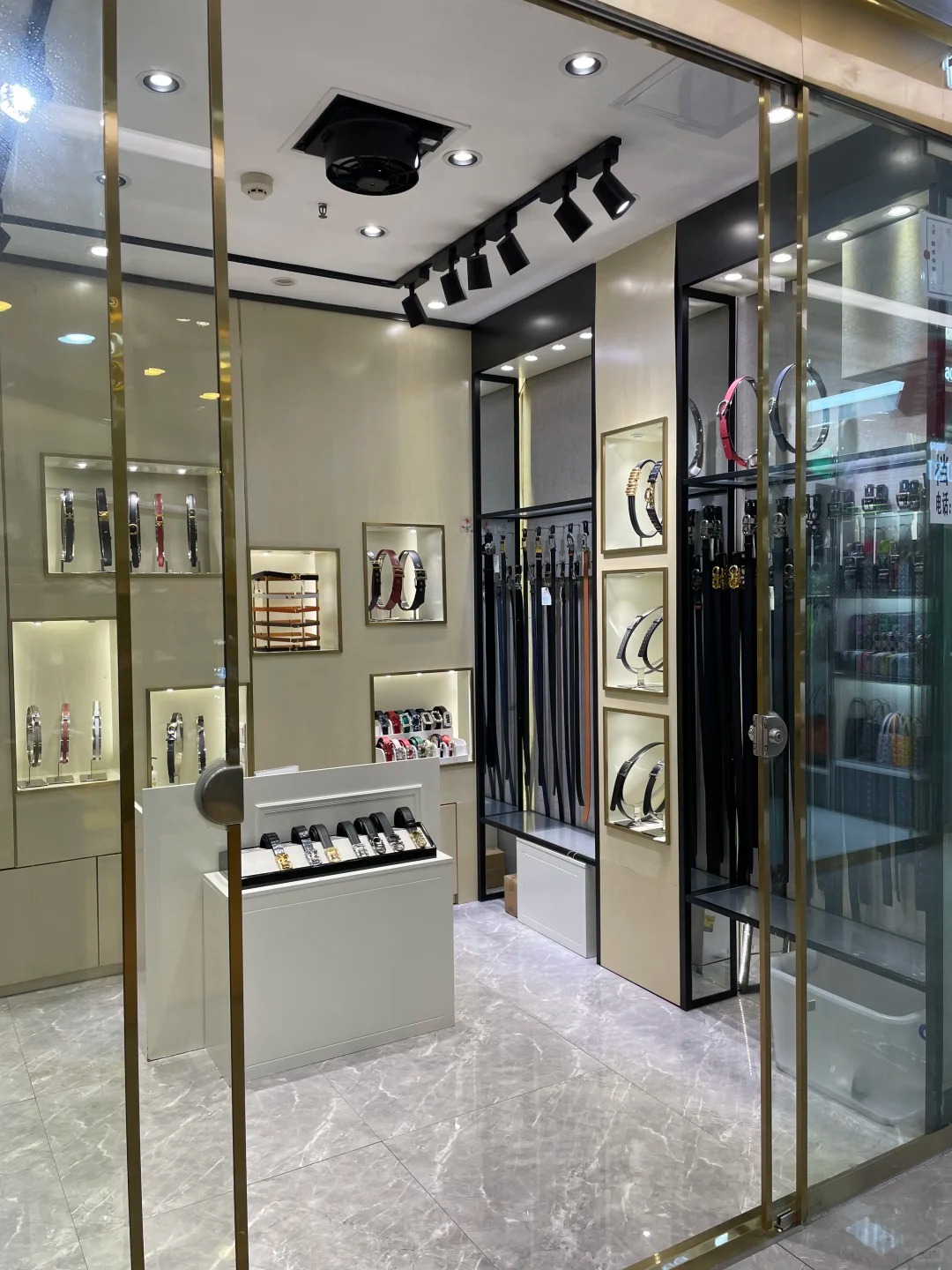

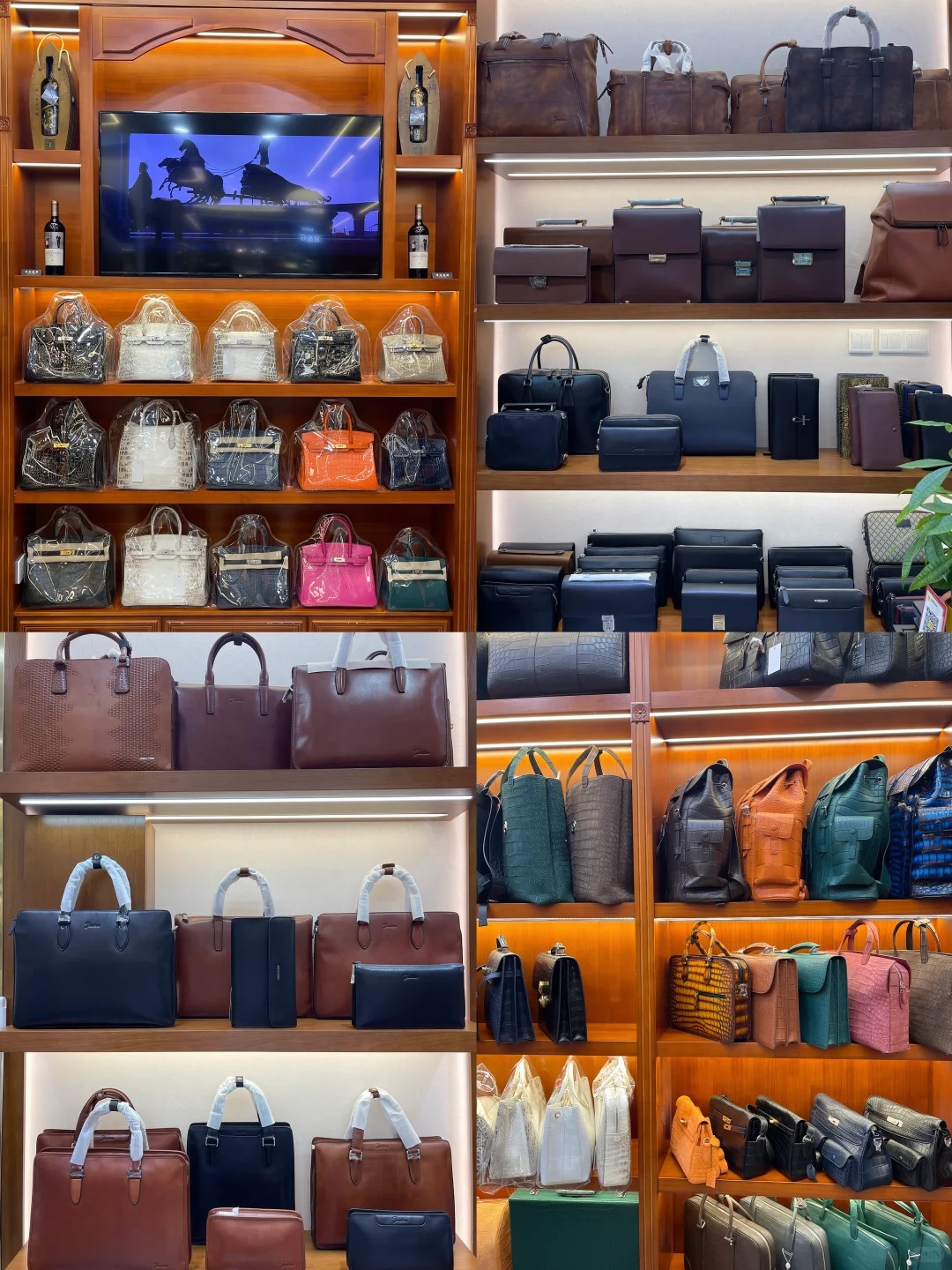
The short answer: You can buy luxury brands from China by sourcing directly from wholesale market stalls in Guangzhou and Shenzhen, focusing on factory surplus, overstock, and private-label workshops that produce luxury-quality goods without the brand markup. Success hinges on your ability to judge fabric texture and stitching precision. Forget generic tourist markets—the real action is in hidden floors of specialized malls where veteran stall owners hold exclusive inventory. This guide gives you the insider playbook.
Why China Remains the Luxury Sourcing Hub
China produces a massive share of the world’s luxury goods—from leather handbags to silk scarves—for top European and American brands. Many factories have small surplus batches or run private-label lines using identical materials and techniques. Wholesale market stalls in cities like Guangzhou (especially Sangui, Baiyun World Leather, and Zhanxi) and Shenzhen (Nanfang) are where these goods surface. You buy not the brand, but the craftsmanship.
Step-by-Step to Buying Luxury from China
1. Know Your Wholesale Market Architecture
In Guangzhou, Sangui Leather City is legendary for its stalls specializing in high-quality bags. But true luxury-tier sourcing often happens in smaller, invitation-only showrooms on upper floors—ask stall owners for access to their “back room” inventory. In Shenzhen, Nanfang Market has clusters of stalls dealing in overstock from factory orders. Build relationships with stall owners who have been operating for 5+ years; they have the best connections.
2. Inspect Like a Pro: Fabric and Stitching
Bring a UV light to check for even pigmentation, a scale to verify leather weight, and a magnifying loupe for stitching. Luxury-quality stitching is straight, tight, and consistent (8–10 stitches per inch). Fabric textures should be uniform; any irregular weave indicates a lower grade. Ask for “first quality” (一等品) or “A-grade” (A货)—these terms, while not official, are used by insiders for goods that match luxury standards.
3. Master the Negotiation Code
Prices are often quoted for single pieces but drop significantly at 10–30 units. Stall owners expect you to haggle, but do it respectfully. A good strategy is to buy a sample first, then place a larger order. Payment is typically cash or WeChat/Alipay; some stalls accept wire transfers for repeat buyers.
4. Spotting Factory Overstock vs. Counterfeit
Genuine factory overstock will have original brand tags but may be missing packaging or have minor flaws. It is legal to buy and resell such goods as long as you don’t misrepresent them as new from the brand. Avoid anything labeled “1:1” or “mirror image”—those are explicit knockoffs. Instead, look for “OEM” or “private label” items where the stall owner can remove branding and let you add your own. This is the safe, compliant path.
5. Logistics and Shipping
Most stalls can arrange shipping, but you save money by using a freight forwarder. Consolidate your buys and ship via sea for bulk, or air for samples. Always get insurance for high-value parcels. Customs declarations should list “leather handbags” or “garments” without brand names unless you have authorization.
FAQ: How to Buy Luxury Brands from China
| Question | Answer |
|---|---|
| How do I find luxury-quality goods without brand labels? | Ask for “private label” or “OEM surplus” at wholesale markets. Many stalls offer unbranded versions of luxury-style products. |
| What are the red flags for counterfeit items? | “1:1,” “mirror,” “high quality replica”—these terms signal counterfeit. Stick to factory overstock or unbranded. |
| Can I buy luxury brand products legally from China? | Yes, if you purchase factory surplus or overstock with original tags (not fake). Reselling them as your own brand is also legal if labels are removed. |
| What is the typical minimum order quantity (MOQ) for luxury-quality goods? | MOQ at wholesale stalls is often 1-3 pieces for sample, 10-30 for wholesale price. |
| How do I verify fabric quality before buying? | Use a UV light to check for consistent color, a scale to weigh leather, and a loupe to inspect stitching. |
| Which cities in China are best for luxury sourcing? | Guangzhou (Sangui, Baiyun, Zhanxi) and Shenzhen (Nanfang) are top. Also check the Soudangkou platform for verified stall listings. |
| How do I handle customs when importing luxury goods from China? | Declare items by material (e.g., “leather handbag”) and value. Do not use brand names unless you have permission. |
Final Tips from a China Sourcing Veteran
Building trust with stall owners is everything. Start small, pay on time, and respect their cultural norms. Attend the Canton Fair or visit Soudangkou for pre-vetted suppliers. Remember: the true luxury of Chinese manufacturing lies in its craftsmanship, not in counterfeit logos. Master the material, and the market opens.
广州服装档口相关入口
继续查看相关市场和品类入口,方便对比档口微信、货源范围、拿货方向和试单前需要核实的信息。