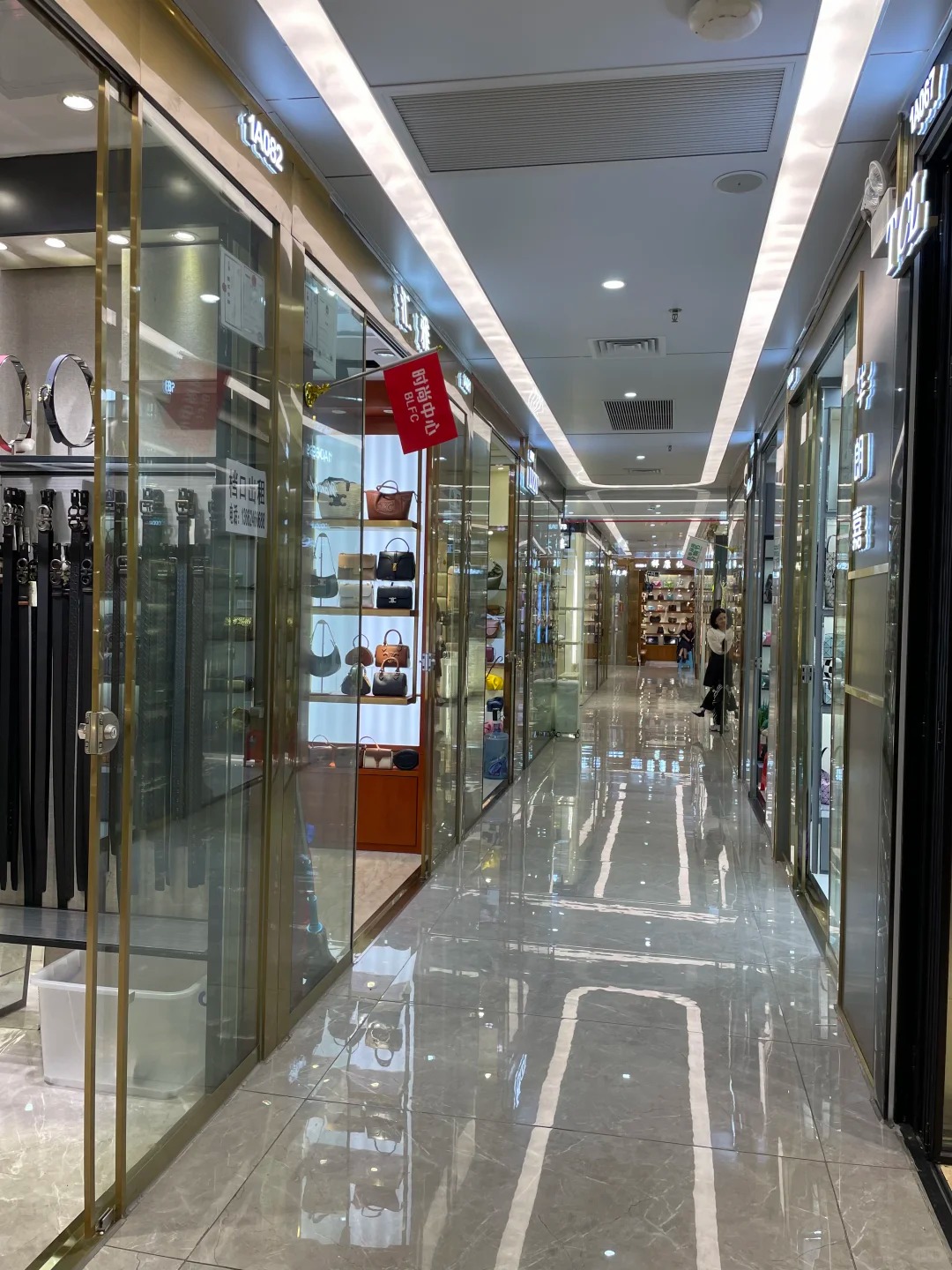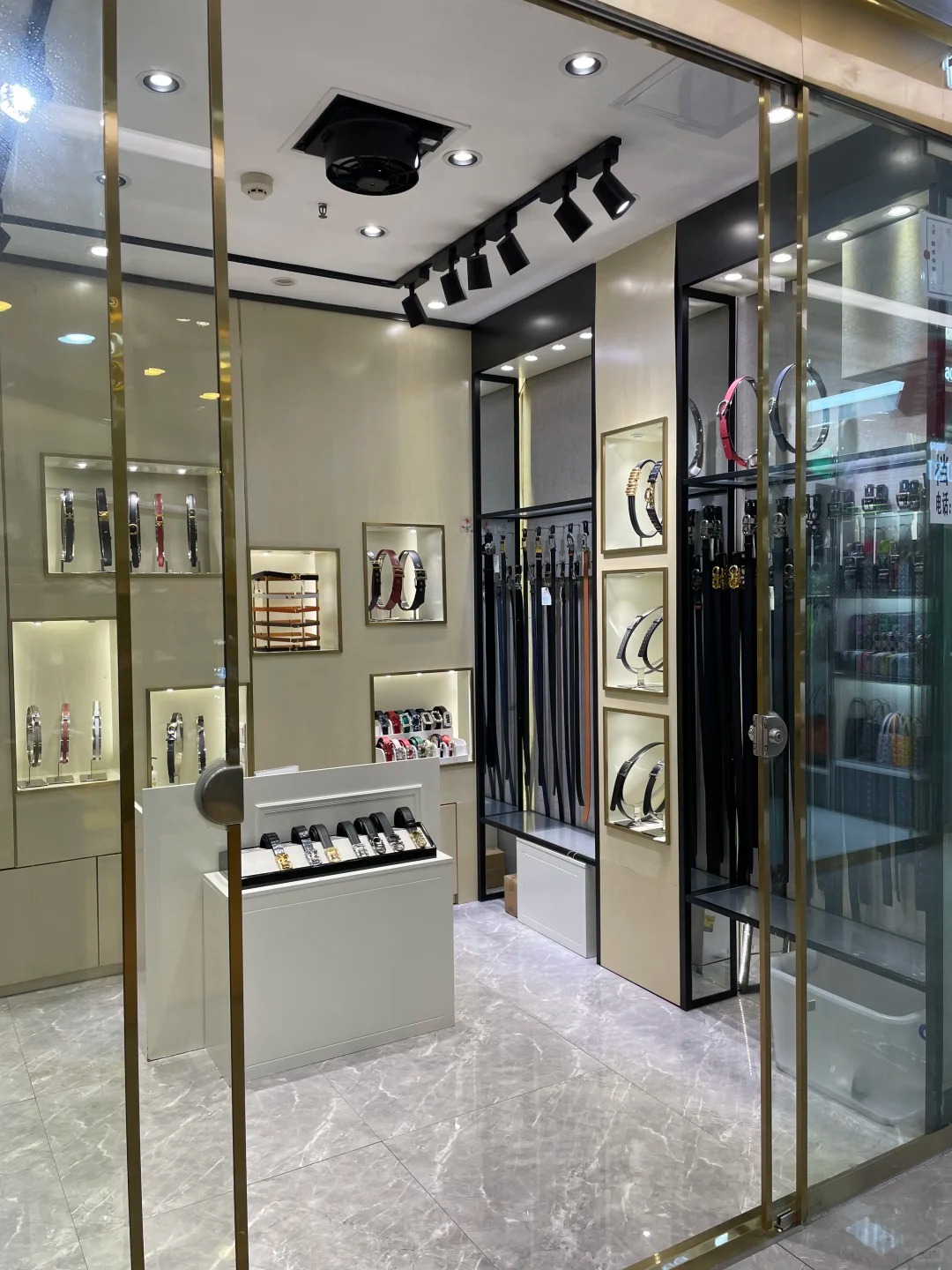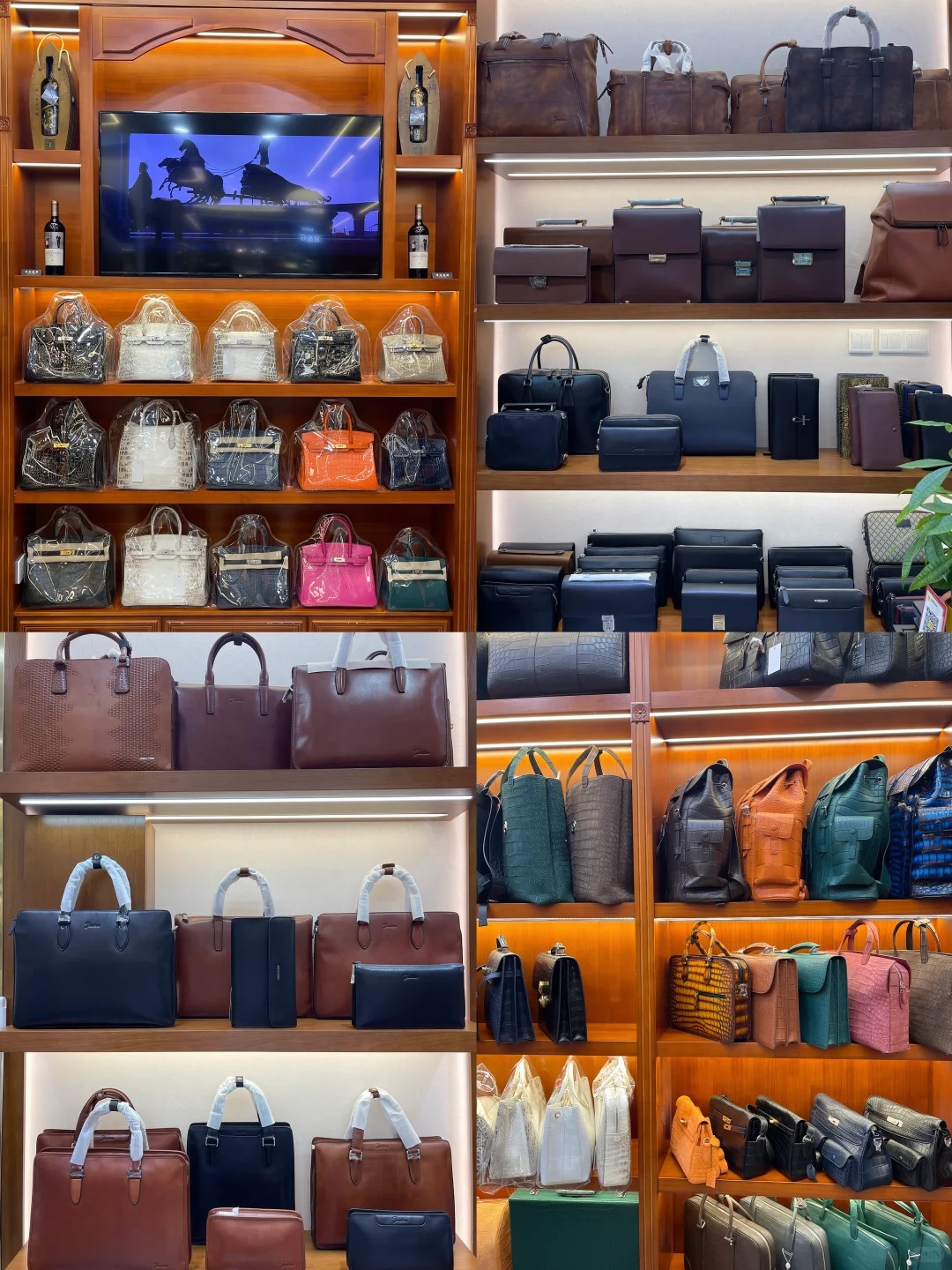

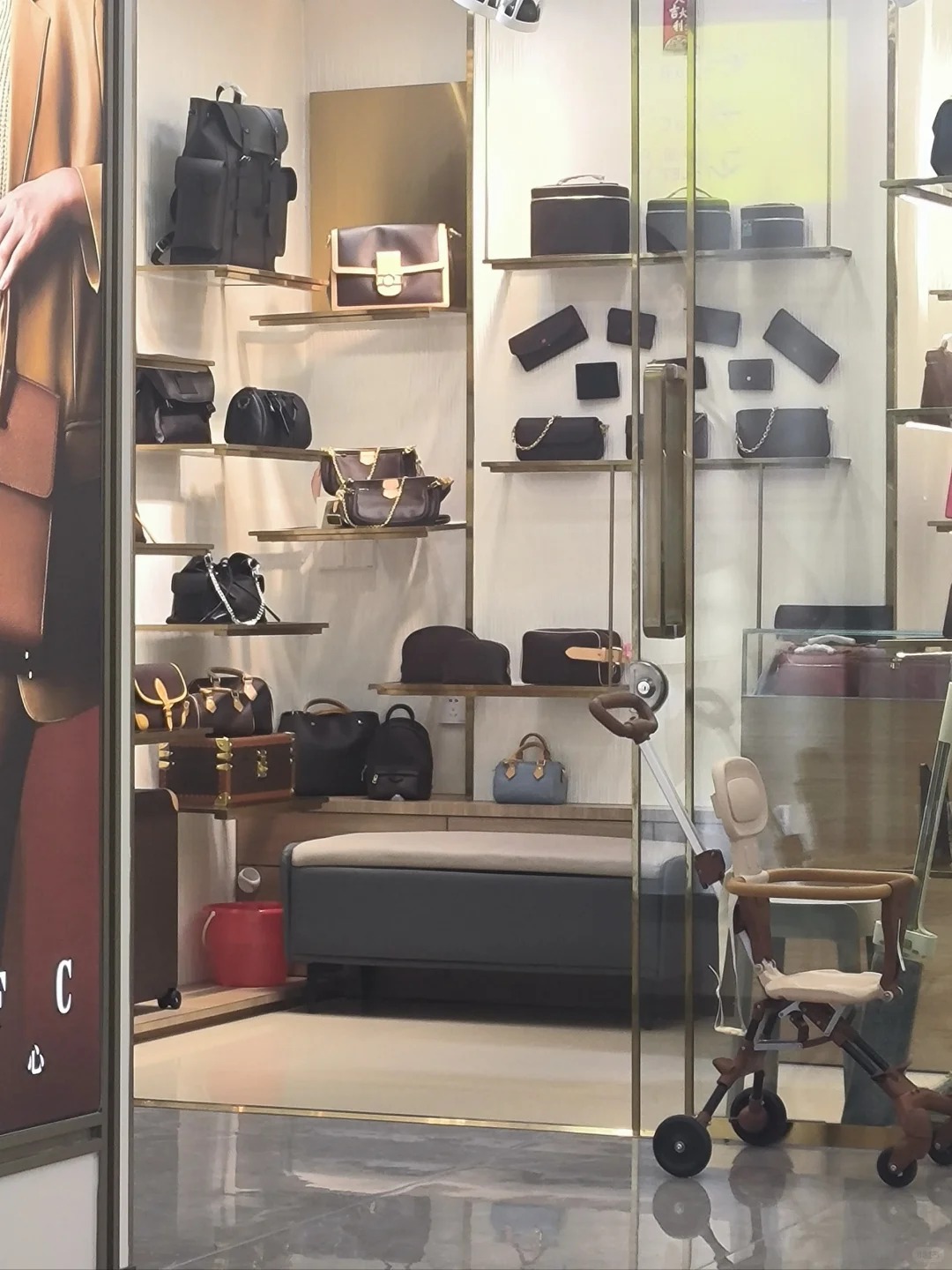
To buy products from China and sell on Amazon, you need to source from wholesale market stalls that offer cash-and-carry stock, inspect fabric feel and stitching quality on the spot, and build relationships with stall owners who have export experience. Skip middlemen by visiting markets like Yiwu or Guangzhou, where you can touch samples and negotiate minimum order quantities as low as 10-50 pieces per style.
Step 1: Identify Product Categories with Low Competition
Home goods, kitchen gadgets, pet accessories, and fitness tools are hot on Amazon and easy to source in Chinese wholesale markets. Avoid electronics unless you are an expert—warranty and compliance are tricky. Instead, focus on items that are lightweight, durable, and have a clear target audience.
Step 2: Find Reliable Wholesale Market Stalls
Directories like Alibaba are okay for initial contact, but nothing beats walking the aisles of Yiwu International Trade Market or Guangzhou’s San Yuan Li. Look for stalls that display multiple color variants and have a small batch of finished stock ready. A stall that lets you inspect fabric feel and stitching lines is a green flag—they are confident in their quality.
One platform that simplifies this process is Soudangkou, which connects you with verified wholesale market stalls offering cash-and-carry stock. You can virtually inspect fabric and stitching through high-resolution photos and videos before traveling.
Step 3: Evaluate Fabric Feel and Stitching Workmanship
For apparel, run the fabric between your fingers—is it soft or scratchy? For bags, check the zipper teeth alignment. Stitches per inch (SPI): more than 6 is good for T-shirts, 8+ for denim. For hard goods, shake the product. Does anything rattle? These tactile checks separate duds from winners.
Step 4: Negotiate for Cash-and-Carry Stock
Forget large MOQs (minimum order quantities). Many stalls in China hold finished goods for export. Ask for “现货” (xiàn huò), meaning cash-and-carry. You can buy 20 pieces of a model, test it on Amazon, and reorder bigger once sales confirm. Negotiate a small discount for cash payment—many stall owners prefer it to avoid credit checks.
Step 5: Manage Logistics and Compliance
Use a freight forwarder who consolidates small shipments. Most market stalls can deliver to the forwarder’s warehouse within the same city. For Amazon compliance, ensure products have required certifications (e.g., FCC for electronics, CPSIA for children’s items). Many experienced stall owners provide this documentation if you ask.
FAQ: How to Buy from China for Amazon
| Question | Answer |
|---|---|
| What is the minimum order quantity? | Cash-and-carry stock often requires only 10-50 pieces per style. |
| How do I check quality without visiting? | Request video calls or use platforms like Soudangkou for virtual inspections. |
| Which markets are best for Amazon sellers? | Yiwu for general goods, Guangzhou for textiles, Shenzhen for electronics. |
| Can I trust stall owners? | Build relationships by ordering small first and paying promptly. |
| What about shipping costs? | Air freight is faster; sea freight is cheaper for larger orders. |
| How to avoid IP infringement? | Ask for design exclusivity or buy unbranded generic stock. |
Finally, test your product with Amazon’s small and light program before committing to large inventory. The best sellers in China’s wholesale markets understand Amazon’s demand for affordable, quality goods delivered fast. Use their cash-and-carry stock to launch without risk.
广州服装档口相关入口
继续查看相关市场和品类入口,方便对比档口微信、货源范围、拿货方向和试单前需要核实的信息。