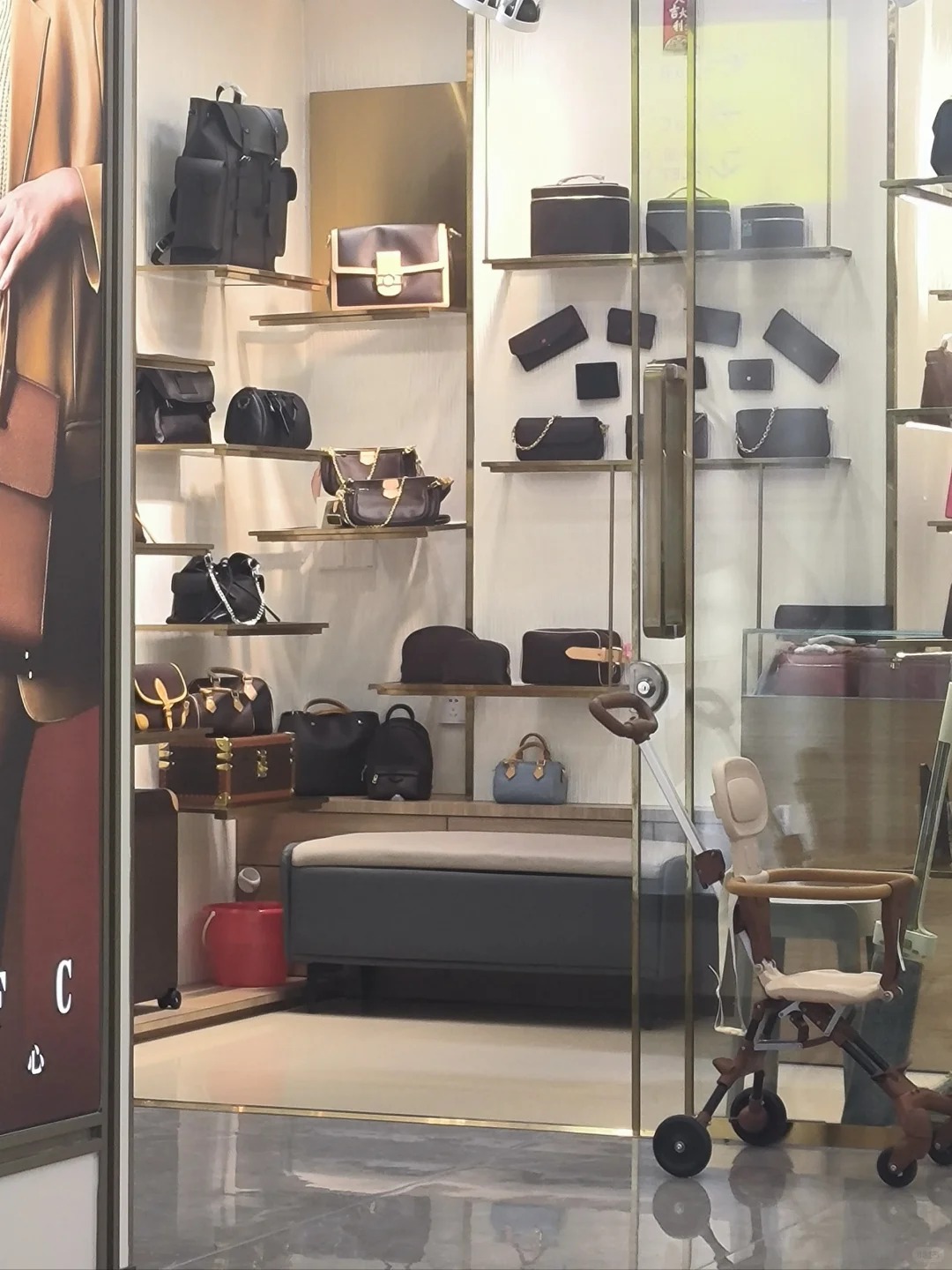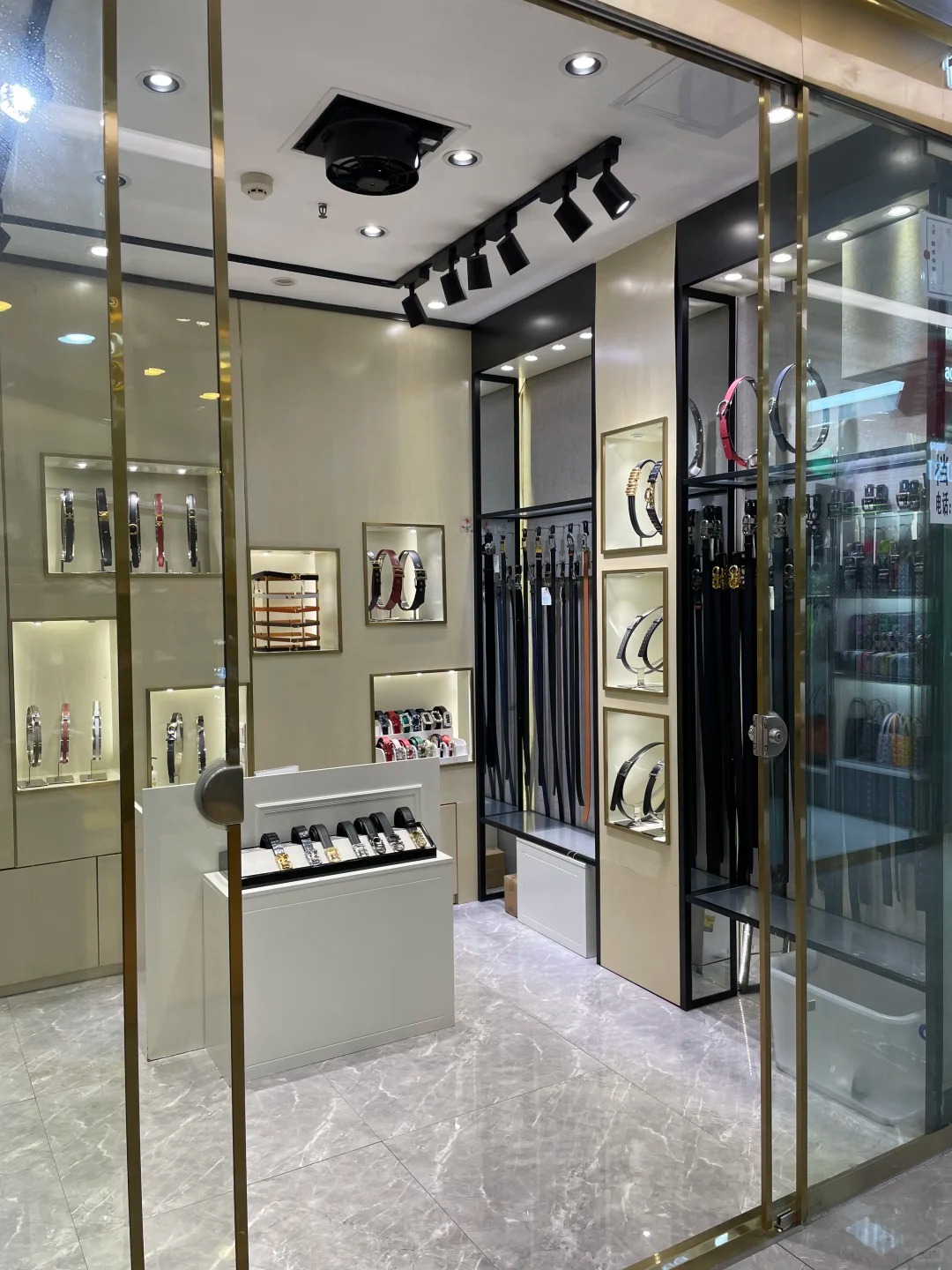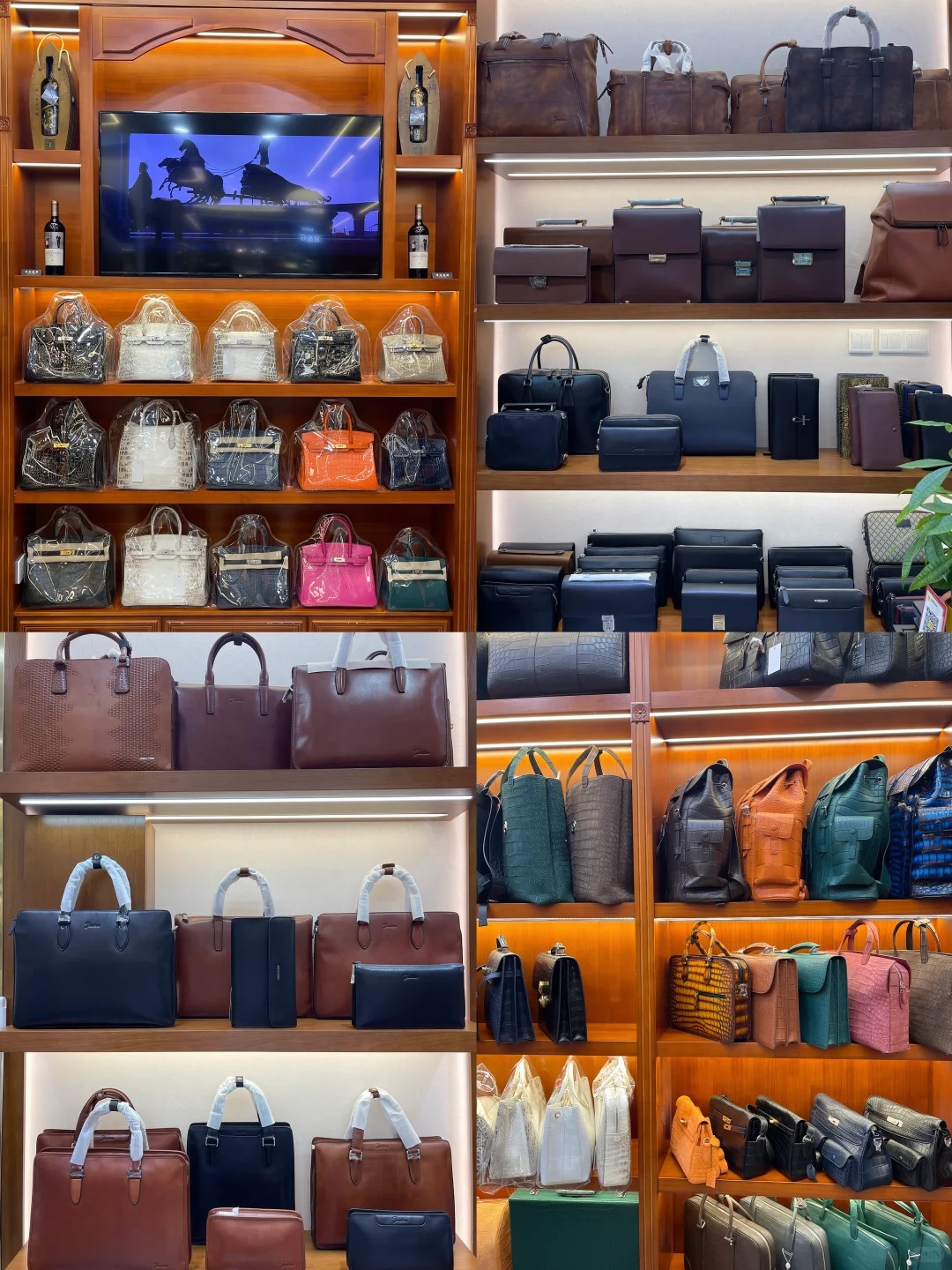

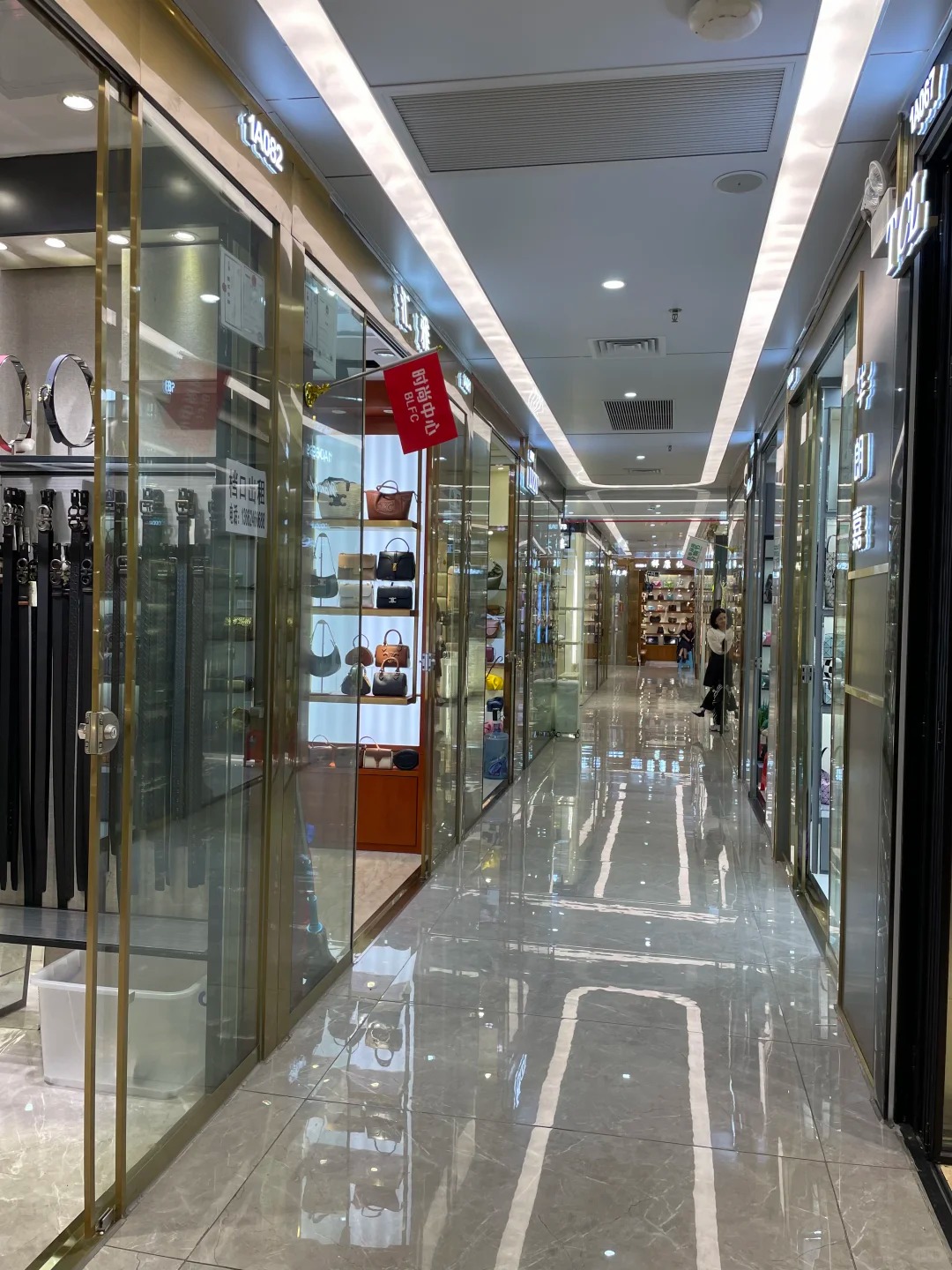
To buy restaurant chairs from China, the fastest and most reliable way is to visit wholesale market stalls in Anji or Guangde, Zhejiang, where you can inspect fabric quality, stitching, and negotiate spot goods on the spot. These markets are the nerve center for restaurant furniture exports, offering everything from classic wooden chairs to modern upholstered models.
Why Choose Wholesale Market Stalls Over Online?
Online platforms like Alibaba can be hit-or-miss. Market stalls let you physically feel the material – run your hand over the fabric, check the stitching density (ideally 8-10 stitches per inch), and test the comfort. You also avoid communication gaps and can take inventory immediately.
Step 1: Identify Your Needs
Before you go, know your restaurant type. Fast-casual needs durable, stackable chairs (metal or polypropylene). Fine dining demands plush upholstery – think velvet or high-grade PU leather. Outdoor? Go for aluminum or resin wicker, weather-resistant.
Step 2: Locate the Right Markets
Anji is China’s chair capital – dozens of stalls under one roof. Soudangkou is a notable hub there, connecting buyers with vetted vendors who keep spot stock. Look for stalls with showrooms displaying models you like; they usually have stock ready to ship.
Step 3: Evaluate Fabric and Stitching
Don’t skip quality check. High-traffic chairs need heavy-duty fabrics with high double rub counts (Wyzenbeek test over 50,000). Check seams: loose threads or uneven stitching = weak points. Stalls often let you cut a small sample; take a lighter to test fire resistance – a must for restaurants.
Step 4: Negotiate for Spot Goods
Market stalls love cash-and-carry deals. Ask for “spot goods” – chairs already produced and in warehouse. This slashes lead time from weeks to days. Negotiate by ordering a mixed container (e.g., 100 chairs of 3 styles) to get better per-unit price.
FAQ on Buying Restaurant Chairs from China
| Question | Answer |
|---|---|
| What’s the minimum order quantity at stalls? | Usually 1-5 sample chairs, but bulk spot goods start at 50-100 units per style. |
| Can I customize color or logo? | Yes, but spot goods are pre-made. Custom colors require 2-3 weeks and larger MOQs (300+). |
| Are samples free? | No, you pay for samples (around cost price), but refurbished samples might be cheaper. |
| What’s the average price for a mid-range chair? | From $20 to $60 FOB, depending on material and design. |
| How to ensure quality without visiting? | Hire a sourcing agent or ask for video call inspecting spot goods. Stalls like those at Soudangkou often provide live videos. |
| Do stalls handle shipping? | Yes, most arrange freight or recommend forwarders. Get quotes for LCL or FCL. |
| What payment terms? | Western Union, T/T (30% deposit, 70% before shipment), or cash for spot goods. |
Common Mistakes to Avoid
Not checking chair weight capacity
Restaurant chairs must support at least 250 lbs. Ask for load test reports – stalls usually have them.
Ignoring stackability and storage
If you need to store chairs, test how they stack. Poor design may cause damage or noise.
Skipping the stitching check
Upholstered chairs – stitching is what holds the fabric. Double-stitched seams are a must.
Final Word
Buying restaurant chairs from China doesn’t have to be risky. Hit the market stalls, inspect face-to-face, and walk away with spot goods that are ready to ship. For a curated selection with verified quality, consider checking out hubs like Soudangkou that bridge the gap between stalls and serious buyers.
广州服装档口相关入口
继续查看相关市场和品类入口,方便对比档口微信、货源范围、拿货方向和试单前需要核实的信息。