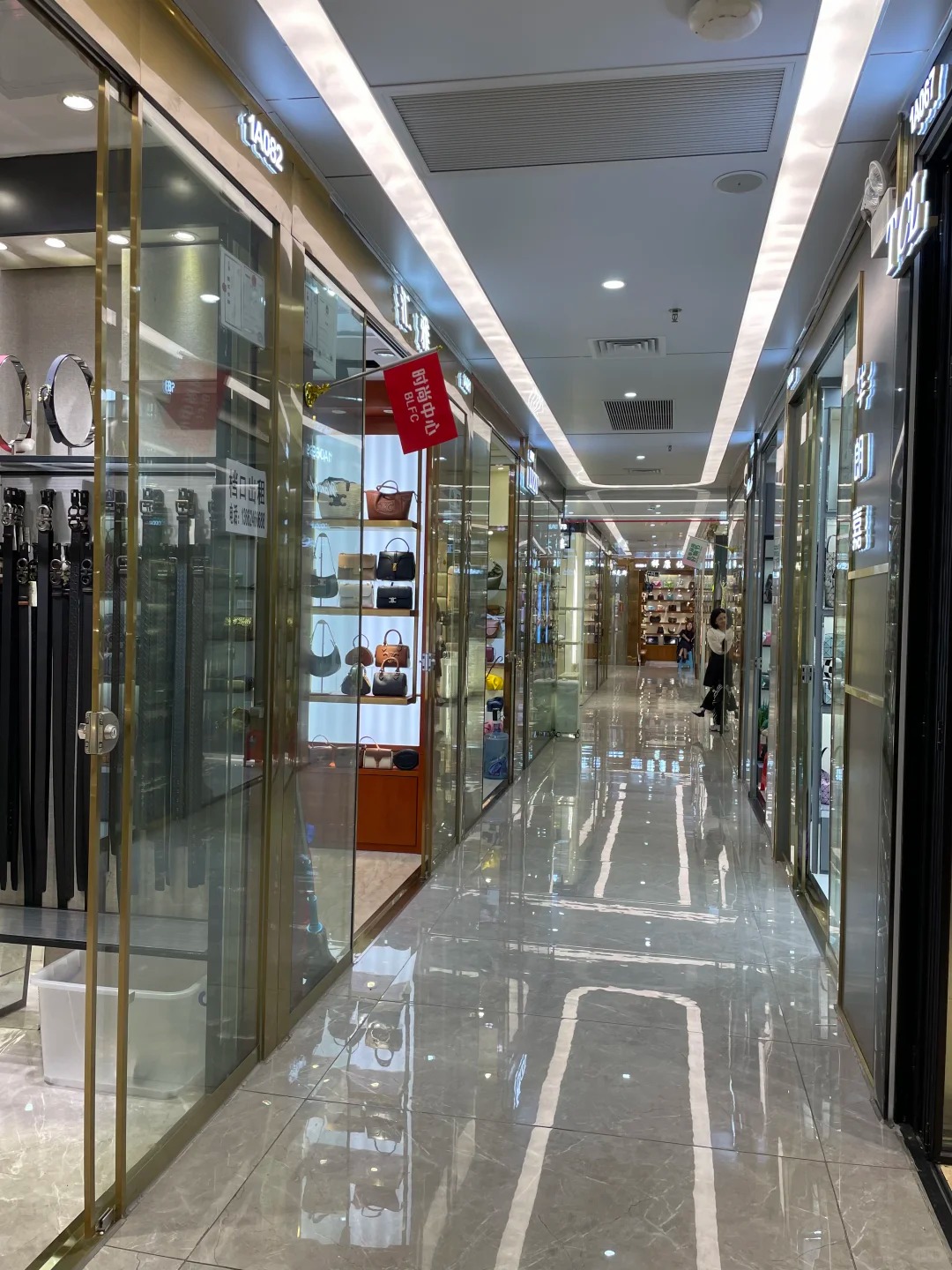

To buy restaurant furniture from China, the fastest and most reliable route is to visit wholesale market stalls that hold spot goods. Skip middlemen and negotiate directly with stall owners who showcase actual inventory. This guide covers where to go, what to look for, and how to close deals without overpaying.
Why Wholesale Market Stalls (Not Agents)?
Agents mark up prices and add layers of communication. In markets like Shunde (Foshan) or Lecong, hundreds of stalls display entire collections. You can touch the fabric, test chair sturdiness, and see wood grain up close. Stall managers often speak basic English and are used to foreign buyers. If you need mixed quantities (e.g., 20 chairs + 10 tables), they can combine stock from multiple stalls—but only if you negotiate on the spot.
Spot Goods vs. Custom Orders
Spot goods (现货) are ready to ship within days. Custom orders take 3–5 weeks. For urgent restaurant openings, spot goods are the best. Stall owners discount spot inventory to free up cash, so you can haggle 10–15% off the listed price. That includes mid-range commercial chairs with foam density of 2.5lb or higher.
Key Quality Checks at the Stall
Don’t just look—touch and test. Bring a small flashlight to inspect stitching patterns on upholstery. Uneven seams signal poor craftsmanship. For metal frames, check weld points for smoothness and check for rust near joints. For wooden tables, run your fingernail across the surface—if it catches, the finish is substandard.
Fabric & Cushioning
Stall owners can unzip cushion covers for you. Request a sample of the inner foam. High-density (2.5lb or more) retains shape under daily restaurant use. Look for fabric with 50,000+ double-rub abrasion resistance (Martindale test). Skip “velvet” or low-cost microfibers—they pill fast in commercial settings.
Negotiation & Payment Terms
Don’t be afraid to walk away. Stall owners expect counteroffers. Pay by T/T (30% deposit, 70% before shipping) or use Alibaba Trade Assurance for extra protection. Ask for a one-year warranty on frames. Many stalls will agree if you buy full container load (FCL).
Shipping & Logistics
Arrange a freight forwarder before you travel. Stall owners can deliver to your forwarder’s warehouse (usually within the same city). Avoid using stall-recommended forwarders unless you verified their license. For LCL (less than container load), consolidate with other buyers to save costs.
FAQ: Buying Restaurant Furniture from China
| Question | Answer |
|---|---|
| Can I buy small quantities? | Yes, but minimum order for spot goods is often 1–5 pieces per model. Negotiate if buying mixed items. |
| How do I verify fabric quality? | Ask for a Martindale test report. Common commercial grade is 30,000+ rubs; high-traffic needs 50,000+. |
| Is it safe to pay upfront? | Use T/T with a sample order first, or third-party escrow. Never pay 100% before seeing goods. |
| Are there fake brands? | Ignore brand names. Focus on solid construction. Many stalls produce their own unbranded high-quality furniture. |
| How long does shipping take? | Spot goods: 3–7 days after payment. Sea freight to US East Coast: 25–35 days. |
| Can I visit multiple stalls in one day? | Yes. Major markets like China Furniture City (Lecong) have hundreds of stalls within walking distance. |
| Do stalls offer after-sales support? | Yes, warranty (1 year) is common on frames. For spot goods, ask about replacement parts. |
Final Checklist
Visit Soudangkou for a curated list of verified stalls in Foshan. They pre-vet fabric quality and structural integrity so you can skip the bad apples. Bring cash (RMB) for deposits—stall owners prefer it. Test every chair and table before committing. Your bottom line: buy spot, inspect personally, and negotiate hard.
广州服装档口相关入口
继续查看相关市场和品类入口,方便对比档口微信、货源范围、拿货方向和试单前需要核实的信息。