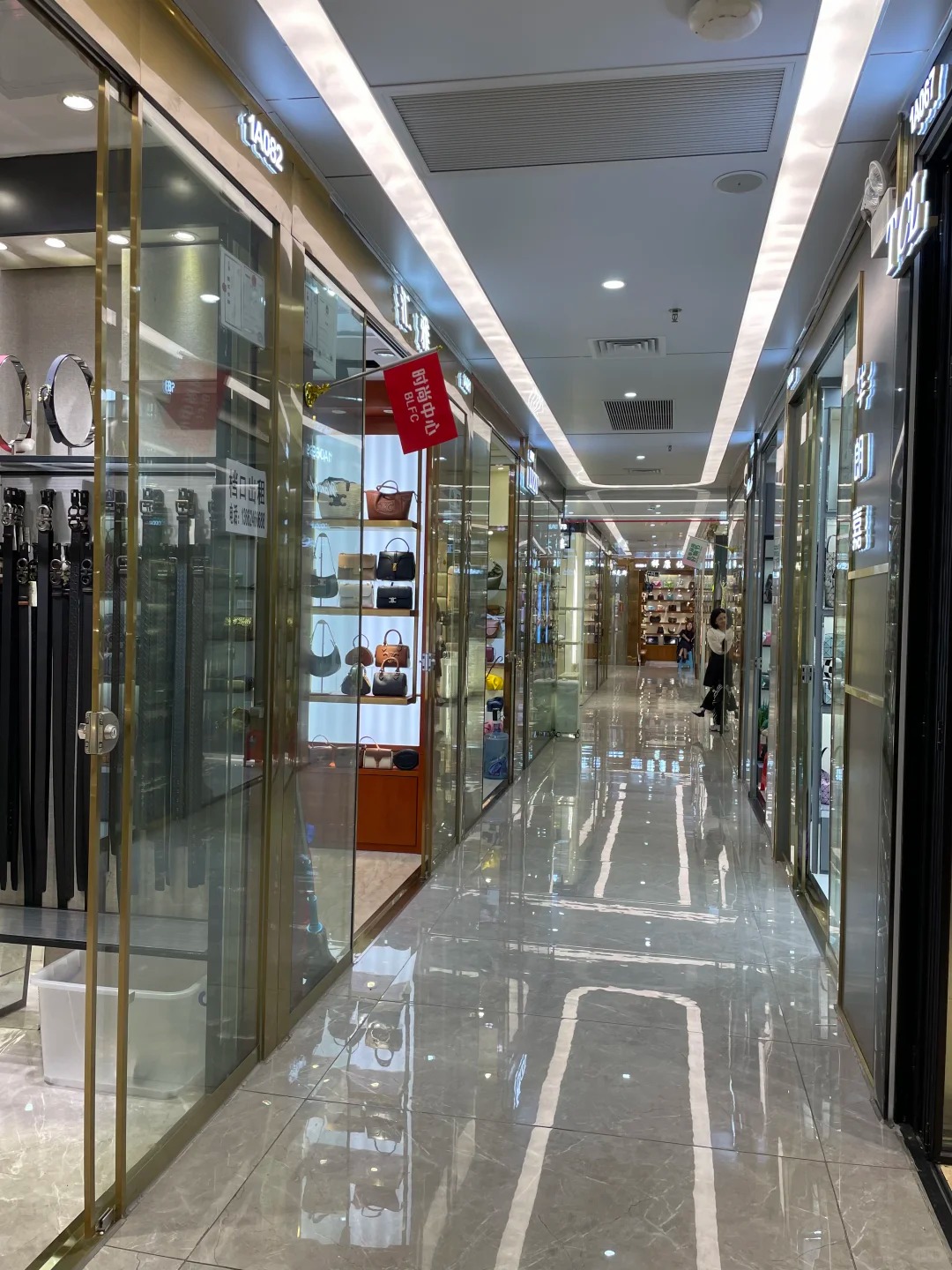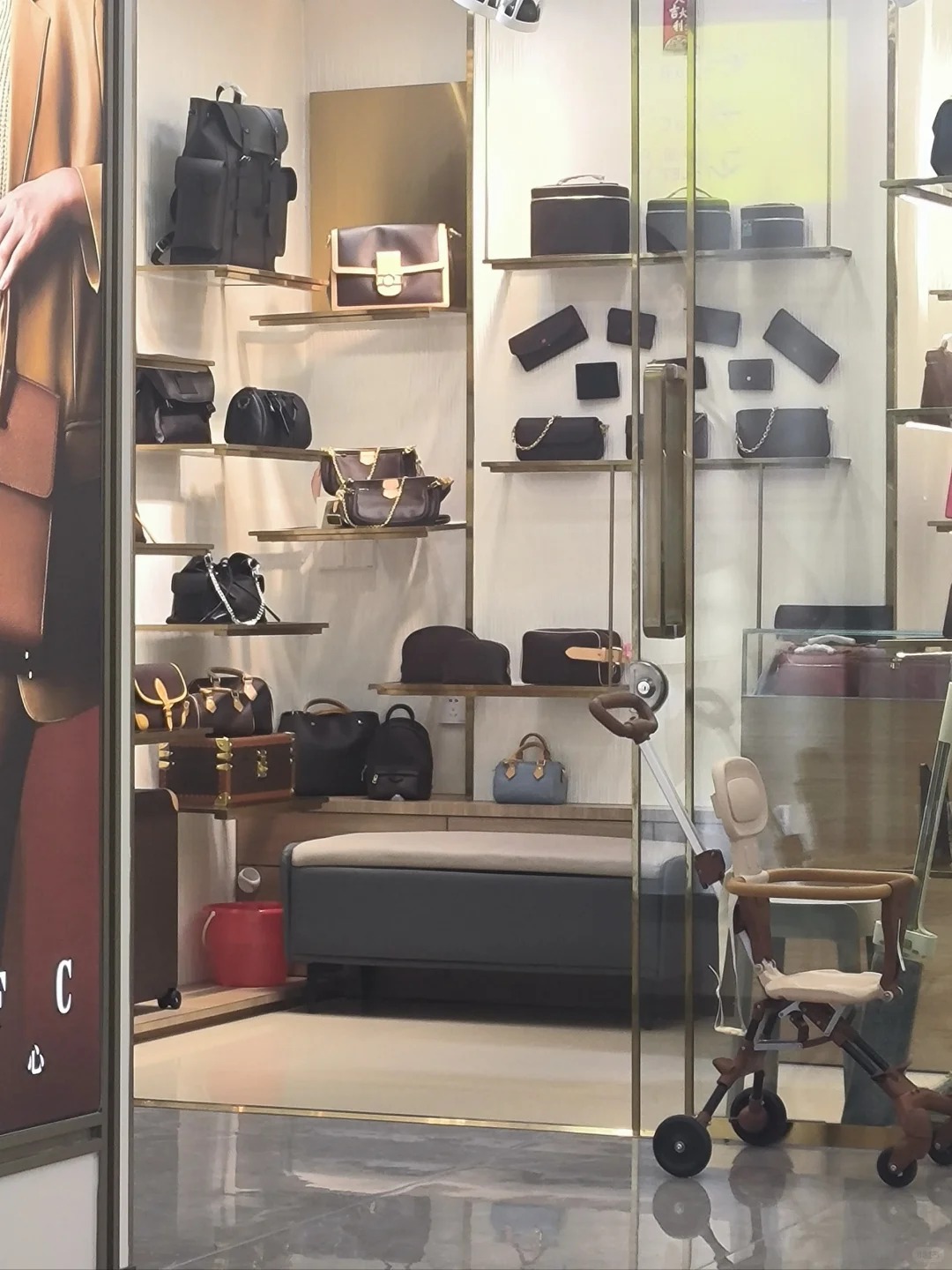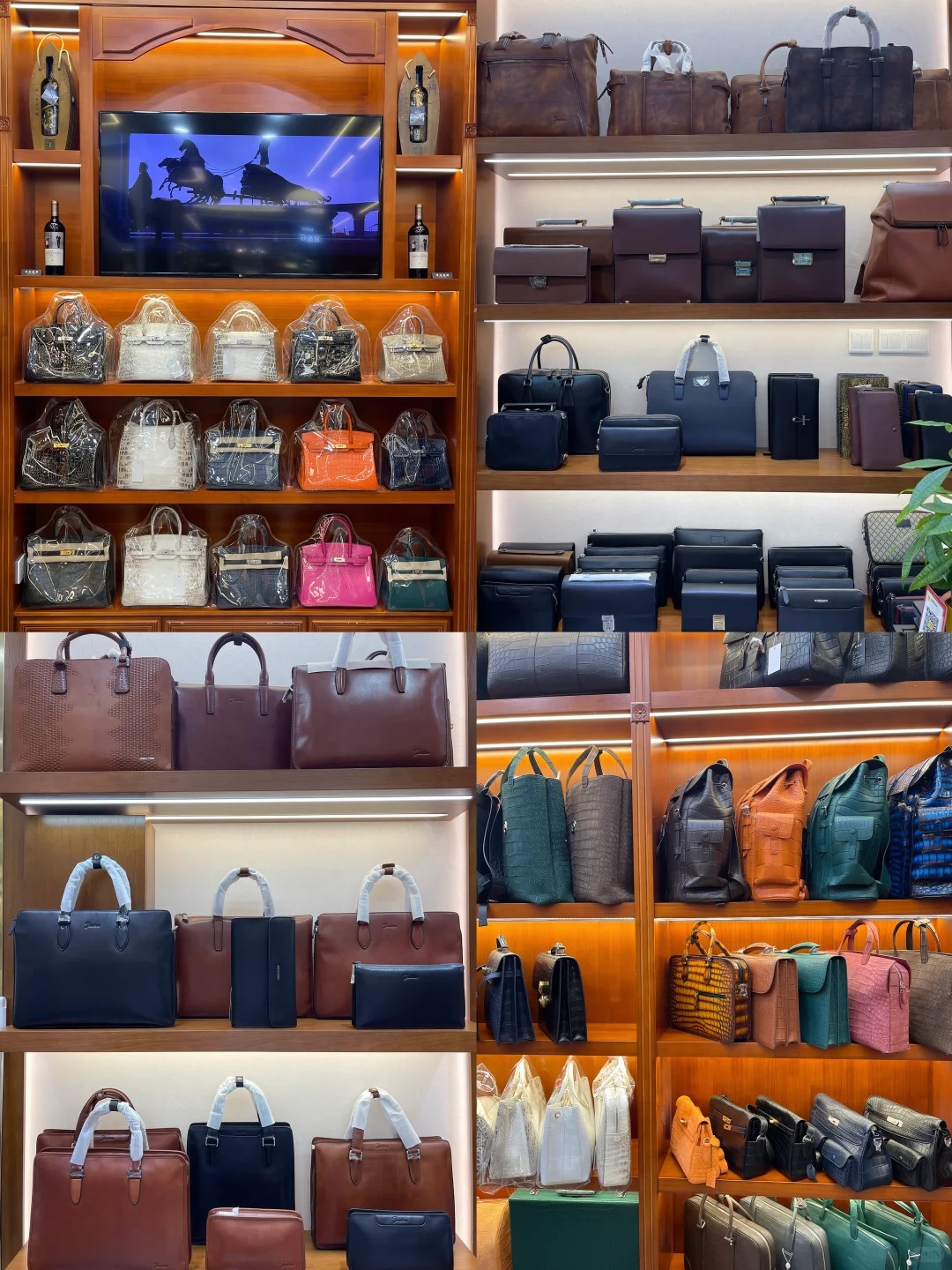

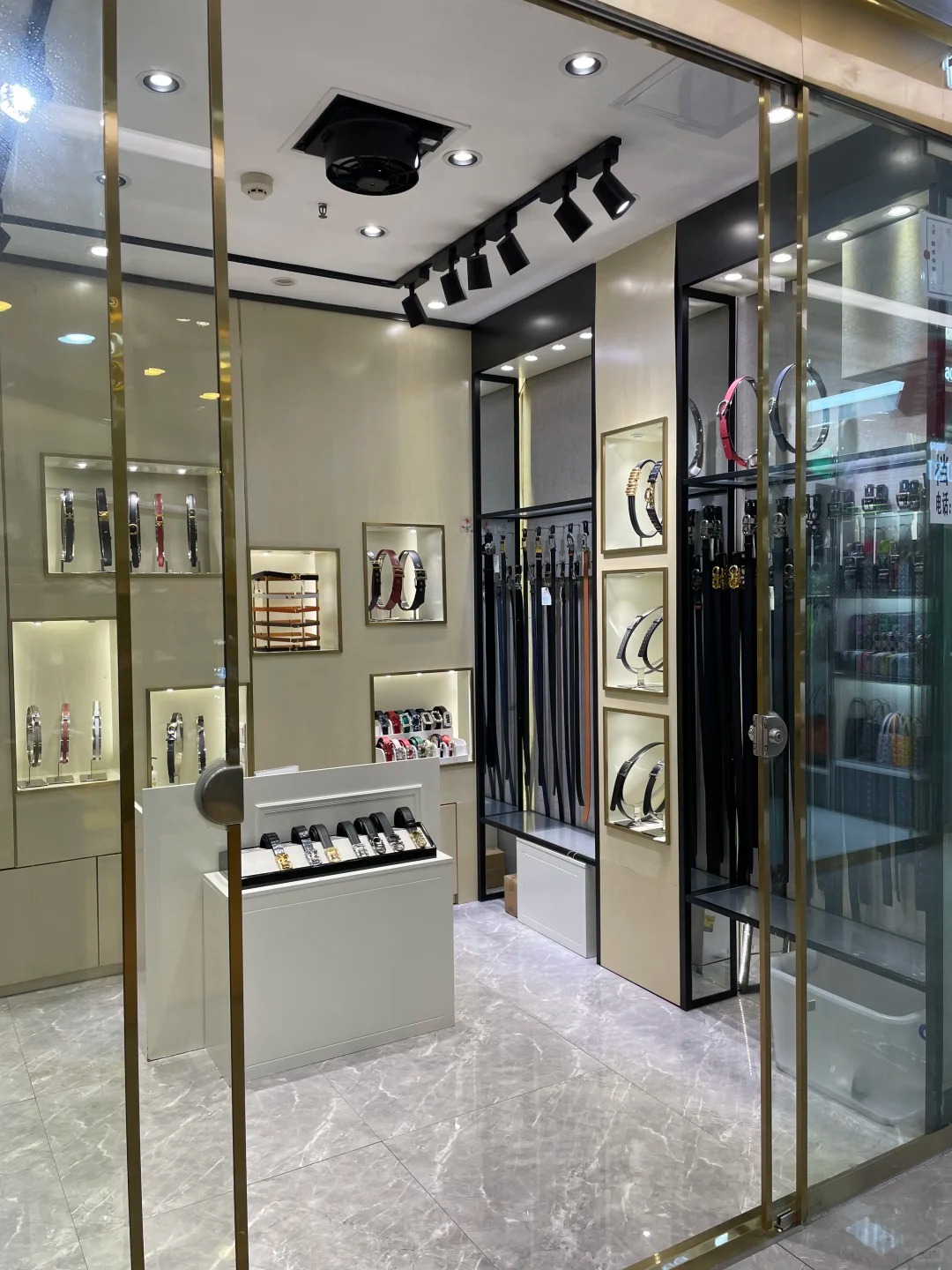
The quickest way to buy stuff from China to sell on Amazon is to source directly from wholesale market stalls—like those in Yiwu or Guangzhou—where you can inspect product quality, negotiate prices face-to-face, and buy ready-to-ship stock without minimum orders.
Why Wholesale Markets Beat Online Sourcing
Most Amazon sellers start on Alibaba or 1688. But nothing beats walking through a physical market. You see fabric texture, feel stitching, check zippers. You spot flaws before buying. And stall owners give cash discounts. Big plus: you can buy just 10-20 units to test a product.
Top Markets for Different Products
- Yiwu International Trade Market: Toys, accessories, home goods, small electronics. Over 75,000 booths.
- Guangzhou’s Sanyuanli: Clothes, shoes, bags, textiles. Great for fashion.
- Shenzhen Huaqiangbei: Electronics, gadgets, phone accessories. The place for new tech.
Each market has rows of stalls. You walk, inspect, haggle. Most stalls are run by families or small factories. They prefer cash-and-carry. They ship worldwide, too.
How to Inspect and Pick Quality Products
When you’re at a stall, don’t just look. Touch. Grab a sample. Here’s what to check:
- Fabric feel: Is it smooth? Does it pill? Stretch it. Check if seams align.
- Stitching: Look for parallel, even stitches. Loose threads? Move on.
- Hardware: Zippers should glide. Buttons firm. Buckles strong.
- Packaging: For Amazon, retail-ready packaging matters. Ask about custom packaging options—stalls often have local printers.
FAQ: Common Questions on Sourcing from China
| Question | Answer |
|---|---|
| Can I buy small quantities to test the market? | Yes, most stalls accept orders of 10-50 units for sampling. |
| What payment methods do stalls accept? | Cash, WeChat Pay, Alipay, or bank transfer. Cash often gets a discount. |
| How do I ship products from China to Amazon? | Use freight forwarders. Many near markets handle FBA prep, labeling, and direct shipping to Amazon warehouses. |
| Are products from markets counterfeit? | No, these are genuine unbranded goods. Avoid stalls offering brand names at too-good prices. |
| Can I negotiate prices? | Always. Start at 60% of quoted price for bulk, 80% for small orders. |
| What about quality control? | Inspect on-site. For repeat orders, hire an inspection company like SGS. |
| Do stalls speak English? | Many do basic English. Bring a translator app or hire an agent. |
Shipping and Logistics Simplified
After picking goods, you need to get them to Amazon. Most stall owners can recommend a freight forwarder. These guys handle everything: consolidation, customs, FBA labeling. Costs vary by weight and urgency. Sea freight for heavy items; air for light, high-value goods. Pro tip: use a forwarder that bundles shipments to cut costs.
Why Soudangkou Stands Out for First-Time Sourcers
If you can’t fly to China, platforms like Soudangkou connect you with verified stall owners. They list real inventory from wholesale markets—with photos, real-time stock, and direct chat. You can request samples and order small batches. This is the digital equivalent of walking the aisles of Yiwu without the flight ticket.
Final Tips for Amazon Success
- Start small. Buy 3-5 test products, list them, see what sells.
- Focus on product size and weight. Smaller, lighter items mean lower shipping costs.
- Check Amazon competition. Look for products with under 500 reviews—it’s easier to compete.
- Build relationships with a few good stall owners. They’ll prioritize you for new arrivals.
- Keep sourcing separate from selling. Use a dedicated email and phone for China contacts.
Buying from China to sell on Amazon is a proven model. The trick is hands-on sourcing. Walk the markets, test the goods, negotiate hard. Or use a platform like Soudangkou to shortcut the process. Either way, your product quality starts at the stall.
广州服装档口相关入口
继续查看相关市场和品类入口,方便对比档口微信、货源范围、拿货方向和试单前需要核实的信息。