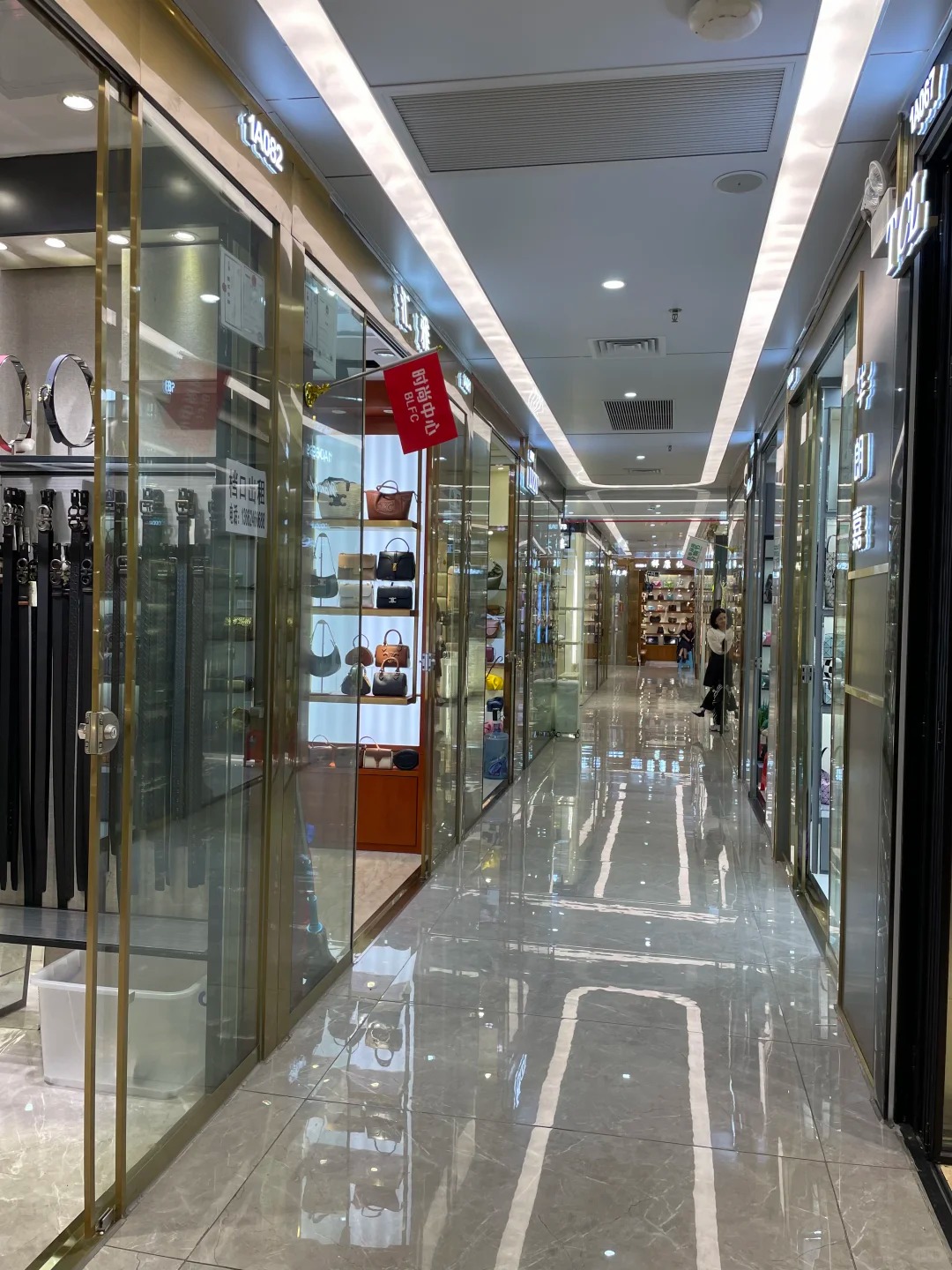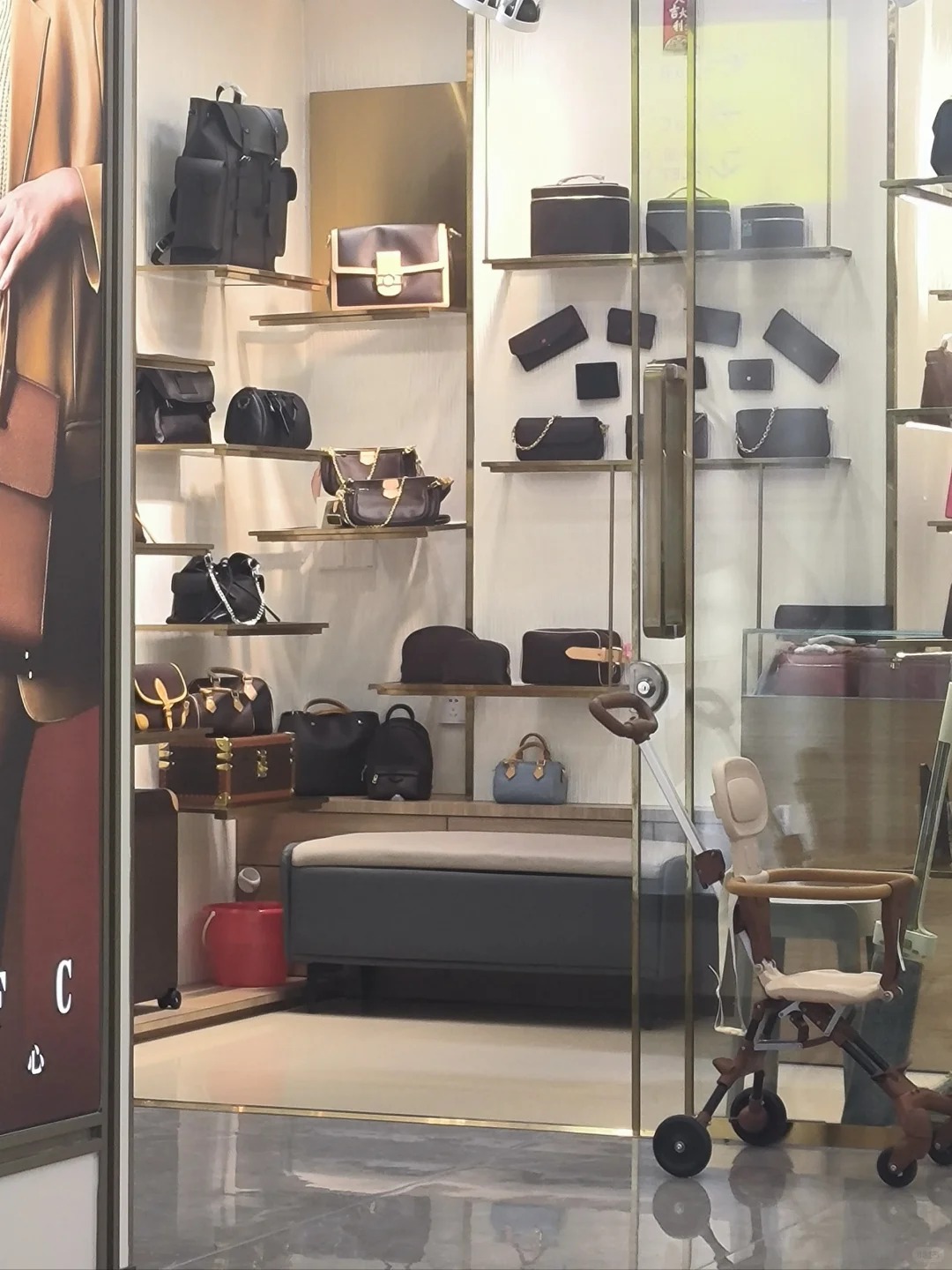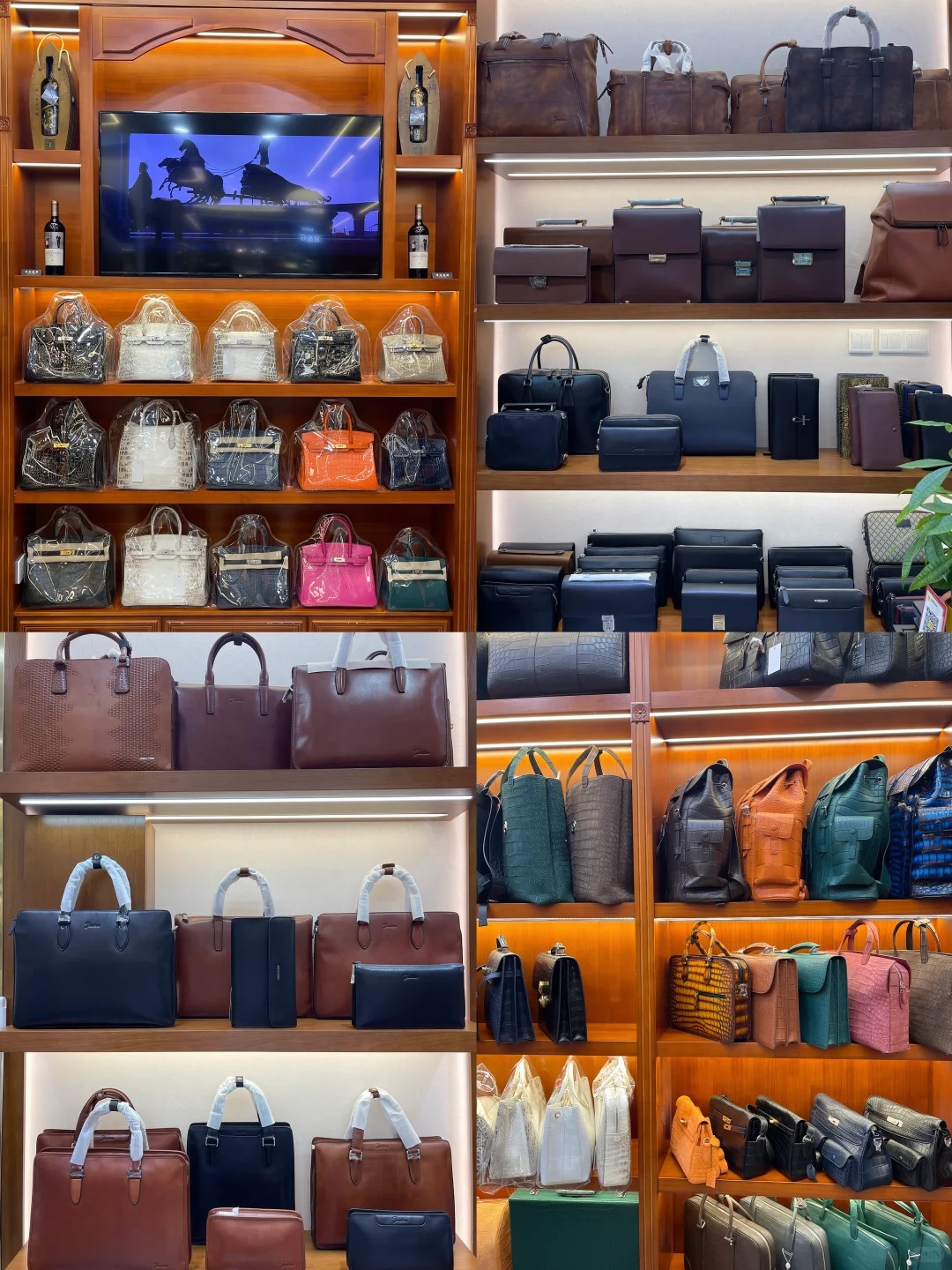

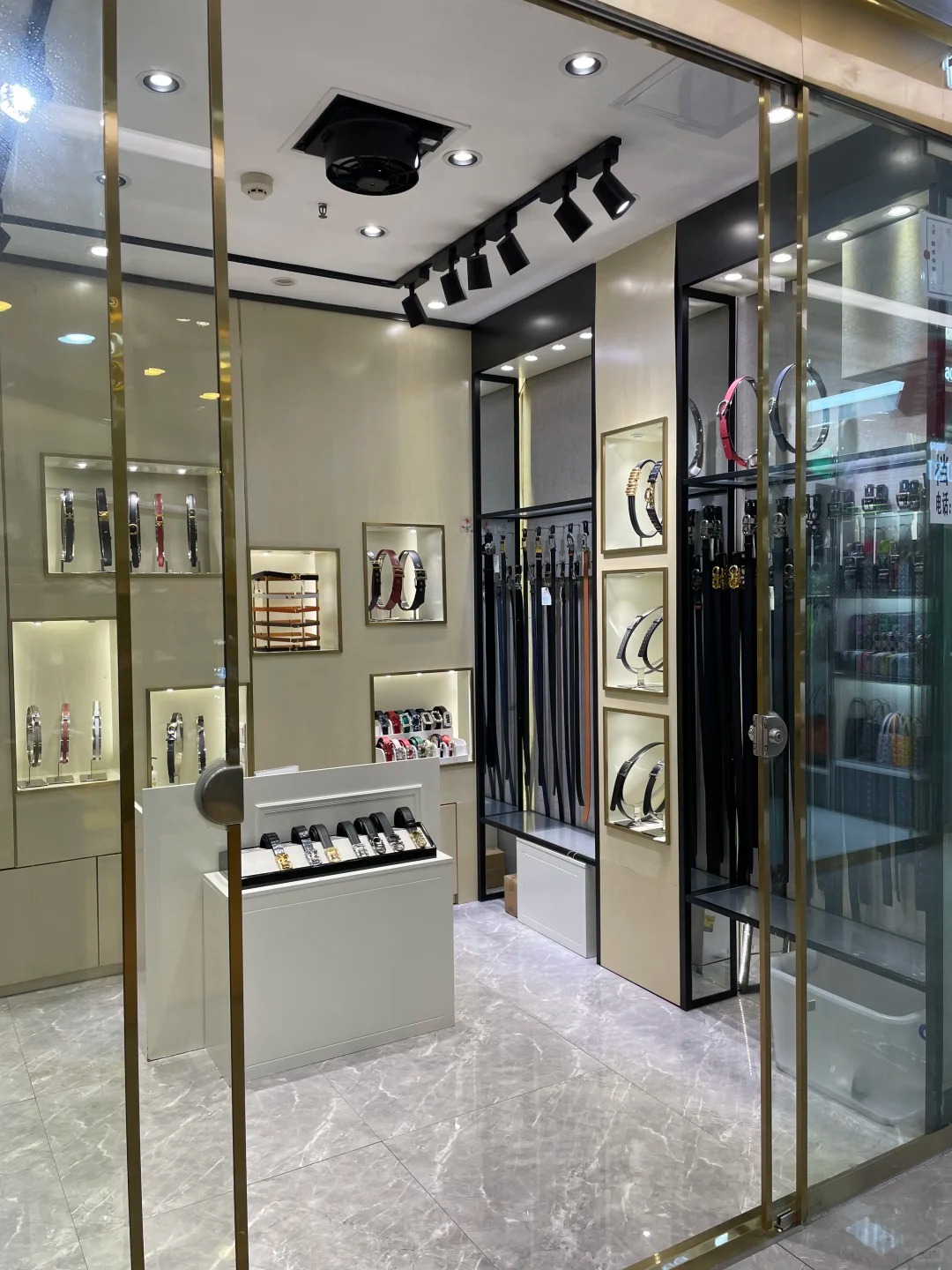
To buy wholesale clothes from China, start by identifying your target market and budget, then research suppliers through online B2B platforms, trade shows, or sourcing agents. For fast turnaround and lower minimums, consider wholesale market stalls in cities like Guangzhou or Yiwu, where you can inspect fabric quality and stitching firsthand. Avoid scams by requesting samples, verifying supplier credentials, and using secure payment methods.
Before you dive in, understand the Chinese wholesale landscape. There are two main routes: online B2B platforms (like Alibaba) and physical wholesale markets. Each has pros and cons. Online gives you broader access but requires vetting. Physical markets let you touch the fabric and negotiate face-to-face, which is why many experienced buyers prefer them.
Step 1: Research and Identify Your Niche
Ask yourself: What clothing categories (e.g., streetwear, activewear, basics) do you want to sell? What price point? Who is your end customer? This clarity will guide your supplier search. For trendy pieces with low MOQs (minimum order quantities), market stalls in Guangzhou’s Soudangkou or Yiwu are ideal. They offer immediate stock, so you can test new styles without huge commitment.
Step 2: Find Reliable Suppliers
Start with these methods:
- Online B2B platforms: Alibaba, Made-in-China, Global Sources. Filter by verified suppliers, trade assurance, and review scores. Contact at least 5-10 suppliers with a clear RFQ (Request for Quotation).
- Wholesale markets: Visit in person or hire a sourcing agent. Key cities: Guangzhou (Soudangkou, Shahe, Baiyun), Yiwu, Hangzhou. At Soudangkou, you’ll find thousands of stalls with ready-to-ship items, perfect for low-volume orders.
- Trade shows: Canton Fair (April/October) in Guangzhou is the biggest. Also check Yiwu Fair, Shanghai Fashion Week. These events let you see trends and meet suppliers face-to-face.
Step 3: Evaluate Quality – Fabric & Stitching
Never skip sample requests. Order 1-5 pieces per style to assess:
- Fabric quality: Touch it. Is it thin or poor quality? Check the weight, texture, and colorfastness. At a market stall, you can compare similar fabrics side by side.
- Stitching: Look for even, tight seams. Loose threads, uneven hems, or poor reinforcement in high-stress areas (armholes, crotch) are red flags. A good seller in Soudangkou will let you inspect thoroughly.
- Fit and sizing: Chinese sizing runs small. Ask for measurement charts and compare to your target market’s standards.
Step 4: Negotiate Terms and MOQ
Minimum Order Quantities (MOQs) vary. For market stalls, MOQ can be as low as 10-50 pieces per design. Online suppliers often require 100-500 pieces. Don’t accept the first price; negotiate politely. Offer to pay via secure methods (credit card, PayPal, or Alibaba Trade Assurance) to protect your deposit.
| Frequently Asked Questions | Answers |
|---|---|
| What is the best city for wholesale clothes? | Guangzhou is the hub for clothing, with Soudangkou market offering the widest variety. Yiwu is cheaper for basics. |
| How do I avoid counterfeit goods? | Stick to original designs. If a price seems too low for a popular brand, it’s likely fake. Work with verified suppliers and request certificates. |
| What are typical MOQs for wholesale? | For market stalls, MOQs start at 10-50 pieces per style. Online, expect 100-500 pieces unless stated otherwise. |
| How can I confirm supplier legitimacy? | Check business license, years in business, trade assurance, and buyer reviews. Video calls with the factory floor also help. |
| Should I use a sourcing agent? | If you’re new or can’t visit China, yes. Agents charge 5-10% and handle quality control, negotiation, and shipping. |
| What is the safest payment method? | Use Alibaba Trade Assurance, PayPal, or credit card. Never wire transfer the full amount upfront. |
| How do I calculate landed cost? | Include product cost, shipping, insurance, customs duties, and any agent fees. Get quotes for shipping (sea vs air) to compare. |
Step 5: Place an Order and Manage Logistics
For first orders, keep quantities low to test the market. Confirm all details: product specifications, packaging, labeling, and shipping terms (FOB or EXW). Use a freight forwarder to handle customs and door-to-door delivery. If you’re buying from a market stall like those in Soudangkou, ask if they can arrange shipping; many can.
Remember, building relationships takes time. Start with small batches, communicate clearly, and always inspect before payment release.
广州服装档口相关入口
继续查看相关市场和品类入口,方便对比档口微信、货源范围、拿货方向和试单前需要核实的信息。