
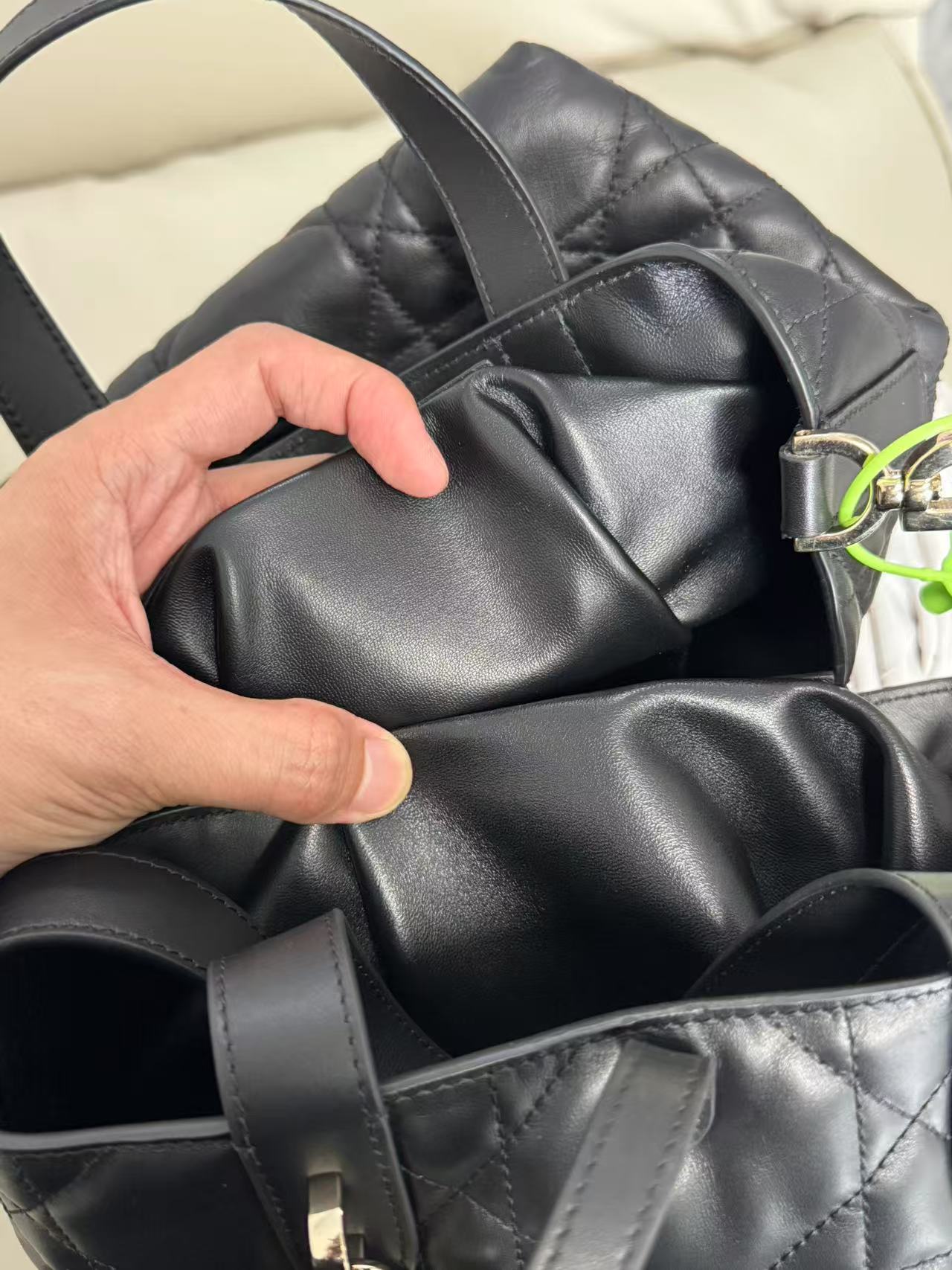
How to Buy Wholesale from China to India: The Complete Guide
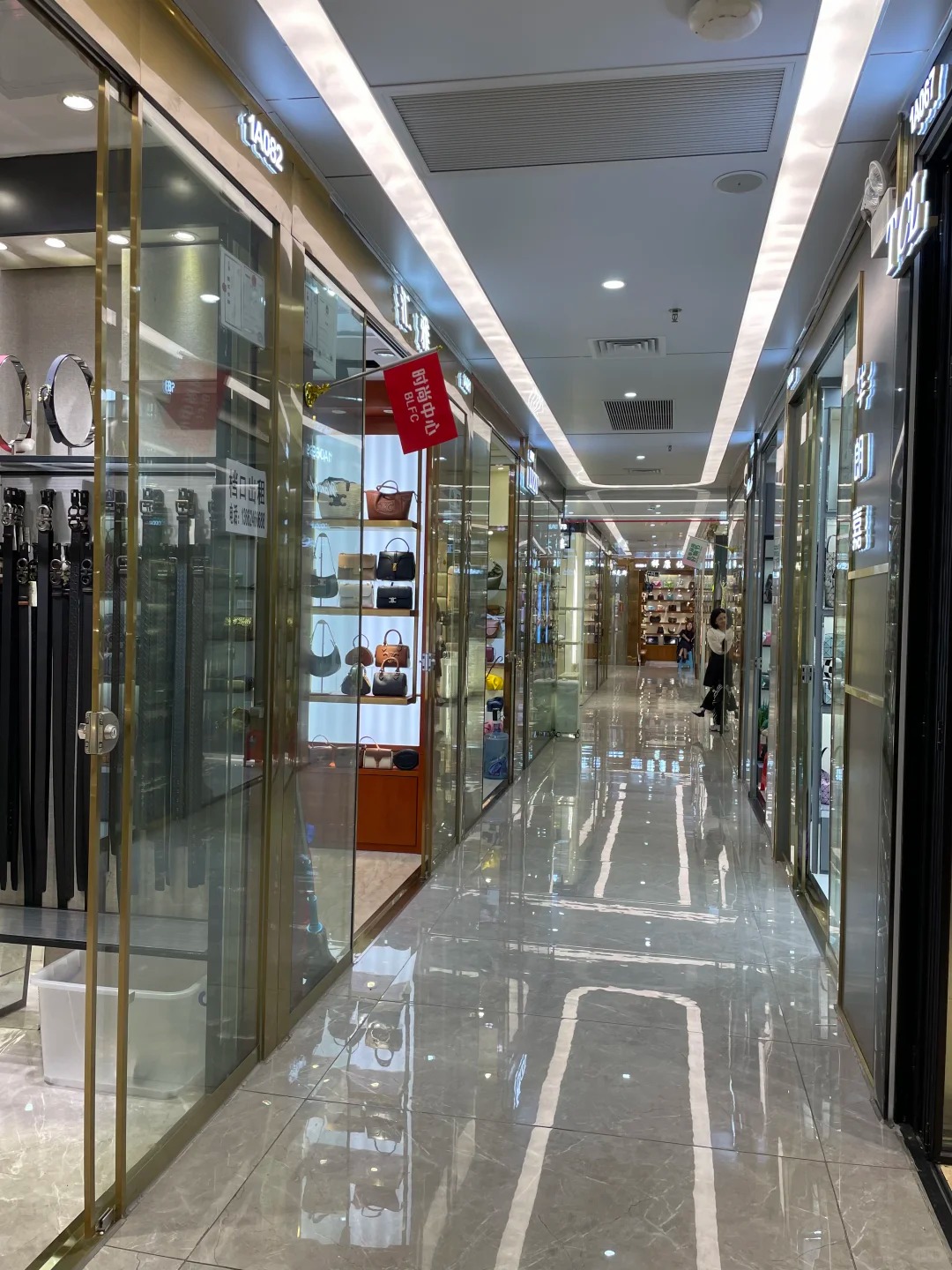
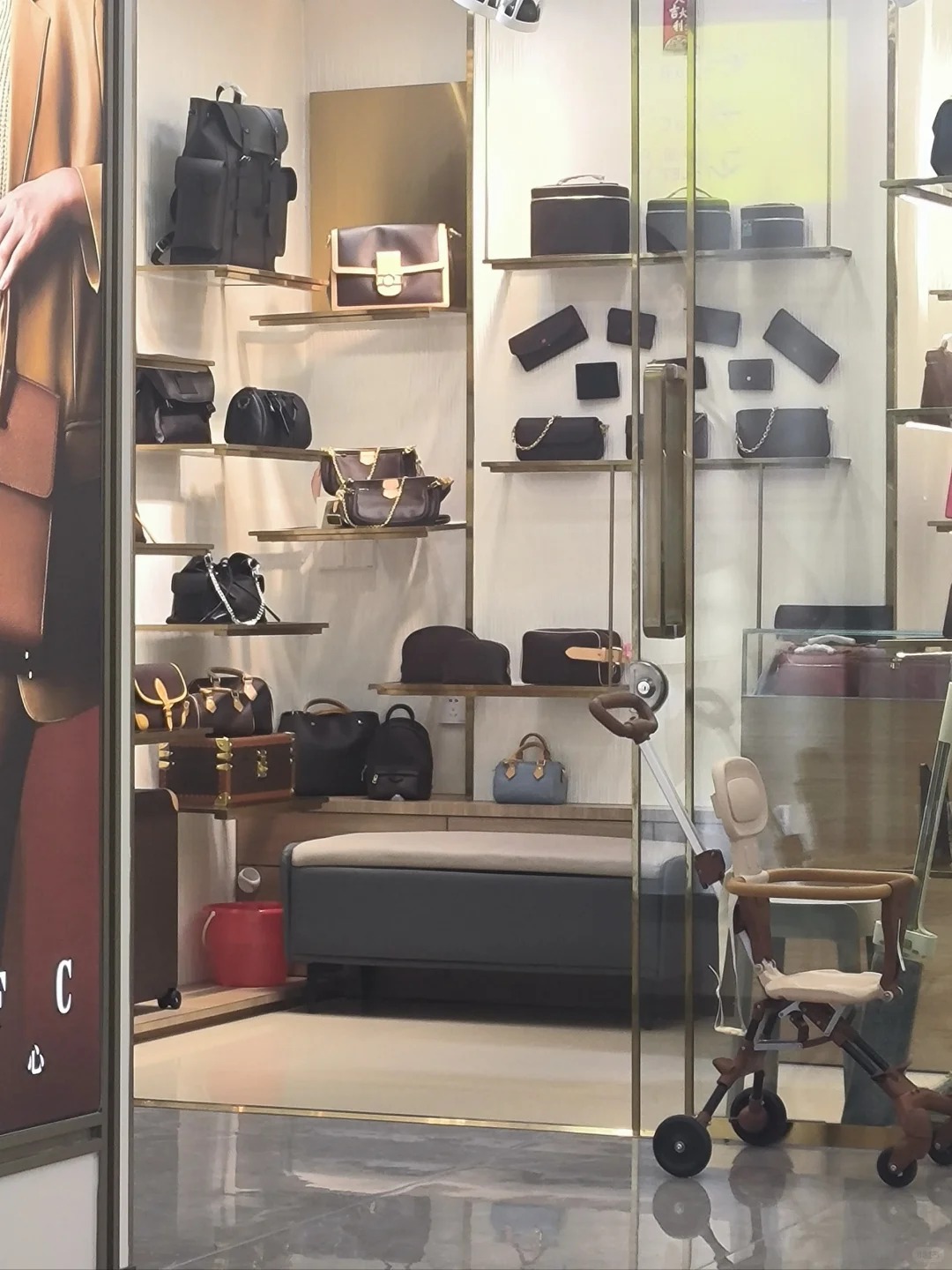
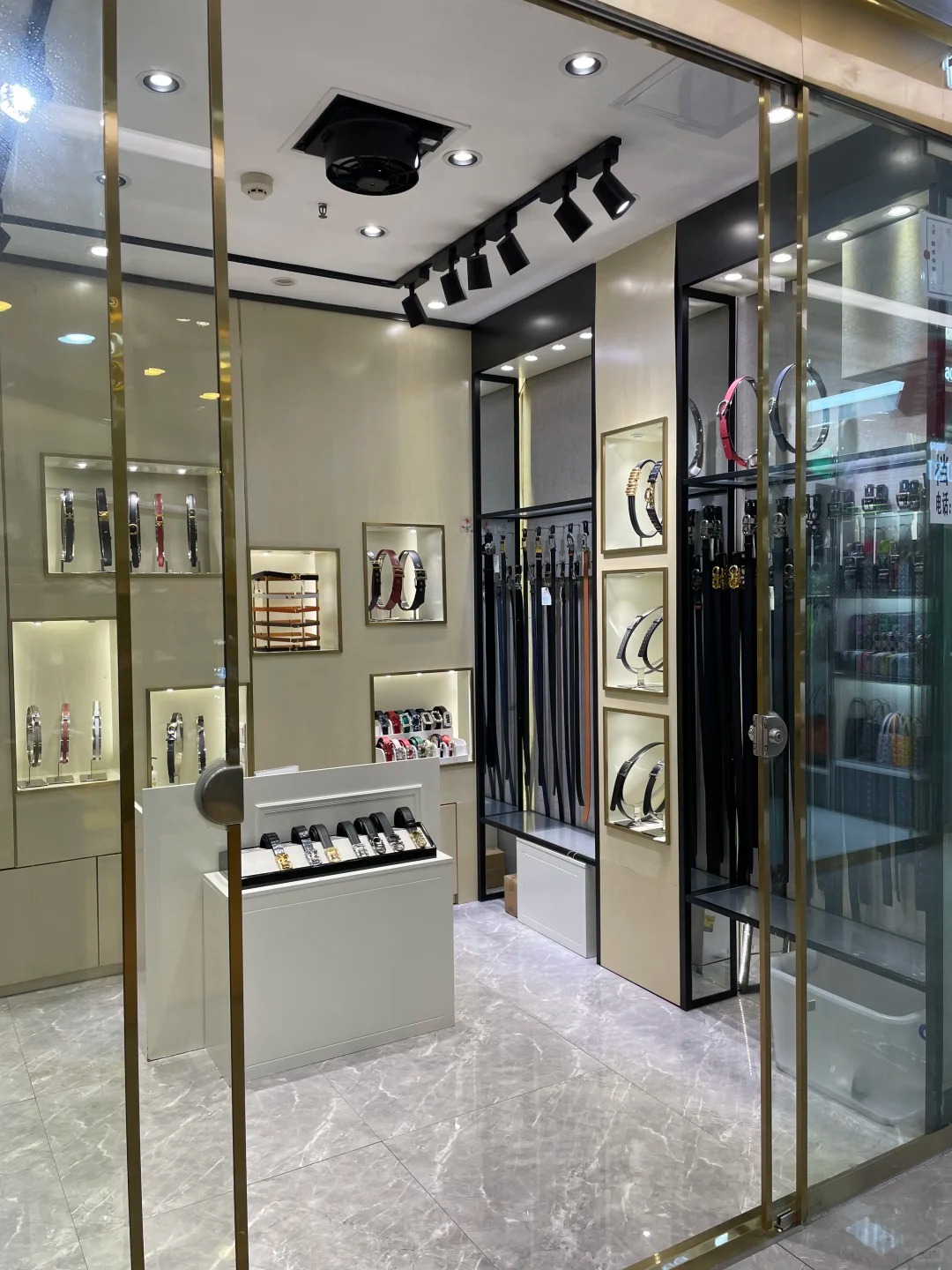
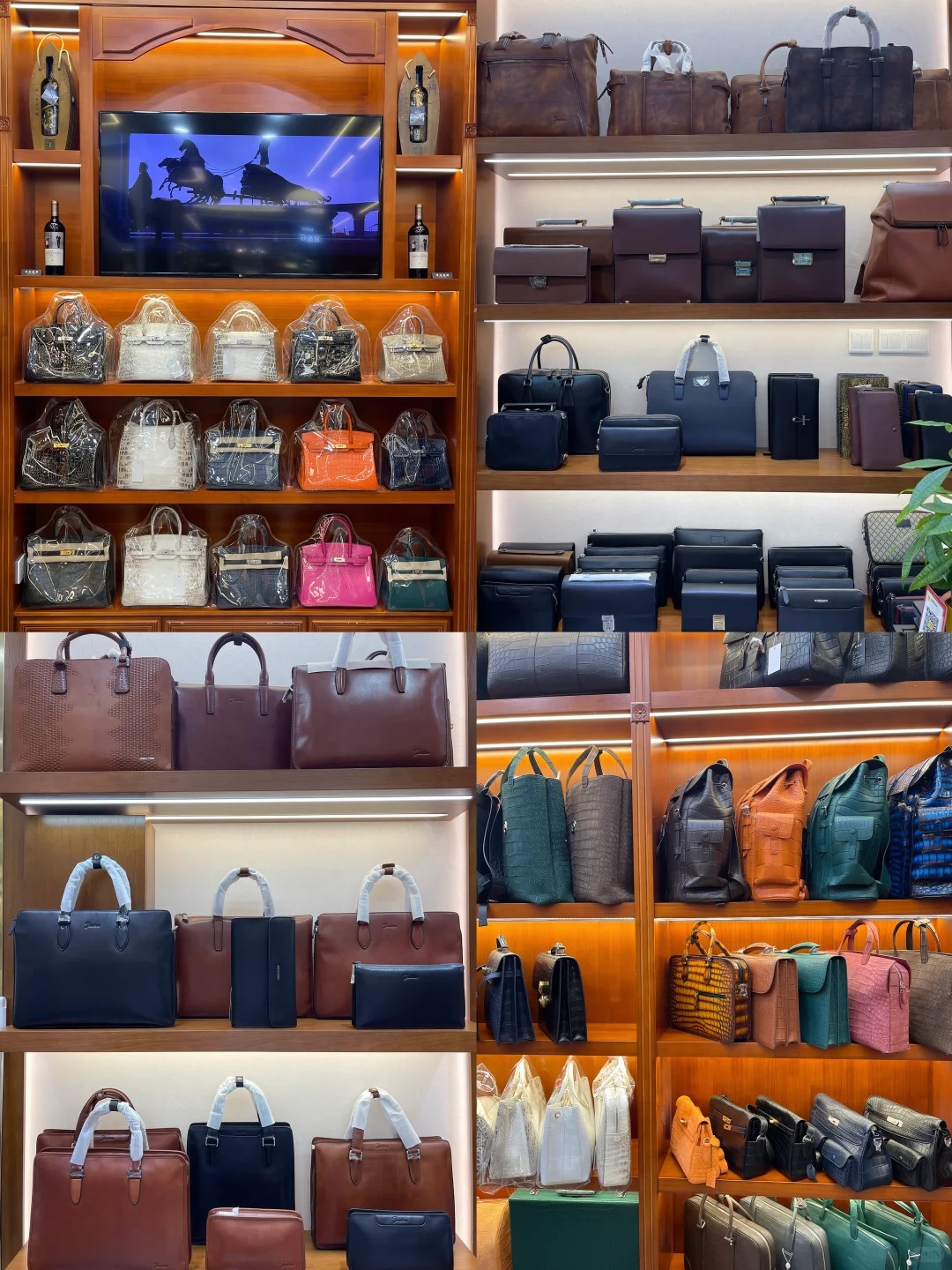
To buy wholesale from China to India, you need to go beyond online marketplaces. The real edge is in visiting physical wholesale markets in cities like Guangzhou, Yiwu, or Shenzhen. There, you can touch fabrics, check stitching, and negotiate directly with stall owners. This guide shows you how to navigate those markets, pick high-quality stock, and avoid costly mistakes.
Step 1: Target the Right Wholesale Markets
For Indian buyers, the most popular Chinese wholesale markets are:
- Guangzhou (Zhongyuan, Shisanhang): Best for apparel, bags, and shoes. Focus on Shisanhang for knitwear and denim. Pro tip: Arrive early (8-9 AM) to see fresh stock.
- Yiwu International Trade City: The world’s largest wholesale market for small commodities. Great for accessories, stationery, and toys. Pro tip: Visit district 2 for fabric-based items like scarves and hats.
- Shenzhen (Huaqiangbei for electronics): If you need electronics, this is your spot. But for fashion goods, the fabric markets in Guangzhou are better.
Step 2: Evaluate Fabric and Workmanship On-Site
At any stall, use your hand to feel the fabric. For clothing:
- Fabric quality: Rub the fabric between your fingers. Cheap polyester feels slippery and thin. Good cotton or linen blends have a slight roughness.
- Stitching: Look at the seams. Are they straight? Are there loose threads? A well-made garment has at least 10-12 stitches per inch.
- Colorfastness: Dampen a cotton cloth and press it against the fabric for 10 seconds. If color transfers, avoid.
Don’t rely on online photos. Stall owners often photograph the best piece. Ask to see multiple samples from the same batch.
Step 3: Negotiate Like a Pro
Prices in Chinese wholesale markets are almost always negotiable. Start by asking “Zhè jiàn pífā duōshǎo qián?” (What’s the wholesale price?). Then, use these tactics:
- Buy in bulk: Most stalls offer discounts for quantities above 50-100 pieces. Negotiate a per-unit price based on full cartons.
- Compare stalls: Don’t buy from the first stall you see. Walk the entire market section to compare prices and quality.
- Pay cash: Cash payments can get you 5-10% off. But always ask for a receipt.
Step 4: Smart Shipping and Customs for India
Shipping from China to India has two common methods:
- Air freight (DDU/DDP): Fast (3-7 days) but expensive. Best for samples or small orders.
- Sea freight (FCL/LCL): Cheaper (20-40 days) but requires customs clearance. For sea shipments, make sure your supplier provides accurate HS codes and invoices to avoid delays.
Customs tip: India has high import duties on finished goods (often 20-30%). If possible, ask your seller to split shipments or source fabrics and assemble them in India.
FAQ: Common Questions About China Wholesale to India
| Question | Answer |
|---|---|
| Can I buy wholesale from China without visiting? | Yes, but visiting gives you better control over quality. If you can’t travel, use a sourcing agent. |
| What’s the minimum order quantity? | For physical markets, MOQ starts from 10-50 pieces per style for clothing. Electronics may require 100+. |
| How do I pay Chinese suppliers? | Most accept WeChat Pay, Alipay, or bank transfer. For large amounts, a T/T wire is common. |
| How long does shipping take? | Air: 5-10 days. Sea: 25-45 days to Mumbai or Chennai. |
| Are there language barriers? | In major markets, many stall owners speak basic English. Use a translation app or hire a local interpreter for $30-50/day. |
| Can I return defective goods? | Unlikely. Inspect all goods before shipping. Build a relationship with stall owners for future exchanges. |
Final Pro Tip
Once you’ve selected your stock, consider ordering from a platform like Soudangkou for reliable supply chain management. They connect you directly with verified stalls and handle logistics, making your sourcing smoother. But remember, nothing beats on-site inspection.
广州服装档口相关入口
继续查看相关市场和品类入口,方便对比档口微信、货源范围、拿货方向和试单前需要核实的信息。