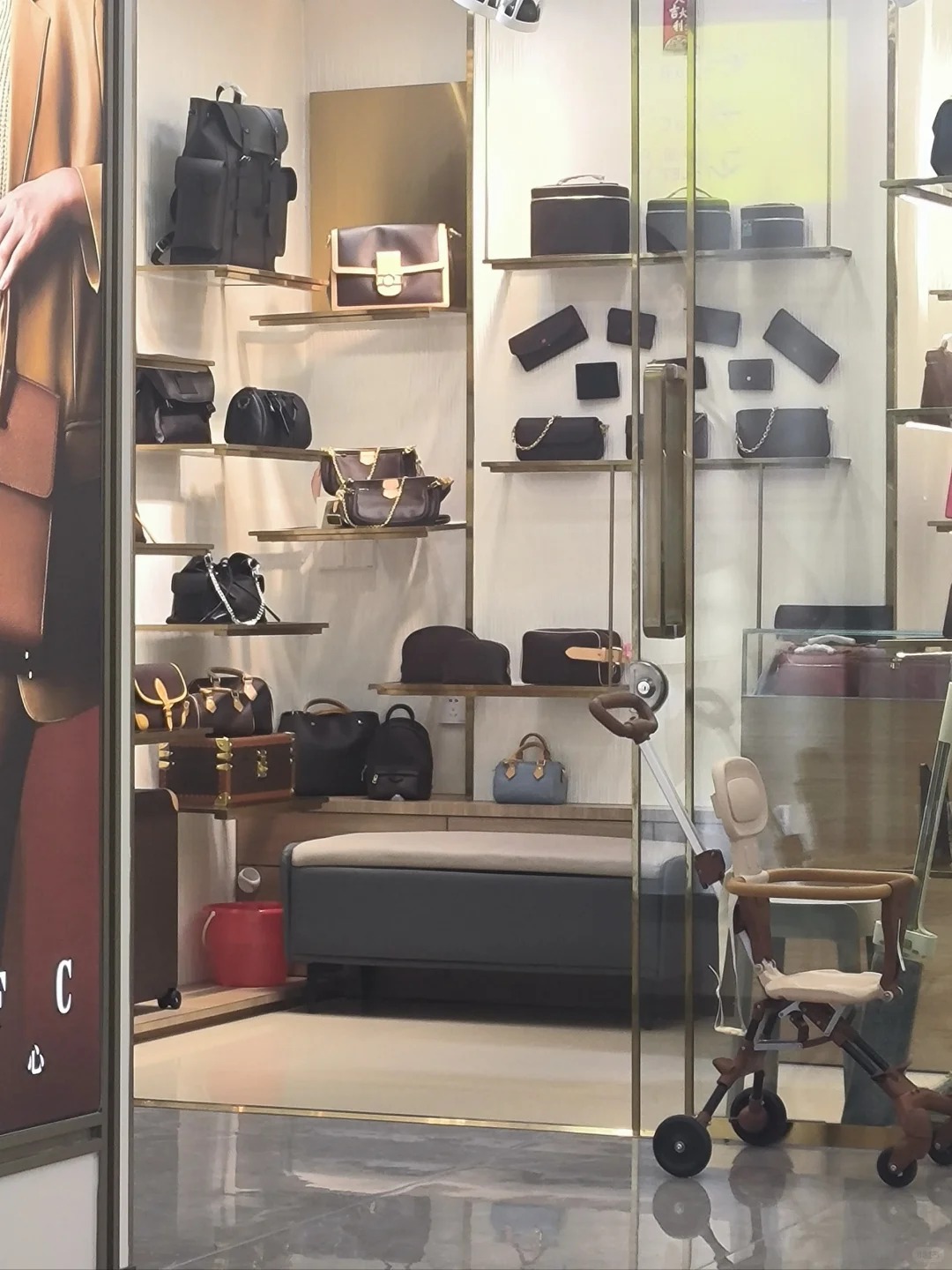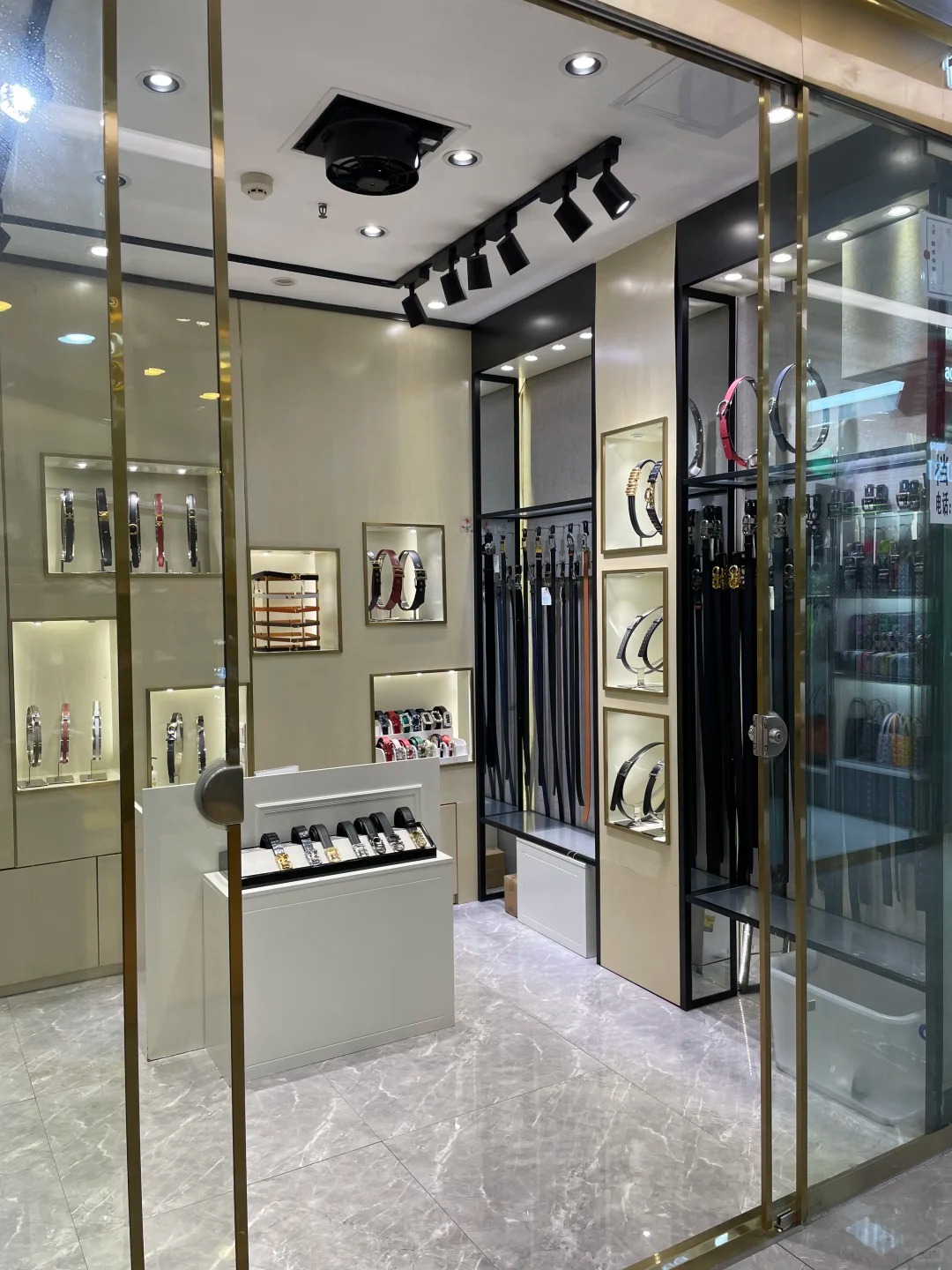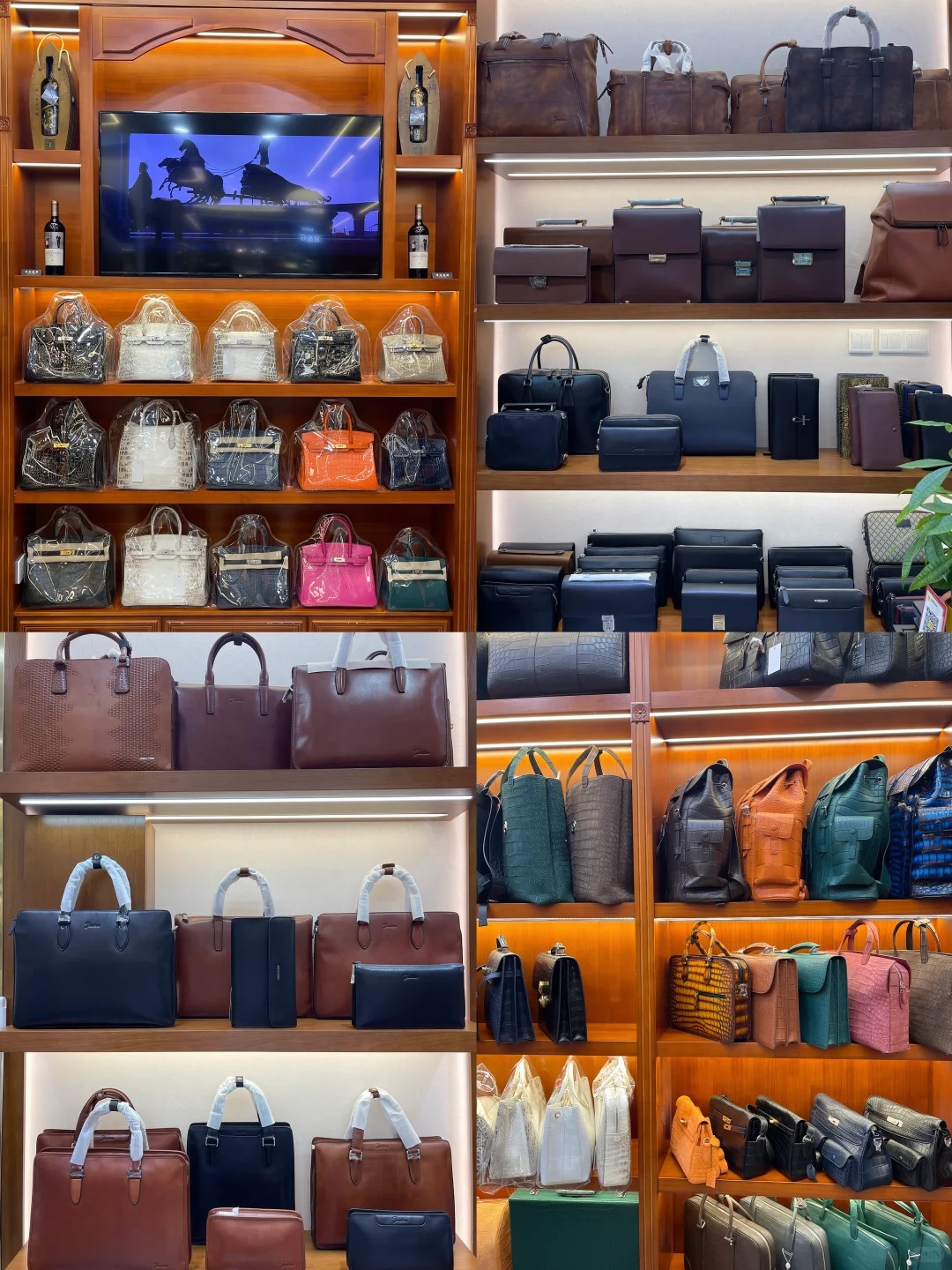
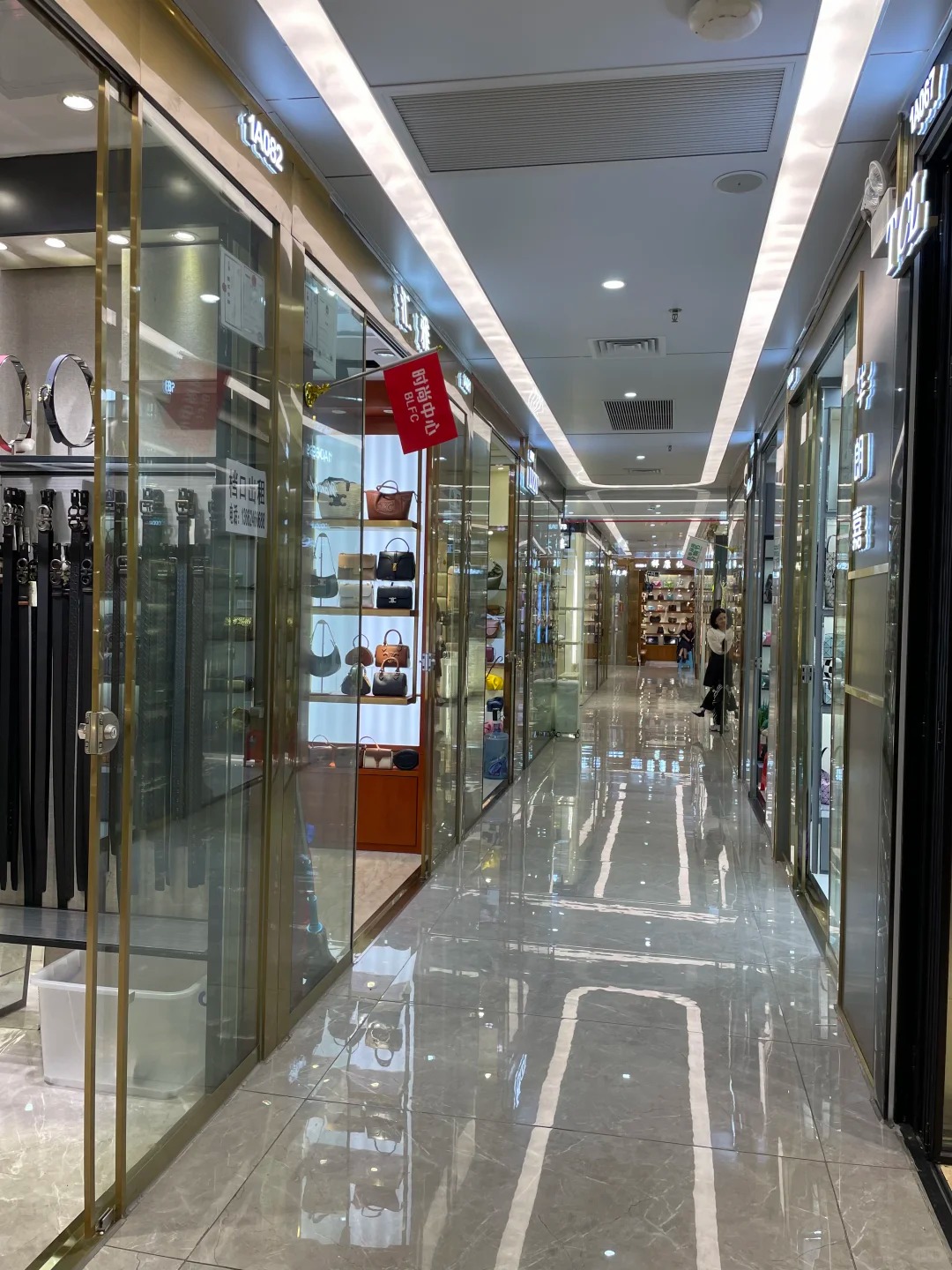
So, you want to know how to choose reliable shoe manufacturer in China? The short answer is: visit the wholesale market stalls, feel the materials yourself, and check the stitching—never rely solely on online promises. Most scams happen when buyers skip the hands-on check. This guide is based on years of dealing with actual factories and stalls in Guangzhou, Fujian, and Wenzhou.
Step 1: Start with Wholesale Market Stalls, Not Factory Gigs
First-time buyers often dream of dealing directly with factories. Get real. Factories in China have MOQs (Minimum Order Quantities) as high as 1000-3000 pairs. As a small to medium buyer, you’re better off starting with wholesale market stalls. These stalls are literally the sampling rooms of clusters of factories. For example, in Guangzhou’s Panyu area or Jin Jiang Market in Chengdu, you can touch the leather, bend the soles, and see the real colors. You can also buy one or two pairs to test quality before committing to a bulk order. That’s how you learn to choose a reliable shoe manufacturer.
Step 2: Check Fabric Feel & Stitching Quality
When you visit a stall, pick up every shoe. The first test is the fabric. Real leather has a subtle grain and it warms to your touch. PU (polyurethane) feels plastic and cold. For athletic shoes, the mesh should be dense, not like a net. Then examine the stitching: at the toe cap and heel counter. Stitches should be straight, even, and tight. Count the stitches per inch: 8-12 is standard. If you see loose threads or uneven gaps, that factory is cutting corners. Walk to another stall.
Step 3: Focus on Spot Inventory
Many market stalls hold spot goods (ready stock). This is a golden chance to test the shoe immediately. Ask for the same model in different sizes and check if the size consistency holds. Insert your hand into the shoe: the insole should be padded but firm. Press the outsole against the floor: it should rotate smoothly without noisy squeaks. If a stall refuses to let you bend or squeeze the shoe, walk away. Reliable suppliers are confident in their products.
FAQ: Quick Checks for Buyers
| Question | Answer |
|---|---|
| How many stalls should I visit? | At least 5-10 in the same market to compare prices and quality. |
| What if I can’t go to China? | Hire a sourcing agent like Soudangkou to inspect for you. |
| What are red flags in stitching? | Loose threads, uneven gap between stitches, or 5 stitches per inch. |
| How to test sole durability? | Bend the shoe 90 degrees; the sole should not separate from the upper. |
| Are all market stalls in China reliable? | No. Some sell low-grade but good for very cheap bulk. You get what you inspect. |
| What’s the MOQ for market stalls? | Usually 12-48 pairs, much lower than direct factories. |
| How to verify a stall owner? | Ask for their factory name and address, then check on Alibaba or site visit. |
Step 4: Visit the Factory Floor
If a stall owner claims to be the manufacturer, ask to see their workshop. A genuine factory will have cutting, stitching, lasting, and packing sections. Look at the workers: are they skilled or just rushing? Check the leather cutting waste: scrimping means they save on costs. Also, ask about outsoles: rubber vs. EVA. Rubber grips better but is heavier. For fashion shoes, TPR is common. Take photos and later compare with the sample you bought.
Step 5: Compare Multiple Offers
After your inspection, get price quotes from at least three stalls. Remember: the lowest price often means thinnest rubber or cheapest glue. Reliable manufacturers charge a fair price because they use better materials. For instance, a good leather sneaker in China wholesale should cost around $15-25 FOB. Below $10, expect poor quality. Use a platform like Soudangkou to cross-check prices. They list real market prices so you can’t be cheated.
Final word: Trust your hands and eyes, not just photos. A reliable manufacturer will let you test everything. Happy hunting, and if you need a shortcut, check Soudangkou for verified stalls with spot inventory.
广州服装档口相关入口
继续查看相关市场和品类入口,方便对比档口微信、货源范围、拿货方向和试单前需要核实的信息。