
When you buy from China wholesale markets, declaring your package correctly is crucial to avoid customs delays, fines, or seizure. For a “package for all China buy”—meaning a mixed shipment from multiple suppliers—you must use the correct HS code and accurate value. Here’s how to do it right.
Step-by-Step Declaration for Mixed Packages
1. Know the HS Code for Mixed Shipments
For a package containing various items, use the HS code for the item with the highest value if items are similar, or declare each item separately using its specific HS code. Most general mixed packages fall under code 9810 (special classification), but check with your courier. Always list the primary commodity first and be specific—”assorted textiles” or “mixed plastic parts” is better than “general merchandise”.
2. Accurate Valuation
Declare the actual price paid. Undervaluing triggers red flags. Tip from Guangzhou’s Soudangkou market: Keep invoices from stalls—they often list the real wholesale price. Use that as the declared value. Don’t forget to include shipping costs (CIF value).
3. Item Description Details
Describe each item clearly. For example: “Cotton men’s t-shirts, 100% cotton, 200g/m², 50 pcs” not just “shirts”. This shows the package is from legitimate wholesale stalls, not counterfeit goods.
4. Country of Origin & Manufacturer
All items from China must state “Made in China”. For a mixed package, you can write “China” as origin for all items.
5. Use a Customs Broker or Courier’s Guidance
Services like DHL, FedEx, or freight forwarders can help. For Soudangkou buyers, many stalls offer door-to-door shipping with full customs support. Just ask.
Pitfalls to Avoid When Declaring Mixed Shipments
- Don’t use vague terms like “gift” or “sample” for commercial shipments.
- Don’t split shipments to stay under tax threshold—it’s illegal.
- Don’t claim zero value even for free samples—declare at least $1-2 per item.
Expert Tips from Wholesale Market Stalls
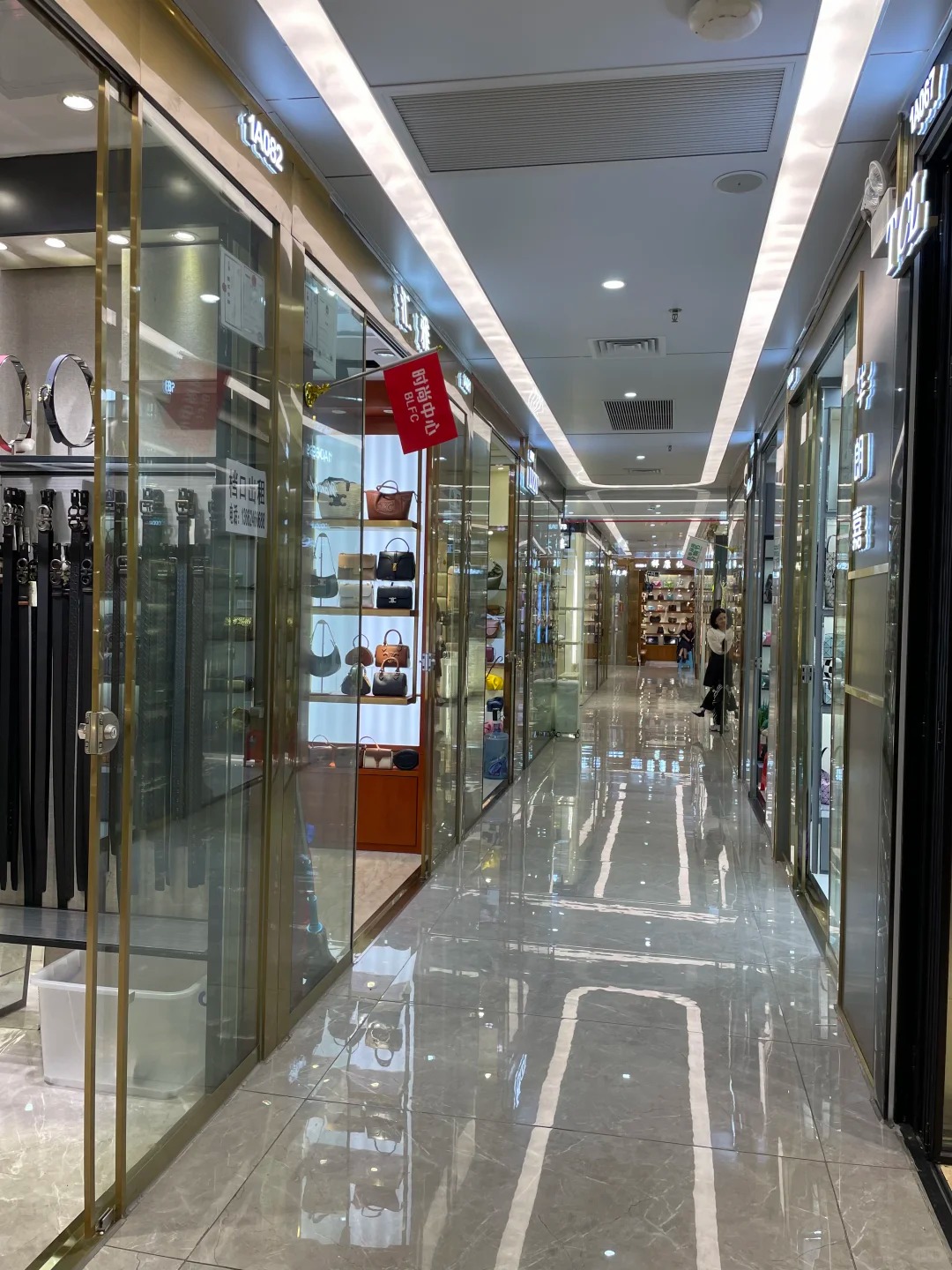
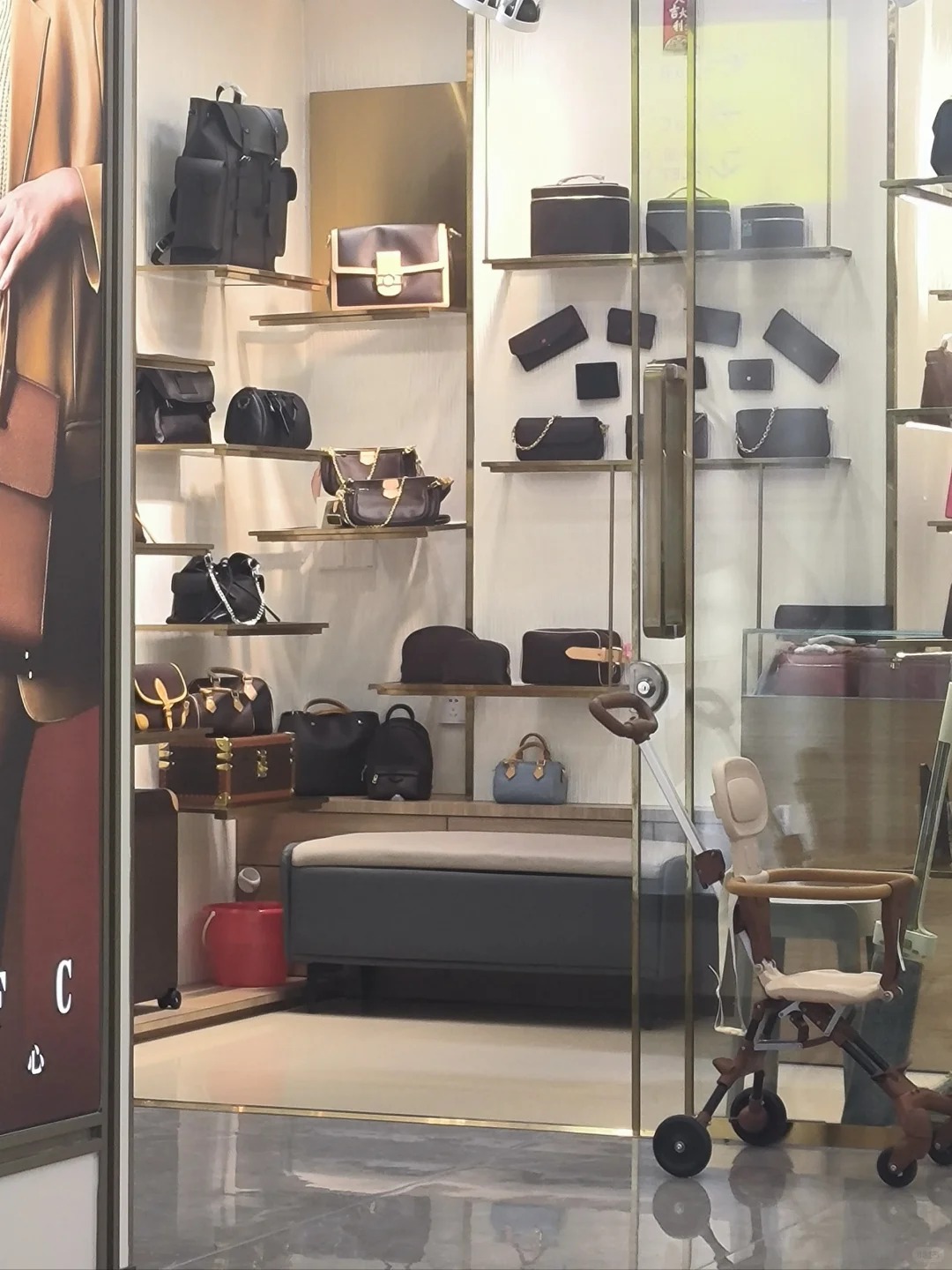
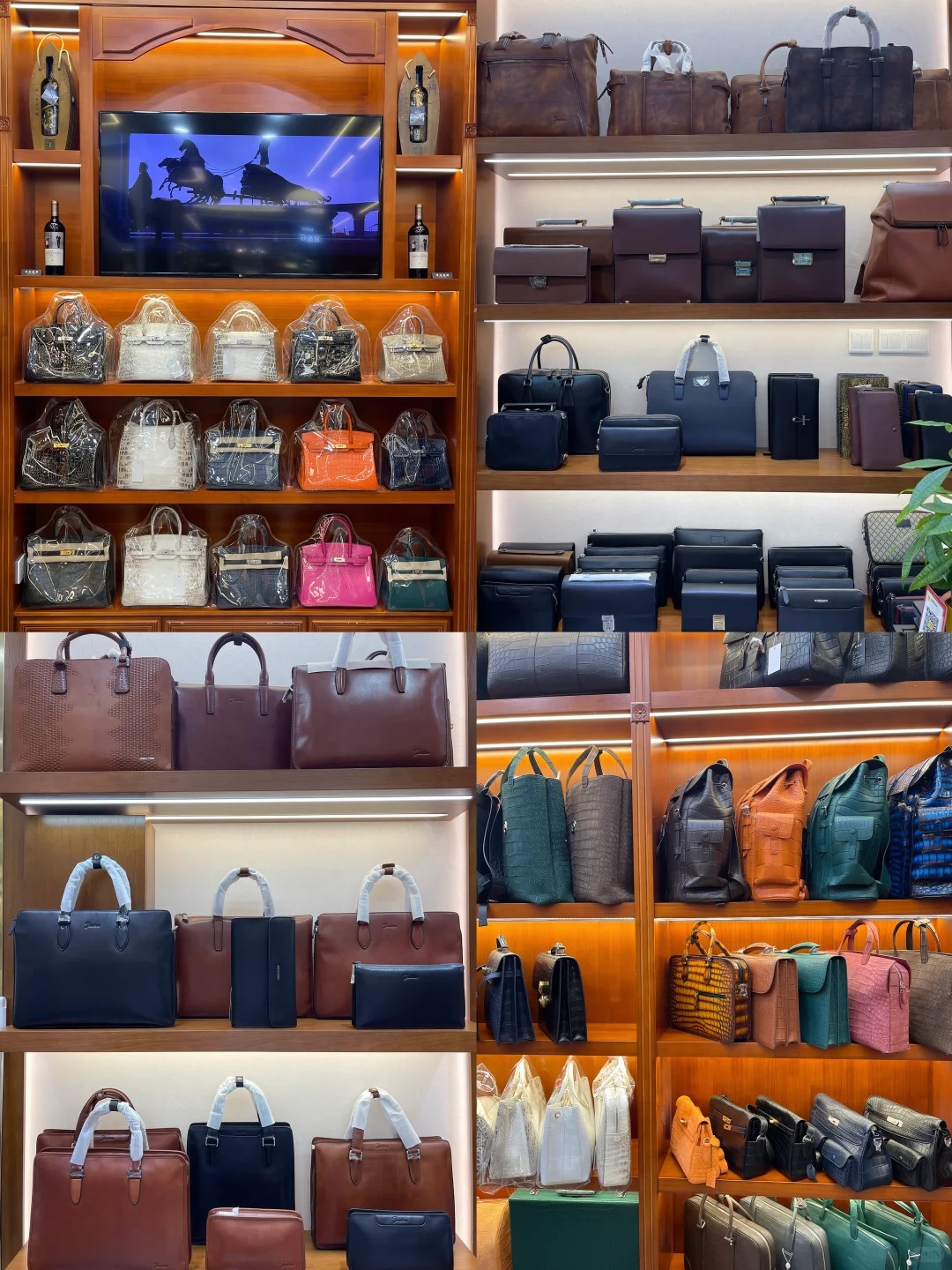
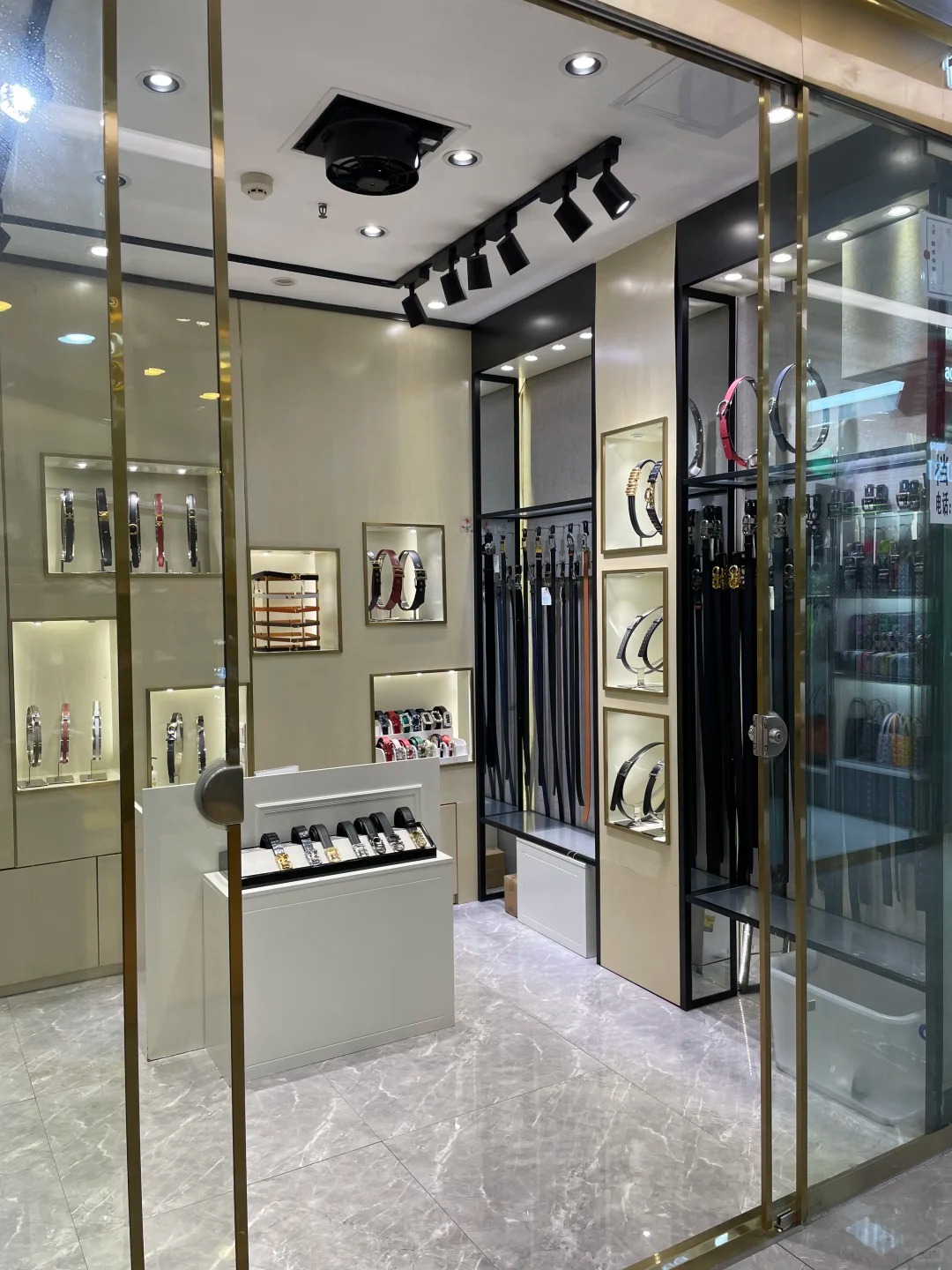
Visiting physical markets like Soudangkou? Here’s what veterans do: Inspect fabric and stitching before buying. Then ask the stall owner for a proforma invoice with correct HS codes—they deal with exports daily. This saves you guesswork. For first-timers, start with small quantities to test customs clearance in your country.
FAQ: Common Declaration Questions
| Question | Answer |
|---|---|
| Can I declare everything as one item? | Only if identical—e.g., 100 same t-shirts. Best to list distinct items separately. |
| What if I don’t know the HS code? | Use a customs tariff finder online or ask your freight forwarder. |
| Do I need to pay duties for all China buy? | Duties depend on your country’s tariff rates. Check for duty-free thresholds. |
| How to handle prohibited items? | Never ship prohibited items. Check customs list before packing. |
| Is valuation based on wholesale or retail? | Wholesale price paid—that’s what you have invoice for. |
| Should I include shipping in declared value? | Yes for CIF terms; only if you’re paying for shipping. |
| What documents are needed? | Commercial invoice, packing list, and possibly certificate of origin. |
By following these steps, your package will clear customs smoothly. Remember, honesty and precision save money and time. Happy sourcing from China’s wholesale markets!
广州服装档口相关入口
继续查看相关市场和品类入口,方便对比档口微信、货源范围、拿货方向和试单前需要核实的信息。