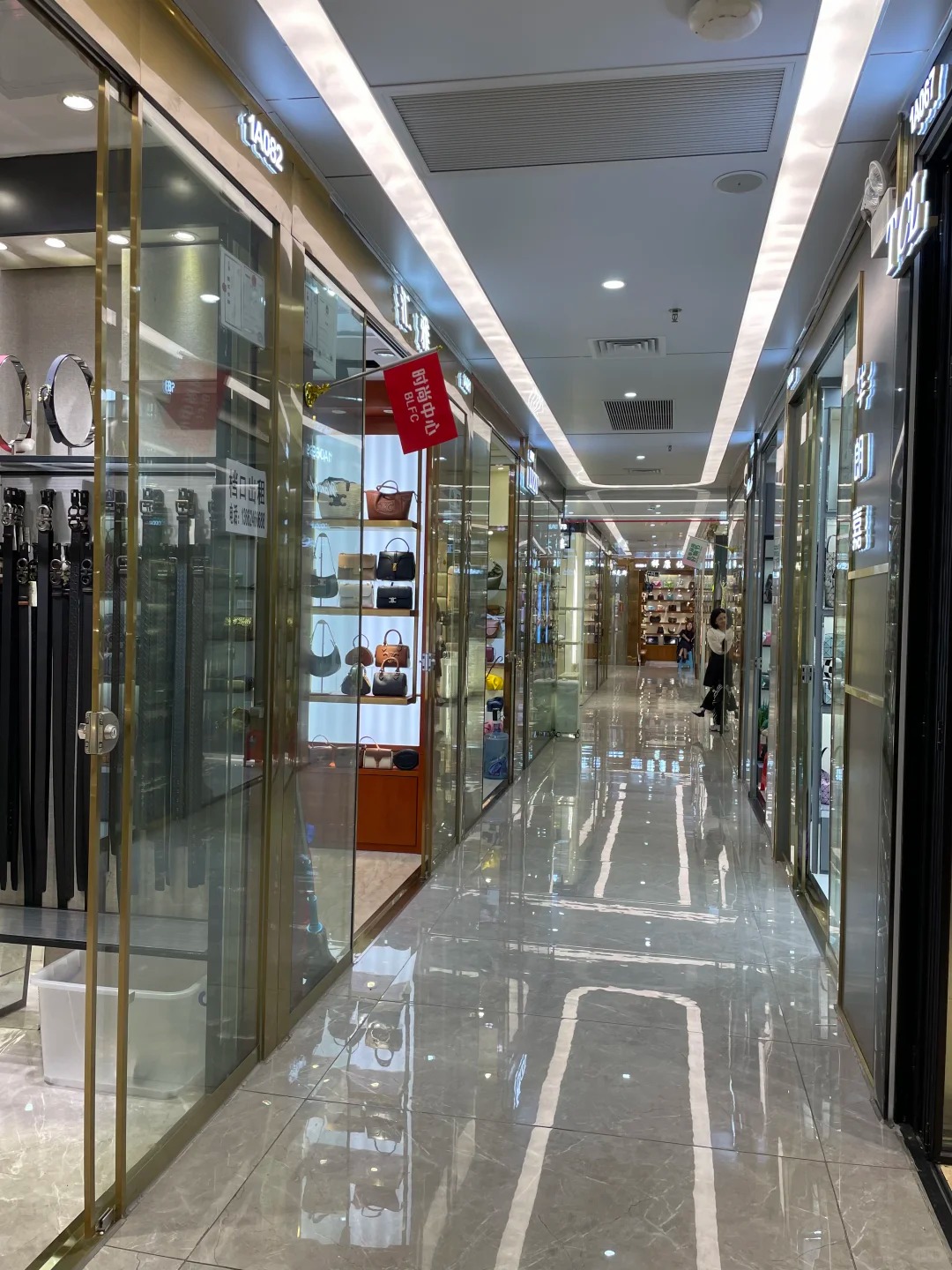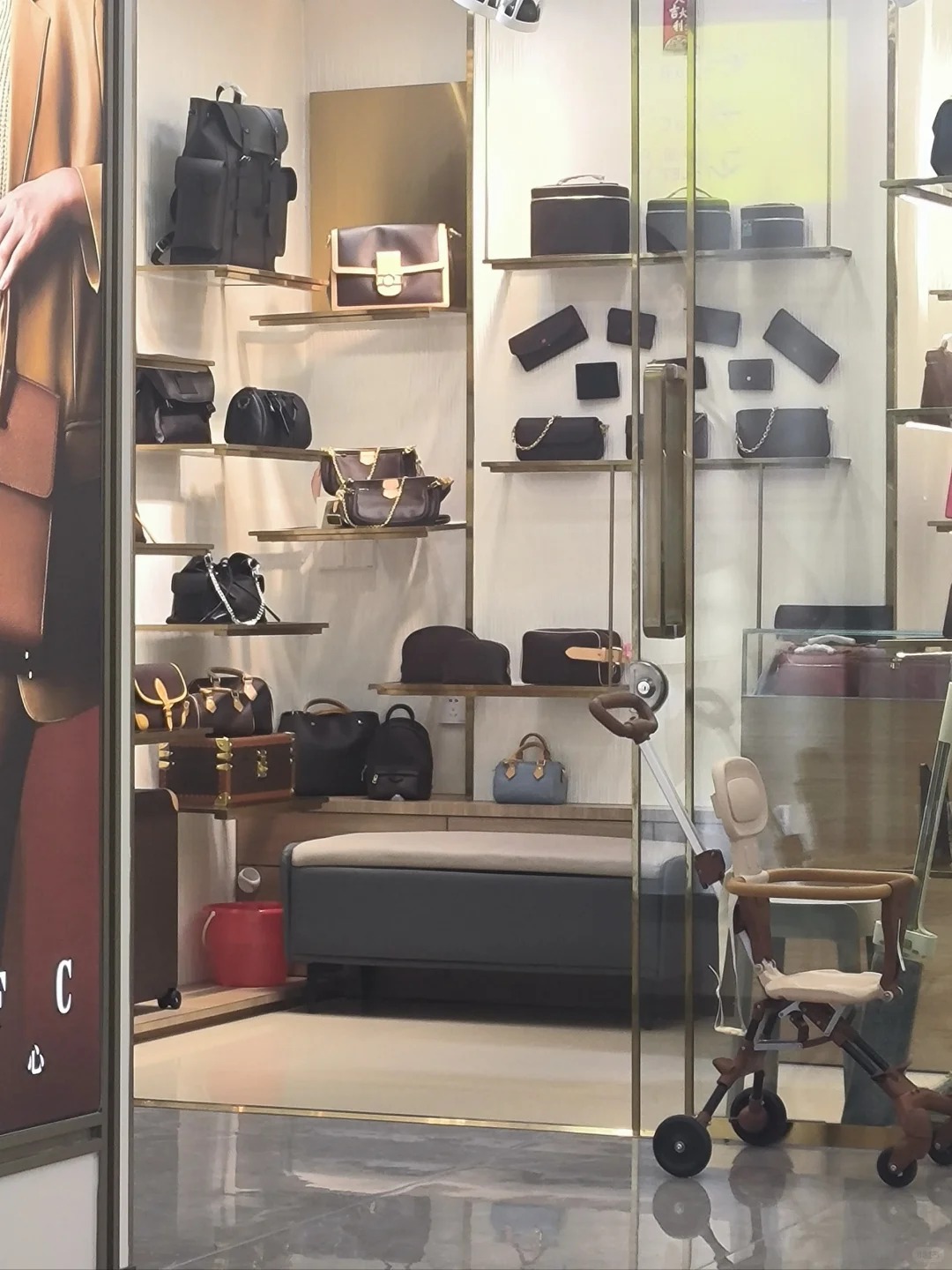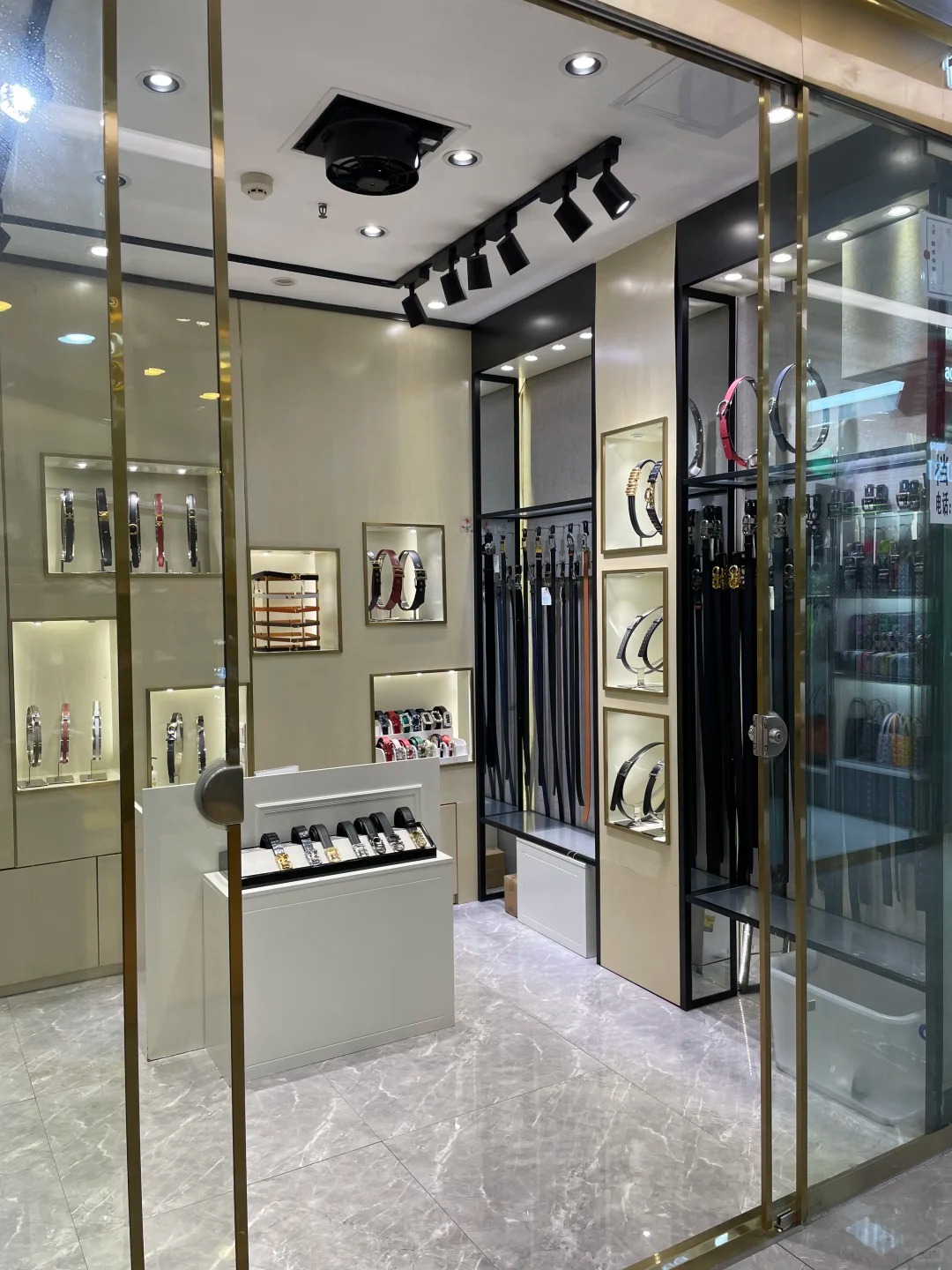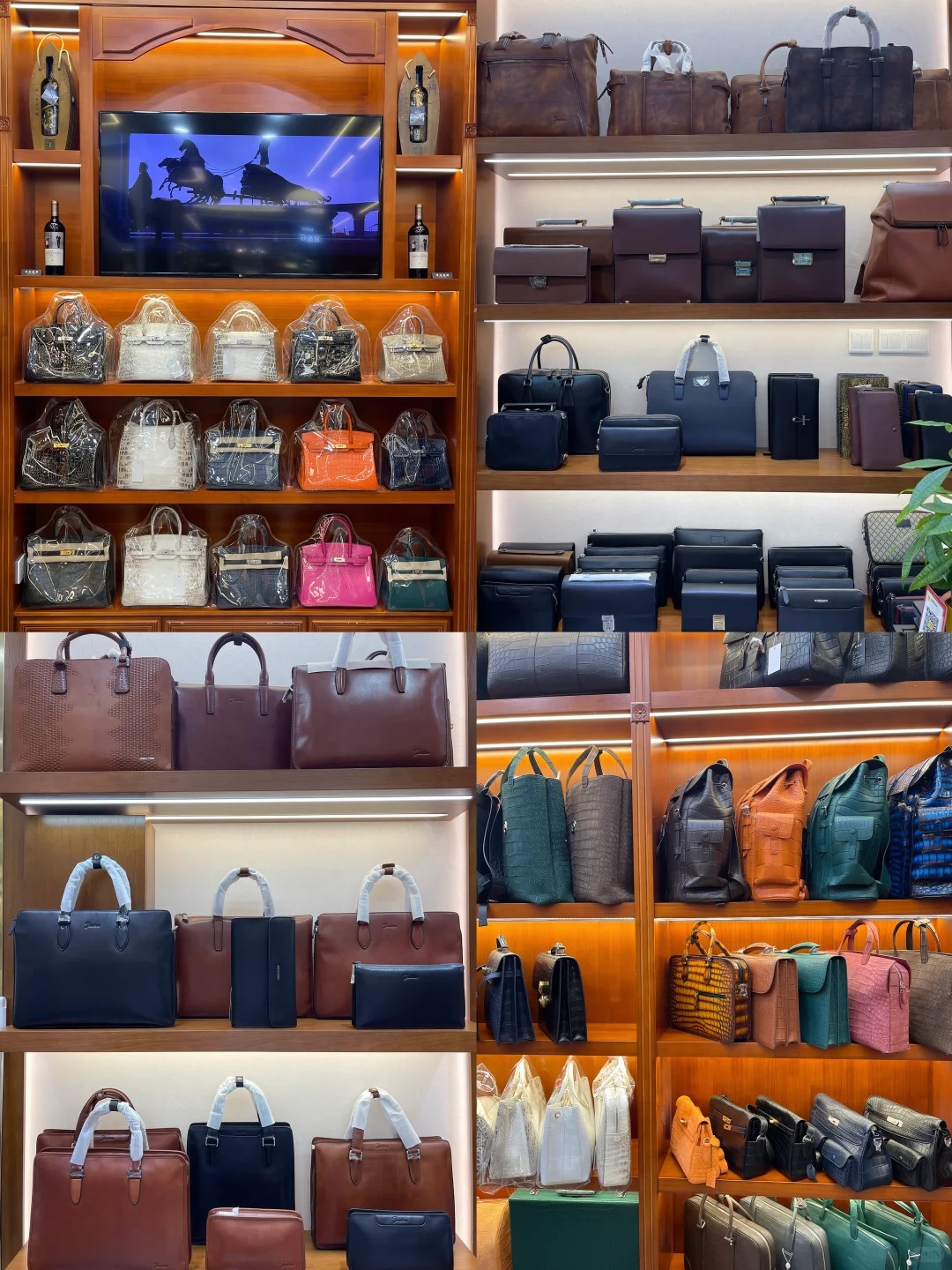

When buying from China, using escrow is the safest way to protect your payment. Escrow holds funds until you confirm goods meet quality and quantity standards. For wholesale market stalls, this is critical because you pay first, then wait for shipment. Here’s exactly how to do it.
Why Escrow Matters for Chinese Wholesale Purchases
China’s wholesale market (like Soudangkou) operates on trust. But when you’re buying fabric or finished goods from a stall you’ve never met, you need a middleman. Escrow services (e.g., Alibaba Trade Assurance, escrow.com) release payment only after you verify:
- Fabric feel and quality match the sample
- Stitching is neat and durable
- Quantity is exact with no defects
Step-by-Step Escrow Process
1. Choose a Supplier That Accepts Escrow
Not all stalls do. At markets like Soudangkou, suppliers may prefer wire transfer. Negotiate: offer a higher deposit (30-50%) if they accept escrow. Always get a proforma invoice stating escrow terms.
2. Agree on Inspection Criteria
Before paying, specify what you’ll check: fabric GSM, stitch count, color fastness. Attach photos/videos. If possible, use a local inspector (like SGS or Bureau Veritas) to visit the stall and check goods before shipment.
3. Place Funds in Escrow
Use a reputable platform. Deposit the full amount minus a small deposit (covered by escrow). Funds are locked until you release them.
4. Inspect at Port or Factory
If you’re in China, visit the stall in person. If remote, ask for video calls showing the actual goods laid out. Check the stitching – loose threads mean poor workmanship – and feel the fabric for softness or weight.
5. Release Payment
Only release funds after you’re 100% satisfied. If goods are substandard, dispute through escrow. Keep all chat logs and inspection reports.
Common Pitfalls & How to Avoid Them
Pitfall 1: Fake escrow sites. Scammers create look-alike platforms. Always use well-known services like Alibaba’s or PayPal’s escrow (for goods).
Pitfall 2: Skipping inspection. One buyer trusted a stall and received thin fabric instead of thick denim. Always verify before release.
Pitfall 3: Not reading the fine print. Some escrow services charge high fees for disputes. Check terms beforehand.
FAQ: Escrow When Buying from China
| Question | Answer |
|---|---|
| Is escrow safe for Chinese purchases? | Yes, if you use a reputable service. It protects both buyer and seller. |
| What are typical escrow fees? | Usually 1-5% of total value, paid by the buyer or split. |
| Can I use escrow for small orders? | Yes, but fees may be high relative to order value. Consider PayPal for orders under $500. |
| How long does escrow take? | From deposit to release, typically 5-10 business days after inspection. |
| What if the supplier ships wrong items? | Dispute with escrow provider. Funds are returned if you have proof. |
| Do Chinese wholesalers prefer escrow? | Many prefer direct T/T, but they will accept if you offer a higher deposit or guarantee volume. |
| Can I inspect goods before escrow release? | Yes, that’s the whole point. Arrange inspection in advance. |
Practical Tips for Fabric & Garment Buyers
When buying from Soudangkou or similar, focus on the tactile details. Scam stalls often use low-quality lining or skip reinforcing seams. During video inspection, ask to see the inside of a garment—zippers and buttonholes tell you everything. Insist on a “sealed sample” kept by the supplier; this matches what you’ll receive.
Another trick: use a third-party courier like DHL or FedEx for sample shipments, and pay via escrow for the bulk. That way, you test the supplier’s reliability before committing large sums.
Final Word
Escrow isn’t complex—it’s a simple checklist: pick a trusted service, define inspection criteria, verify goods, release payment. For wholesale markets in China, it’s your best defense against fabric that feels wrong or stitching that falls apart. Stick to it, and you’ll build long-term relationships with genuine suppliers.
广州服装档口相关入口
继续查看相关市场和品类入口,方便对比档口微信、货源范围、拿货方向和试单前需要核实的信息。