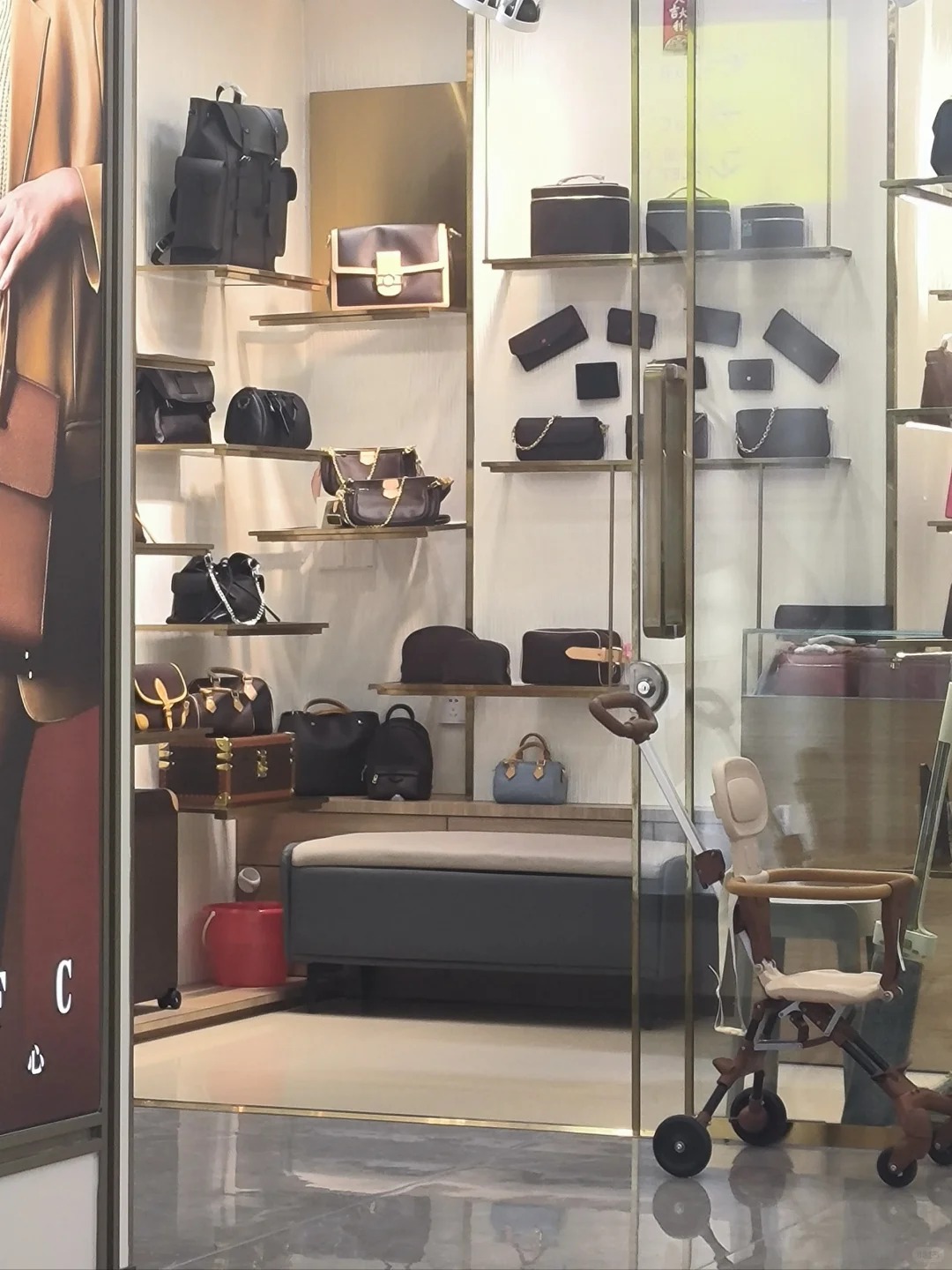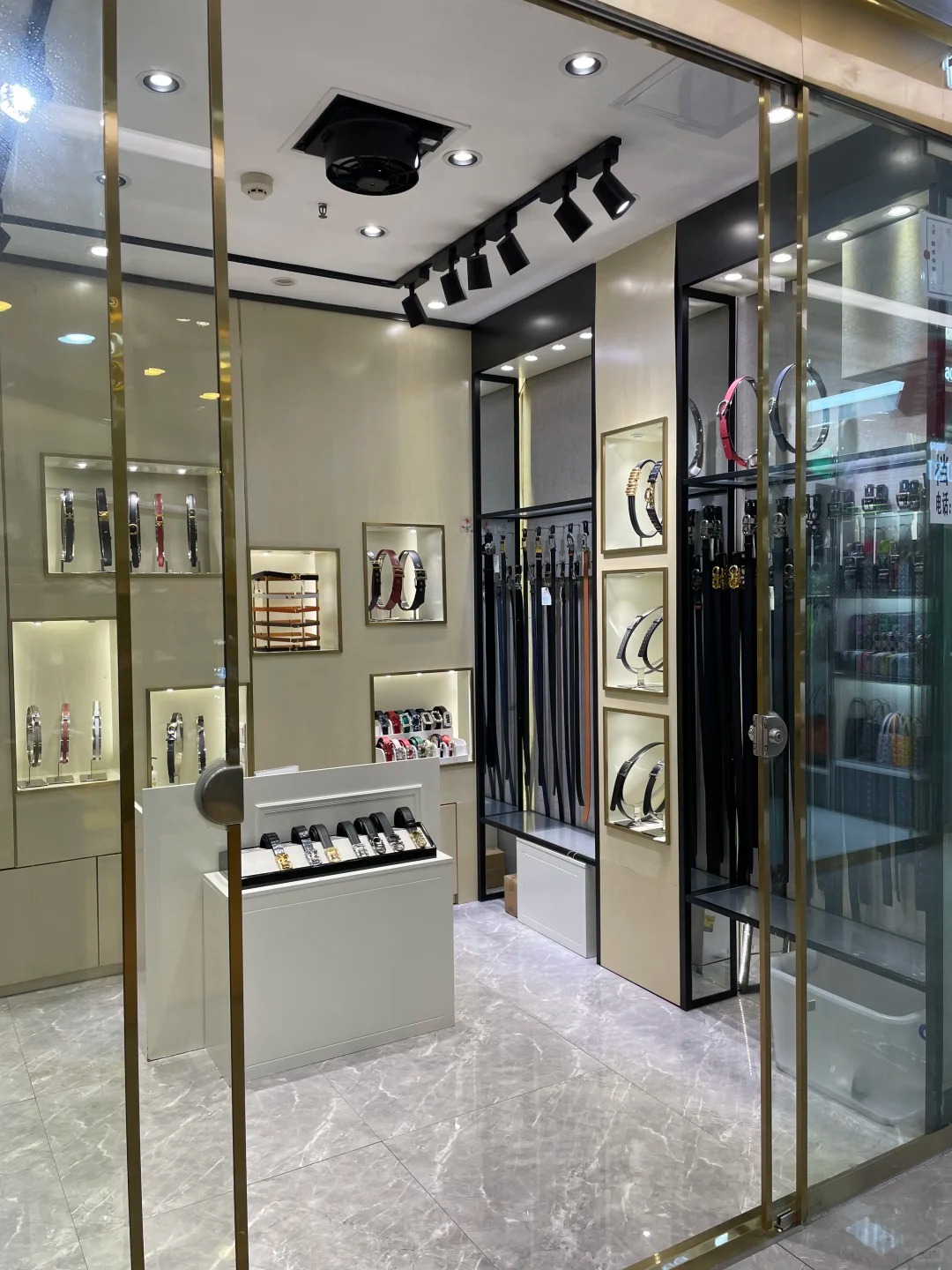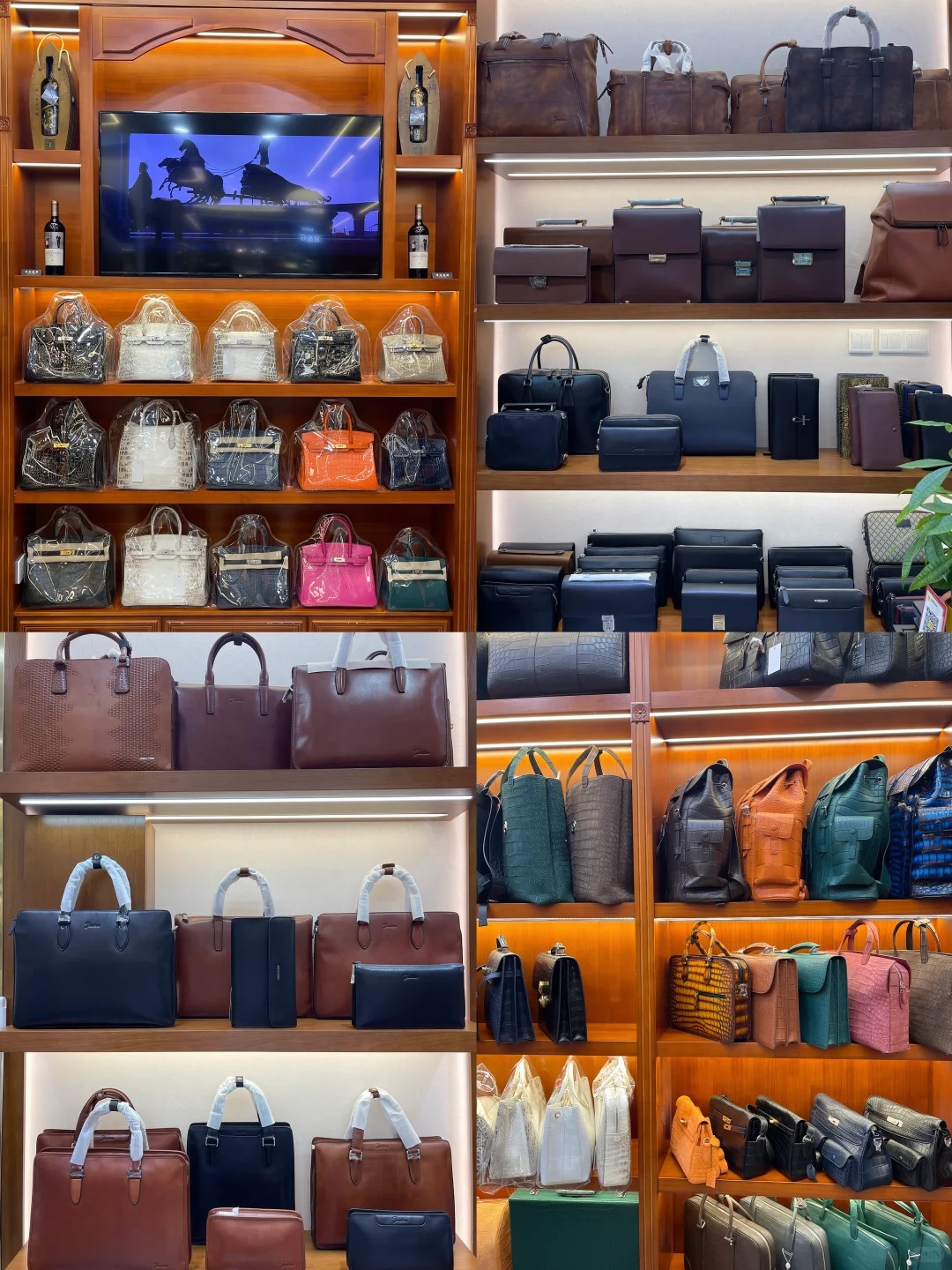

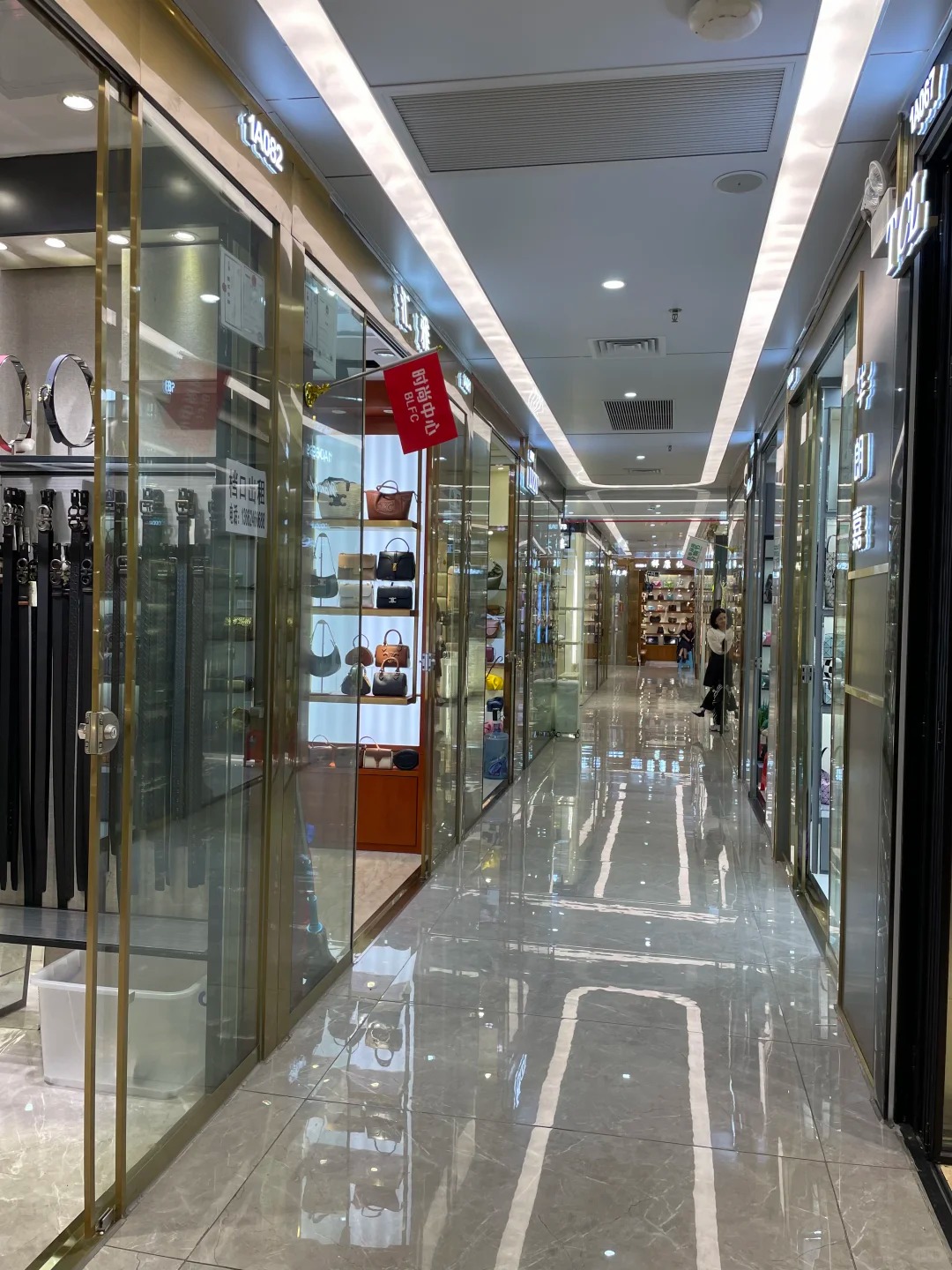
To find a reliable shoes manufacturer in China, start with wholesale market stalls in cities like Guangzhou, Chengdu, or Wenzhou. These stalls offer immediate access to spot goods (现货) where you can physically inspect fabric texture, stitching, and overall construction – no minimum orders, no long wait times.
1. Why Wholesale Market Stalls for Shoes?
Wholesale markets are the backbone of China’s footwear industry. Unlike factory visits that require introductions and MOQs, market stalls let you touch hundreds of styles in one day. You can feel the upper material – leather, synthetic, canvas, or knit – and check the sole bonding and stitching density (more stitches per inch = better durability). For spot goods, ask directly: “Do you have this in stock? Can I buy just 10 pairs to test?” Many stalls are flexible.
2. Key Features to Evaluate at the Stall
Fabric & Texture
Run your fingers over the material. Good quality leather has a natural grain and slight softness; cheap PU feels plastic-like. For athletic shoes, check the mesh tightness – loose mesh means poor support.
Stitching & Workmanship
Look for straight, even stitches with no loose threads. Turn the shoe inside out and inspect the insole – high-end brands use cushioned, removable insoles. Also check the glue lines at the sole edge; thin, consistent glue is better than thick blobs.
Spot Goods vs. Custom Orders
Most stalls carry 现货 (spot goods) for popular models and sizes. If you need a specific design, ask if they can source from their factory network – often they can arrange small-batch customization with existing materials.
3. Navigating the Market Like a Pro
Begin in Guangzhou’s Canton Fair Complex (permanent shoe section) or Chengdu’s Hehuachi Market. Arrive early (8-9 AM) when stalls are fresh. Bring a business card or a WeChat ID – stall owners prefer digital contacts. Negotiate on bulk price but never compromise on quality checks. Use the “3-5-7” rule: check 3 samples from different boxes, test stitching on 5 pairs, and verify size consistency across 7 units.
4. Digital Tools to Support Your Search
While on-the-ground inspection is best, platforms like 1688.com or Soudangkou can help you pre-screen stalls. For example, Soudangkou lists verified wholesale suppliers with real product photos and company details – cross-reference their listings with stall visits. But always physically verify before paying.
5. FAQ: Common Questions
| Question | Answer |
|---|---|
| Can I trust online suppliers without visiting? | No. Always inspect samples unless you have an agent. 70% of online scams involve misrepresented quality. |
| What if I only need 50 pairs? | Market stalls often accept small orders. Expect to pay 20-30% more per pair than bulk pricing. |
| How do I avoid counterfeit goods? | Focus on stalls that openly sell unbranded or OEM products. Avoid stalls using big brand logos without license. |
| What’s the best city for leather shoes? | Guangzhou (especially Fuzhou Road) and Wenzhou. Chenghai in Shantou specializes in sandals. |
| How long does custom production take? | From 2 weeks (simple designs) to 6 weeks (complex molds). Always get a written timeline. |
| Should I use a sourcing agent? | If you’re new, yes. Agents charge 5-15% but protect you from language barriers and quality issues. |
6. Final Checklist Before Ordering
- ✓ Sample approval: Sign off on both appearance and fit.
- ✓ Material verification: Ask for material certificates (leather type, REACH compliance).
- ✓ Payment terms: Never pay 100% upfront. Standard is 30% deposit, 70% on delivery.
- ✓ Shipping: Clarify FOB (factory to port) or EXW (you arrange everything).
With these tactics, you can confidently navigate China’s shoe manufacturing landscape. Remember: the best deals come from blending digital research with on-site inspection. Start at a wholesale market, feel the goods, and build relationships with stall owners – they are your gateway to reliable production.
广州服装档口相关入口
继续查看相关市场和品类入口,方便对比档口微信、货源范围、拿货方向和试单前需要核实的信息。