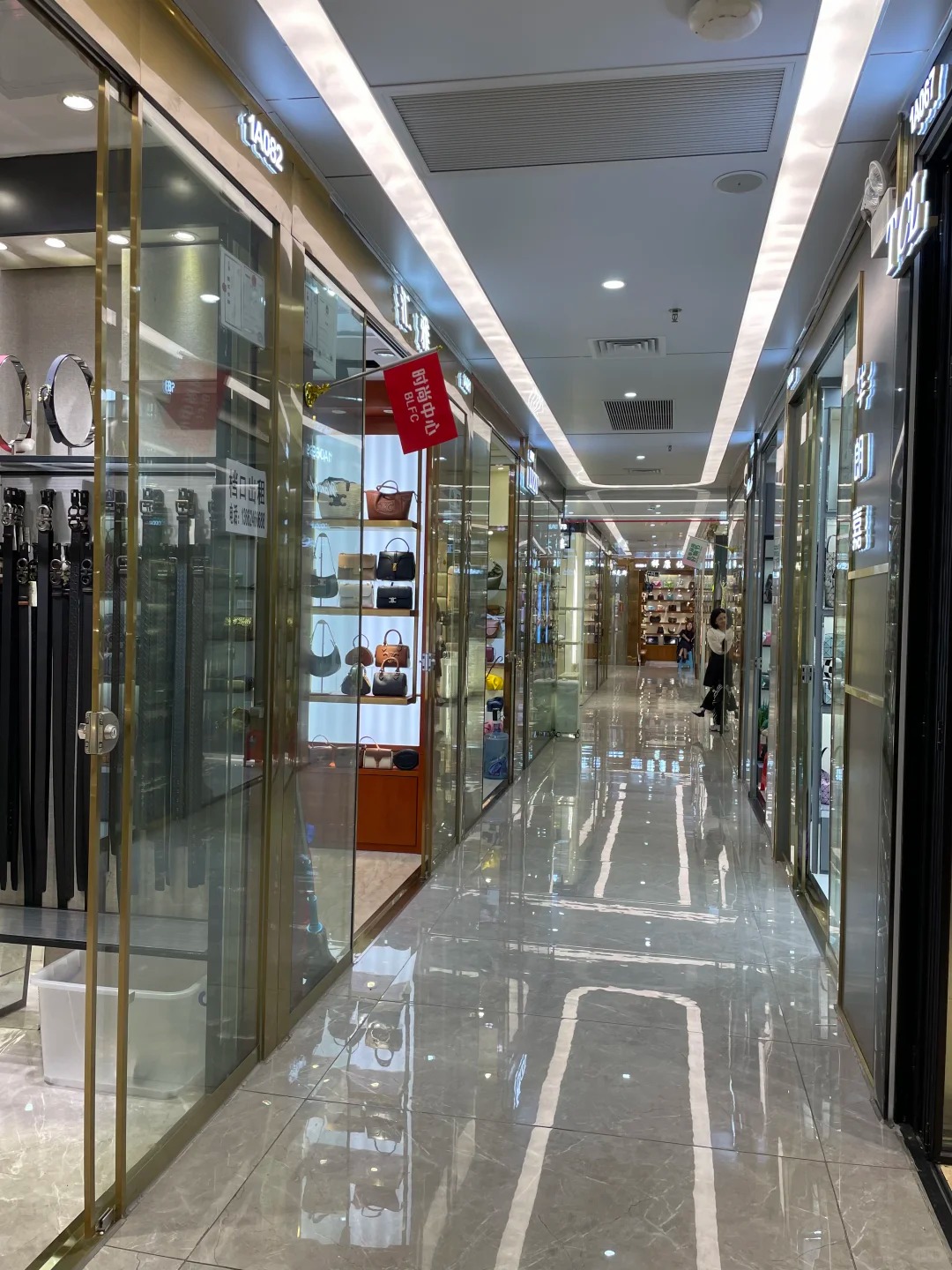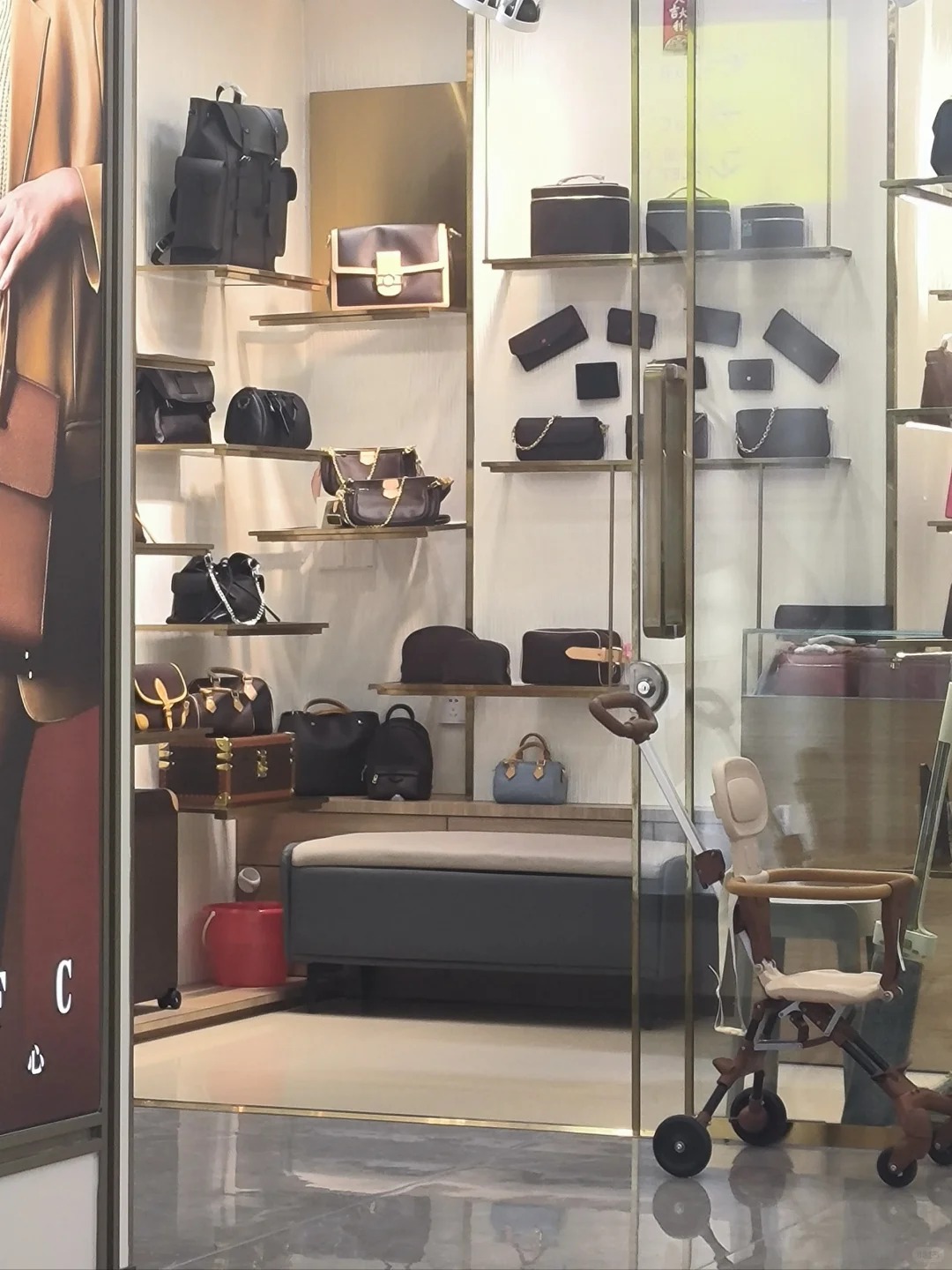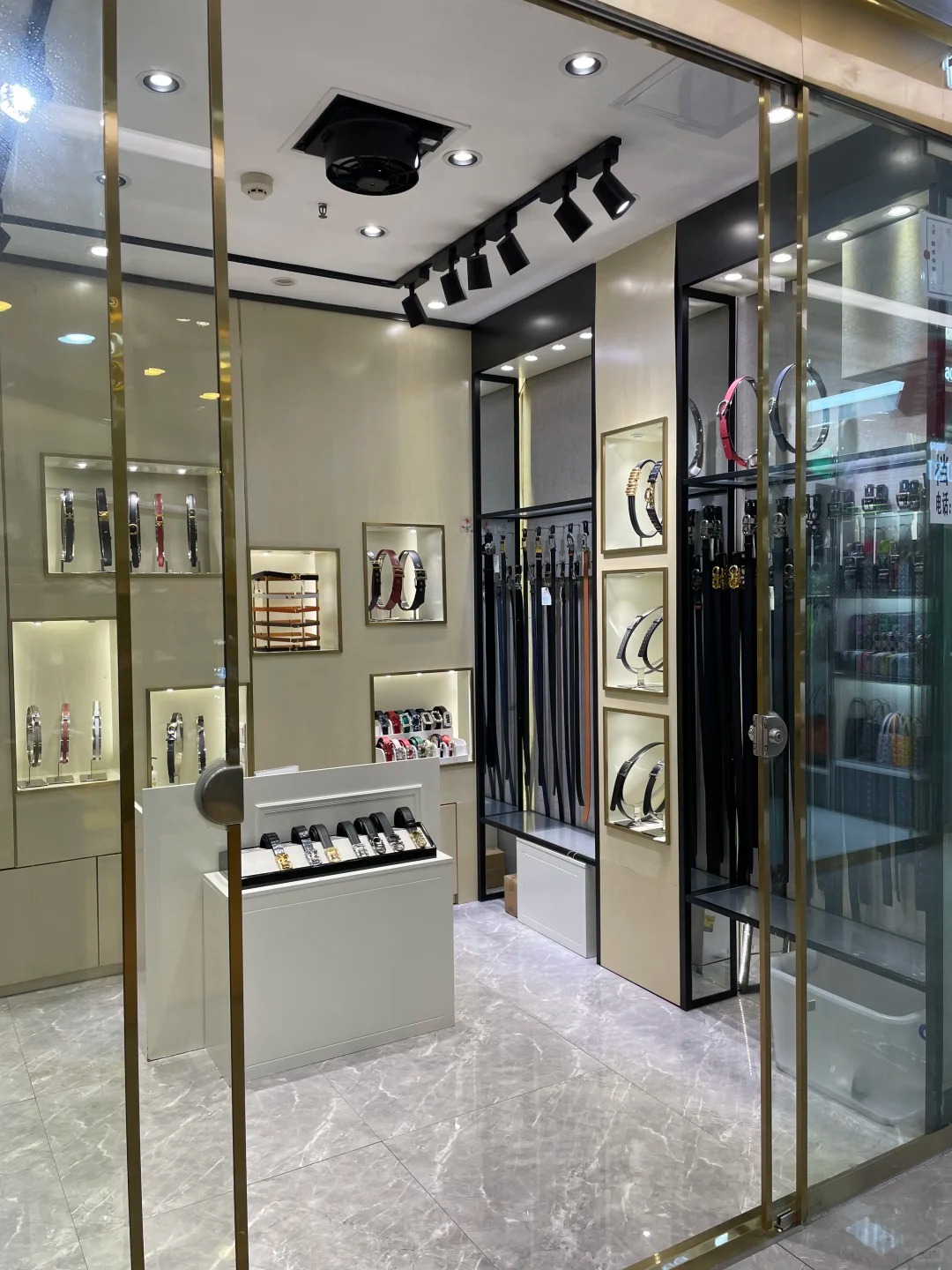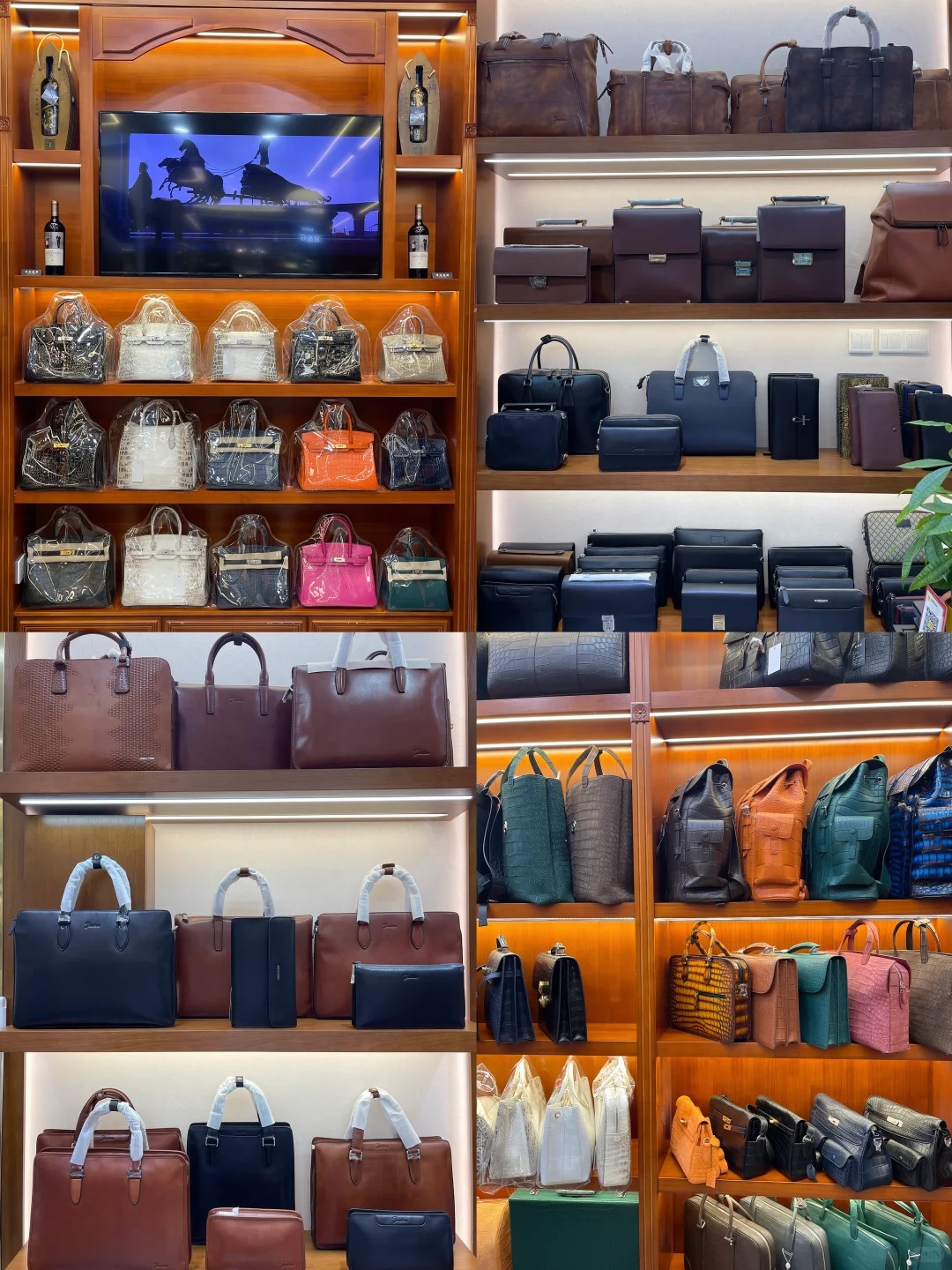

Importing first copy shoes from China boils down to knowing where to look and what to feel. Skip the middlemen and head straight to the wholesale market stalls in Guangzhou or Yiwu. These stalls offer spot goods (现货) that you can touch, squeeze, and flip over. The key is evaluating the leather texture and stitching precision—the two things that separate premium copies from trash. Don’t order blind; fly in, visit the stalls, and pick your inventory by hand.
Why Market Stalls Beat Online Sourcing
Online listings show staged photos. In a stall, you can check the grain of the leather, smell the glue, and bend the sole. First copy shoes replicate the original model’s shape and materials closely; the best ones use genuine leather uppers and firm rubber soles. Stalls let you compare multiple batches side by side. Bring a flashlight and a magnifying glass—examine the stitching pattern. Loose threads or uneven spacing mean poor quality.
Key Quality Indicators to Check
1. Leather Texture & Smell
Real leather has a distinct smell and natural pores. Synthetic leather smells plasticky. Rub the surface; if it peels or cracks, walk away. First copies use either corrected grain or full grain—go for full grain whenever possible.
2. Stitching Precision
Count the stitches per inch (SPI). High-quality copies have at least 6-8 SPI with even tension. Look for double stitching at stress points like the heel and toe cap. Any loose thread is a red flag.
3. Sole Flexibility & Weight
Bend the shoe in half. A premium first copy will flex at the ball of the foot, not the arch. Check the weight: authentic replicas use heavy rubber, not lightweight plastic.
4. Spot Goods vs. Pre-order
Most stalls offer spot goods—shoes already in stock. You can pay, pack, and ship the same day. Pre-order means waiting 7-15 days with uncertain quality. For a first import, stick to spot goods.
Step-by-Step Import Process
- Visit a wholesale market like Guangzhou’s Wanling or Yiwu’s International Trade City.
- Ask for the ‘top quality’ grade. Stalls usually have three tiers: A (budget), AA (mid), AAA (best first copy).
- Inspect each pair using the criteria above. Don’t just look at one.
- Negotiate bulk price—start at 30% below asking.
- Arrange shipping via the stall’s preferred freight forwarder or an independent one.
When you are at Soudangkou, you can also request mixed sizes and models. Many stalls consolidate shipments for free if you buy a certain quantity.
FAQ: Your Questions Answered
| Question | Answer |
|---|---|
| What is a first copy shoe? | An unauthorized replica that mimics the design, materials, and craftsmanship of the original brand closely. |
| How do I avoid buying low-quality copies? | Inspect leather, stitching, and sole personally. Use a flashlight and bend test. |
| Can I order a sample first? | Yes, but it’s better to visit the stall and see the exact batch you’ll buy. |
| What is the minimum order quantity? | Usually 6-12 pairs per model for spot goods. |
| How much does shipping cost? | Varies; sea freight from $50–$100/cubic meter, air from $5–$10/kg. |
| Are first copy shoes legal to import? | It depends on your country’s customs. Check trademark laws. Many countries allow them for personal use but restrict commercial import. |
| How can I pay the stall? | Cash, Alipay, WeChat Pay, or bank transfer. Avoid credit cards as fees are high. |
Red Flags & Pitfalls
Beware of stalls that show price lists without letting you inspect stock. Insist on seeing the actual shoes. Also, never pre-pay 100% for pre-orders; you lose leverage if quality drops. And don’t fall for “original quality” claims—if it’s not stamped with the original brand’s serial number, it’s a copy.
Final Advice
Importing first copy shoes is a hands-on business. The first trip is the hardest, but once you build trust with a stall, they’ll send you WhatsApp photos of new arrivals. Always check the leather and stitching—your customers will thank you.
广州服装档口相关入口
继续查看相关市场和品类入口,方便对比档口微信、货源范围、拿货方向和试单前需要核实的信息。