
Can You Import Shoes from China to India? Absolutely—Here’s the Shortcut
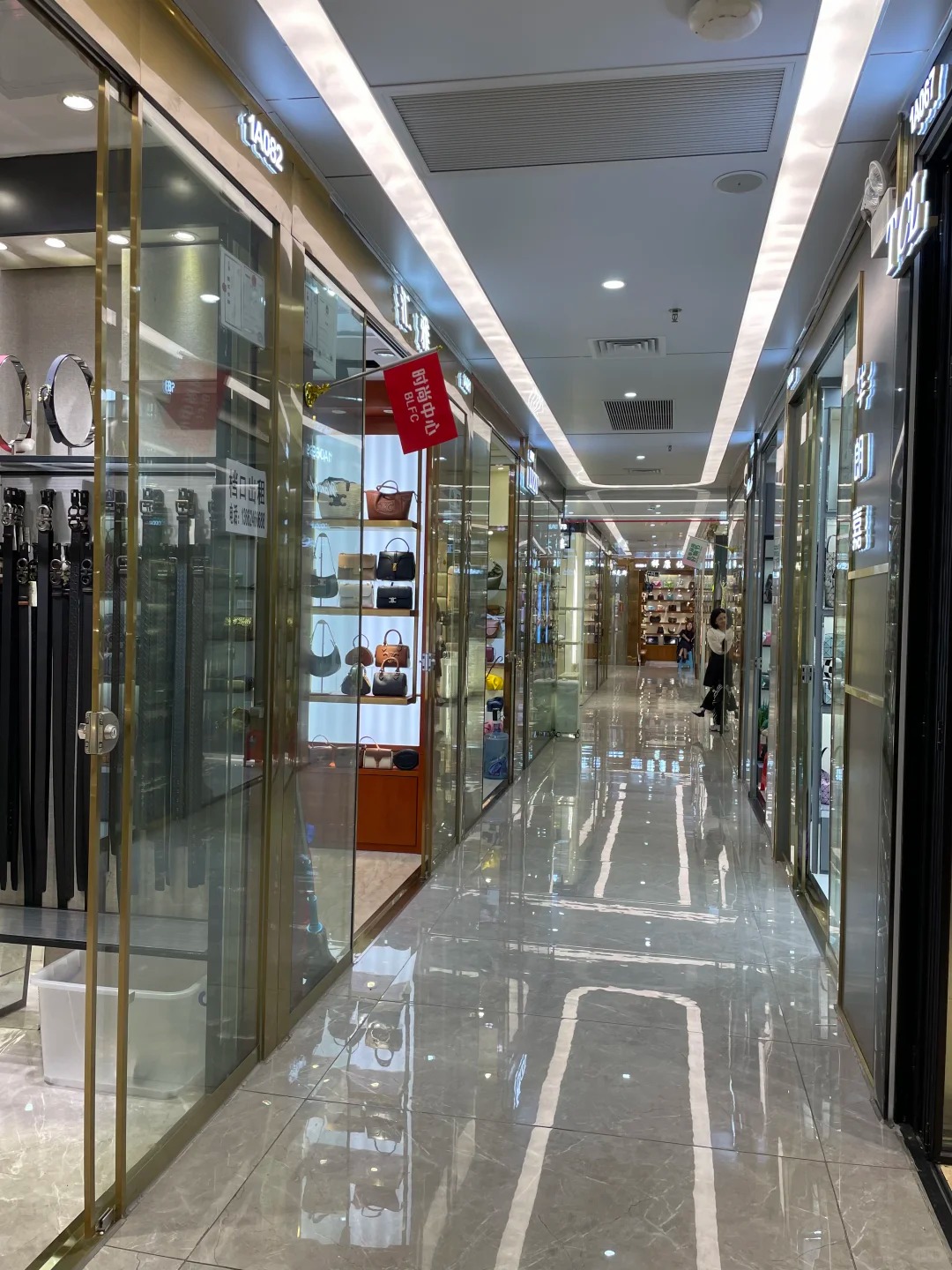
Yes, importing shoes from China to India is not only possible but highly profitable—if you know where to look. The key is bypassing middlemen and going straight to wholesale market stalls in cities like Guangzhou (Zhanxi or Shiqiao) or Chengdu (Hehuachi). These stalls hold massive inventories of finished goods ready for immediate shipment. Forget waiting weeks for factory production; here you can physically inspect the leather, mesh, outsole, and stitching on the spot. For Indian resellers, this means faster turnover and better margin control.
Step-by-Step: Sourcing from Chinese Wholesale Markets
1. Know Your Market & Price Points
Indian consumers love value-for-money footwear: durable school shoes, trendy sneakers under ₹1500, and affordable sandals. Match these to typical China wholesale prices:
- Canvas sneakers: $2–$4 per pair (FOB Guangzhou)
- PU leather casual shoes: $3–$6
- Sports shoes (EVA sole): $5–$8
- Genuine leather sandals: $4–$7
Add 10–15% for shipping and 22% basic customs duty (applies to most footwear imports into India).
2. Pick Your Market Stall Wisely
In Guangzhou, Zhanxi Shoes Market (shoes district) and Shiqiao (leather goods) are the real goldmines. Stall owners often speak enough English or have translators. Start by walking the aisles—look for stalls that display actual samples with tags showing material composition. Avoid stalls that only show photos. Ask to feel the leather grain, flex the sole, and check the insole stitching. Quality spot-check: (a) Pull the sole edge—no separation. (b) Smell the material—strong chemical smell means low-grade glue or synthetic. (c) Check the insoles are removable (a sign of quality).
3. Negotiate Like a Wholesaler
Never accept the first price. Stall owners expect bargaining for bulk. Typical negotiation: ask “What is the price for 500 pairs?” then counter at 15–20% lower. Mention you’re a regular buyer from India. Once agreed, demand a sample to take home. Most stalls allow buying 1–2 pairs at wholesale + 10%. This sample becomes your quality benchmark for the full order.
Shipping & Customs Clearance
Most stall owners offer shipping via their forwarder. Freight by sea (FCL or LCL) from Guangzhou to Nhava Sheva or Mundra takes 18–25 days. For smaller shipments (1–5 cubic meters), use sea-air via Colombo or Dubai. Costs average $0.30/kg for sea, $1.50/kg for air freight. Always get the final invoice from the stall showing the exact description, quantity, and unit price to avoid customs issues. Required documents: Bill of Lading, Packing List, Commercial Invoice, and GSP Certificate (for reduced duty under India’s FTA with China if applicable).
FAQs
| Question | Answer |
|---|---|
| Is it legal to import shoes from China to India? | Yes, but you need to follow India’s import policy. Most shoes are in the ‘free’ category. Check the latest Foreign Trade Policy. |
| What is the customs duty on shoes? | Basic customs duty ranges from 20% to 35%, plus 10% social welfare surcharge and 12% IGST. Total effective rate ~45%. |
| Can I get genuine leather shoes from market stalls? | Yes, but verify. Look for irregular grain patterns and smell—real leather has a distinct organic smell. Cheap synthetic smells like plastic. |
| How many pairs do I need to buy to get wholesale price? | Typically 100+ pairs per style. Some stalls accept 50 pairs at a slightly higher price. |
| Which is better: Soudangkou or visiting physically? | Soudangkou connects you to verified stalls online, saving travel costs. But physical inspection is unbeatable for quality control, especially for texture and stitching. |
| How do I avoid getting low-quality goods? | Always secure a sample first. Check stitching (double rows on stress points), glue residue (should be minimal), and sole flexibility. Ask for photos during production. |
| Can I import used shoes from China? | No. India bans import of used shoes. Only new products allowed. |
Final Word: Your Action Plan
Importing shoes from China to India works best when you combine street-smart inspection with market stall relationships. Start small: pick one stall, order 50–100 pairs of a proven style (like lightweight sneakers), and test your Indian channel. If margins hold, scale up. Platforms like Soudangkou can help you vet suppliers before you fly. But remember: nothing beats feeling the leather and flexing the sole yourself. That’s how you win in this game.
广州服装档口相关入口
继续查看相关市场和品类入口,方便对比档口微信、货源范围、拿货方向和试单前需要核实的信息。