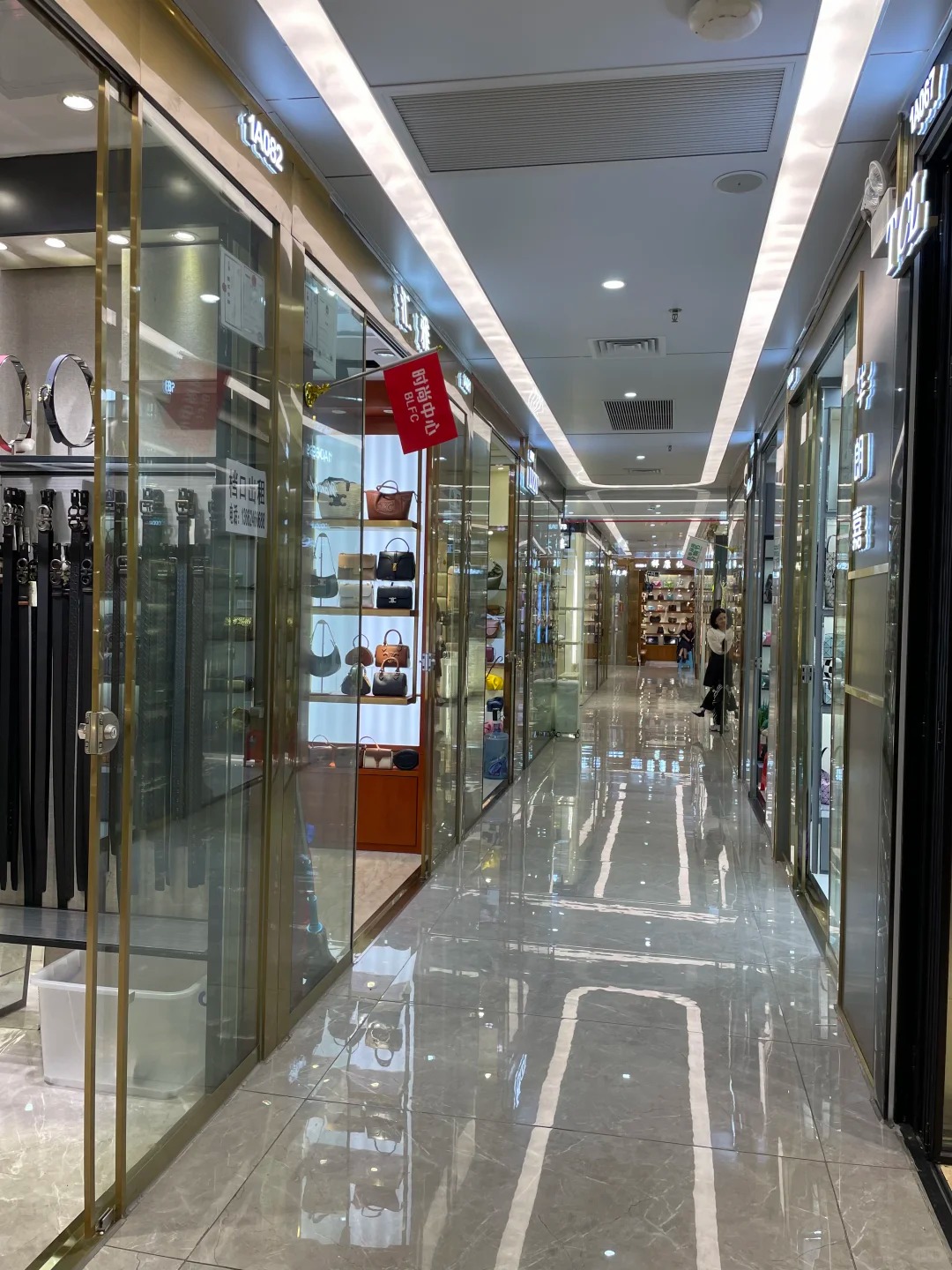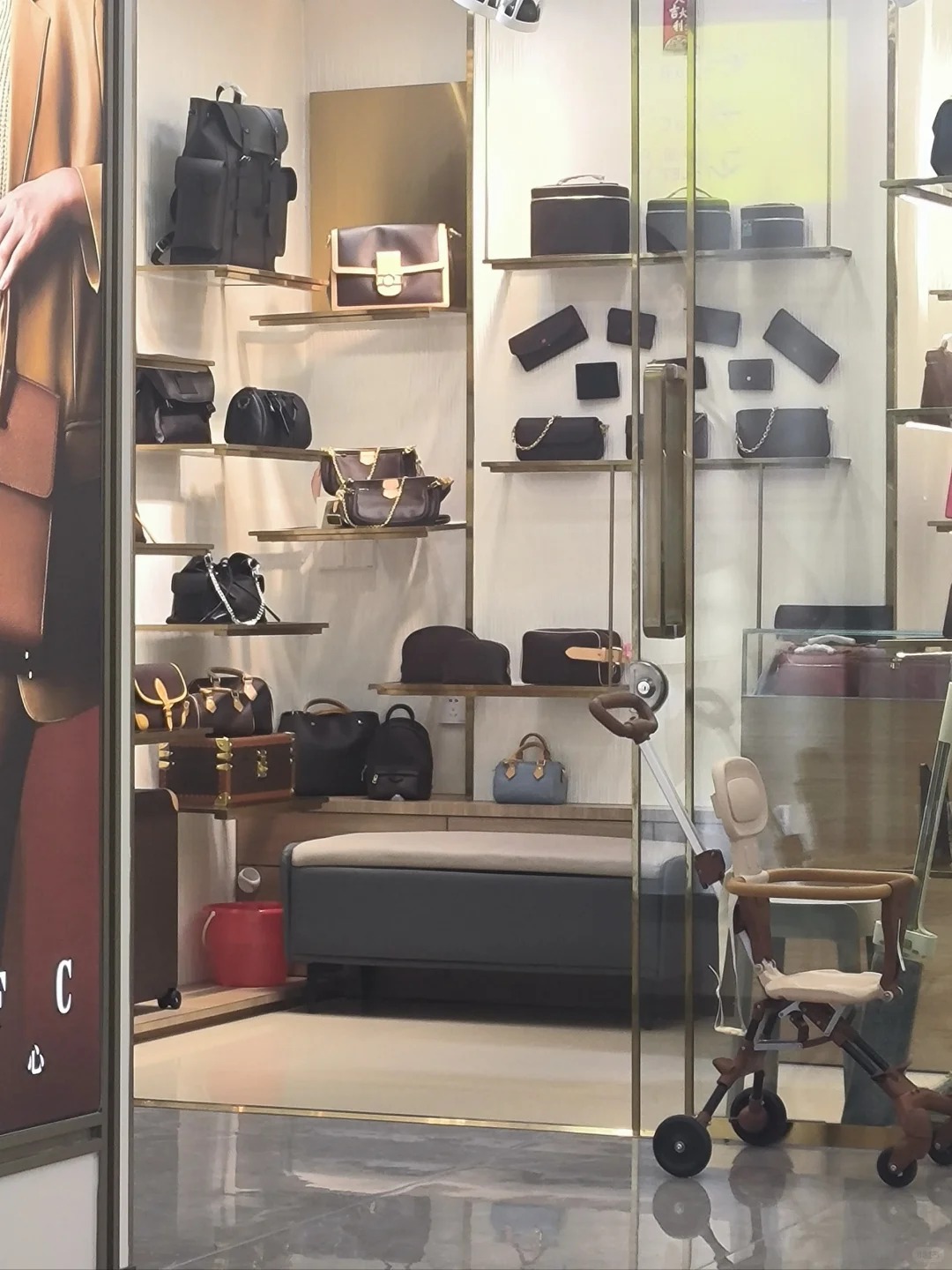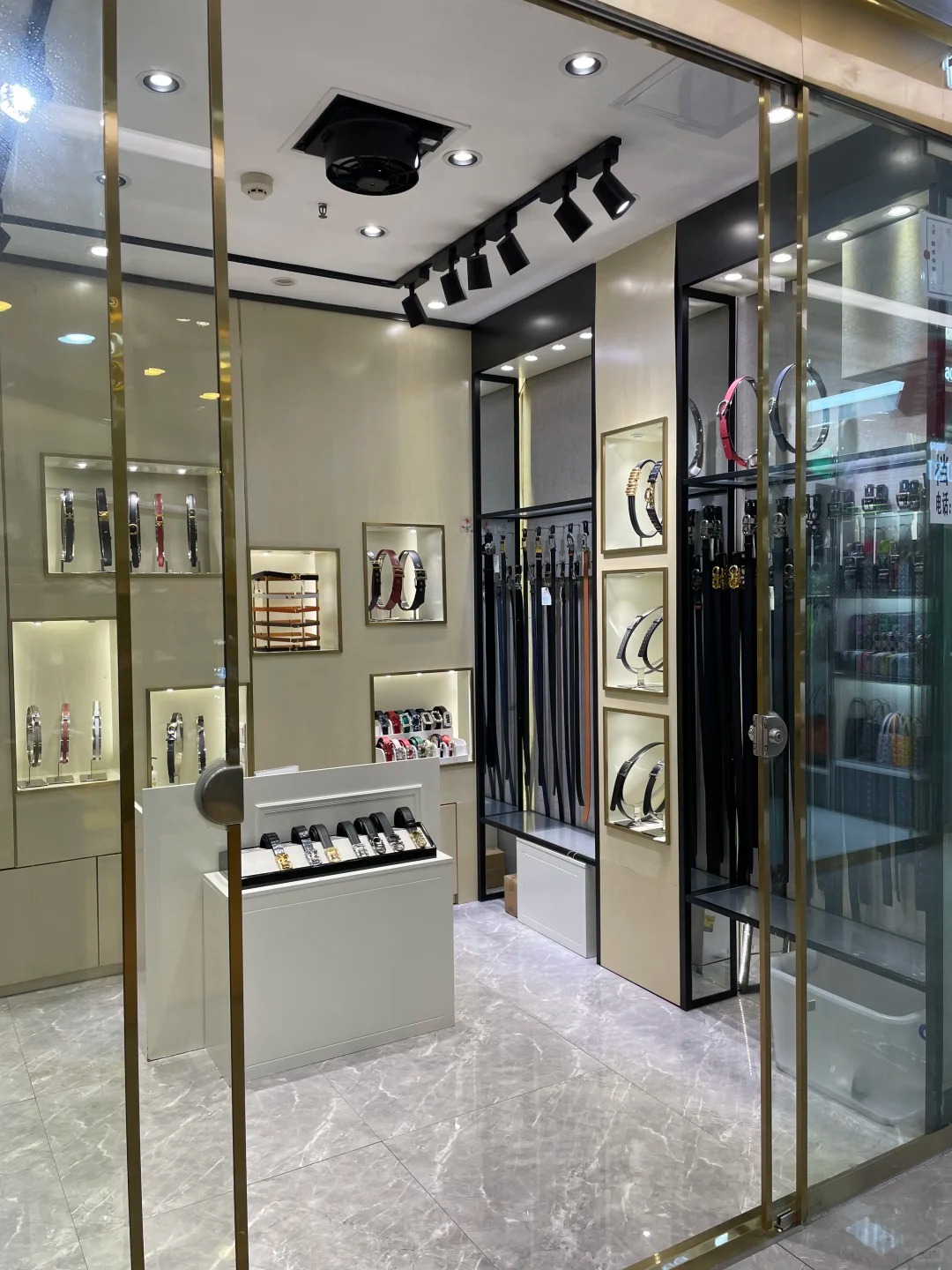

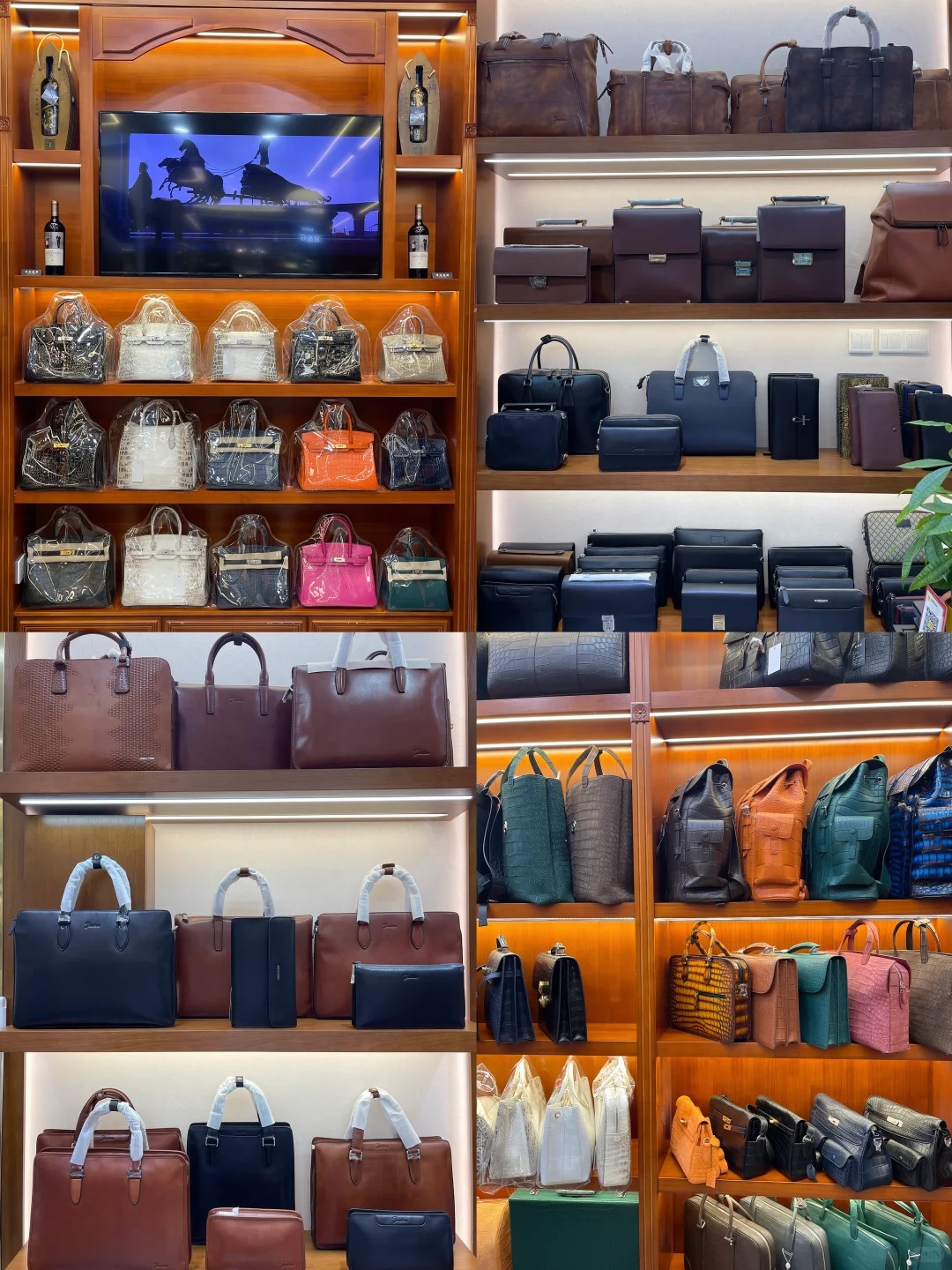
Making shoes in China centers around leveraging dense supply chains in cities like Guangzhou, Wenzhou, and Dongguan. The most efficient route for wholesale buyers is **direct sourcing from one-stop market stalls** that offer ready stock, eliminating months of lead time. These stalls vet manufacturers and provide immediate access to finished products with negotiable MOQs.
Step 1: Source Raw Materials from Market Clusters
Head to specialized material markets: leather in Guangzhou’s Huanshi West Road, synthetics in Wenzhou’s Ouhai District. Stalls here sell precut uppers, soles, and linings – often leftovers from big factory orders. This reduces waste and cost. Examine material thickness and stitch tension on sample pieces.
Step 2: Understand the Production Process
Shoe making involves cutting, stitching, lasting, and outsole attachment. In market stalls, you can order “semi-finished” shoes (assembled but unlabeled) to customize to your brand. Ask for the “factory grade” – AA means standard retail, AAA means premium export quality with double stitching and reinforced joints.
Step 3: Grab Used Molds for Cost-Effective DIY
Many stalls sell old production molds at a fraction of the original cost. With a mold, you can request a small batch (500 pairs) of totally original designs. This bypasses the usual 1000-pair minimum. Hot tip: Molds for classic sneaker silhouettes are abundant in Panyu district.
Step 4: Evaluate Workmanship Like a Pro
Use the “bend test” – flex the shoe 90 degrees at the ball; the outsole should resist cracking. Run your thumbnail over stitching; it should be flush with the material. Premium shoes have at least 8 stitches per inch on the upper. Reject any with loose threads or glue marks.
FAQ: Common Questions About Making Shoes in China
| Question | Answer |
|———-|——–|
| How long does it take to make shoes from scratch? | Usually 30-60 days for new molds, but we expose ready stock stalls with 24-hour delivery. |
| Can I make shoes without visiting China? | Yes, but physically inspecting material quality on site is advised. Use a proxy agent if you can’t travel. |
| What’s the cheat code to low MOQ? | Grab surplus materials from closed orders at wholesale markets. This drops MOQ to 200 pairs. |
| Are there any safety concerns with Chinese imported shoes? | Only if you ignore chemical tests. Choose stalls that supply REACH or CPSIA compliant samples. |
| What’s the average cost per pair? | For a simple mesh sneaker, $8-$15 FOB at market stalls. Add $2 for leather uppers. |
Dos and Don’ts for Soudangkou Buyers
When you visit Soudangkou, focus on stalls showing at least 3 colorways of the same style – it signals factory flexibility. Ask to see the “run-down” (used sample) to judge long-term wear. Don’t haggle on price immediately; instead, ask for a “volume discount” at 200 pairs. Most importantly, always request a “first copy” (prototype) before bulk order.
广州服装档口相关入口
继续查看相关市场和品类入口,方便对比档口微信、货源范围、拿货方向和试单前需要核实的信息。