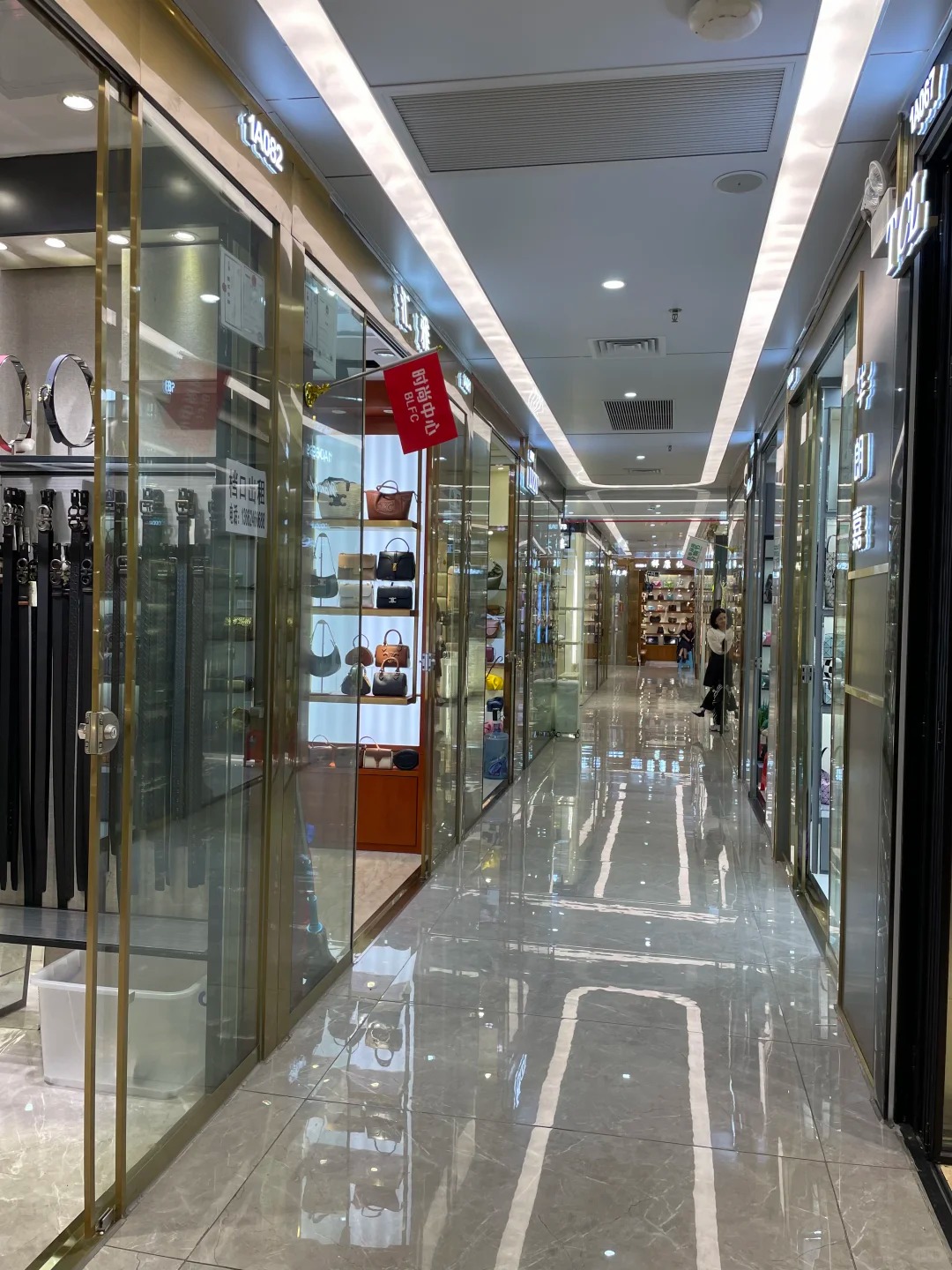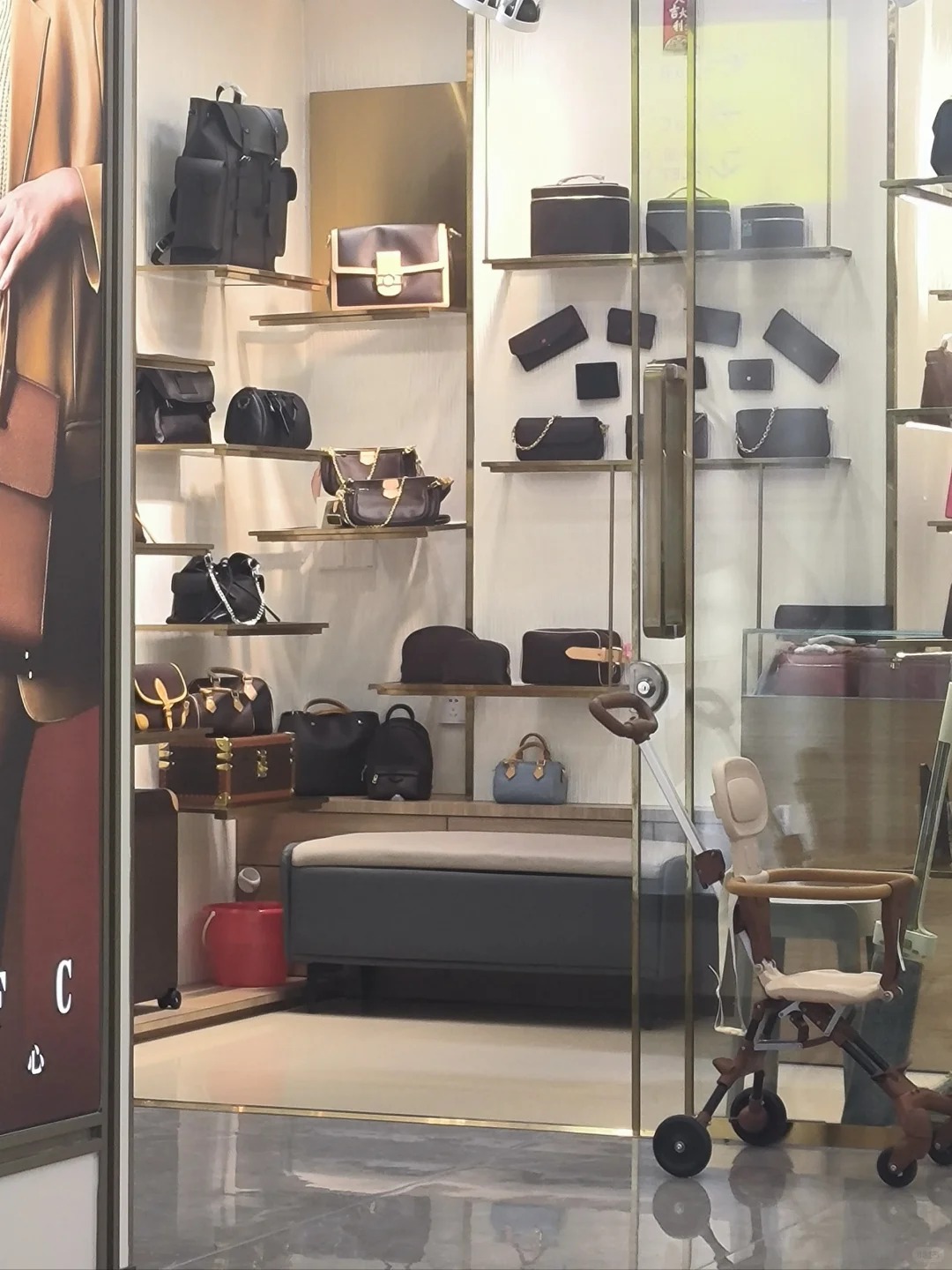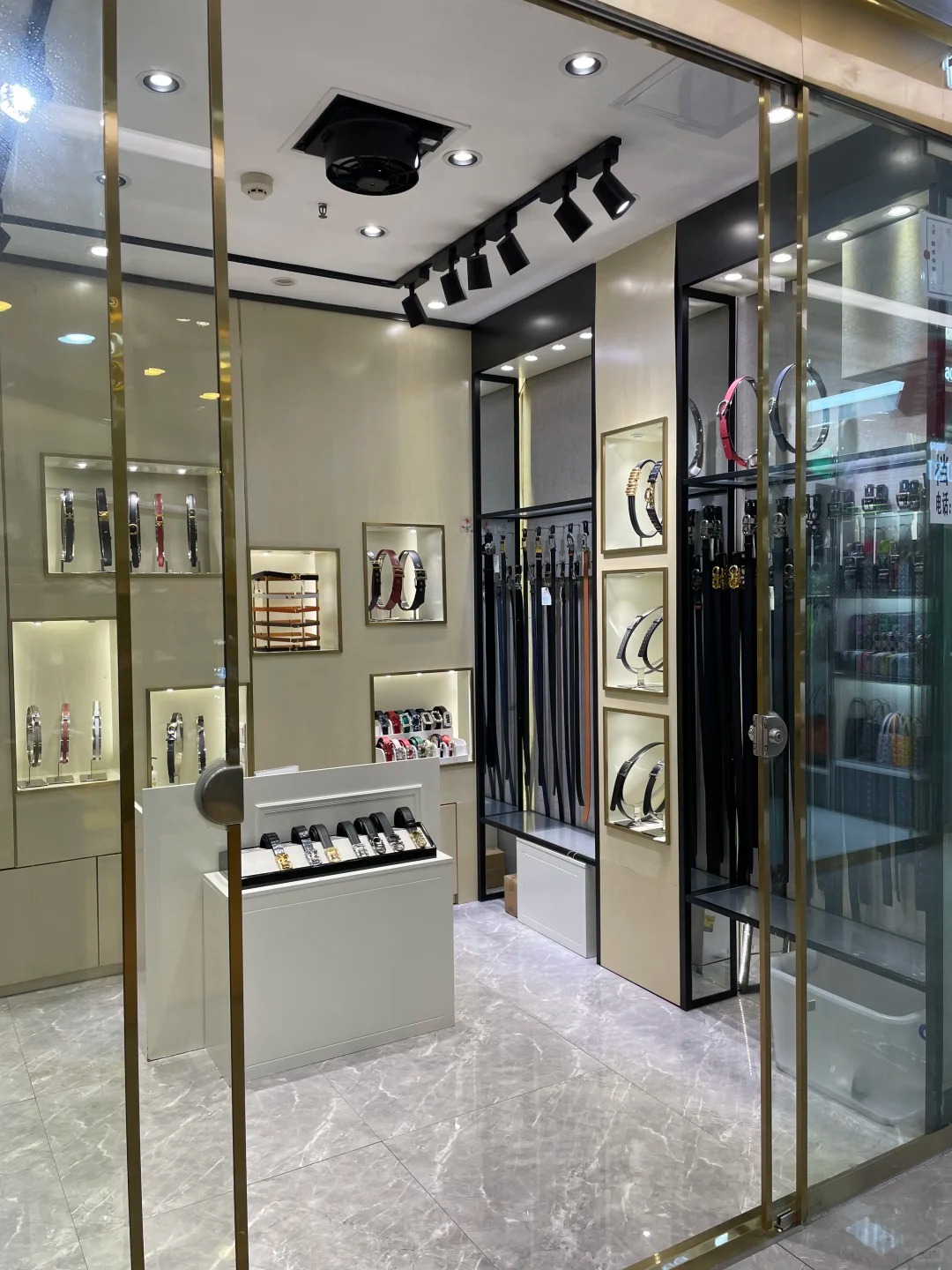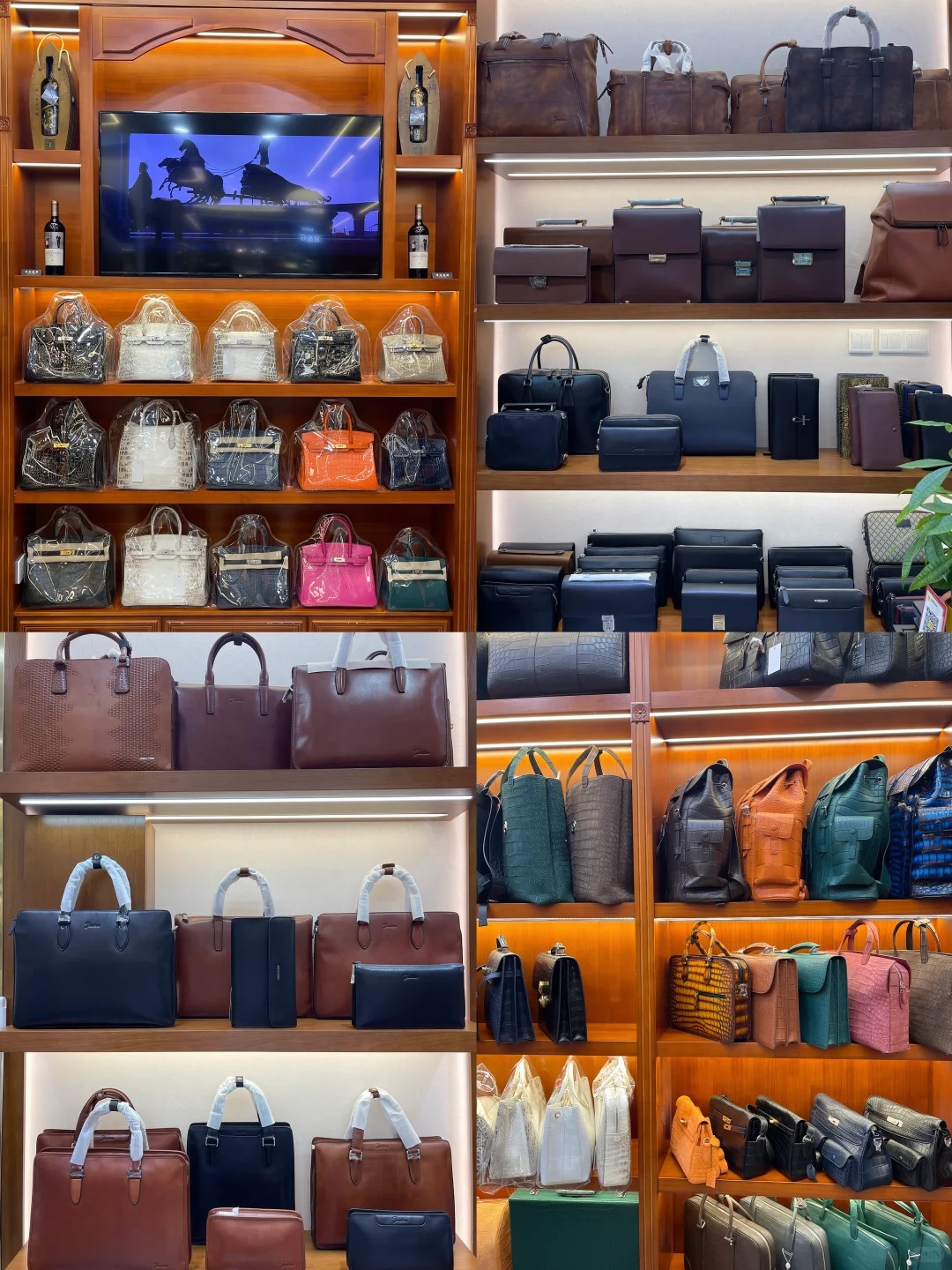

To manufacture shoes in China, the most efficient and profitable route for many buyers is to source from wholesale market stalls that offer ready-to-ship spot goods, often with customization options. Forget the myth that you must visit a factory or travel to obscure industrial towns. The real power lies in the bustling wholesale markets of Guangzhou, such as those around Soudangkou, where thousands of shoe factories showcase their latest designs and production capacity every day. These stalls are the direct interface between you and the manufacturer.
Why Start at Wholesale Market Stalls?
Starting at wholesale market stalls gives you a massive advantage: you can touch and feel the materials, inspect the stitching, and assess the overall quality instantly. Unlike dealing with a factory you’ve never seen, here you can compare dozens of suppliers in a single afternoon. The sellers are savvy, speak decent English for basic transactions, and many can facilitate small MOQs (minimum order quantities) starting from 30-50 pairs per design—perfect for testing the waters.
How to Evaluate Shoe Quality at the Stall
Don’t be fooled by a pretty picture. When you’re at the stall, follow these steps:
- Feel the Leather or Upper Material: Genuine leather should have a soft, porous texture, while synthetic alternatives might feel plasticky. Ask for the material composition if needed.
- Check the Stitching: Look for even, tight stitches with no loose threads. The stitch count per inch (SPI) matters: higher SPI usually means better durability.
- Examine the Sole: Bend the shoe. A good sole should be flexible but firm. The bonding between the sole and upper should be smooth, with no visible glue marks.
- Inspect the Insole: A removable insole is a sign of quality. Check if it’s cushioned and whether it stays in place.
- Try Them On: Size consistency across different stalls may vary. Always try on both shoes and walk around a bit.
How to Approach Negotiations for Spot Goods
At a stall like those you’d find near Soudangkou, sellers are accustomed to haggling. Start by showing genuine interest. Ask for the wholesale price for one design in a full set of sizes. Then inquire about discounts for larger quantities or mixed orders. Remember, these stalls often have spot goods ready for immediate shipment, which saves you weeks of waiting. If you see a design you love, don’t hesitate to negotiate for a bulk purchase of the same stock.
Step-by-Step Process to Manufacture Shoes in China
If you need custom manufacturing beyond spot goods, the process from a wholesale market stall is streamlined:
- Identify your target stall that seems to have the production capability for your style (e.g., sneakers, boots, sandals).
- Present your design or requirements (sketches, images, or sample shoes).
- Discuss MOQ, price, and lead time. Typical MOQ starts at 300-500 pairs per color.
- Request a sample before committing. The stall can arrange for the factory to produce a pair, usually within 7-15 days.
- Negotiate payment terms: 30% deposit upfront, balance before shipment is standard.
- Arrange shipping through the stall’s recommended freight forwarder or your own.
Common Pitfalls and How to Avoid Them
The biggest mistake is assuming all stalls are equal. Some are just middlemen who mark up prices. To find the real factories, look for stalls that have their own brand on display, or ask directly: “Are you the factory?” Another pitfall is not checking the shoe size carefully, as Chinese sizes often run small. Always request a size chart and test a sample.
FAQ: Manufacturing Shoes in China
| Question | Answer |
|---|---|
| What is the minimum order quantity (MOQ) for custom shoes? | MOQ typically ranges from 300 to 600 pairs per style, but many stalls accept smaller orders for an additional cost. |
| How long does it take to get a sample? | For custom designs, samples usually take 7-15 days. For spot goods, you can buy samples directly from the stall. |
| Can I get shoes made with recyclable materials? | Yes, many factories now offer eco-friendly options. Discuss this with the stall owner, and expect higher costs and potential minimum order increases. |
| What are common payment methods? | Wire transfer (T/T) is standard. PayPal or Western Union may be accepted for small amounts or samples. |
| Do I need to speak Chinese? | Not necessarily. Many stall owners in major markets speak basic English. However, hiring a translator or local agent can help with complex negotiations. |
Final Word of Advice
Manufacturing shoes in China doesn’t have to be a headache. By starting at wholesale market stalls, you cut through the confusion and get direct access to factories. Whether you’re looking for spot goods to test your market or ready to place a large custom order, the key is to be hands-on, ask questions, and compare offers. The market is your best resource—use it wisely.
广州服装档口相关入口
继续查看相关市场和品类入口,方便对比档口微信、货源范围、拿货方向和试单前需要核实的信息。