
The Short Answer
You can’t completely avoid Chinese products in modern supply chains, but you can significantly reduce your exposure by sourcing from alternative countries, using strict due diligence, and understanding product markers. This guide explains how to identify products not made in China and navigate the wholesale market effectively.
Why Avoiding Chinese Products Is Challenging
China dominates global manufacturing, especially in electronics, textiles, and consumer goods. Even if a product is assembled elsewhere, components often originate in China. For wholesalers, this means complete avoidance is nearly impossible without sacrificing cost and variety.
Steps to Source Non-Chinese Products
1. Research Alternative Manufacturing Hubs
Focus on countries with strong manufacturing in your product category:
- Southeast Asia: Vietnam (textiles, footwear), Thailand (electronics, automotive parts), Indonesia (furniture, apparel).
- South Asia: India (pharmaceuticals, textiles), Bangladesh (garments), Pakistan (textiles).
- Mexico & Eastern Europe: Mexico (auto parts, electronics), Poland (furniture), Turkey (apparel).
2. Verify Product Labels and Documentation
Check for “Made in [Country]” labels. However, be aware of relabeling fraud. Request certificates of origin from suppliers and cross-check with shipping documents.
3. Inspect Quality and Materials
Chinese products often have distinct characteristics: synthetic fabrics in textiles, mass-produced finishes, and standardized packaging. Non-Chinese alternatives may use different quality markers—for instance, Italian leather vs. Chinese split leather.
4. Use Third-Party Verification Services
Hire inspection companies (like SGS or Bureau Veritas) to audit factories and validate supply chains. They can trace components back to origin.
5. Build Relationships with Local Artisans
For handmade or niche goods, work directly with small-scale producers in regions like Japan (ceramics), Portugal (woolens), or Peru (alpaca textiles). Platforms like Soudangkou list verified non-Chinese stalls.
FAQ: Common Questions
| Question | Answer |
|---|---|
| Can I trust “Made in” labels? | Partially. Labels can be faked; always verify with documentation. |
| Are there online directories for non-Chinese suppliers? | Yes, platforms like Soudangkou offer filters by country of origin. |
| Is it more expensive to avoid Chinese products? | Generally yes, due to higher labor costs and smaller production scales. |
| What about components? Are they also Chinese? | Often yes. Even finished goods from other countries may use Chinese parts. |
| How do I verify a factory’s location? | Ask for factory audit reports, visit in person, or use third-party inspections. |
| Can I buy direct from non-Chinese brands? | Yes, but minimum order quantities (MOQs) may be higher. |
Practical Tips for Wholesale Markets
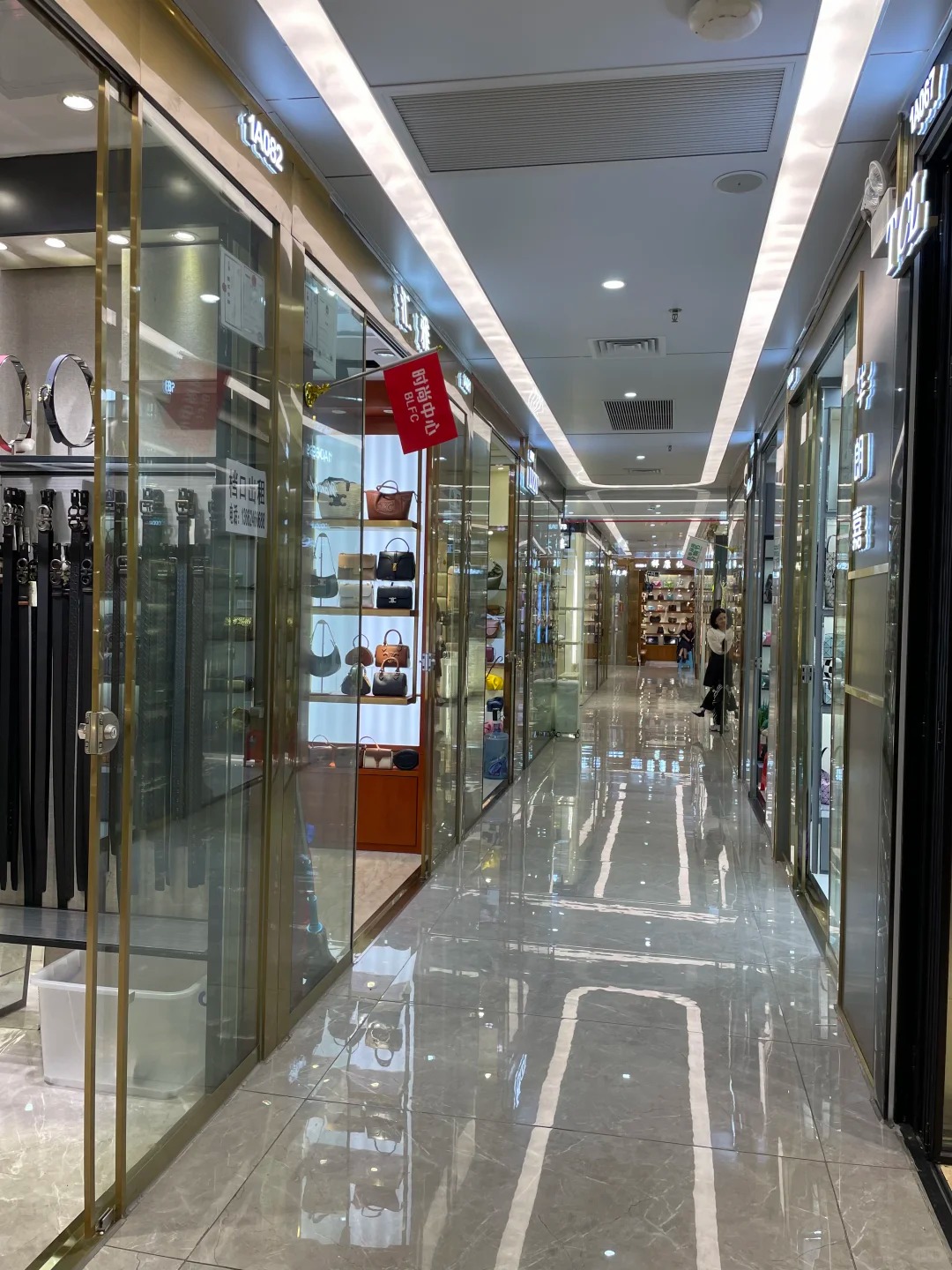
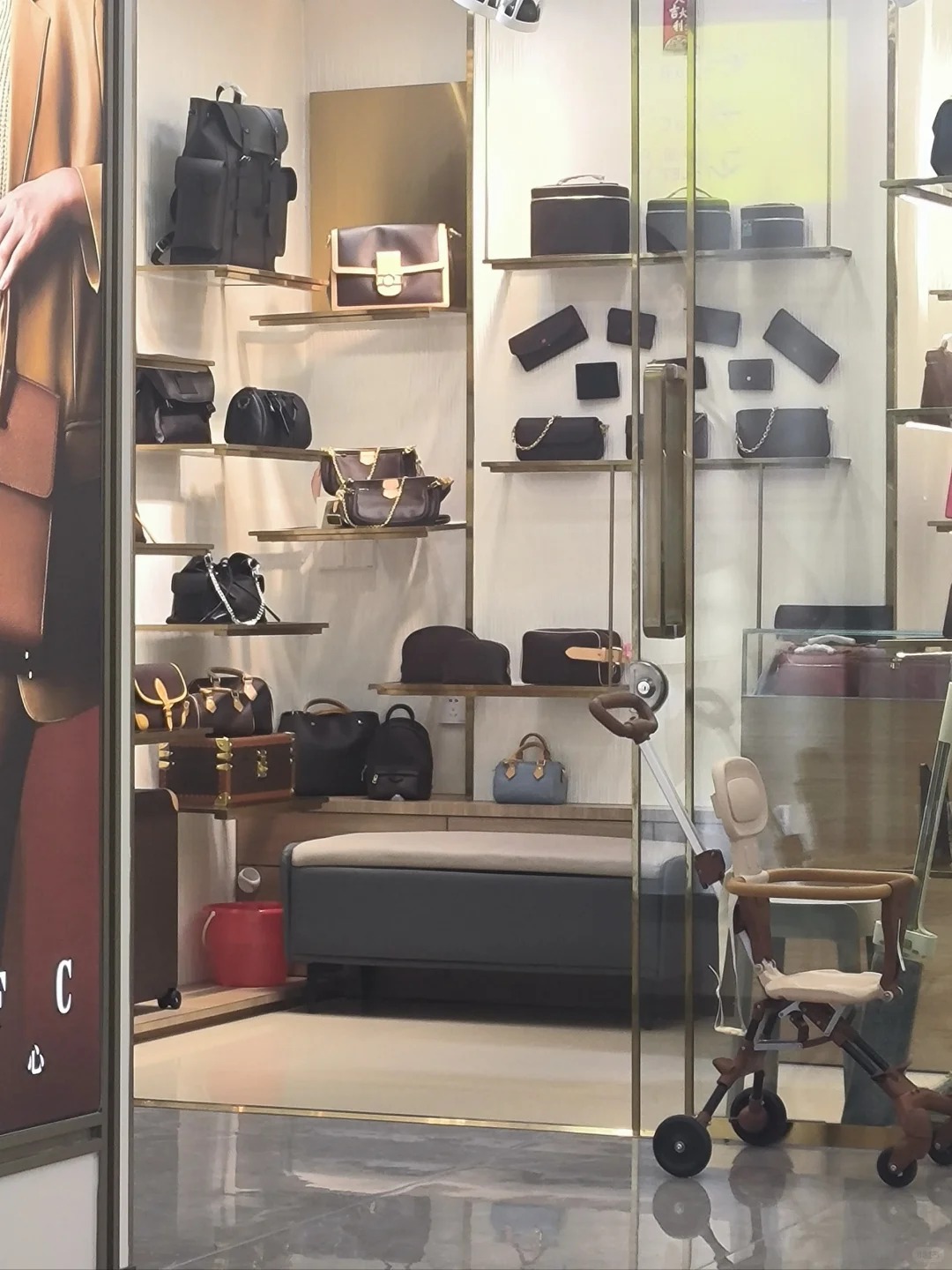
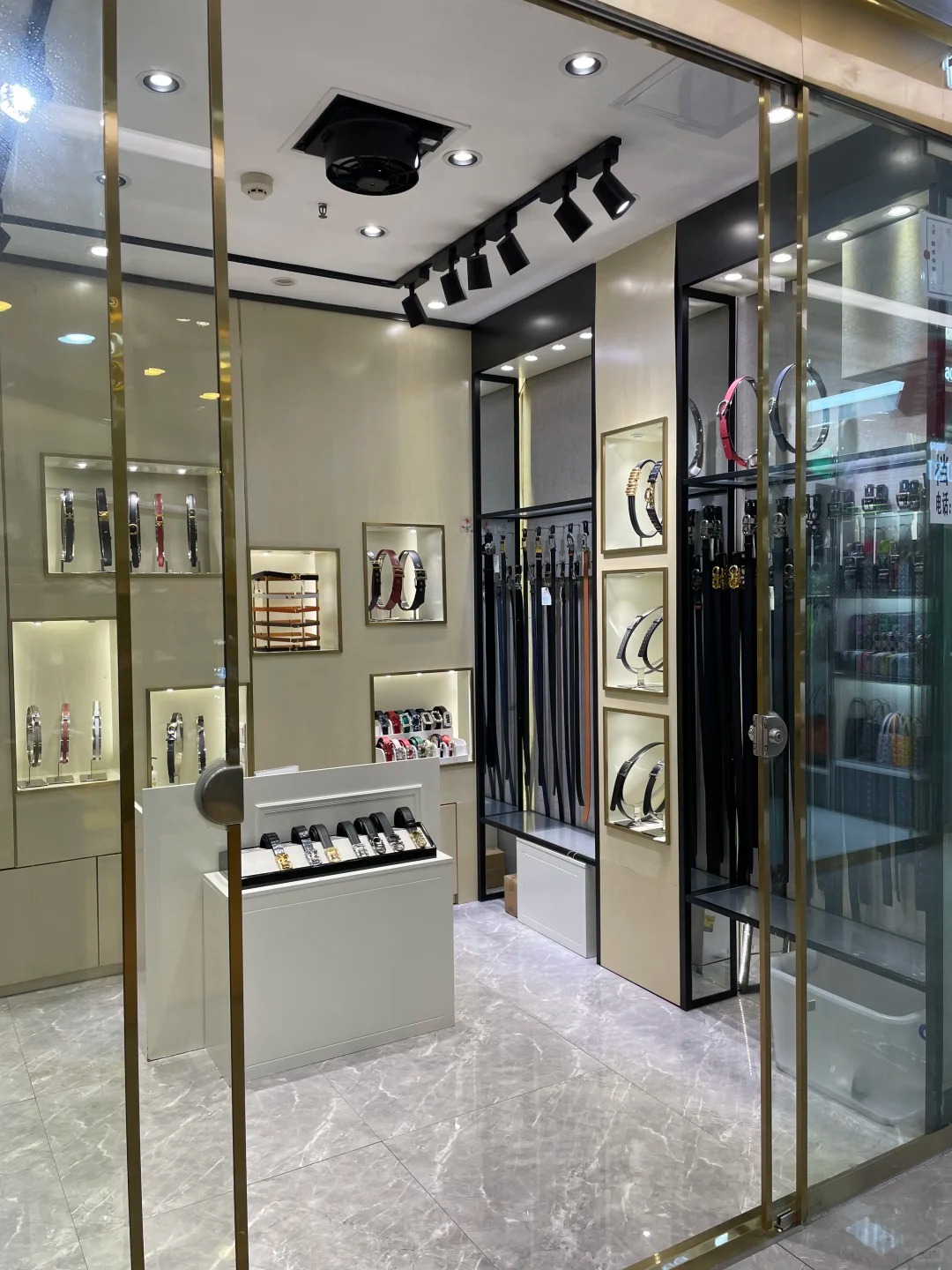
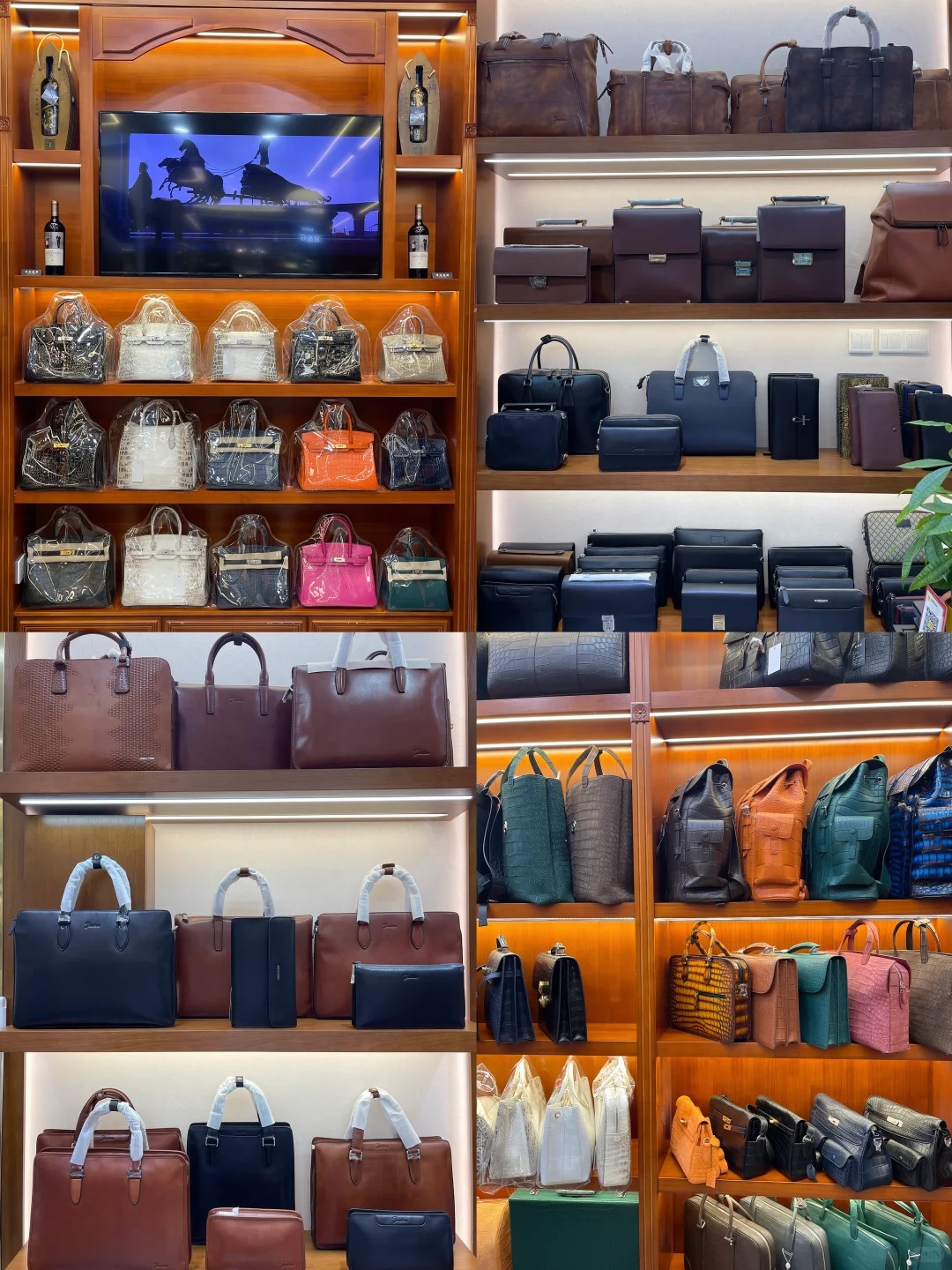
When visiting wholesale market stalls, look for nationally-specific quality seals (e.g., Italian leather marks, Swiss-made certificates). Ask stall owners for provenance documentation and beware of stalls that only offer generic products. A reputable stall will have clear origin info and often showcase product history.
Final Thoughts
While completely avoiding Chinese products is difficult, it’s achievable with diligent sourcing and verification. Focus on alternative markets, use inspection services, and build direct relationships with non-Chinese manufacturers. For a curated list of non-Chinese wholesale stalls, Soudangkou is a good starting point to filter by origin and product type.
广州服装档口相关入口
继续查看相关市场和品类入口,方便对比档口微信、货源范围、拿货方向和试单前需要核实的信息。