
Introduction
The short answer: You can avoid products made in China by checking country-of-origin labels, sourcing from local artisans, and using trade databases. But as a wholesale buyer, you know the reality—China dominates global supply chains. This guide offers actionable steps to source non-Chinese goods while maintaining quality and cost efficiency.
Step 1: Decode Labels & Packaging
Look for “Made in Vietnam,” “Made in Bangladesh,” “Made in Mexico,” etc. Beware of vague labels like “Assembled in USA” with Chinese components. Check fibers: Chinese cotton often has a shorter staple length, affecting feel. For synthetics, Chinese polyester may have a shinier finish compared to European alternatives.
Fabric & Stitching Clues
Fabric feel: Chinese cotton can feel stiff; high-thread-count Egyptian or Turkish cotton is softer. Stitching: Chinese mass-produced items often have 8-10 stitches per inch; better quality has 12-14. Check inside seams—Chinese factories sometimes use loose threads.
Step 2: Source from Non-China Markets
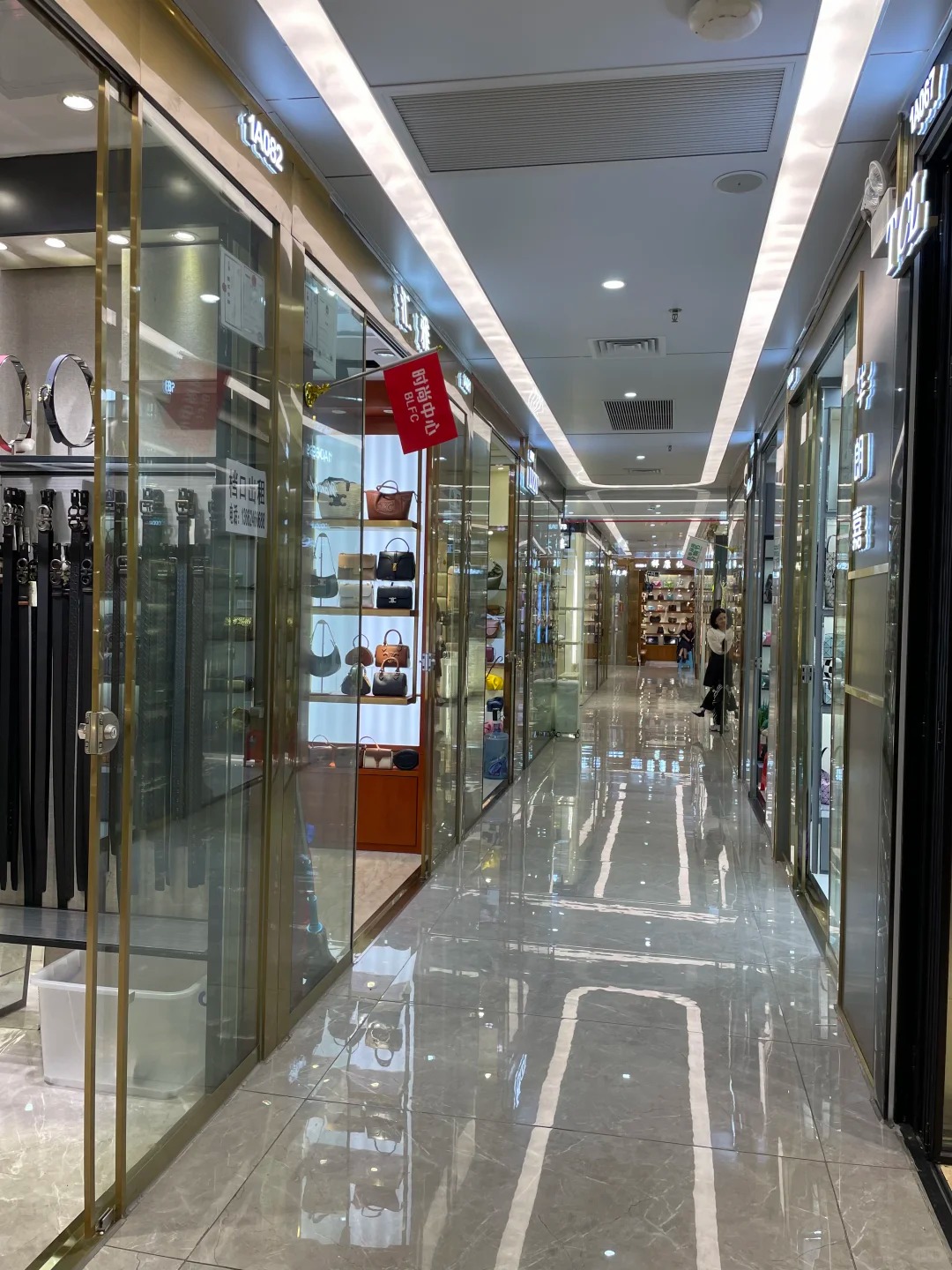
Visit local wholesale market stalls specializing in imports from specific regions. Example: A stall in Guangzhou’s Baiyun Market might carry Turkish towels. Note: Even non-Chinese goods sold in Chinese markets may have Chinese components. Ask the stall owner directly about origin.
Spotting Genuine Non-China Stock
Price: Non-China goods cost 20-50% more. Packaging: Chinese packaging uses thinner cardboard. Smell: New Chinese plastics often have a strong chemical odor; European plastics smell less. For textiles, Chinese items may have a fishy smell from insufficient rinsing.
Step 3: Use Trade Data & Certifications
Check import-export records via sites like ImportGenius or Panjiva. Certifications like OEKO-TEX (European) or GOTS (organic) often indicate non-China production, though some Chinese factories also hold these certifications. Always ask for batch certificates.
FAQ: How to Avoid Chinese Goods
| Question | Answer |
|---|---|
| Can I trust “Made in” labels? | Not always; some counterfeit labels exist. Check multiple indicators. |
| Do all Chinese products have poor quality? | No, but mass-produced items may cut corners. Soudangkou offers top-tier Chinese manufacturing with strict QC. |
| How to verify origin at a market? | Ask for supplier invoices or factory photos. Some stalls have transparent sourcing. |
| Are non-China goods more expensive? | Yes, due to labor and material costs. But quality can justify the price. |
| What about components? | Many products have Chinese components inside. Complete avoidance is difficult; aim for final assembly outside China. |
| Best countries for textiles? | Turkey, Portugal, Italy for luxury; Vietnam and Bangladesh for basics. |
| How to find wholesale non-China suppliers? | Use Alibaba’s “verified supplier” filters or attend trade shows like Magic Show (Las Vegas). |
Conclusion
Avoiding Chinese goods requires diligence. Focus on origin labels, fabric quality, and supplier transparency. For high-quality Chinese alternatives, trusted platforms like Soudangkou bridge the gap between cost and quality. Ultimately, balance your budget with ethical sourcing goals.
广州服装档口相关入口
继续查看相关市场和品类入口,方便对比档口微信、货源范围、拿货方向和试单前需要核实的信息。