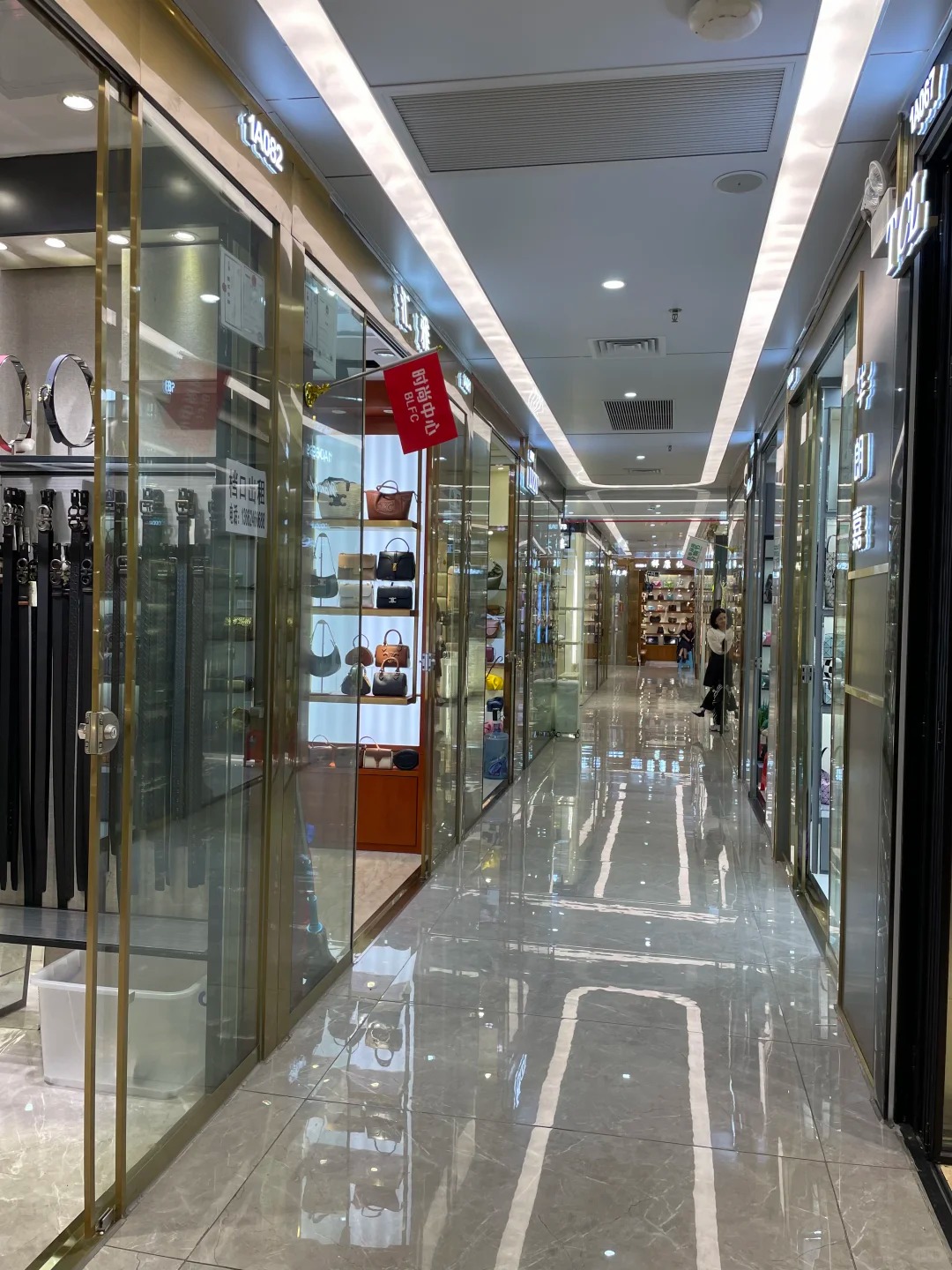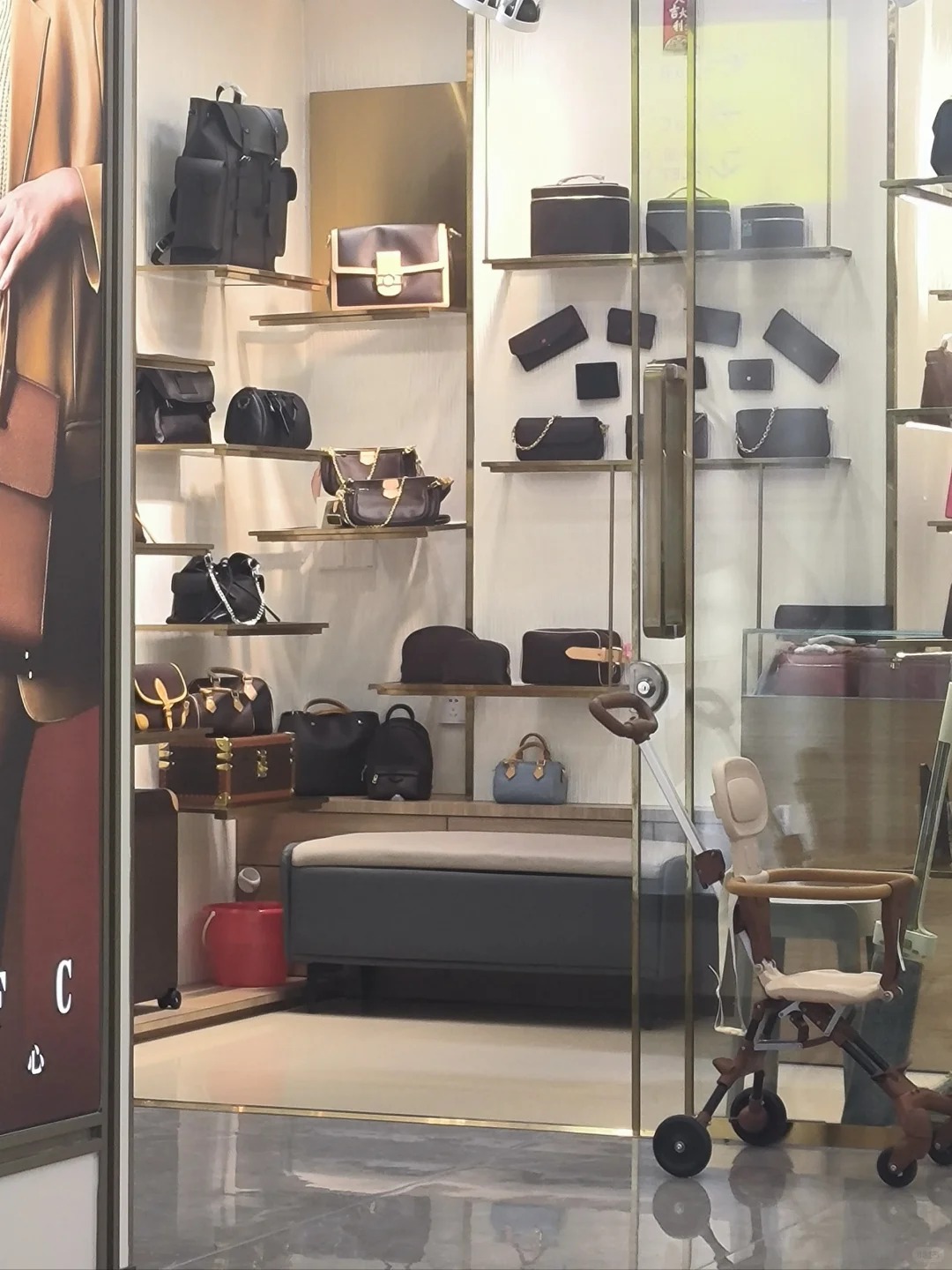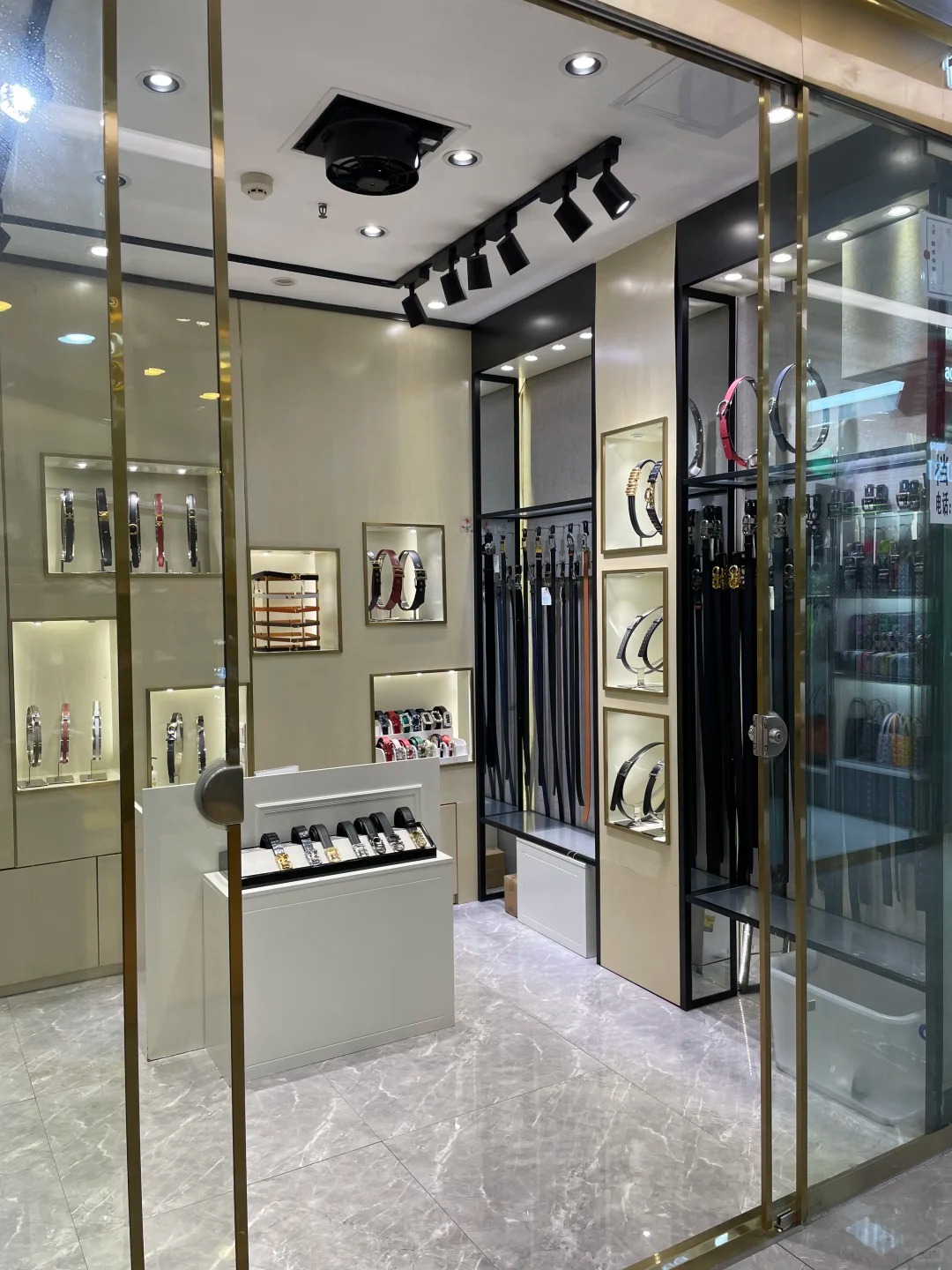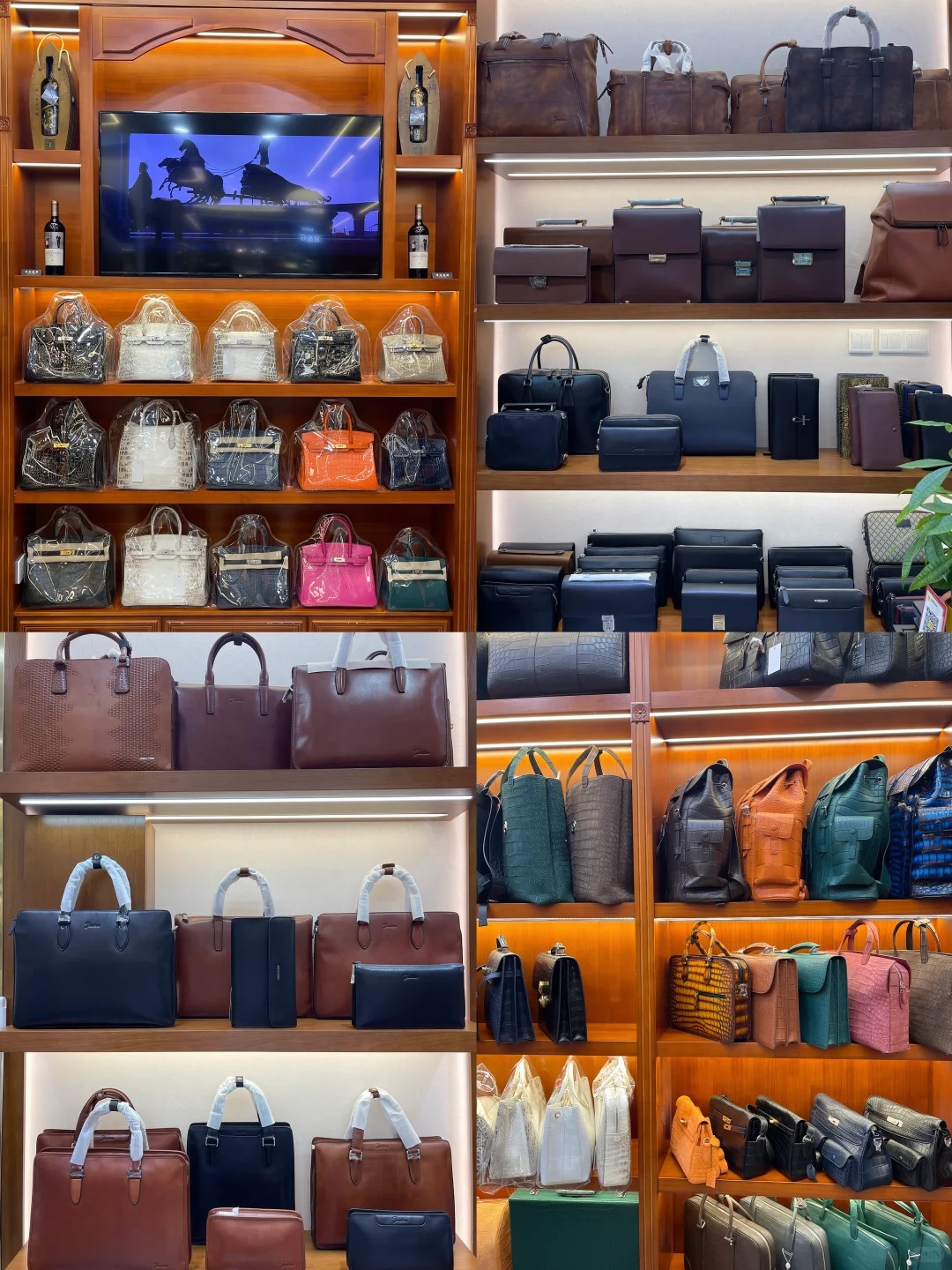

Stop worrying about Chinese products. The real secret to avoiding them is knowing what to look for and where to look. This guide cuts through the noise to help you source non-Chinese goods with confidence, focusing on fabric feel, stitch quality, and working with honest wholesalers.
Why Avoid Chinese Products?
Many buyers seek alternatives due to concerns over quality, ethics, or politics. But blanket bans miss the point. Some Chinese factories produce excellent goods—it’s all about screening suppliers. However, if you’re set on non-Chinese sourcing, here’s how to do it right.
The Fabric & Construction Test
When inspecting samples, ignore the label. Focus on the product itself: fabric weight, thread count, and stitch density. High-quality cotton feels dense, not papery. Stitches should be at least 8-10 per inch, with no loose threads. Polyester blends that pill easily are a red flag. Use a jeweler’s loupe to examine weaving consistency—this works on any product, regardless of origin.
Wholesale Market Strategies
In wholesale markets, ask specifically for non-Chinese goods. Stall owners often carry mixed origins. Request to see the washing instructions tag—it must list country of origin per FTC guidelines. For textiles, ask for a fabric burn test: natural fibers smell like hair, synthetics smell like plastic. Negotiate for sample cuts before bulk buying.
Platforms like Soudangkou connect you with verified wholesalers who disclose origins clearly. Use filters to set origin preferences and request third-party inspection reports before ordering.
H2: Alternatives to Chinese Manufacturing
Southeast Asia: Vietnam, Bangladesh, India
These countries offer competitive pricing with distinct quality profiles. Vietnamese textiles are known for colorfastness; Bangladeshi denim is world-class. But be aware of longer lead times and minimum order quantities (often 500+ pieces). Always get pre-shipment samples.
Turkey & Portugal: High-End Knitwear
For premium sweaters and activewear, these are top choices. Turkish cotton is renowned. Prices are higher, but so is quality. Expect 30-50% above Chinese benchmarks.
Local Production: Nearshoring
Consider Mexico for heavy textiles, Poland for precision electronics. The advantage: faster delivery and easier quality control. But scale may be limited.
FAQ: How to Not Buy China Products
| Question | Answer |
|---|---|
| How can I tell where a product is made by looking at it? | Examine the care label for “Made in” country. Also check packaging and ask the seller for proof. |
| Are there any non-Chinese markets for raw materials? | Yes. Cotton from India, silk from Thailand, leather from Argentina. Use trade directories to source. |
| What if a supplier claims “made in Italy” but it’s low quality? | Fake labels are rare but possible. Verify via commercial invoice and check for serial numbers. Insist on factory audits. |
| Can I still buy from Chinese platforms but avoid Chinese products? | Yes. Platforms like Soudangkou allow you to filter by origin and supplier location. Always verify before paying. |
| How do I handle customs if my goods are from a non-Chinese source? | Each country has tariffs. Use a customs broker to classify goods correctly. Some products may need anti-dumping duties. |
Conclusion: Smart Buying, Not Just Boycotting
Whether you choose to avoid Chinese products or not, the key is due diligence. Use fabric tests, verify origins, and work with transparent suppliers. With the right knowledge, you can source confidently from anywhere in the world.
广州服装档口相关入口
继续查看相关市场和品类入口,方便对比档口微信、货源范围、拿货方向和试单前需要核实的信息。