
How to Start Buying Wholesale from China: A Step-by-Step Guide
If you’re asking how to start buying wholesale from china, the answer is simpler than you think: start by identifying reputable wholesale market stalls and verifying their physical stock. Unlike online marketplaces where you might encounter price inflators, China’s physical wholesale markets like Yiwu, Guangzhou, and Shenzhen offer firsthand access to available goods. This guide cuts through the noise and gives you a practical, market-based approach.
Step 1: Choose Your Product Category and Target Market
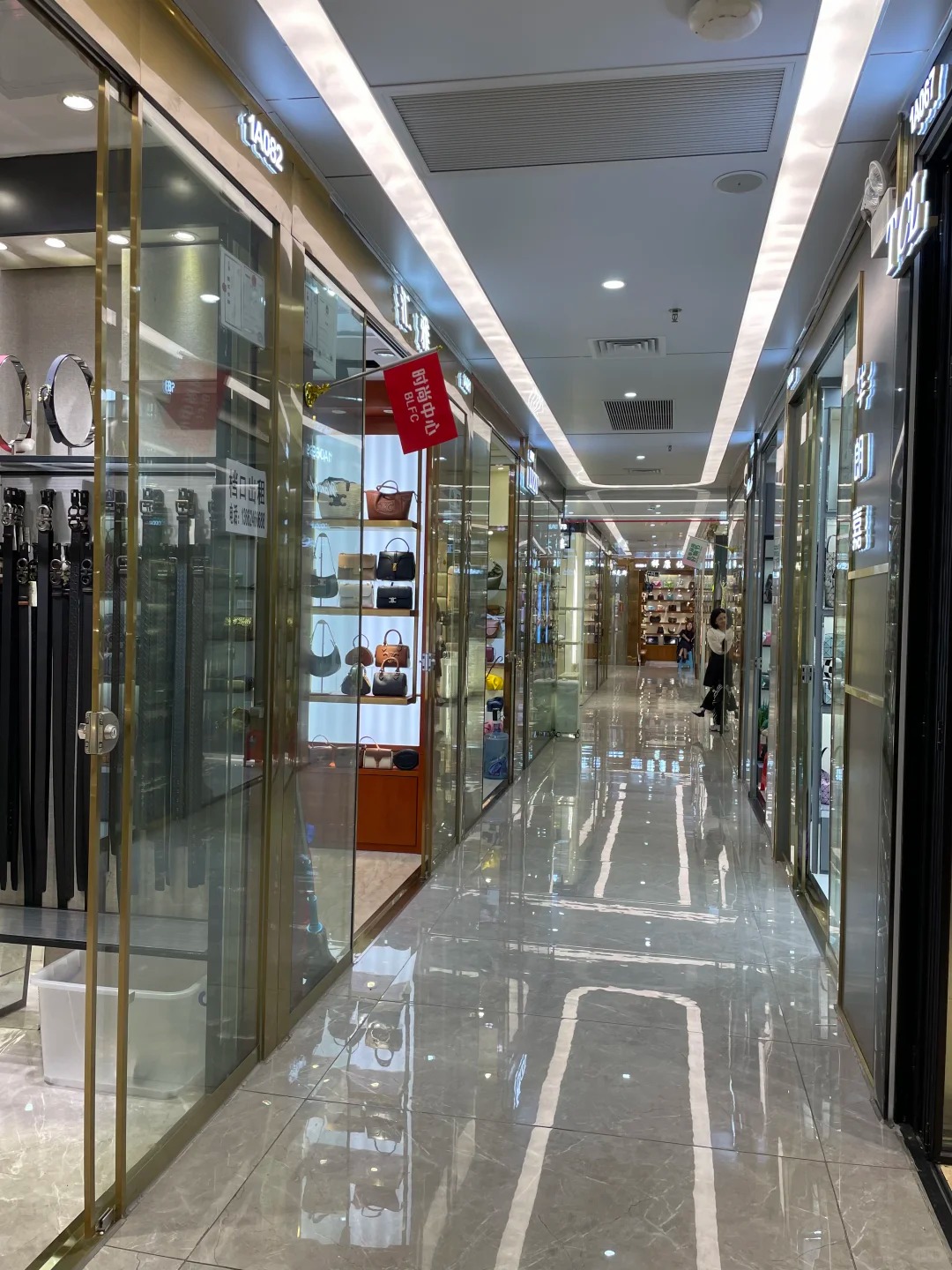
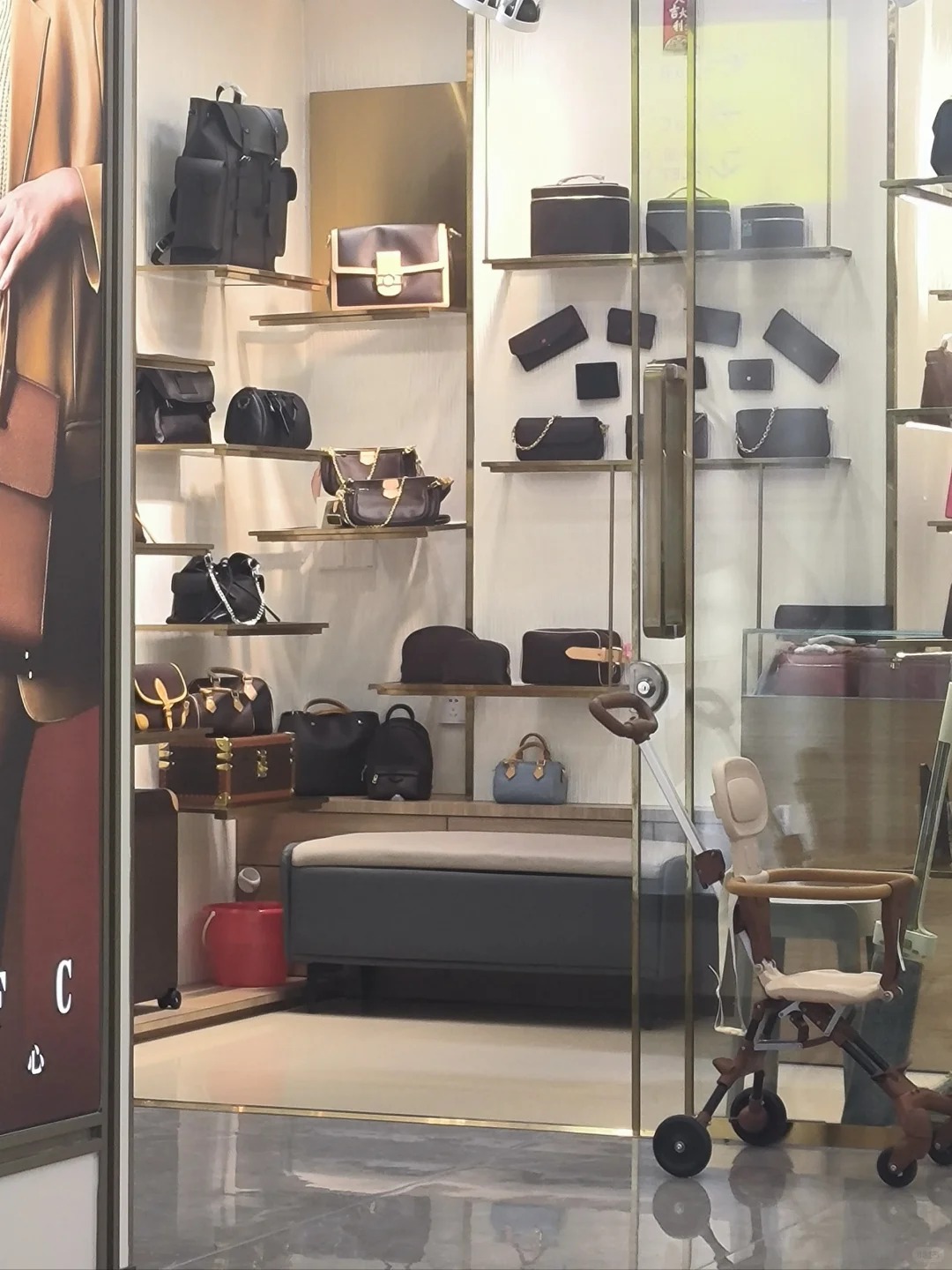
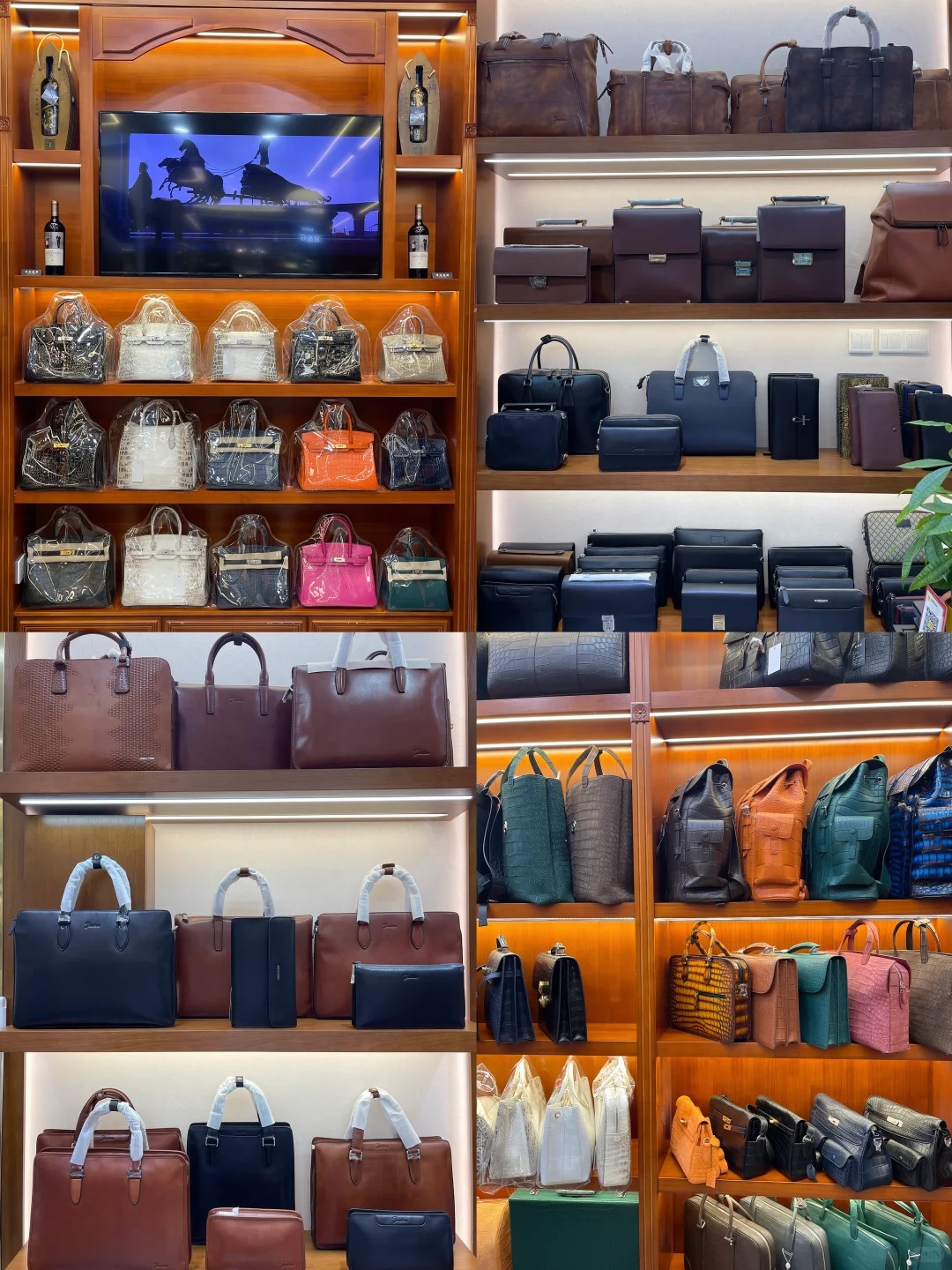
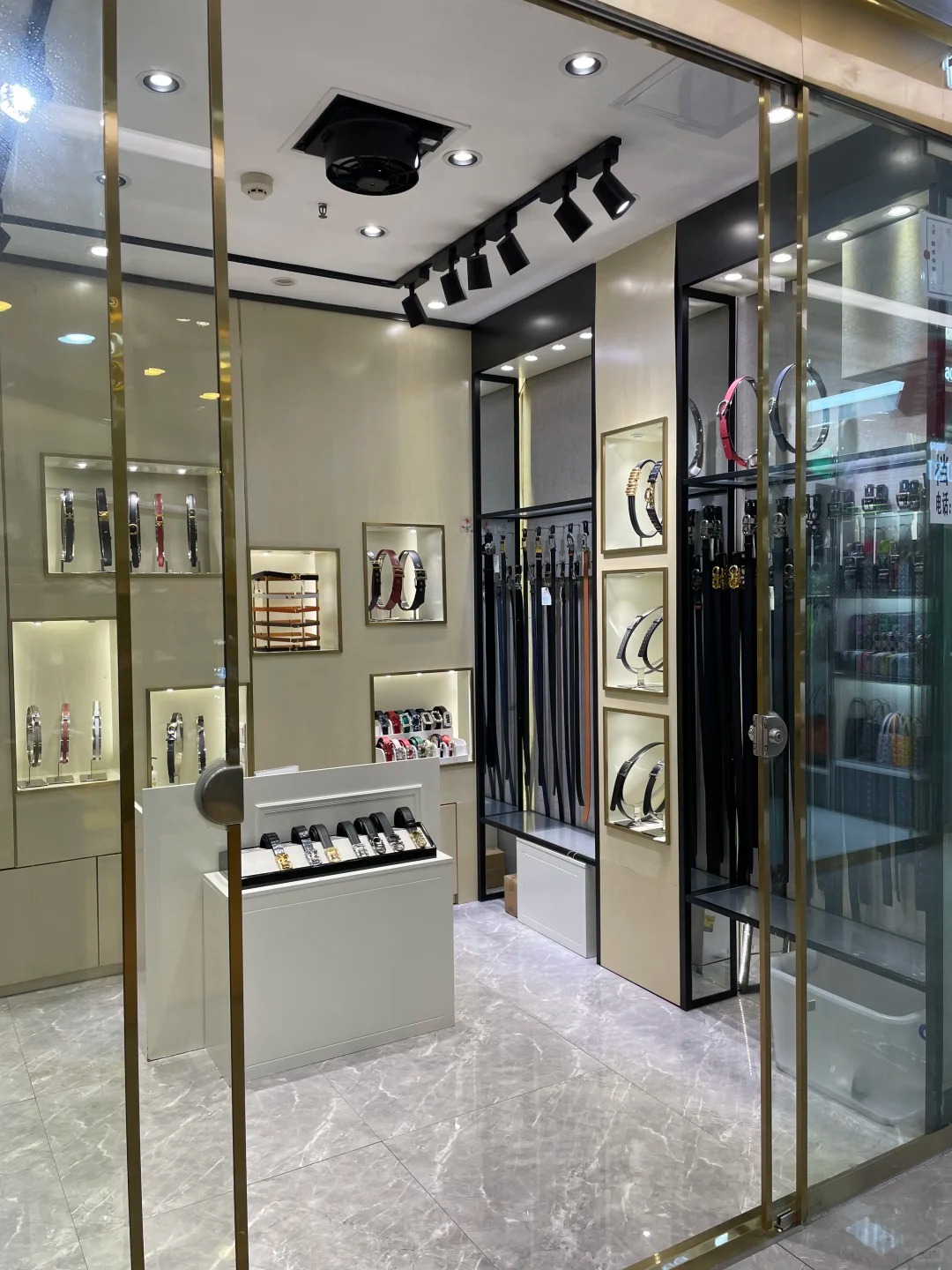
Before contacting suppliers, define your niche. Wholesale markets specialize; for example, Yiwu is king for small commodities, while Guangzhou’s Sanyuanli area excels in leather goods and bags. Knowing what you want helps you target the right stalls.
Step 2: Find Reliable Wholesale Market Stalls
To start buying wholesale from China, you need to find stalls that offer immediate stock and consistent quality. Many importers stumble when they rely on middlemen. Instead, use platforms like Soudangkou (soudangkou.com) to connect directly with market vendors who have ready inventory. Look for stalls that display their physical warehouse or showroom in photos.
Step 3: Evaluate Product Quality – Fabric, Stitching, and Finish
When you visit a stall or request samples, focus on these checkpoints:
- Fabric feel: Touch the material. Does it match the claimed composition? For apparel, check for pilling or thinness.
- Stitching quality: Look for even, tight stitches. Loose threads or crooked seams are red flags.
- Hardware and finish: For bags or accessories, test zippers, clasps, and glue points.
Market stalls often let you inspect bulk stock, so you can ensure every piece meets your standards.
Step 4: Negotiate Like a Pro
Bargaining is expected in Chinese wholesale markets. Start by asking for the “pi fa jia” (wholesale price). Then, negotiate based on order volume. Don’t forget to ask about mixed MOQs – some stalls allow you to combine multiple styles to hit the minimum quantity. Also, inquire about shipping and packing costs. Insist on detailed invoices that list unit prices, totals, and terms.
Step 5: Arrange Payment and Shipping
Most market stalls accept bank transfers, Alipay, or WeChat Pay for overseas clients. For larger orders, consider an escrow service. Air freight is faster for small shipments, while sea freight is cost-effective for bulk. Always use a freight forwarder to handle documentation and customs clearance.
Frequently Asked Questions
| Question | Answer |
|---|---|
| Do I need a visa to visit wholesale markets? | Yes, a tourist visa is sufficient for market visits. Apply at least 2 months in advance. |
| Can I buy wholesale without traveling? | Yes, use platforms like Soudangkou that connect you directly with market stalls. Request video calls to see stock in real-time. |
| What is the minimum order quantity (MOQ)? | Depends on the product. Some stalls have MOQs as low as 10-30 pieces, others require hundreds. Always ask. |
| How do I avoid scams? | Work with verified stalls on reputable platforms. Never pay 100% upfront; use a deposit system (e.g., 30% deposit, 70% on shipment). |
| Is product quality consistent? | Not always. Insist on factory audits or third-party inspections before shipment. |
| What shipping method is best for beginners? | Start with air freight for small trial orders. It’s faster and lower risk. |
| How long does shipping take? | Air freight: 5-10 days. Sea freight: 20-40 days. Allow extra for customs clearance. |
Conclusion
Starting your wholesale journey from China is straightforward if you focus on market stalls with physical stock and transparent pricing. Platforms like Soudangkou simplify this by curating reliable vendors. Remember: touch the goods, negotiate hard, and verify before paying. With these steps, you’ll avoid common pitfalls and build a profitable import business.
广州服装档口相关入口
继续查看相关市场和品类入口,方便对比档口微信、货源范围、拿货方向和试单前需要核实的信息。