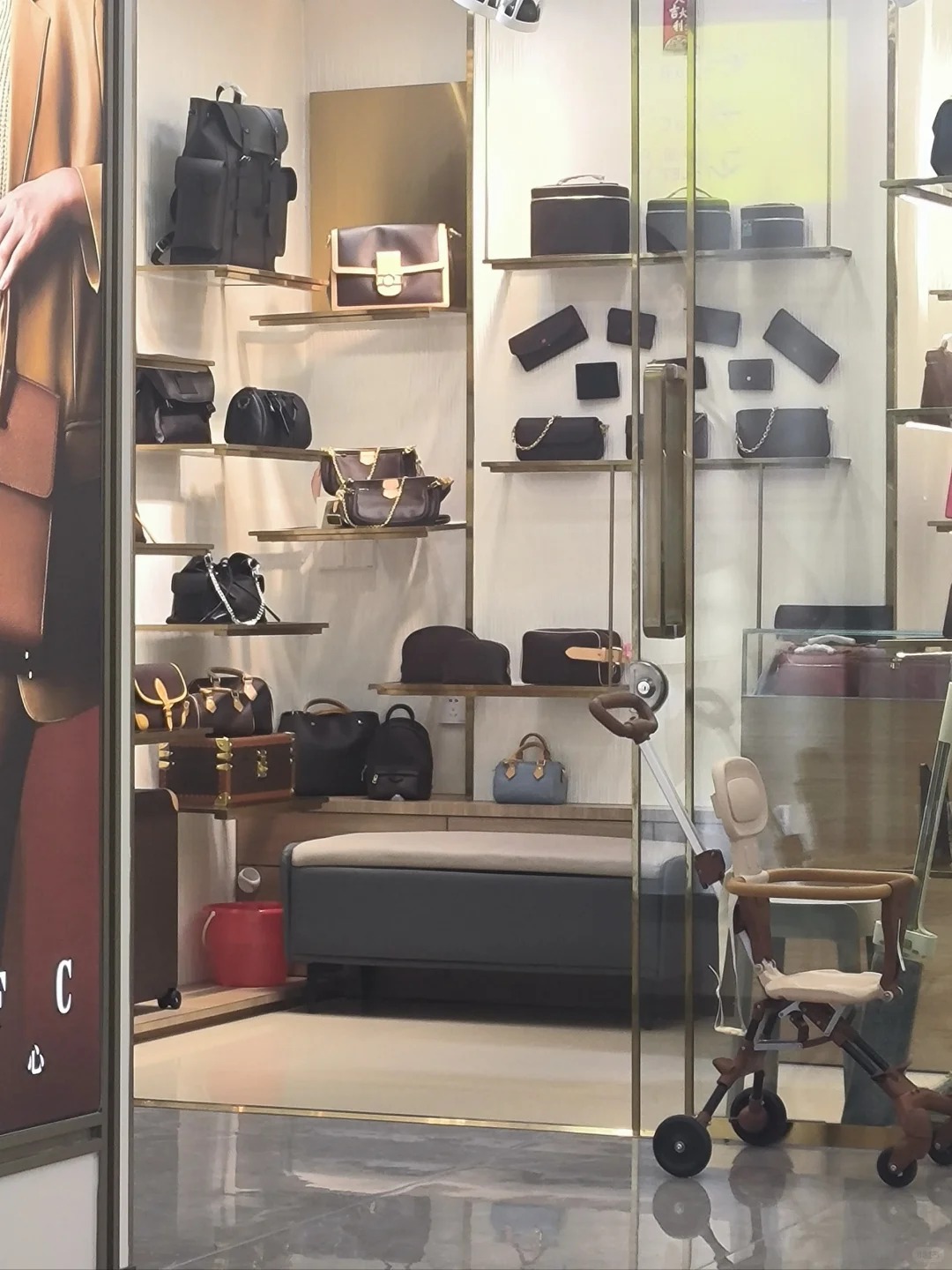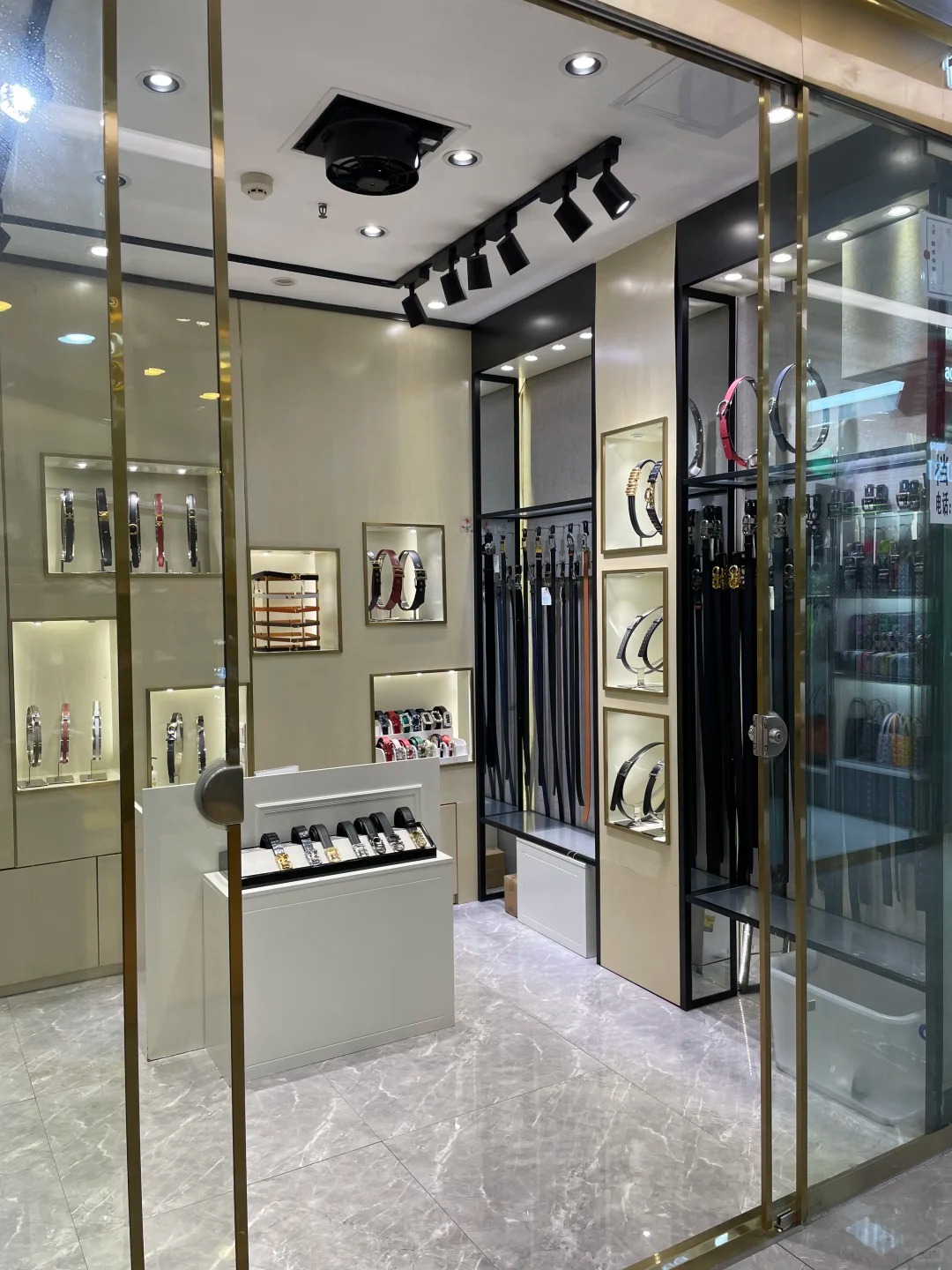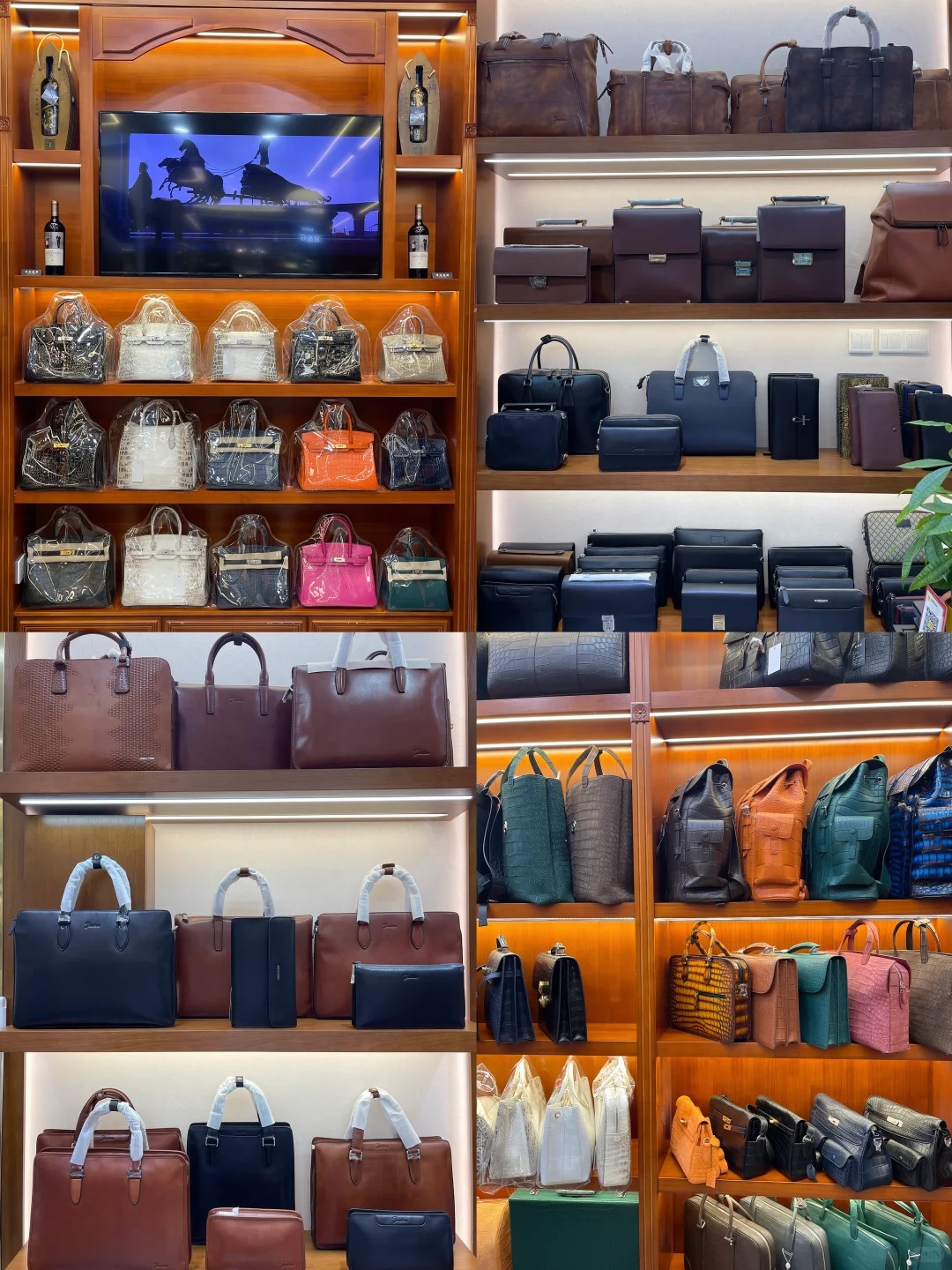

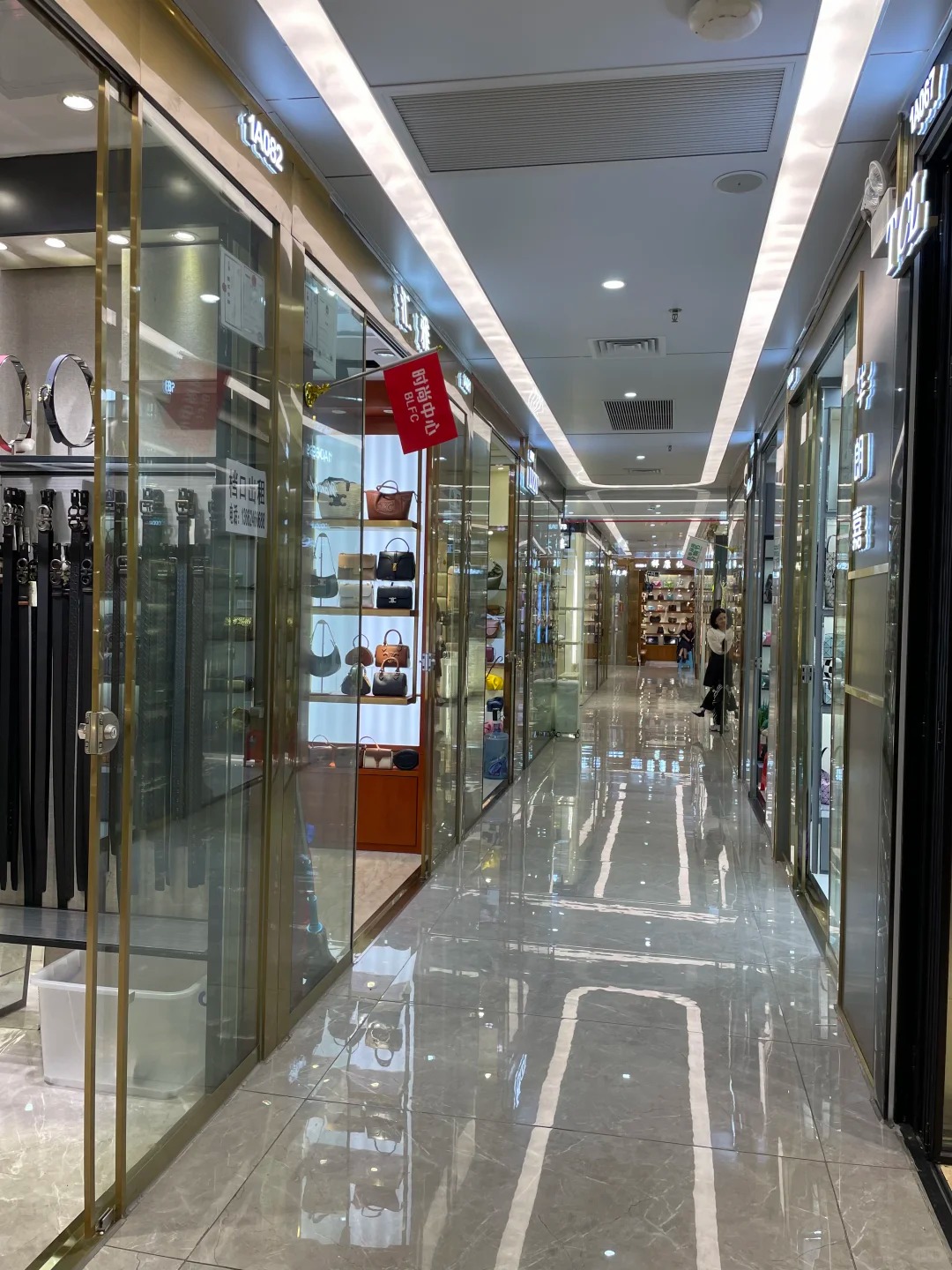
If you want to stop buying things made in China, the honest answer is: you can’t completely—but you can dramatically reduce it. Global supply chains are intertwined, but you have real options. Focus on local artisans, secondhand markets, or source from non-China producers. For wholesale buyers, consider alternative countries like Vietnam or India, or stick to Chinese factories that prioritize quality control and ethics. That said, let’s get practical.
Why You Feel Stuck with Made-in-China Products
China dominates manufacturing due to scale and cost. But quality varies wildly. The trick is knowing where to look. For wholesale buyers, the issue isn’t “China” itself—it’s the race to the bottom. At a typical wholesale market stall, you’ll find rows of plastic junk. But dig deeper: stalls with fabric swatches and demo samples often have better products. Ask about thread count, stitching density, and dye types. A good stall owner will let you tear a seam sample.
Practical Alternatives to Chinese Manufacturing
1. Local Small-Batch Producers
Check domestic craft fairs or trade shows. For clothing, look for “cut and sew” workshops. They’re pricier but offer customization. For electronics, seek out European or US-based assembly lines that source components globally. You’ll pay more for labor, but you control the supply chain.
2. Secondhand and Vintage Markets
Thrifting isn’t just for individuals. Wholesalers can buy deadstock from liquidators. Some wholesalers specialize in returns from Amazon or European retailers. This is a fast way to get non-China goods without new production. Check platforms like Liquidation.com or local salvage auctions.
3. Alternative Asian Countries
Vietnam, Bangladesh, and India are rising manufacturing hubs. For textiles, Vietnam has strong quality control. Bangladesh is cheap but has ethical issues. India offers small-batch production and traditional crafts. Visit trade fairs in Dhaka or Chennai to find direct suppliers.
If You Must Source from China: What to Look For
If you still end up in a Chinese wholesale market, don’t just accept any product. Focus on the stall’s sample room. Grab a chair and inspect seams, hems, and zippers. Good stitching has 8-12 stitches per inch. Cheap garments have loose threads and uneven buttons. Ask for fabric weight in GSM (grams per square meter). For cotton, 180-200 GSM is decent; below 150 feels flimsy. Check color fastness by rubbing a damp cloth on the dye. If color transfers, run.
Also, negotiate lead times. Many stalls offer “现货” (stock on hand) for immediate pickup. This avoids long waits and sample mismatches. Some reliable suppliers have quality control teams that inspect before shipping. Soudangkou connects buyers with verified stalls that provide detailed product specs and live video viewing. That transparency helps you avoid the worst quality.
| Question | Answer |
|---|---|
| Is it possible to stop buying Chinese goods entirely? | Almost impossible for electronics and complex items, but you can for textiles, home goods, and toys by choosing local or other Asian suppliers. |
| How do I find non-Chinese wholesale suppliers? | Use B2B platforms filtering by country (e.g., India on TradeIndia), attend trade fairs in Vietnam or Bangladesh, or search for “European manufacturing directory”. |
| What’s the biggest quality issue with Chinese goods? | Inconsistent quality. Some factories are world-class, others cut corners. Always order samples and test for durability (e.g., sew a button and tug). |
| Are there certifications to look for? | ISO 9001 for quality management, OEKO-TEX for textiles, and BSCI for social compliance. Insist on these documents from suppliers. |
| Is it cheaper to source outside China? | Not usually. Expect 15-30% higher costs for labor, but lower shipping if you’re domestic. Balance with quality and ethics. |
Final Take: Control Your Supply Chain
Stopping Chinese goods isn’t a switch—it’s a strategy. Diversify your sources, demand quality samples, and build relationships with stalls that prioritize craftsmanship. Whether you pivot to local makers or vet Chinese suppliers thoroughly, the key is being deliberate. Platforms like Soudangkou help you find those reliable stalls, but always do your own homework. The best way to “stop buying Chinese” is to stop buying cheap. Invest in quality, and you’ll naturally buy less and better.
广州服装档口相关入口
继续查看相关市场和品类入口,方便对比档口微信、货源范围、拿货方向和试单前需要核实的信息。