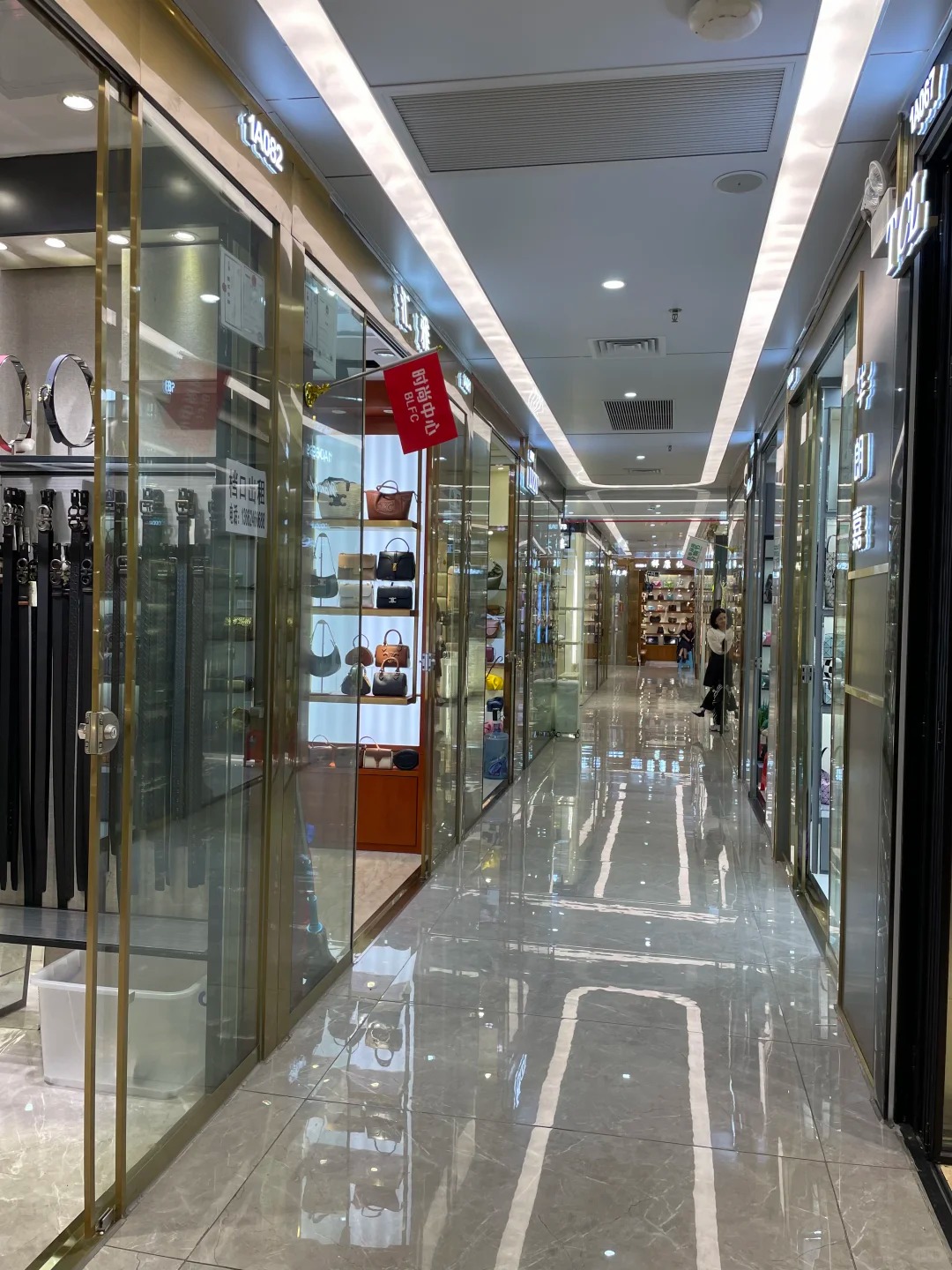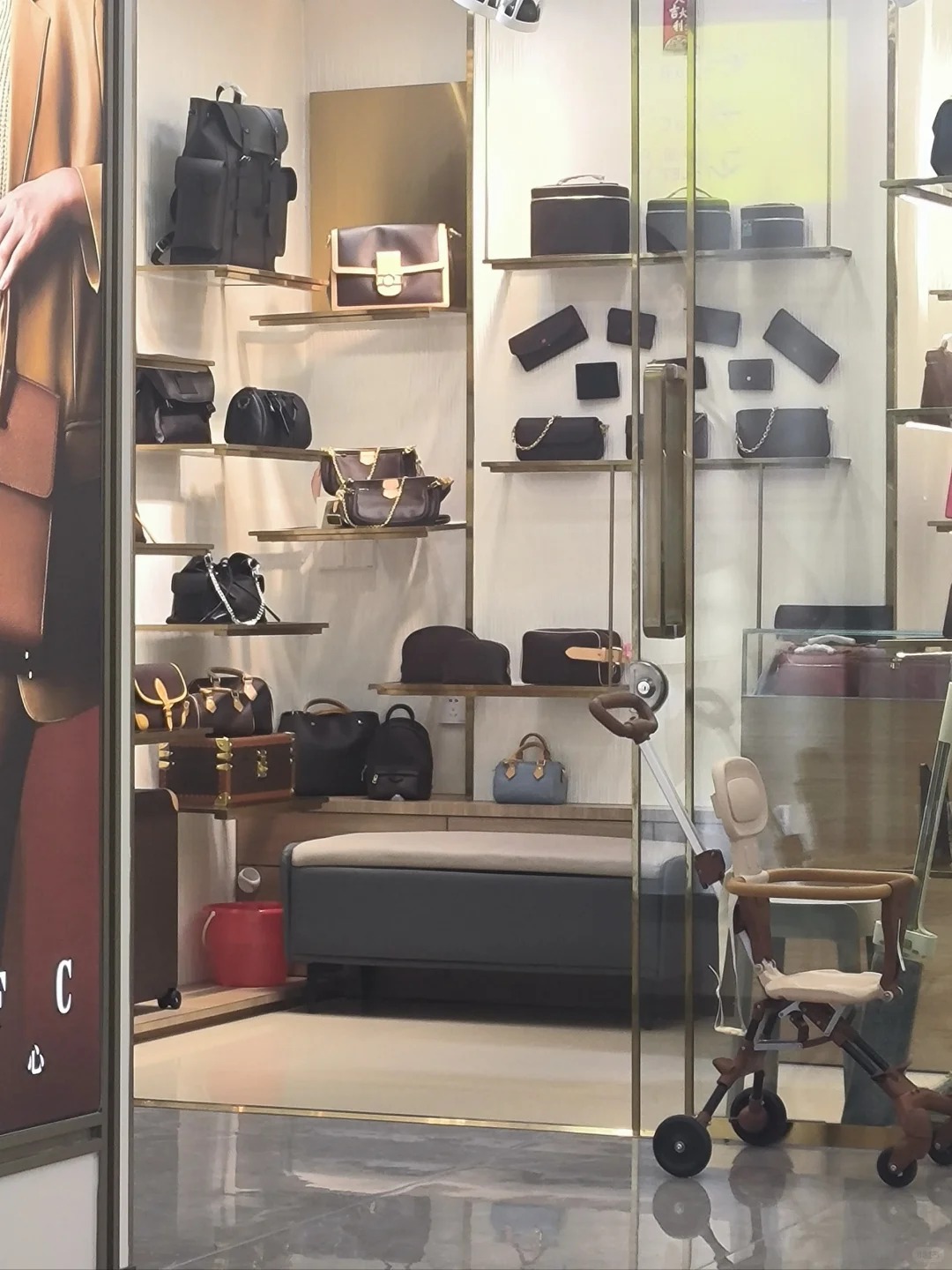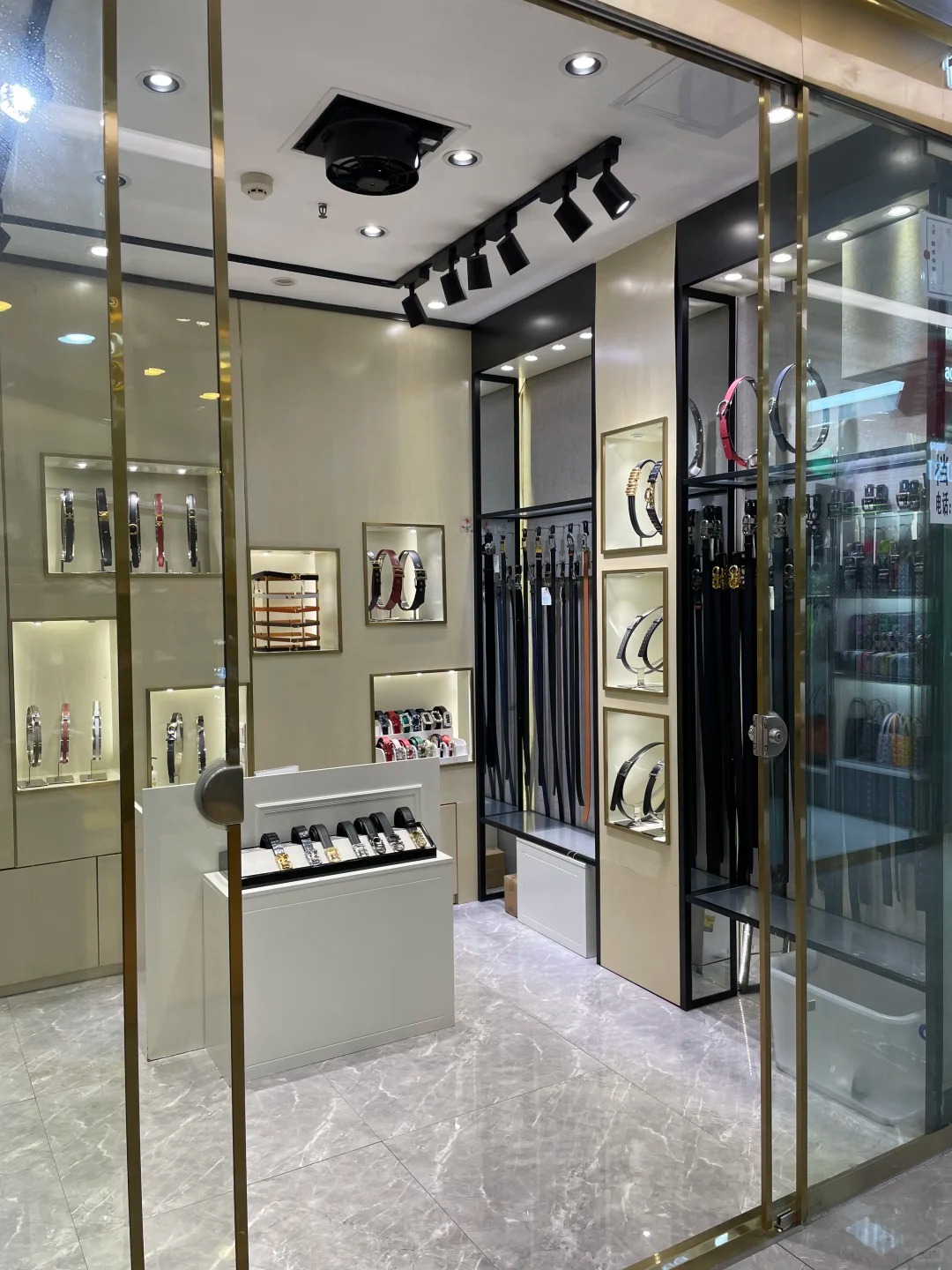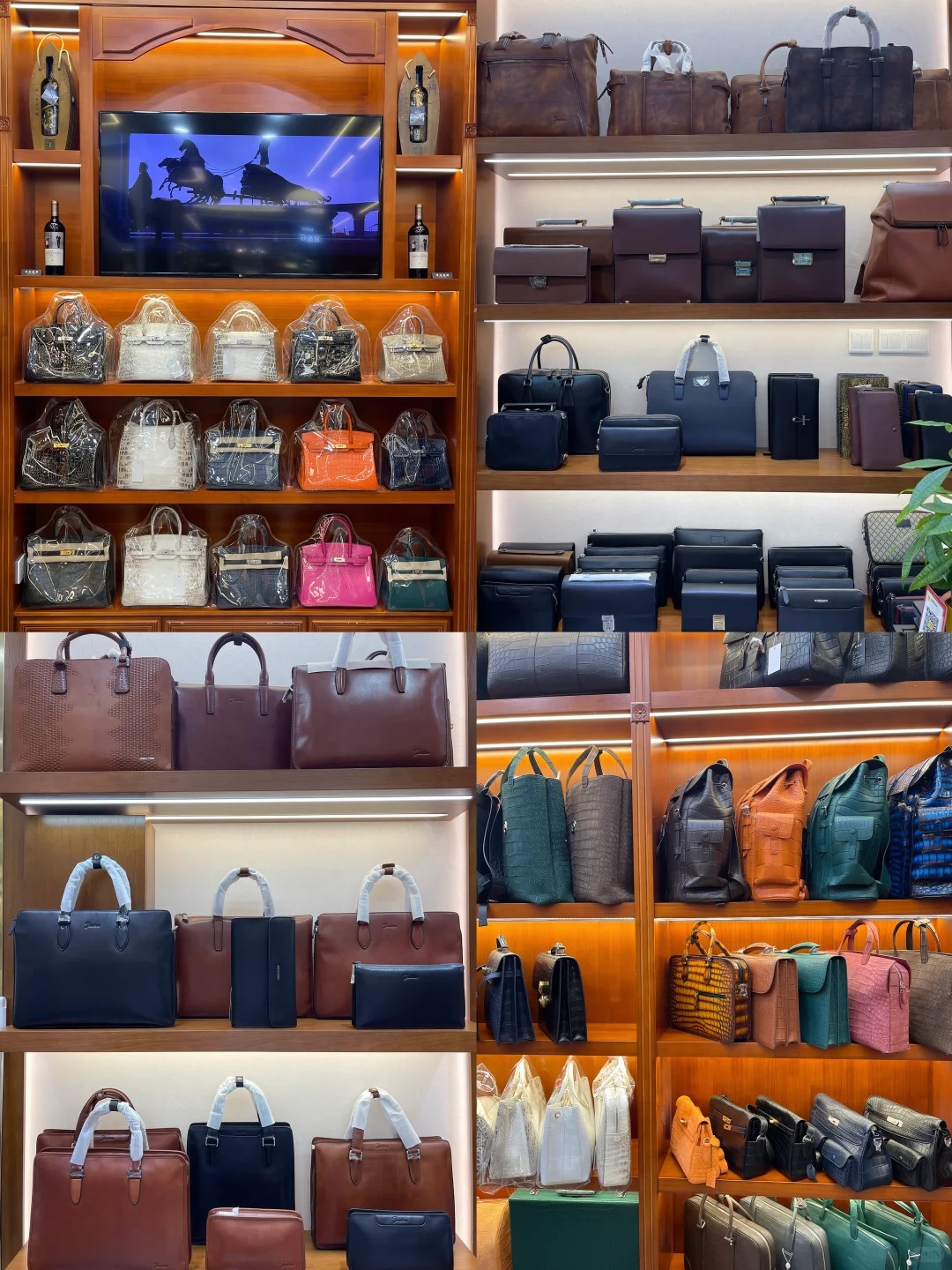

If you’re determined to stop buying stuff made in China, the short answer is: source from alternative manufacturing hubs like Vietnam, India, or Mexico, or buy local artisan goods. But if you’re a wholesaler or retailer, completely cutting off China may hurt your margins and quality. Instead, learn to navigate Chinese wholesale markets like a pro to get superior products—without the junk.
Why Most “Made in China” Products Are Cheap Junk
The problem isn’t China—it’s buyers who prioritize the lowest price. Factories cut corners on materials and labor to meet rock-bottom costs. The fix? Stop buying from discounters and go directly to wholesale market stalls. At places like Yiwu or the Canton Fair, you can physically inspect fabric feel, stitching, and hardware. One tip: demand heavier weight fabrics or thicker gauge metals. The stall owner will immediately know you’re a serious buyer, not a bargain hunter.
How to Source Quality from China Without the Junk
Step 1: Go to the Market, Not Online
Online platforms are flooded with low-grade goods. If you can’t travel, use a sourcing agent who visits the markets for you. For example, Soudangkou’s network of local experts can handpick stalls with solid construction and good materials.
Step 2: Test the Stitch Work
A common mistake is ignoring construction. In a wholesale market, pick up a garment and look at the seams—double stitching is a must. Pull the fabric; if it stretches out of shape, walk away. The best stalls will let you cut a thread or even tear a sample. If they refuse, that’s a red flag.
Step 3: Demand Raw Material Specs
Ask for the exact cotton count, thread density, or steel grade. Factory owners respect spec talk. If they mumble, move to the next stall. Quality materials often cost only 10-20% more, but last three times as long.
The Truth: You Can’t Avoid China Completely
Despite trade wars and tariffs, Chinese manufacturing still dominates for volume and speed. Even niche artisan shops often rely on Chinese components. Instead of boycotting, become a savvier buyer. Platforms like Soudangkou offer verified suppliers that prioritize quality over price. The key is to reject the race to the bottom and pay extra for durability.
Frequently Asked Questions
| Question | Answer |
|———-|——–|
| How can I verify the quality of Chinese goods? | Visit wholesale markets or hire a sourcing agent. Check fabric weight, stitching, and hardware. |
| Are there alternatives to Chinese manufacturing? | Yes, Vietnam, India, Bangladesh, and Mexico offer competitive quality for certain products. |
| Why is it so hard to stop buying China-made? | China has unmatched infrastructure, speed, and scale. Many global brands still source from China. |
| Can I get good quality without minimum order quantities? | Some wholesale stalls (like at Yiwu) offer small MOQs if you accept a slight price increase. |
| What’s the biggest red flag in a Chinese supplier? | Vague answers about materials or unwillingness to provide samples. |
Final Verdict: Boycott the Junk, Not China
If you truly want to stop buying cheap China-made stuff, your real enemy is cheap production, not a country. By learning to identify quality construction and dealing directly with wholesale stall owners, you can source excellent products that compete with any made-in-Europe label. Don’t quit China—upgrade your approach. And if you need a partner, Soudangkou bridges the gap between you and the best factory stalls.
广州服装档口相关入口
继续查看相关市场和品类入口,方便对比档口微信、货源范围、拿货方向和试单前需要核实的信息。