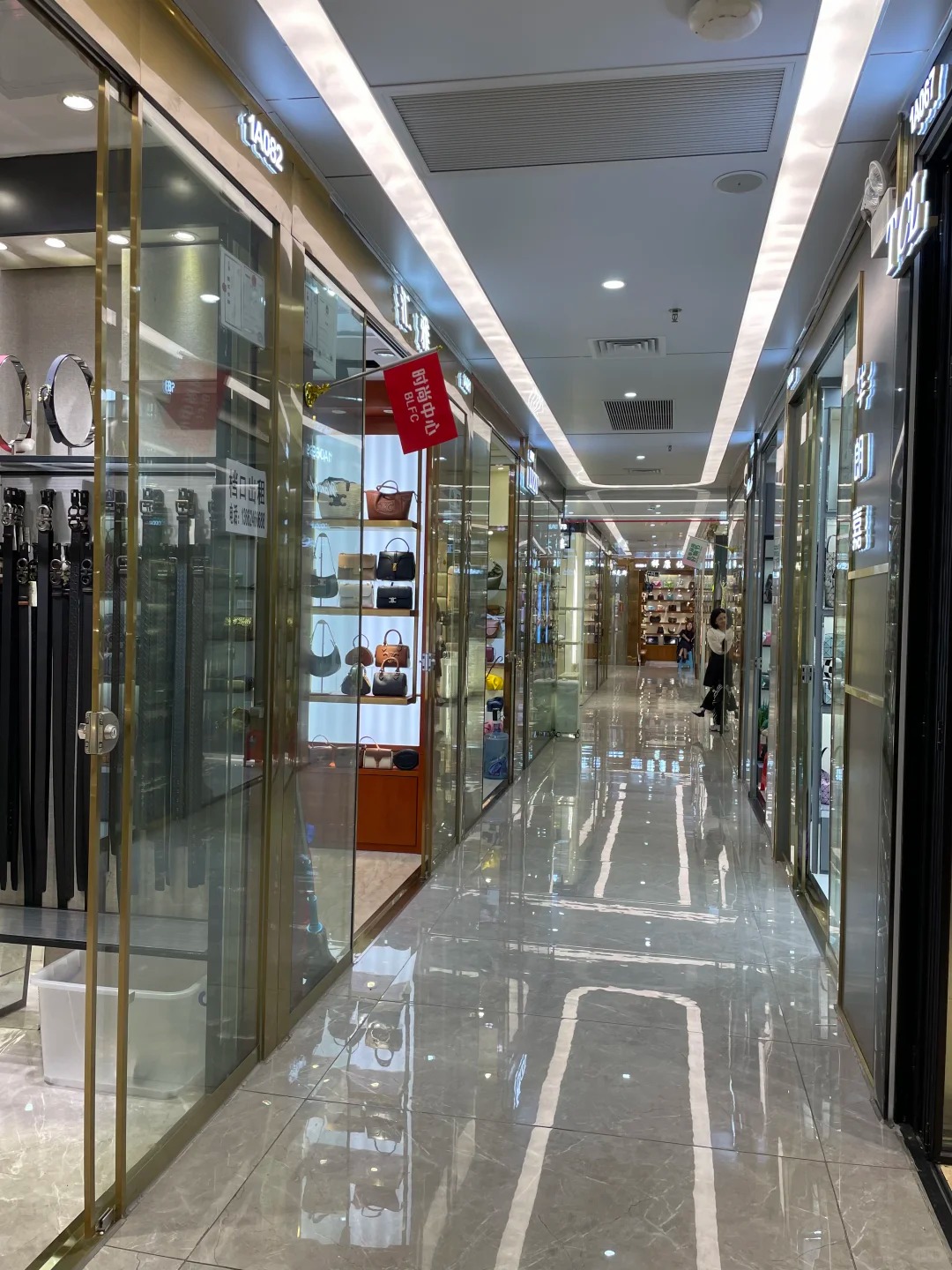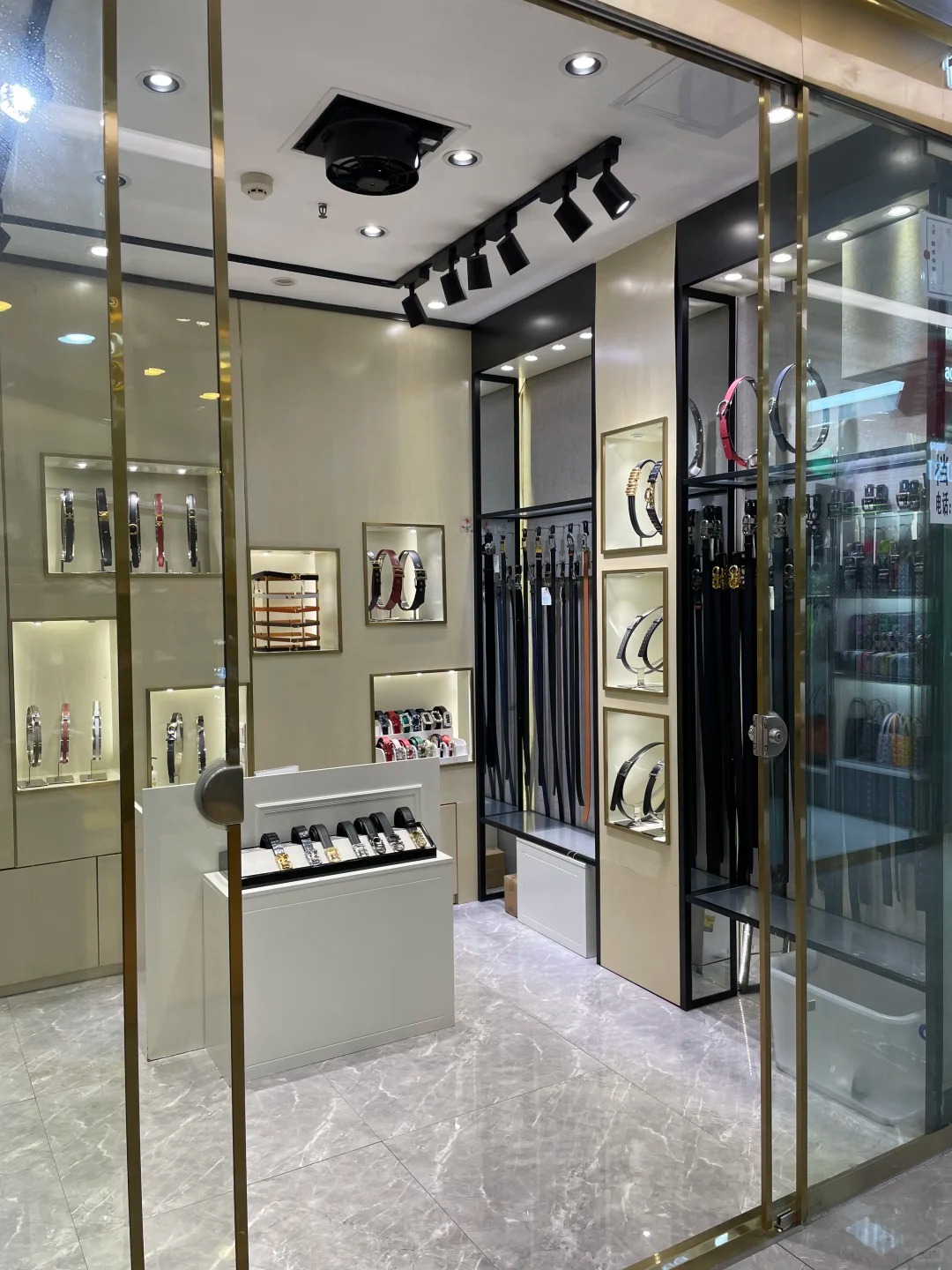

For small to medium jewelry brands, China’s wholesale markets offer the best value for tools and supplies—if you know where to look and how to inspect. Skip the middleman and go straight to the source for pliers, wire, beads, findings, and casting equipment. This guide delivers insider knowledge from veteran stall owners in Yiwu, Guangzhou, and Shenzhen.
Why China for Jewelry Making Supplies & Tools?
China produces an estimated 70% of global jewelry findings and tools. The key advantages are price and variety. You can find everything from basic jump rings to professional-grade soldering torches under one roof—often at 30-50% less than Western distributors. However, quality varies widely, so on-site inspection is critical.
Top Wholesale Markets for Spot Goods
Yiwu International Trade City (Futian Market)
The world’s largest wholesale market. For jewelry making supplies, focus on Area C (Floor 3-4) for beads, pendants, and stringing materials, and Area E for findings and tools. Most stalls accept small quantity orders (MOQs of 10-100 pieces). Bring a magnifying glass or loupe to check plating thickness and clasp spring tension. A walkthrough can uncover hidden gems among rows of stalls.
Guangzhou Huadu Jewelry Market
Specialized in silver and gold-filled supplies. Many stalls here also craft custom tools. Feel the weight and balance of pliers—cheap ones often have mismatched handles or weak joints. For cutting tools, test the edge on scrap wire. A reliable supplier will let you try before you buy.
Shenzhen Shuibei Jewelry City
This is the premier destination for high-grade findings and gemstones. While many stalls cater to fine jewelry, you can find excellent quality tools like bezel mandrels, micro drills, and stone-setting gravers. Be mindful of “named” brands—many are counterfeit. Focus on the product itself, not the label.
Quality Checks: How to Assess at the Stall
- Metal finish: Rub the surface with a soft cloth. If residue comes off, the plating is poor.
- Tool joints: Open and close pliers multiple times. Listen for grinding sounds; this indicates misalignment.
- Bead hole size: Use a diameter gauge (standard sizes: 0.8mm, 1mm, 1.5mm). Pass stringing wire through 3-5 beads to ensure consistency.
- Clasps: Apply gentle pressure with your fingers. A quality lobster clasp should have a clean snap and a firm spring.
Taboo Topics & What to Avoid
Avoid asking for “designer replicas” or “AAA imitation”—this is illegal and reflects poorly on your brand. Instead, ask about “current,” “bestselling styles,” or “new arrivals.” Chinese stall owners respect professional language. If you want to verify a supplier’s reliability, request a small test order of 5-10 pieces. Platforms like Soudangkou can help you pre-vet suppliers online before traveling.
FAQ: Jewelry Making Supplies Tools China
| Question | Answer |
|---|---|
| Can I buy small quantities? | Yes, most stalls in Yiwu and Guangzhou accept orders of 10-100 pieces per design. Some even allow mix-and-match. |
| How do I pay vendors? | Cash (USD or RMB) is common for spot goods. Bank transfer or Alipay for larger orders. Never pay full amount upfront. |
| What is the typical lead time? | Spot goods are immediate. Custom orders take 7-21 days. |
| Do they ship internationally? | Many stalls have shipping agents or can recommend one. Ask for a shipping quote before buying. |
| How can I avoid counterfeit tools? | Test the tool’s performance. For example, a wire cutter should cleanly cut a 1mm copper wire without burrs. Avoid branded tools that are suspiciously cheap. |
Final Tips & Resources
Before your trip, research specific market maps and stall numbers online. Join Chinese wholesale B2B platforms like Soudangkou to see product photos and reviews. Once on-site, trust your hands and eyes more than flashy displays. A good relationship with a stall owner can lead to better pricing and first pick of new stock.
广州服装档口相关入口
继续查看相关市场和品类入口,方便对比档口微信、货源范围、拿货方向和试单前需要核实的信息。