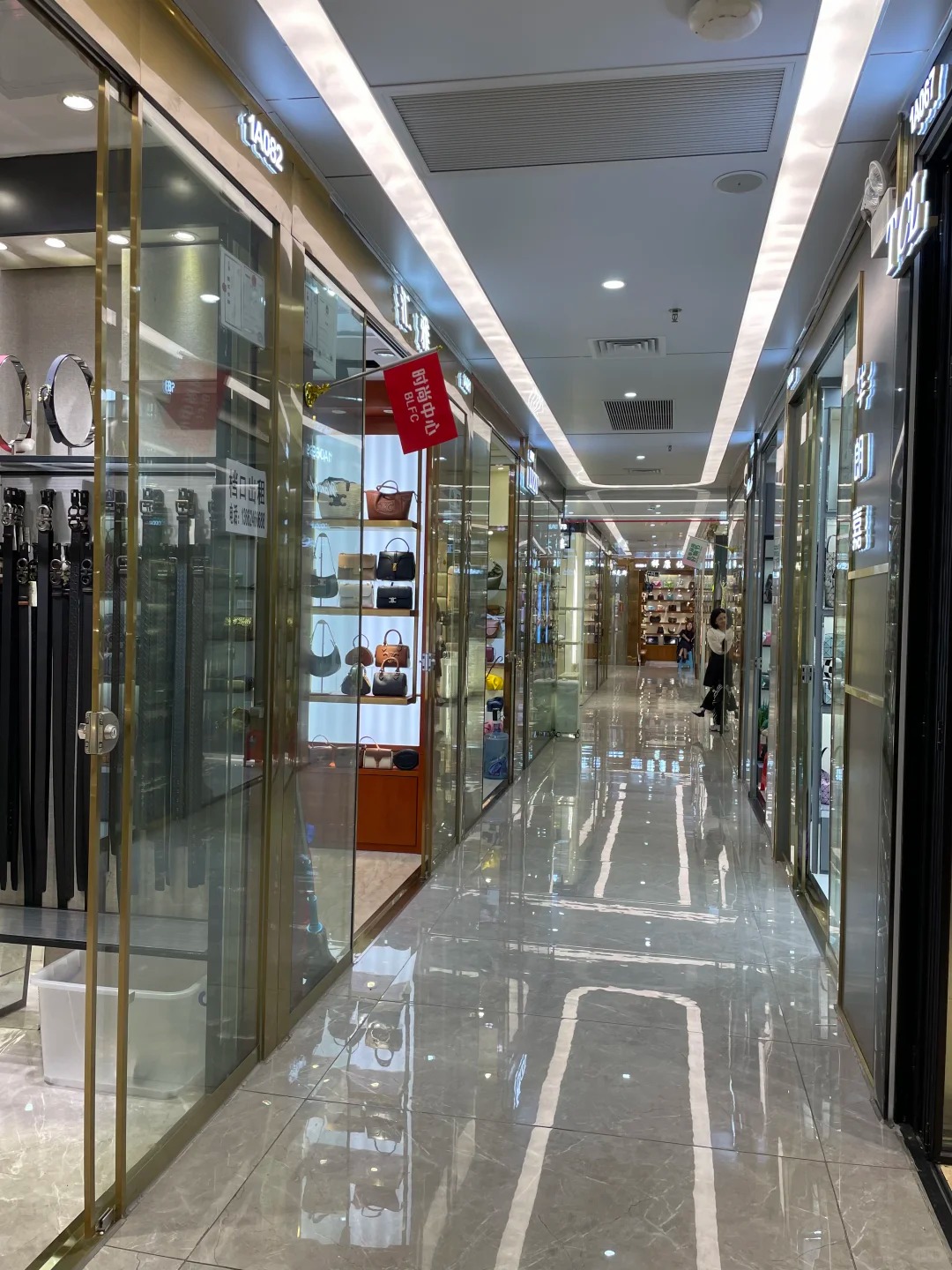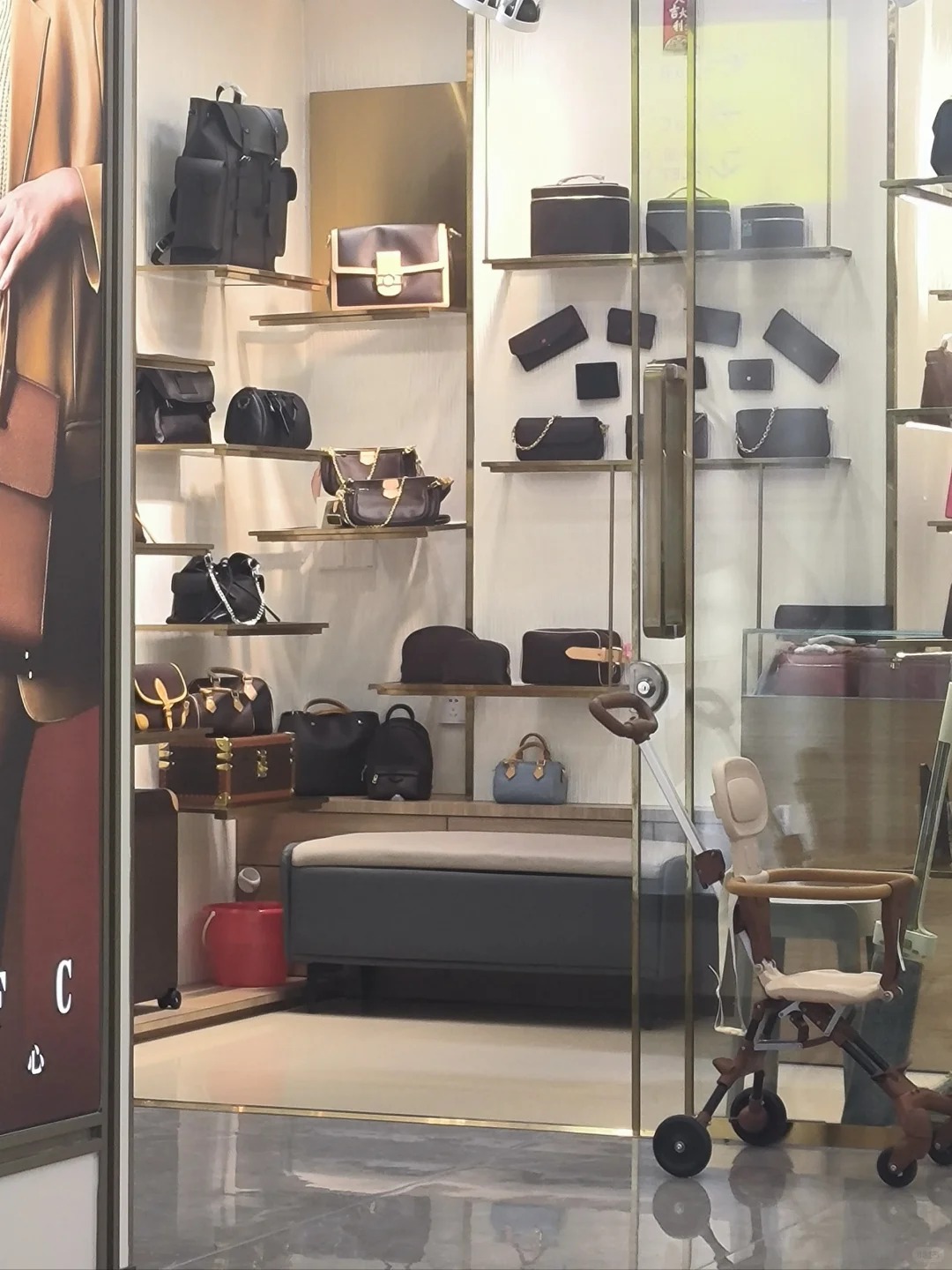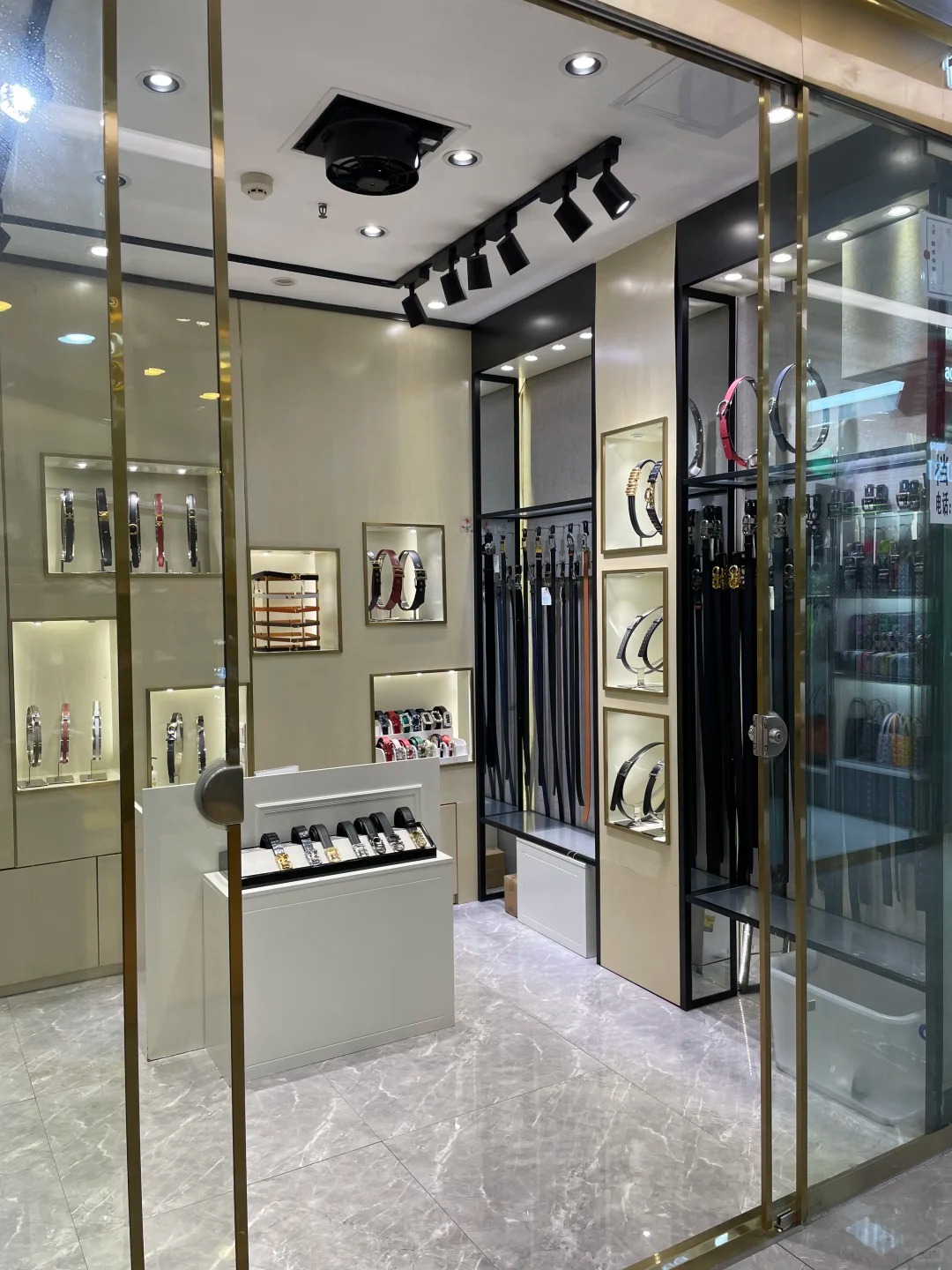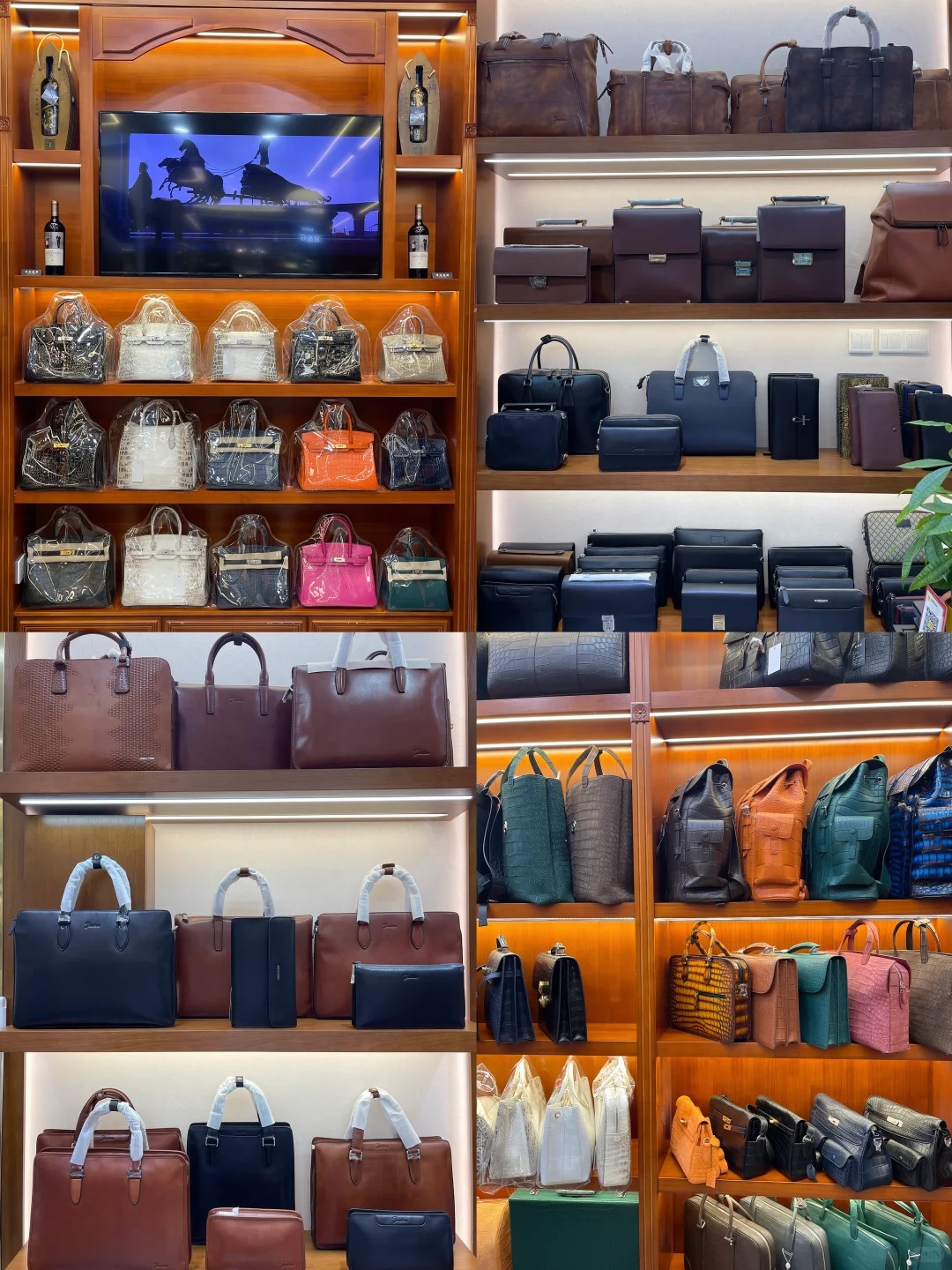

Made in China clothing suppliers are the backbone of global fast fashion, offering unmatched variety and speed. From Guangzhou’s Shawan to Hangzhou’s Sijiqing, wholesale market stalls provide immediate access to thousands of finished styles. For serious buyers, knowing how to assess a supplier’s reliability means focusing on spot checks, fabric hand feel, and stitch density.
Why Wholesale Market Stalls Dominate
Unlike online B2B platforms, physical stalls let you touch the cloth, stretch seams, and see color accuracy firsthand. Most stalls at major Chinese wholesale markets are actually mini-factories or have direct factory links. This means lower minimums (often 10-50 pieces per style) and faster turnaround—usually 3-5 days for top-ups.
Key Markets for Clothing Sourcing
- Guangzhou: Shihui Road (女装, especially knits and jeans)
- Hangzhou: Sijiqing (四季青) – huge range from budget to mid-level, with strong knitwear
- Beijing: Dongdan (for accessories and basics)
- Yiwu: not just accessories; many clothing stalls with mixed lots
How to Evaluate Supplier Quality
Fabric & Finishing Checks
Fold a corner of the fabric and rub between fingers—cheap polyester will have a sticky, synthetic feel. For cotton blends, check thread count by holding against light. Stitching should be even, with a minimum of 4-5 stitches per inch on seams. Look for loose threads, uneven hems, or puckering around zippers.
Minimum Order Quantities
Most stalls accept 10-50 pieces per style. For sample orders, you can often negotiate as low as 2-3 pieces if you show seriousness. Always insist on a sample before bulk purchase. Never pay 100% upfront—stick to 30% deposit, 70% on delivery.
Top Cities & Recommended Routes
| City | Market | Specialty | Tip |
|---|---|---|---|
| Guangzhou | Shawan (沙湾) | Women’s blouses, dresses | Best for fast fashion and copies of Korean trends |
| Hangzhou | Sijiqing (四季青) | Knits, sweaters, basics | Buyer-friendly, many English-speaking stalls |
| Beijing | Dongdan (东单) | Outerwear, coats | Good for heavy winter items |
| Yiwu | International Trade City | Costumes, sportswear, LOTS of labels | Best for accessories and playful prints |
Common Pitfalls & How to Avoid
- Fake fabrics: Stalls might sell printed nylon as silk. Burn test is quick: real silk burns like hair, smells like burning hair; polyester melts and smells plastic.
- Photo vs. product: Always check against a sample or at least a video. Many stalls use filtered images.
- Hidden fees: Ask if price includes packaging, labeling, and transport within the market. Some add 5-10% later.
- Too-good-to-be-true MOQ: If a stall claims 1000 pieces minimum, they are likely a middleman, not a factory. Walk away.
Soudangkou: A Digital Bridge to Market Stalls
Soudangkou.com directly connects buyers with verified wholesale stalls across China’s top clothing markets. You can browse real stall inventory, request samples, and negotiate terms—without the language barrier. For buyers who can’t visit in person, it is a reliable alternative to on-the-ground sourcing.
FAQ: Made in China Clothing Suppliers
| Question | Answer |
|---|---|
| Can I get custom branding? | Yes, but most market stalls focus on unbranded or blank items. For custom labels or tags, commit to larger orders (200+ pieces) or ask if they have a partnered factory. Some stalls offer basic bagging and size tags for a small extra fee. |
| How do I pay safely? | Use Alipay or WeChat Pay for small amounts. For bulk orders, consider an escrow service like Alibaba Trade Assurance. Avoid direct bank transfers to unknown accounts. |
| What if goods are defective? | Most stalls do not accept returns for made-to-order items. For ready stock, you can reject defective pieces at the time of pickup. Negotiate a tolerance for defects (e.g., 5% before compensation). |
| Is it cheaper than online? | Usually yes, because market stalls skip freight and storage fees. However, you pay cash or quick transfer. Online platforms charge transaction fees. Compare total cost including your travel or shipping. |
| How to find new trends? | Walk the market early morning (6-8 AM) when new deliveries arrive. Stalls often display best sellers in the front. Ask for what’s selling to factories—they share honest feedback. |
| Can I get samples? | Yes, typically at 1-2 piece prices. Some stalls give free samples if you order 50+ pieces. Important: pay for the sample separately, and deduct it from bulk order if possible. |
| Do suppliers speak English? | Major markets have mixed English levels. In Guangzhou and Hangzhou, many stall owners learn basic trade English. For complex negotiations, use translation apps or a sourcing agent. |
Final Advice
Start with small orders to test quality and communication. Build relationships with 2-3 reliable stalls before scaling. Remember: the best deals are still found in person, but platforms like Soudangkou make it easier to begin. Always verify the supplier’s physical address and request live photos. Good luck sourcing!
广州服装档口相关入口
继续查看相关市场和品类入口,方便对比档口微信、货源范围、拿货方向和试单前需要核实的信息。