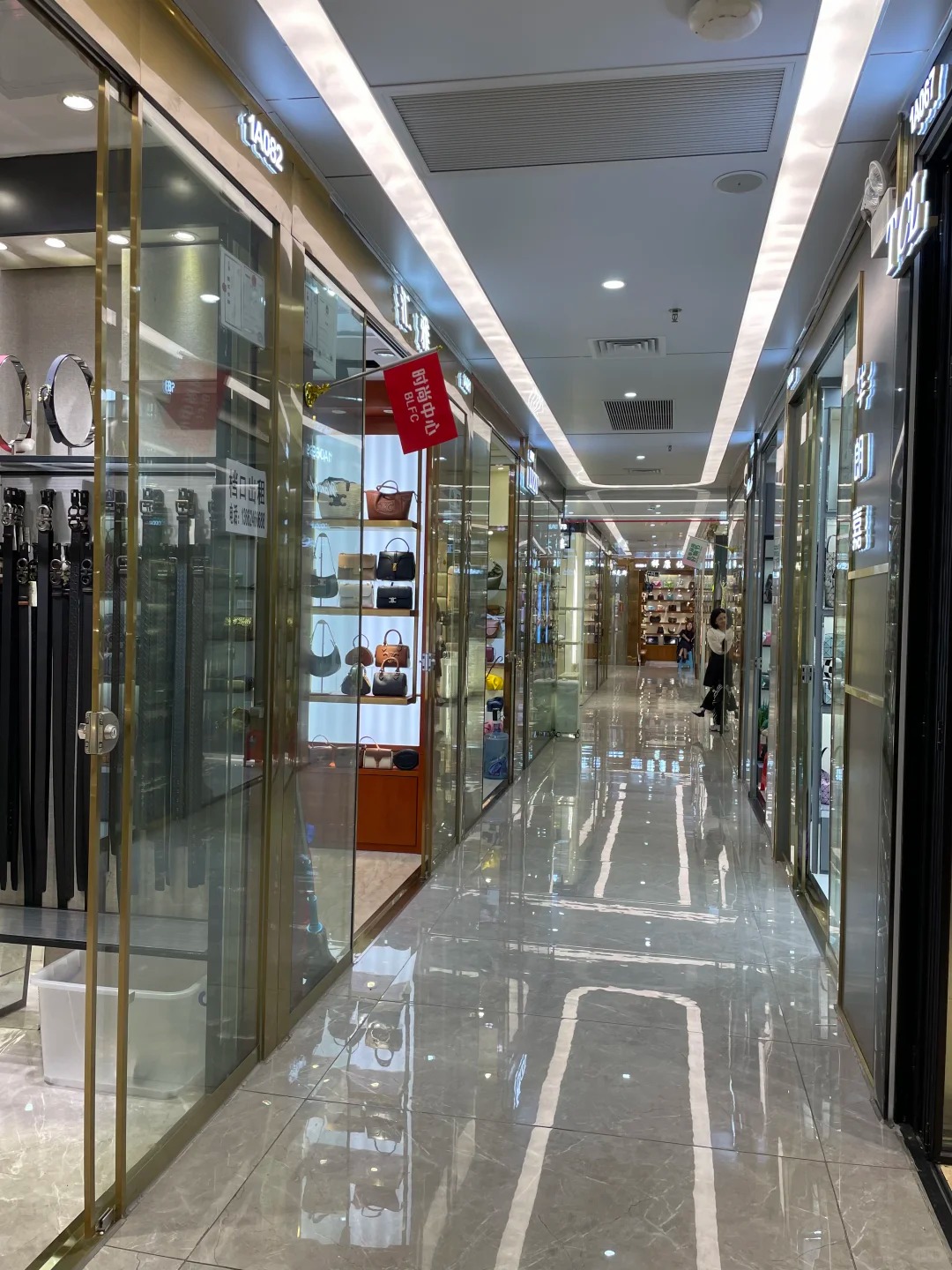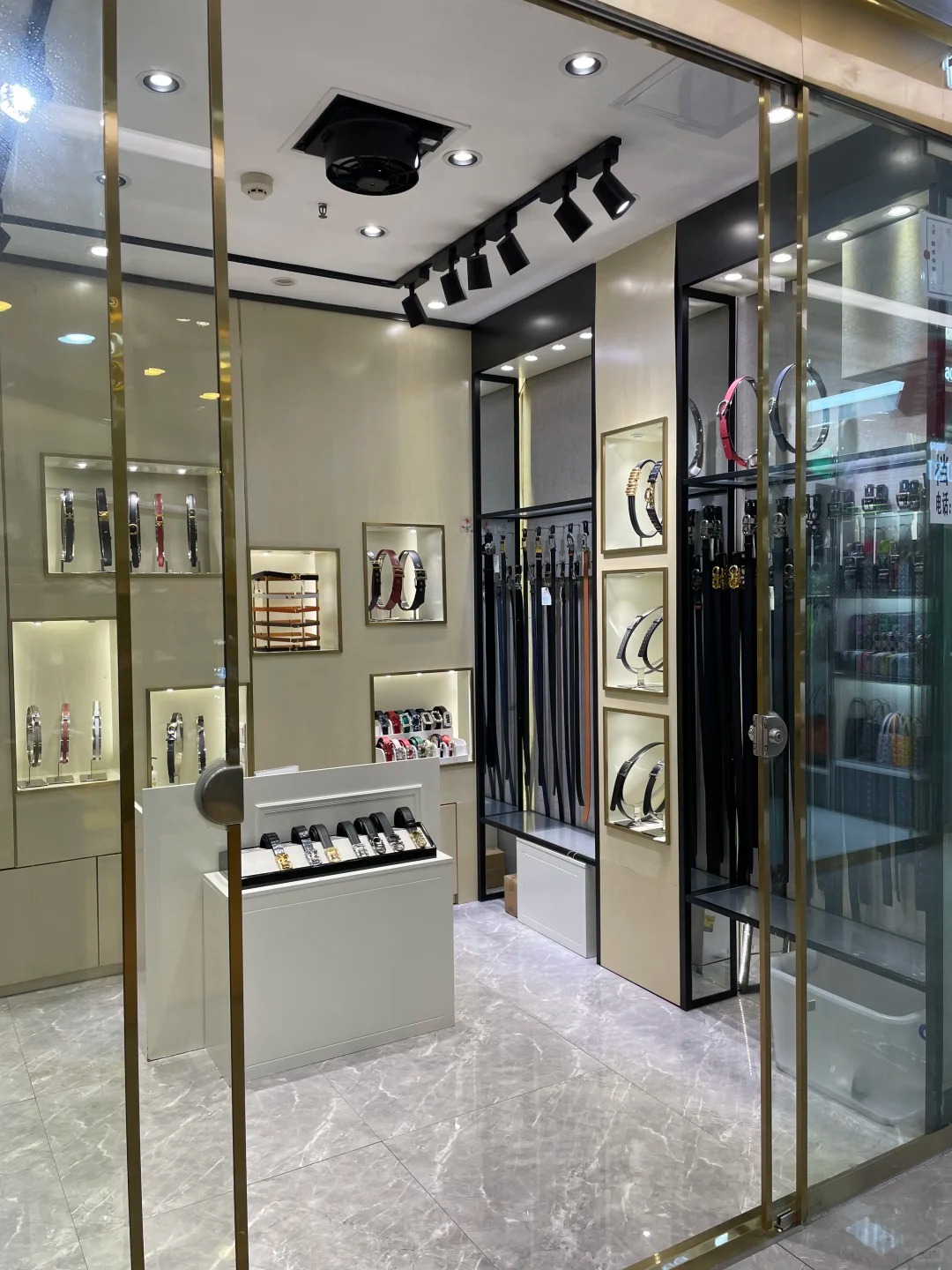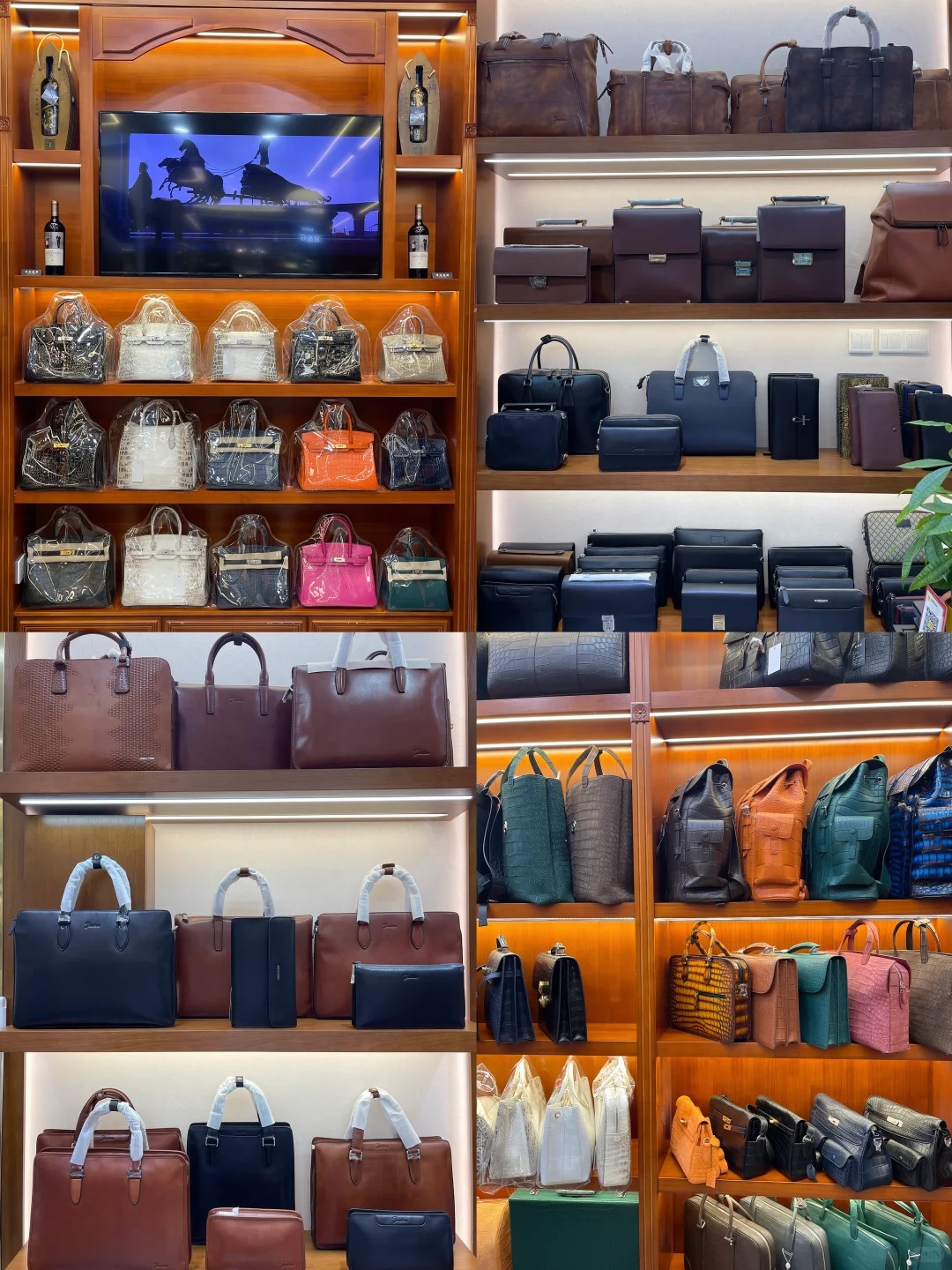

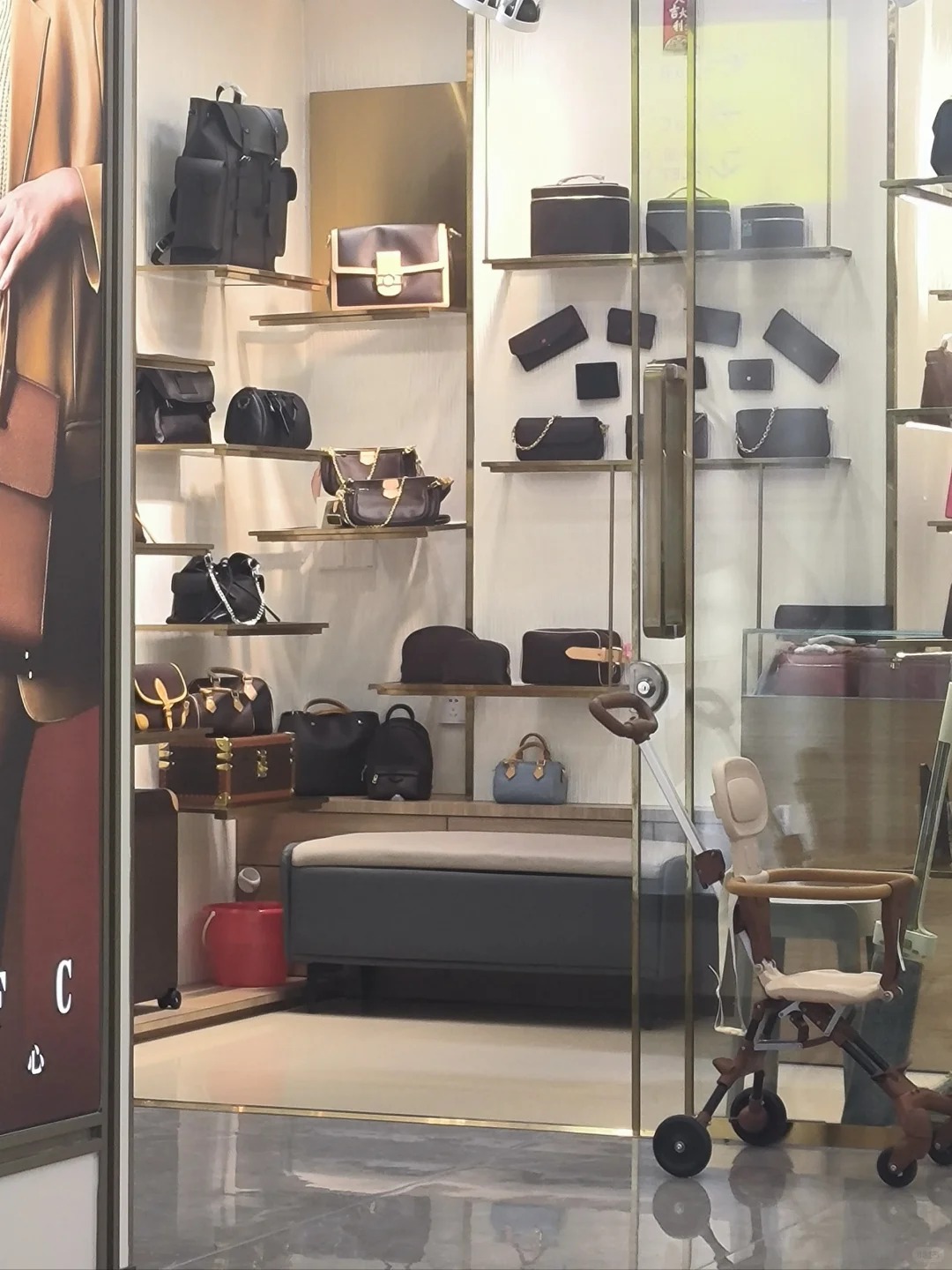
Looking for second hand clothing suppliers in China? Your best bet is to hit the wholesale markets in Guangzhou and Yiwu, where you’ll find thousands of stalls selling sorted vintage, overstock, and used apparel by the kilo. Forget generic online B2B platforms for a moment—real deals and bulk inventory live in the bustling market lanes of Shangxiajiu or Yiwu International Trade City. As a market insider, I’ll show you how to spot quality fabric, inspect stitching, and grab the hottest stock before your competitors.
Why Sourcing Second Hand from China Works
China is the world’s largest exporter of second hand clothing, thanks to massive overstock from fast fashion, export surplus, and consumer returns. Markets like Guangzhou’s Zhanxi Second Hand Market or Yiwu’s Wearable Goods Cluster are packed with stalls that sort items by grade—from premium designer cast-offs to mixed bales. The key advantage? You can touch the fabric, check the seams, and haggle on the spot. That’s something no online catalog can give you.
How to Pick Quality from a Stall
When you’re standing in front of a pile of denim jackets or cotton tees, here’s what to check:
- Fabric touch: Feel for softness and weight. A limp t-shirt often means cheap, thin cotton that doesn’t last.
- Stitching: Look for even seams, no loose threads, and reinforced areas like collars and cuffs.
- Zippers & buttons: Test every zipper and check for missing buttons. A good stall will let you open a bale to inspect.
- Smell & stains: Avoid items that smell musty or have set-in stains. Sellers usually pre-sort, but you can ask for a “no flaws” bundle at a higher price.
Top Markets for Second Hand Clothing
- Guangzhou Zhanxi Second Hand Market: The biggest in China, specializing in sorted vintage and brand-name overstock. Go early morning (6-8 AM) for the best pick.
- Yiwu International Trade City, Zone 3: Known for bulk bales of mixed clothing from Europe and Japan. Minimum order usually 50-100 kg.
- Shishi Clothing Market (Fujian): Focus on used jeans and casual wear. Prices are lower, but you need to negotiate hard.
Inside Tips for Wholesalers
Don’t just show up and buy. Build relationships with stall owners. Buy a small batch first, test the market, and come back for repeat orders. Most sellers speak basic English, but bringing a translator or using a phone app helps. Also, ask for “certified” or “export-ready” bundles—these are typically cleaned, sorted, and free of defects. If you’re after specific items like vintage band tees or linen shirts, tell the seller upfront; they’ll set aside stock for you.
One more thing: use a sourcing agent or partner with a platform like Soudangkou that connects you directly to verified stalls. It saves time and prevents scams.
FAQ: Second Hand Clothing Suppliers in China
| Question | Answer |
|---|---|
| What’s the typical minimum order? | Usually 50-100 kg per bale for mixed items. Some stalls accept 10 kg for trial orders. |
| Are the clothes washed before selling? | Not always. Most stalls sell as-is. Ask for “eco-washed” bundles at a premium. |
| How do I pay? | Cash or bank transfer (T/T). Many stall owners also use WeChat Pay or Alipay. |
| Can I get samples? | Yes, but you’ll pay per item. Expect to spend $30-50 for a sample bundle. |
| Is it legal to export second hand clothing? | Yes, but some countries ban used textile imports. Check your local customs regulations. |
| How do I avoid counterfeit? | Stick to stalls with a good reputation. Don’t buy items with fake luxury logos; focus on unbranded or generic vintage. |
| What if I can’t visit China? | Use a sourcing agent or platform like Soudangkou to video call stalls and inspect stock remotely. |
Final Take: Go Direct, Save More
Skip middlemen and fly to Guangzhou or Yiwu. Spend two days walking the markets, talking to sellers, and inspecting bales. You’ll get better prices, higher quality, and real connections. Just remember: always negotiate, and never buy the first bundle you see. Happy sourcing!
广州服装档口相关入口
继续查看相关市场和品类入口,方便对比档口微信、货源范围、拿货方向和试单前需要核实的信息。